
HE
Heating Application
Heating Element Tubes
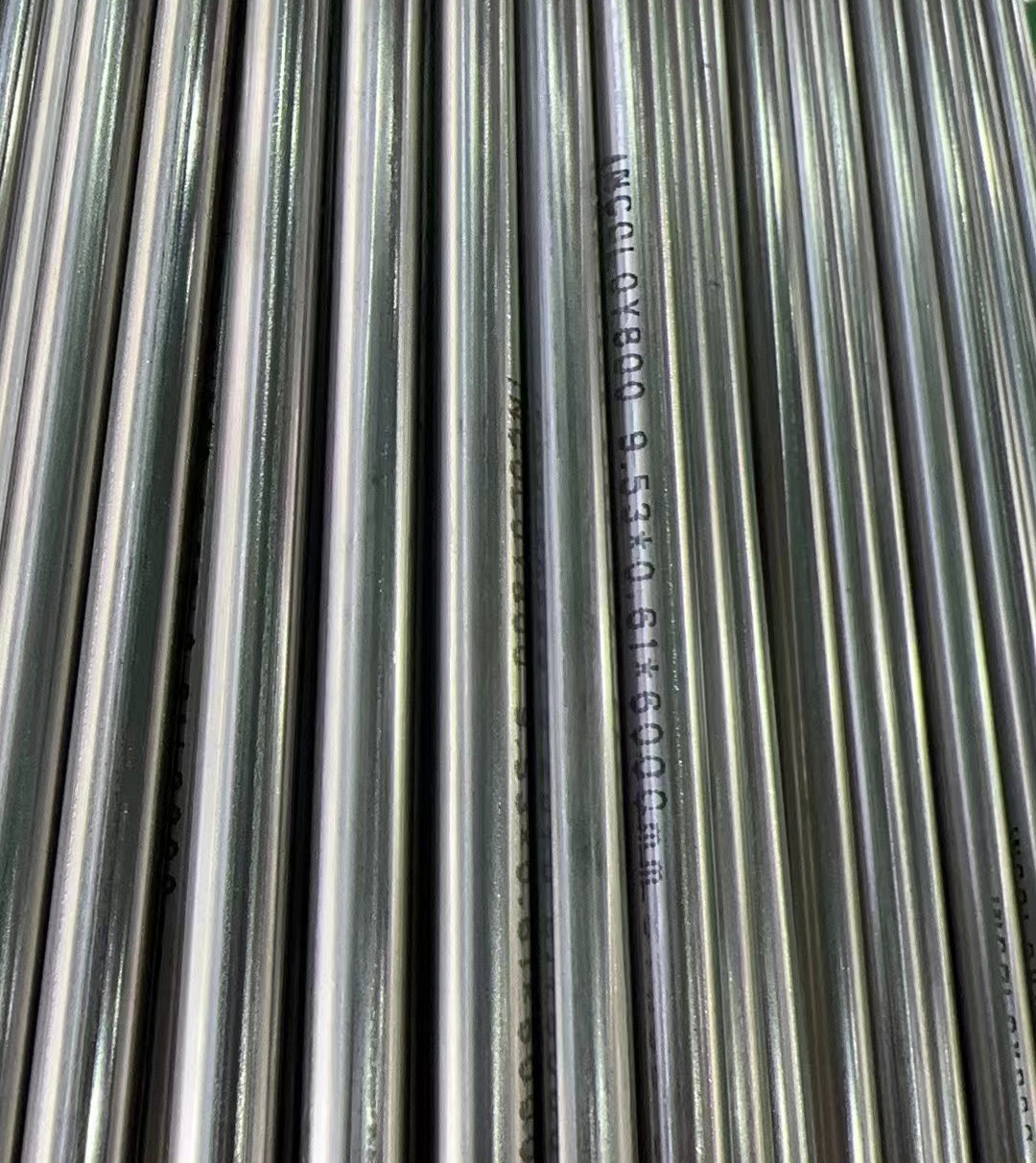
Tube materials for tubular heaters, immersion heaters, water heating elements, air heating elements and corrosive liquid heating applications.
View Heating Element Tubes →Tube Applications for Heating Elements, Heat Exchangers, Refrigeration, Marine Cooling and Corrosive Equipment
GAOFA TECH application pages help industrial buyers select tube products by equipment type, working medium and operating condition. Start from your application, then compare stainless steel, titanium, nickel alloy and enhanced tube products according to corrosion, temperature, pressure, heat transfer and fabrication requirements.
The same tube material may perform differently in heating, cooling, seawater, brine, chemical, high-temperature or replacement service. Final selection should follow the working condition, applicable standard, inspection requirement and customer specification.
Quick Application Jump
This Applications Hub is designed for buyers who start from an equipment problem instead of a material name. It connects heating element manufacturers, heat exchanger manufacturers, refrigeration equipment manufacturers, marine cooling users and corrosive equipment buyers with the relevant tube product pages.
Review heater sheath material by medium, temperature, watt density, forming and customer specification.
Review tube material, tube form, heat transfer, pressure drop, fouling and inspection requirements.
Review stainless steel, titanium, nickel alloy and enhanced tubes according to actual corrosion condition.
Review original drawing, failure mode, target improvement, thermal calculation and equipment approval.
The application cards below are grouped by equipment type and buyer intent. Each page should guide buyers from working condition to suitable product family, rather than claiming one material is suitable for all cases.
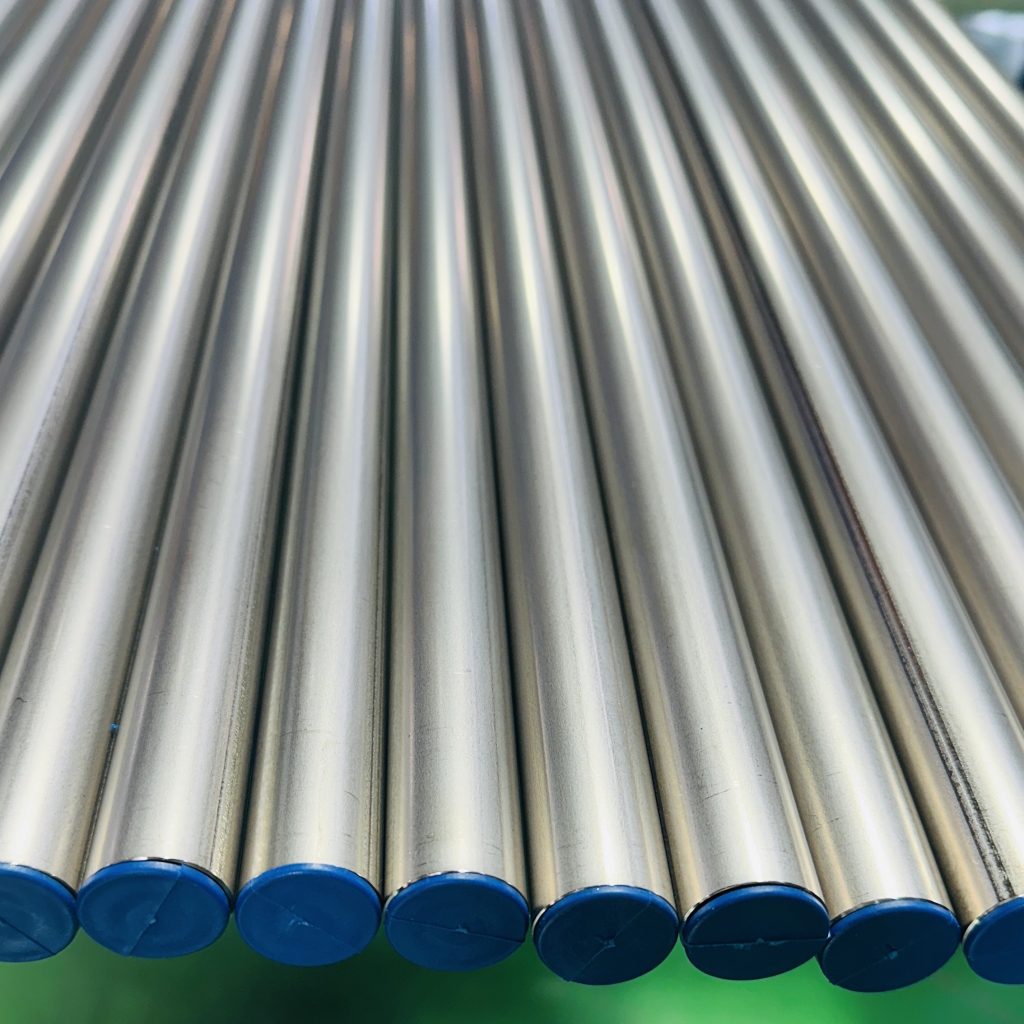
Use these pages when the buyer manufactures tubular heating elements, cartridge heaters, immersion heaters, water heaters or heating equipment that requires metal sheath tubes.
Tube materials for tubular heaters, immersion heaters, water heating elements, air heating elements and corrosive liquid heating applications.
View Heating Element Tubes →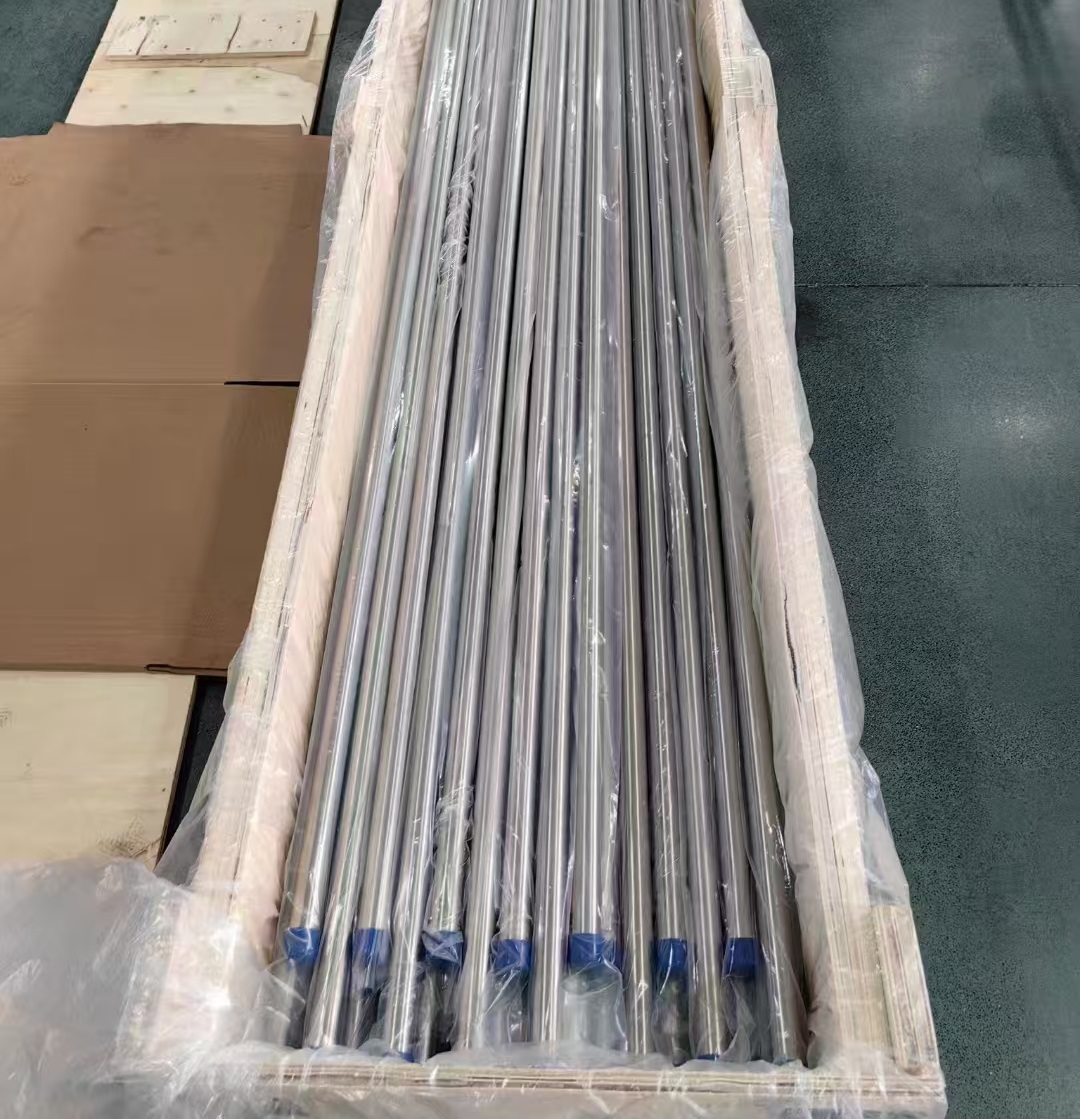
Tube direction for cartridge heater sheath production where OD, wall thickness, straightness, annealed condition, internal cleanliness and tube forming behavior matter.
View Cartridge Heater Tubes →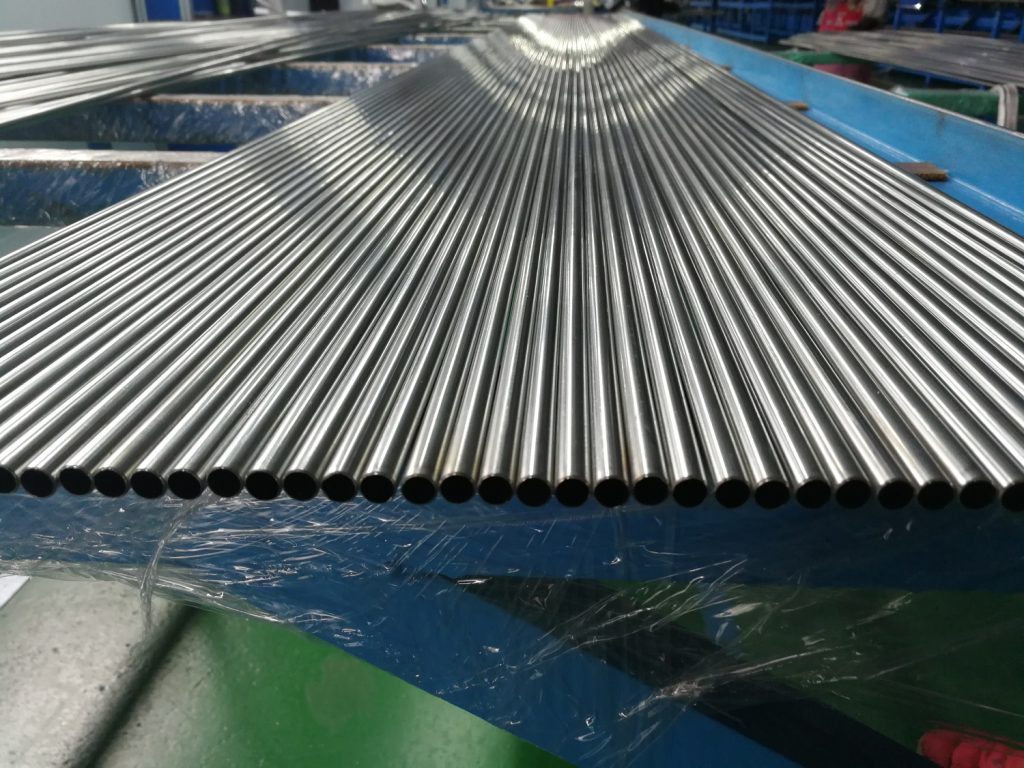
For immersion heaters, water heating elements, air heaters and corrosive liquid heaters, material review should consider medium, temperature, scaling, corrosion and heater design.
Start from Heating Element Tubes →Use these pages when the buyer manufactures or repairs shell and tube heat exchangers, condensers, evaporators, coolers, chillers or process heat transfer equipment.
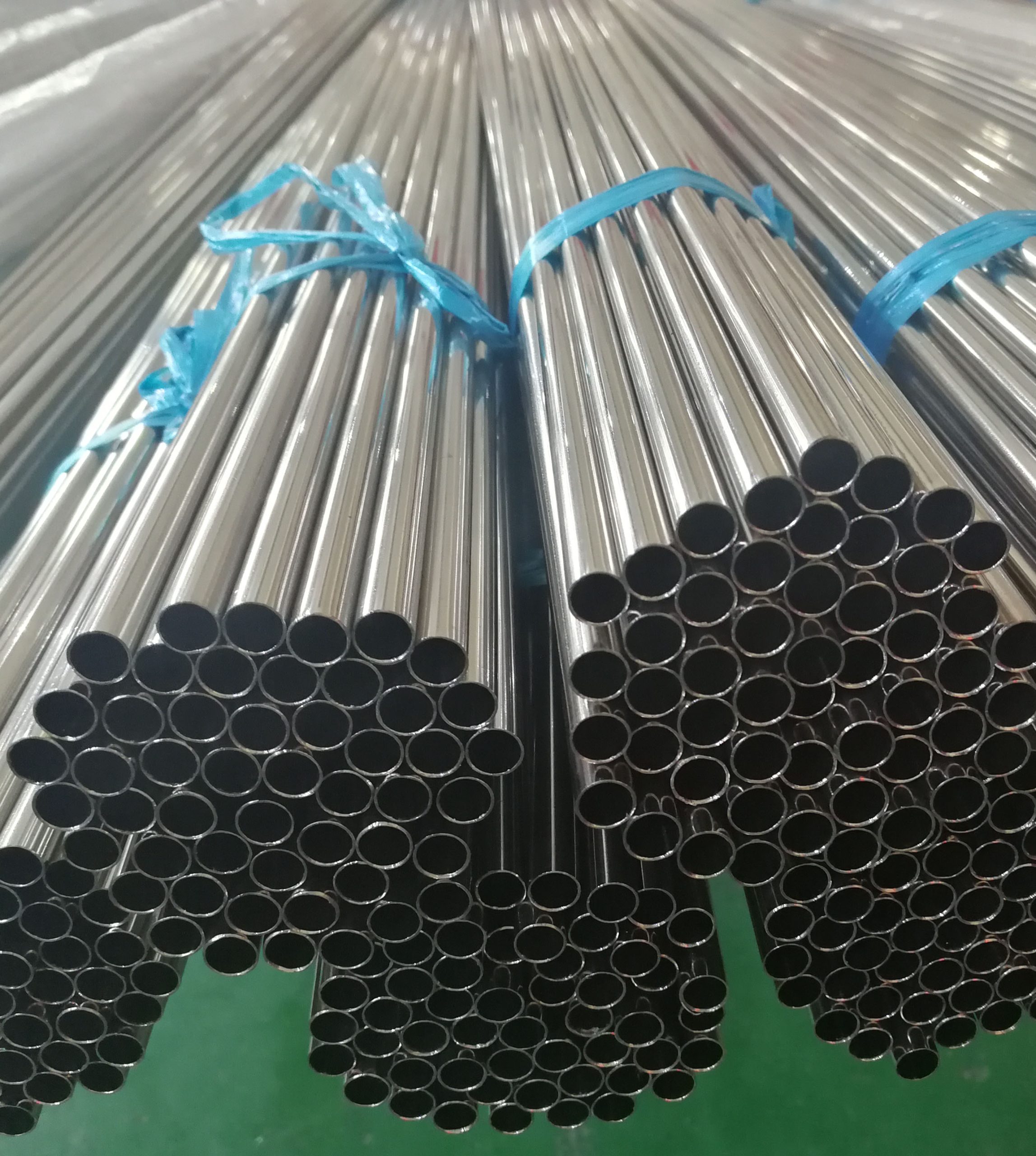
Tube products for heat exchangers, coolers and thermal equipment where material, tube form, heat transfer, pressure and corrosion should be reviewed together.
View Heat Exchanger Tubes →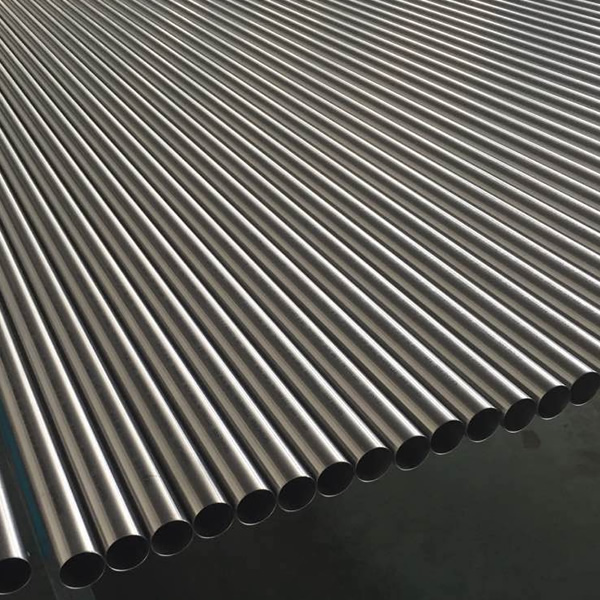
Tube selection for shell and tube heat exchangers where tube-side and shell-side media, tube sheet connection, inspection and replacement compatibility must be reviewed.
View Shell & Tube Heat Exchanger Tubes →
Tube options for condensers, evaporators, chillers and refrigeration equipment where material, heat transfer, fouling and corrosion resistance need review.
View Condenser & Evaporator Tubes →Use these pages when chloride, seawater, brine, cooling water quality, chemical corrosion or long-term reliability is the main reason for material review.
Tube materials for chillers, condensers, evaporators, brine coolers and refrigeration equipment where cooling medium, corrosion, fouling and heat transfer must be reviewed.
View Industrial Refrigeration Tubes →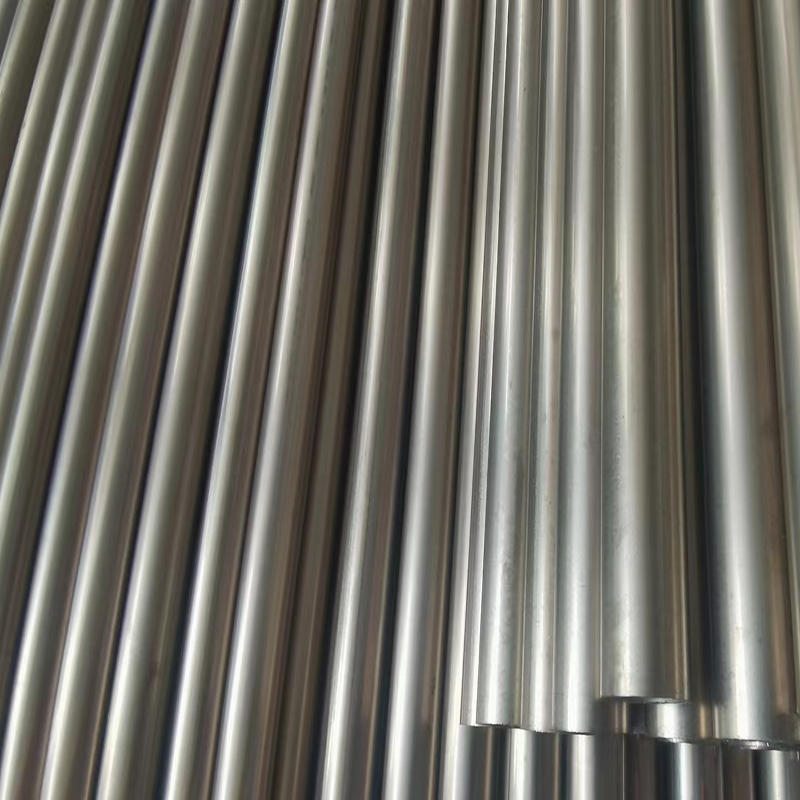
Titanium tube and selected alloy directions for seawater-cooled condensers, marine cooling, brine service and chloride-rich cooling water applications.
View Seawater / Marine Cooling Tubes →
Titanium, nickel alloy, Hastelloy and selected stainless steel tubes for corrosive heat exchangers, acid service, chemical process equipment and cooling systems.
View Chemical & Corrosive Equipment Tubes →Use these pages for data center cooling, CDU liquid-cooling piping, HVAC copper-replacement configurations, lightweight titanium fabrication and exhaust applications.
Titanium tube directions for selected data center cooling systems where cooling water quality, chloride level, corrosion resistance and long-term reliability need to be considered together.
View Data Center Cooling Titanium Tubes →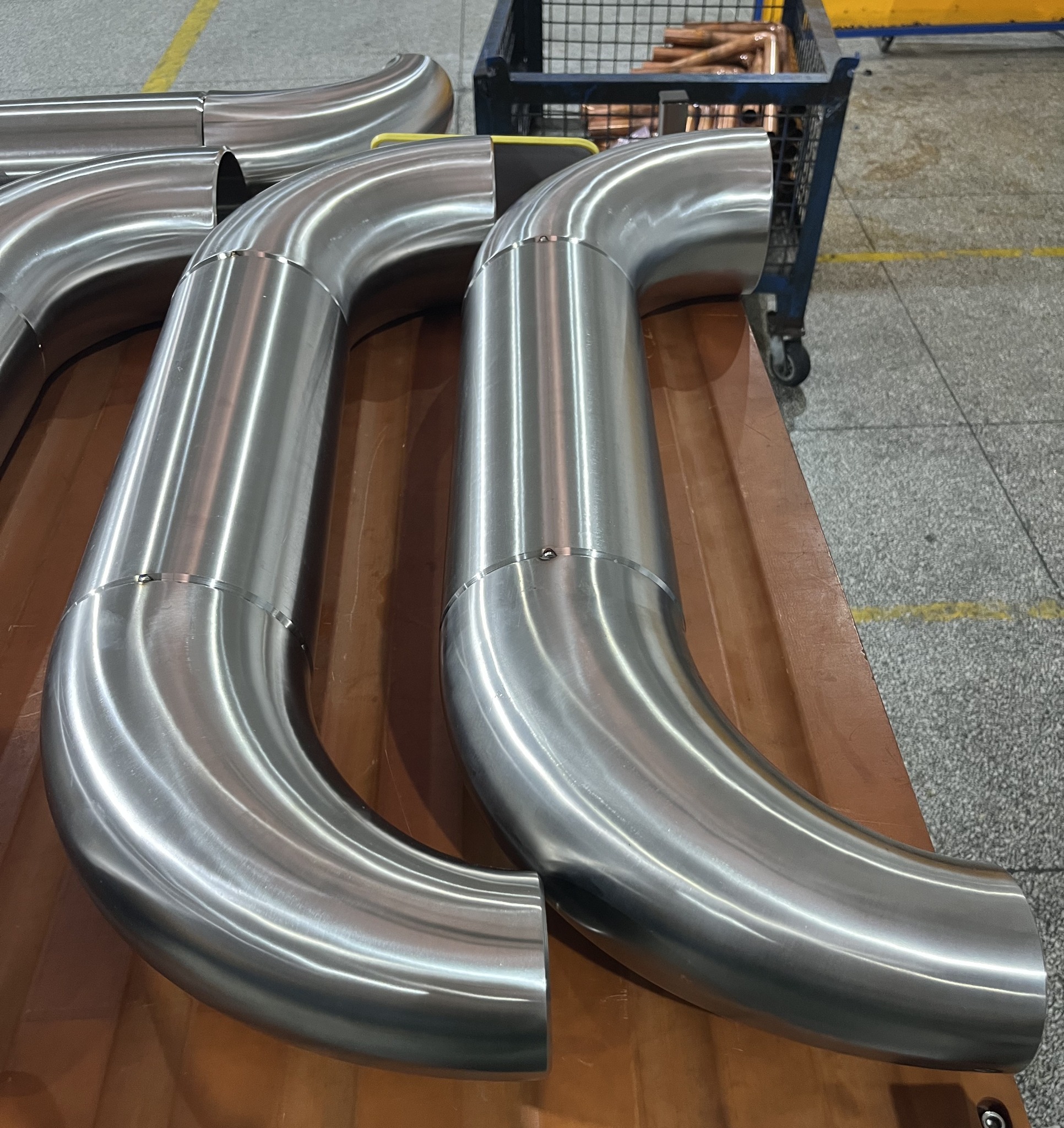
Stainless steel tube and pipe directions for CDU internal piping, supply / return headers and manifolds where coolant chemistry, pressure, temperature, cleanliness and downstream fabrication need review.
View CDU & AI Liquid Cooling Tubes →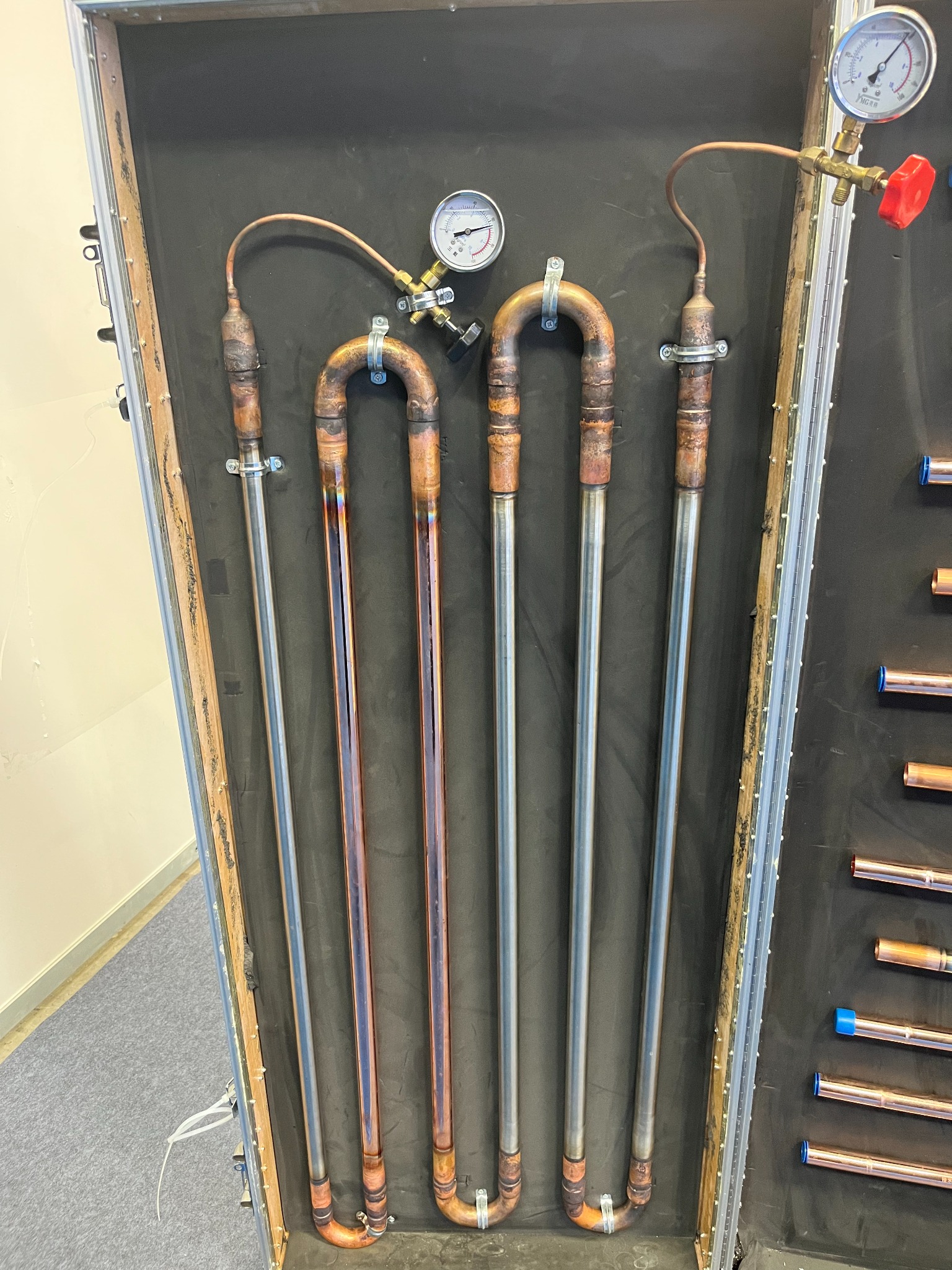
304 stainless steel main tubes with copper connection ends for selected HVAC evaporator, refrigeration and commercial air-conditioning designs that retain copper-side connection sections.
View Stainless Steel Tubes with Copper Ends →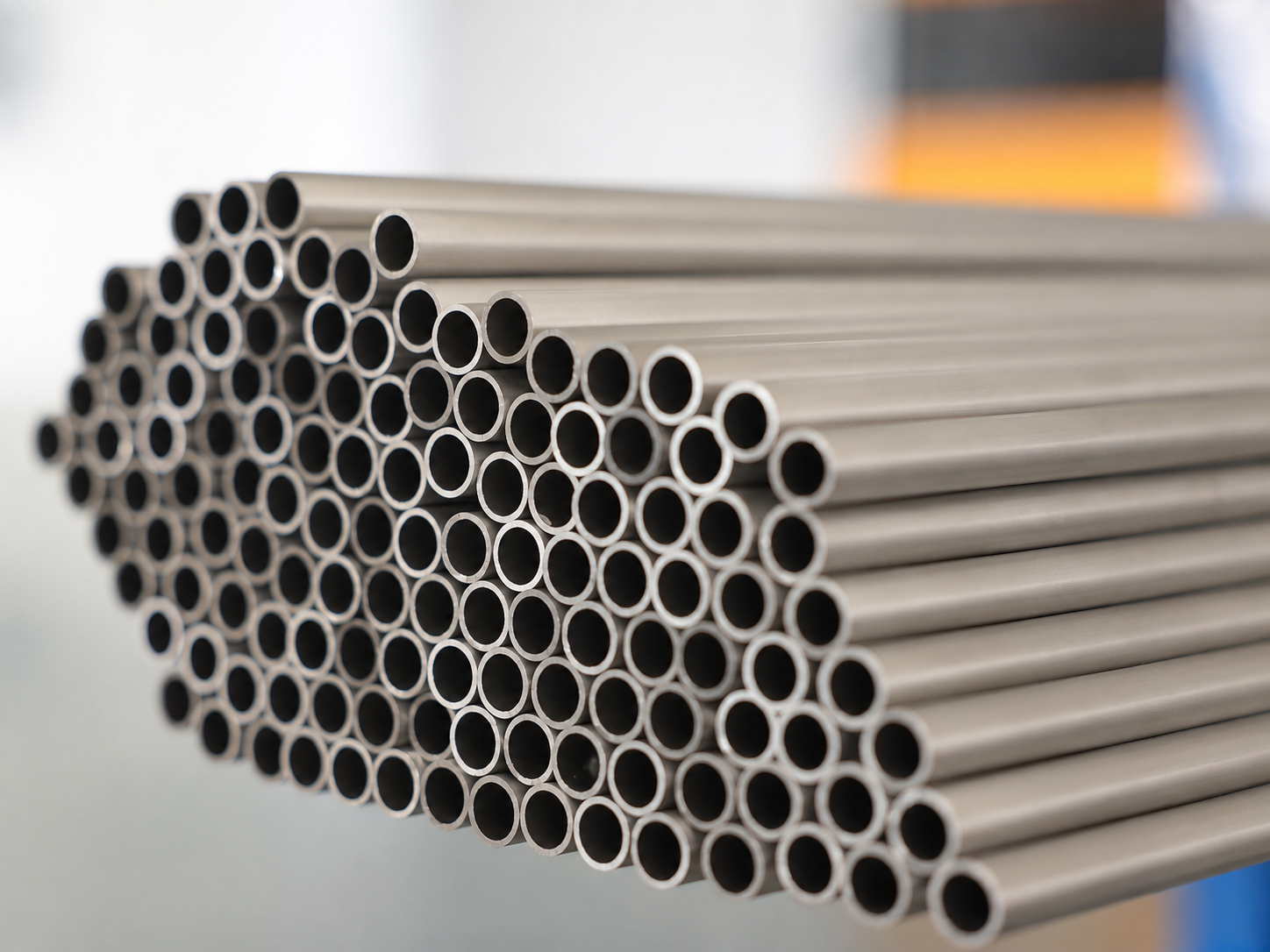
Grade 2 and Grade 9 titanium tube directions for bicycle frames, sports wheelchairs and selected lightweight structural tube applications where forming and welding need review.
View Bicycle & Wheelchair Titanium Tubes →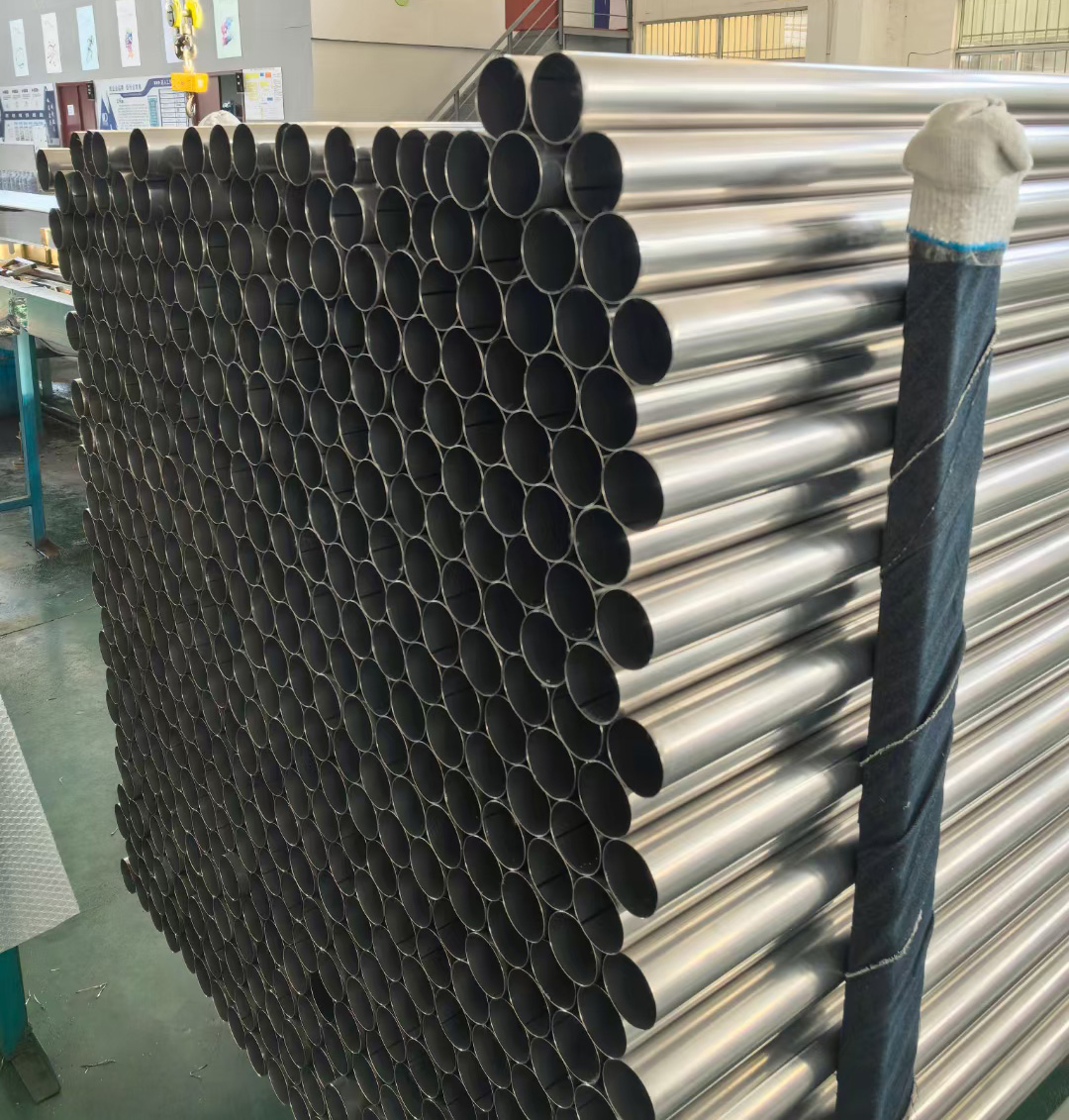
Titanium tube and selected nickel alloy directions for motorcycle, automotive and high-performance exhaust systems where temperature, forming and welding need review.
View Titanium Tube for Exhaust →This directory keeps the application hub readable while still providing clear internal links. The first column describes the buyer scenario, and the second column links to the detailed application page.
This table is a practical review guide, not a final material recommendation. Final suitability depends on actual service conditions and customer specification.
| Application Condition | Common Material Directions to Review | Key Selection Questions |
|---|---|---|
| General heating element sheath tubes | 304 / 316L stainless steel, 321 / 310S, Incoloy 800 / 840, Inconel 600 / 601 | What is the heating medium, sheath temperature, watt density, forming route and corrosion risk? |
| Cartridge heater tubes | Stainless steel seamless tube, nickel alloy tube by requirement | Is straightness, wall thickness uniformity, annealed condition, internal cleanliness or tight OD tolerance required? |
| General heat exchanger tubes | Stainless steel, titanium, nickel alloy, enhanced tubes | What are tube-side and shell-side media, pressure, temperature, fouling, cleaning method and inspection scope? |
| Seawater or chloride-rich cooling water | Titanium Gr1 / Gr2 / Gr7 / Gr12, selected nickel alloy directions | What are chloride level, temperature, crevice condition, flow velocity, fouling and galvanic contact risk? |
| Acid or chemical corrosion | Incoloy 825, Inconel 625, Hastelloy C276 / C22 / C4, titanium by medium | What is the acid type, concentration, temperature, impurities, oxidizing / reducing condition and corrosion history? |
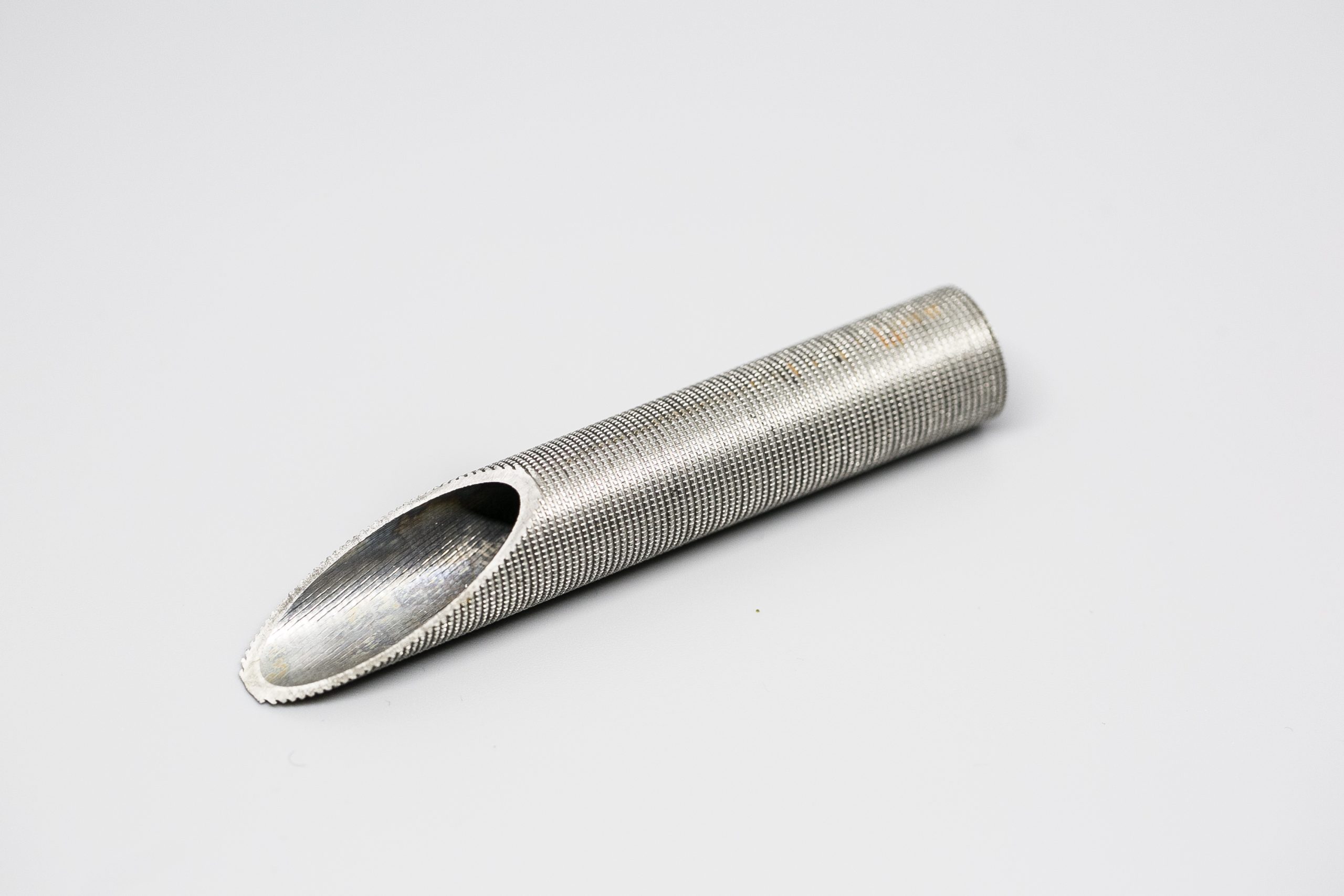
| Heat transfer performance improvement | Inner grooved tube, low fin tube, stainless steel enhanced tube, titanium enhanced tube | Which side needs enhancement, and can the system accept pressure drop, fouling and cleaning implications? |
| Copper tube replacement review | Thin-wall stainless steel, titanium, enhanced tubes, nickel alloy by corrosion requirement | Has thermal calculation, pressure drop, tube sheet connection, corrosion resistance and equipment approval been reviewed? |
Use the Applications Hub when your starting point is the equipment, not the material. For example, a heating element manufacturer may not know whether stainless steel, Incoloy, Inconel or titanium is the correct sheath material. A heat exchanger manufacturer may need to compare stainless steel, titanium, nickel alloy and enhanced tube options based on both sides of the equipment.
After selecting the application page, buyers can move to the relevant product family page through the internal links, then use the RFQ checklist to send material grade, tube form, size, quantity and working condition.
Applications define why the tube is needed. Product pages define what GAOFA TECH can supply. The two hub pages should link to each other so buyers and search engines can understand the complete site structure.
| Application Starting Point | Product Family Pages to Compare | When to Use |
|---|---|---|
| Heating Element Tubes | Stainless Steel Tubes, Nickel Alloy Tubes, Titanium Tubes | Use when heater sheath material is selected by medium, temperature, corrosion, forming and cost target. |
| Heat Exchanger Tubes | Stainless Steel Tubes, Titanium Tubes, Nickel Alloy Tubes, Enhanced Tubes | Use when both material resistance and heat transfer design need review. |
| Seawater / Marine Cooling | Titanium Tubes, Titanium Low Fin Tube, Nickel Alloy Tubes | Use when chloride-rich water, marine service or long-term corrosion reliability is the main concern. |
| Chemical & Corrosive Equipment | Nickel Alloy Tubes, Hastelloy C276 Tube, Titanium Tubes, Stainless Steel Tubes | Use when acid, chloride, oxidizing / reducing condition or existing corrosion failure needs review. |
| Enhanced Tube Applications | Enhanced Heat Transfer Tubes, Inner Grooved Tube, Low Fin Tube | Use when heat transfer improvement, pressure drop, fouling and tube geometry need to be reviewed together. |
Application-based inquiries should include both tube size and operating condition. This helps review whether stainless steel, titanium, nickel alloy or enhanced tubes should be compared.
For replacement projects, please send the original drawing, existing material, current failure mode and target improvement.
Use this short format when the application is known. If the material grade is not decided, leave Material Grade blank and provide the working condition first.
Unsure which material to use? Please tell us the application, working medium, temperature, pressure, corrosion or scaling concern, heat transfer requirement, downstream fabrication process and any previous failure issue if available.
Send your application, medium, temperature, pressure, tube size and quantity. GAOFA TECH can help route the inquiry to the relevant application page and product family for review.
The Applications Hub helps buyers find tube pages by equipment type and working condition. It is useful when the buyer knows the application, such as heating elements, heat exchangers, refrigeration, seawater cooling or chemical equipment, but still needs to compare stainless steel, titanium, nickel alloy or enhanced tube products.
The Products Hub answers what GAOFA TECH supplies, including stainless steel tubes, titanium tubes, nickel alloy tubes, enhanced heat transfer tubes and titanium sheet for PHE plates. The Applications Hub answers where these products are used, such as heating elements, heat exchangers, marine cooling, industrial refrigeration and corrosive equipment.
Heating element manufacturers should start from Heating Element Tubes. If the inquiry is specifically for cartridge heater sheath tubes, use Cartridge Heater Tubes. Material selection depends on heating medium, temperature, watt density, forming process, corrosion condition and customer specification.
Heat exchanger manufacturers can start from Heat Exchanger Tubes, Shell & Tube Heat Exchanger Tubes or Condenser & Evaporator Tubes. The correct page depends on whether the project is a general heat exchanger, tube bundle, condenser, evaporator, chiller or replacement project.
Buyers should start from Seawater / Marine Cooling Tubes. Titanium tubes are commonly reviewed for seawater and chloride-rich water, but final selection depends on chloride level, temperature, crevice condition, flow velocity, fouling, cleaning method, tube sheet material and customer specification.
Buyers should start from Chemical & Corrosive Equipment Tubes. Titanium, nickel alloy, Hastelloy and selected stainless steel tubes may be reviewed depending on acid type, concentration, temperature, impurities, chloride level, oxidizing or reducing condition and corrosion history.
For stainless steel tube and pipe used in CDU internal piping, supply / return headers and manifolds, start from CDU & AI Liquid Cooling Stainless Steel Tubes. For data-center cooling projects where water chemistry, chloride risk or corrosion conditions point toward titanium, also review Titanium Tubes for Data Center Cooling.
They may be reviewed in selected projects, but they should not be treated as direct one-to-one copper substitutes. Thermal conductivity, wall thickness, tube geometry, flow velocity, fouling, pressure drop, tube sheet connection, corrosion resistance and equipment approval should be reviewed together. Start from the Copper Tube Replacement Review page. For selected HVAC evaporator and refrigeration designs using a stainless main tube with retained copper connection sections, see Stainless Steel Tubes with Copper Ends.
Please provide application, equipment type, working medium, operating temperature, pressure, tube size, quantity, material grade if known, corrosion or scaling concern, heat transfer requirement, fabrication process, inspection requirement and destination. For replacement projects, also provide original drawing, current material and failure mode.