These FAQ answers are written for heating element manufacturers, tubular heater manufacturers, cartridge heater manufacturers and equipment buyers who need practical material review guidance before quotation.
What are heating element tubes?
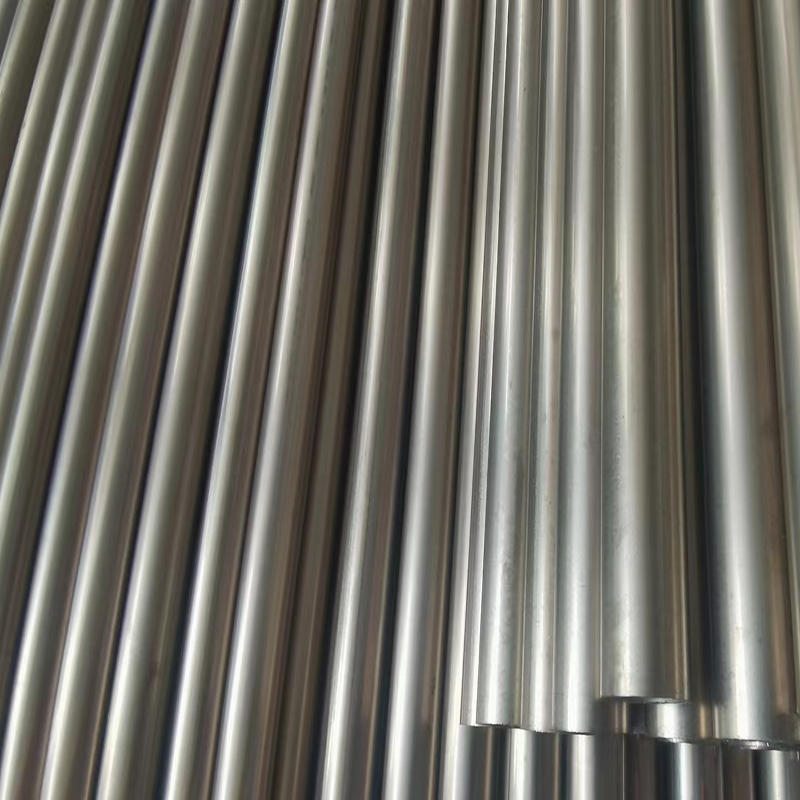
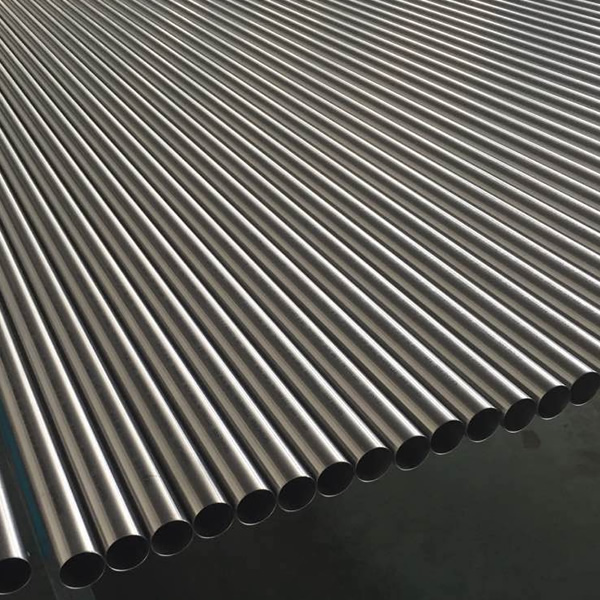
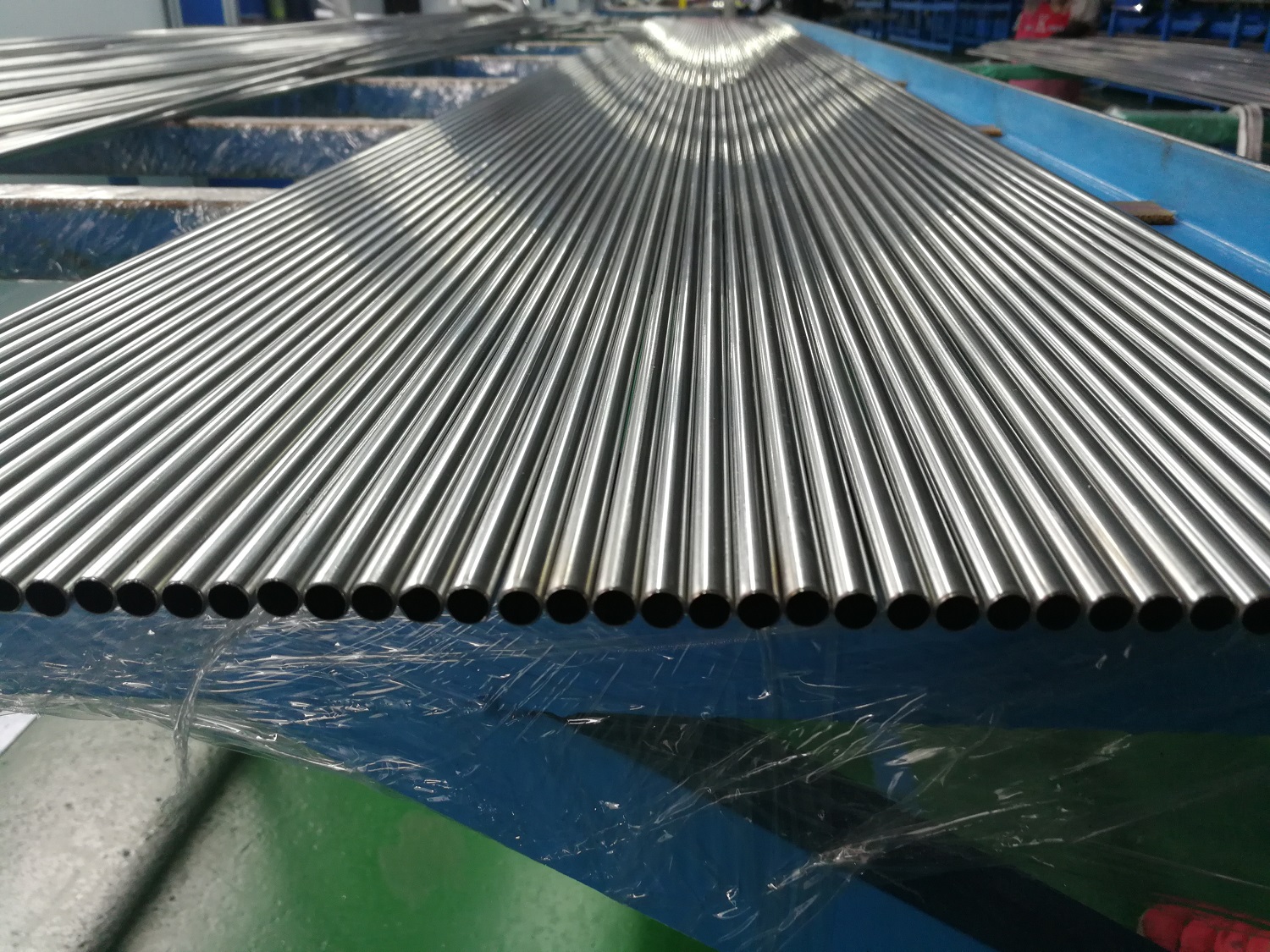
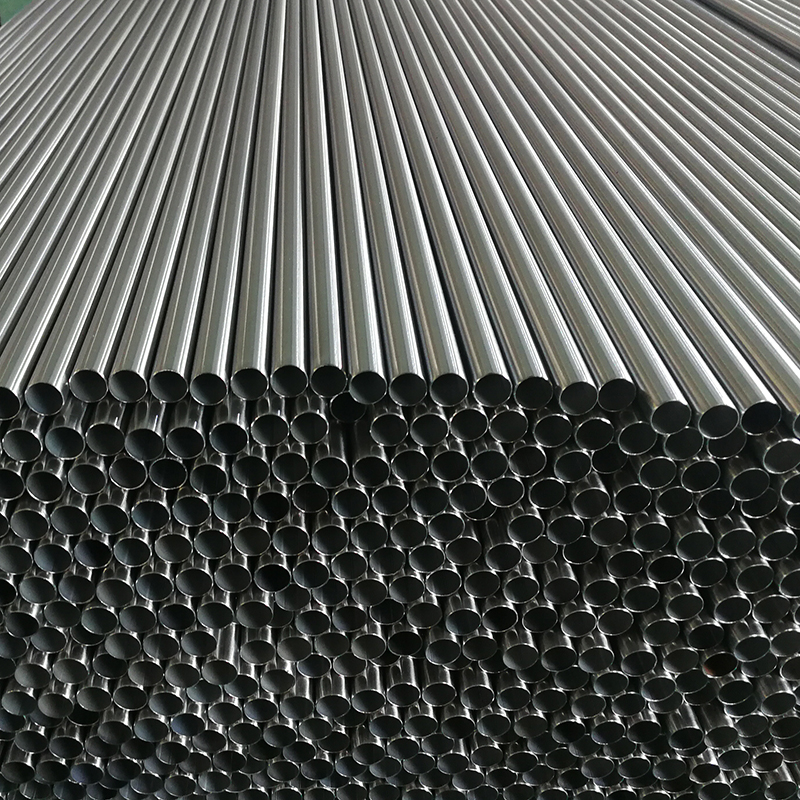
Heating element tubes are metal tubes used as sheath, protection or structural tube materials for electric heating elements, tubular heaters, U-shaped heaters, cartridge heaters, immersion heaters, boiler heaters, dryer heaters and industrial process heaters. The tube protects the internal resistance wire, magnesium oxide or insulation material, and the heater assembly from water, air, oil, detergent solution, chemical liquid or process media.
Which tube materials should be reviewed for heating element applications?
Heating element tubes can be reviewed in stainless steel, ESHR-03 for selected water-contact heaters, Incoloy, Inconel, Hastelloy and titanium directions. The material should not be selected by grade name alone because heater design, medium chemistry, sheath temperature, watt density, forming route and customer approval remain critical.
Can GAOFA TECH supply tubes for U-shaped tubular heating elements?
GAOFA TECH can review tube supply for straight and U-shaped tubular heating element applications. The buyer should provide tube size, material grade, bending radius, heater drawing, annealing requirement, working medium, temperature and inspection requirement before quotation. Suitability depends on tube material, wall thickness, forming process and customer specification.
What should be confirmed before bending tubes for tubular heaters?
Before bending tubes for tubular heaters, buyers should confirm material grade, OD, wall thickness, bend radius, annealing condition, weld seam condition if welded tube is used, surface condition and downstream filling or compaction process. Tight bending or U-shaped heaters may require additional forming review before bulk production.
When is stainless steel enough for heating element tubes?
Stainless steel may be enough for general water heating, air heating, oil heating and appliance heater applications where corrosion conditions are moderate and customer specifications allow stainless steel. High chloride water, hard water scale, detergent chemicals, acid / alkali exposure, dry-firing risk or previous corrosion failure may require further material review. ESHR-03 is a project-specific candidate for water-contact heater sheaths; Incoloy, titanium or nickel alloy directions may also be reviewed as applicable.
When should Incoloy 800 or Incoloy 840 be reviewed?
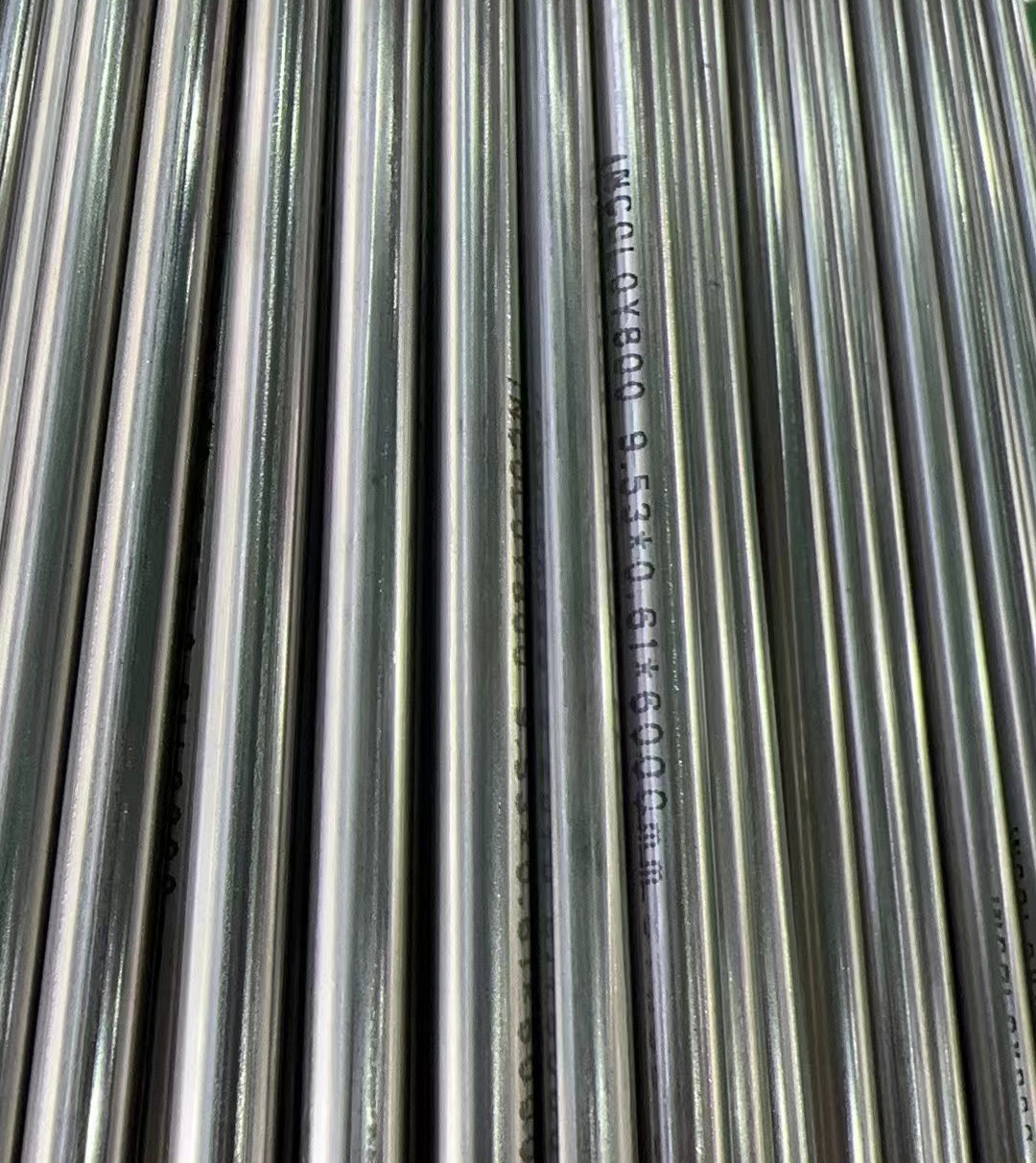
Incoloy 800 and Incoloy 840 are commonly reviewed when the application requires higher temperature resistance, oxidation resistance or more demanding corrosion resistance than common stainless steel. Incoloy 800 is often reviewed for industrial heaters, air heating, dry heat and thermal equipment. Incoloy 840 is often reviewed for water heating elements, boiler heaters, tubular heaters and selected immersion heater applications.
When should titanium Gr1 or Gr2 be reviewed for heating element tubes?
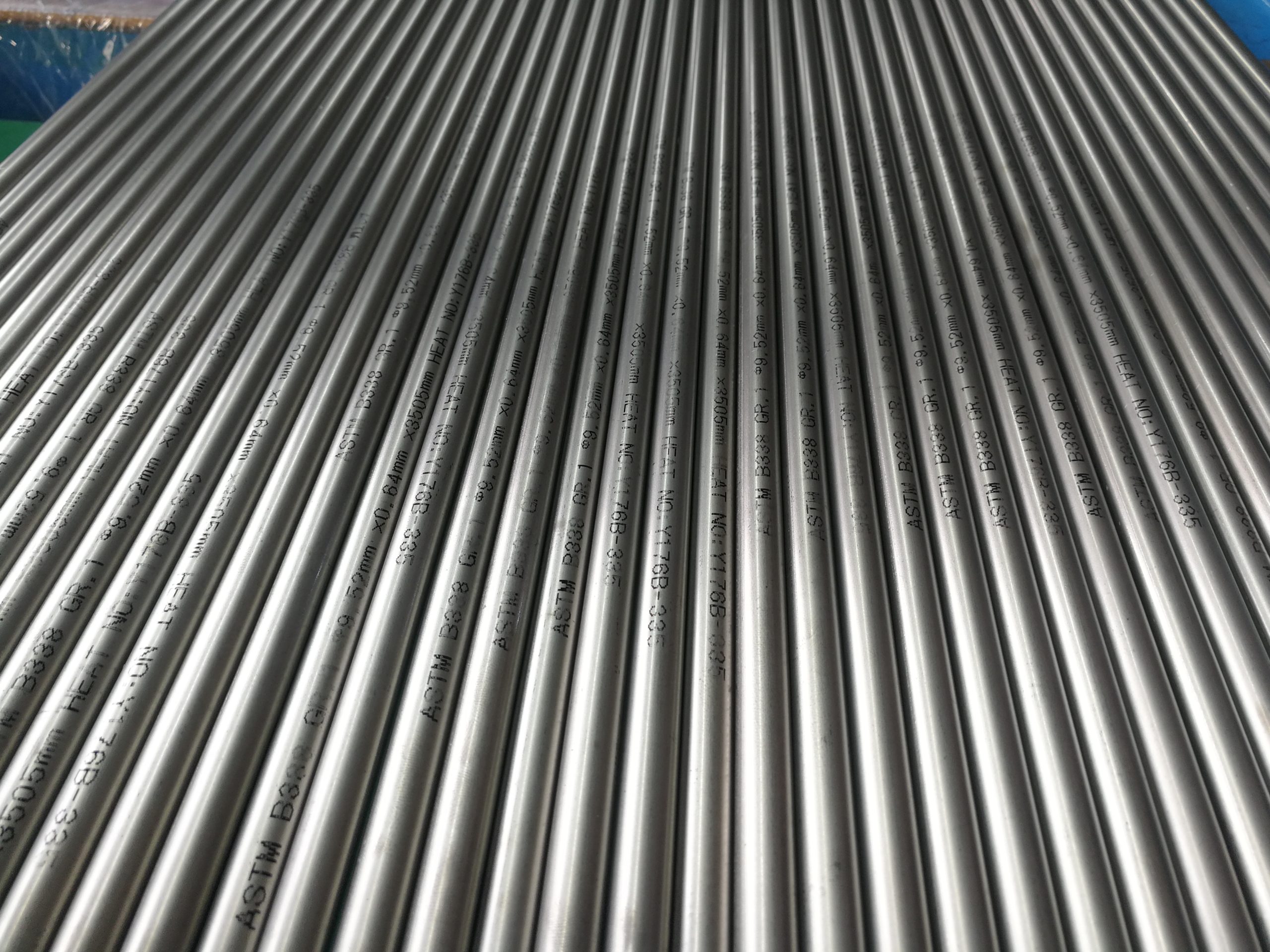
Titanium Gr1 and Gr2 tubes may be reviewed for selected heating element applications where corrosion resistance in water, chloride-related environments, detergent solution or selected chemical liquids is important. Typical review directions include dishwasher boiler heaters, glasswasher boiler heaters, selected boiler heaters, detergent or cleaning solution heating, nonwoven equipment heaters and selected corrosive liquid heaters.
Can ESHR-03 (formerly described as 310S-Mo) replace Incoloy 840 in water heating elements?
ESHR-03 may be evaluated as a project-specific Mo-modified stainless steel candidate for selected water-contact heater sheath projects. It should not be treated as a direct universal replacement for Incoloy 840. Suitability depends on water chemistry, chloride level, hardness, scale, operating temperature, sheath temperature, heater design, bending process, testing route and customer approval.
Why are clean and dry tubes important for heating element manufacturing?
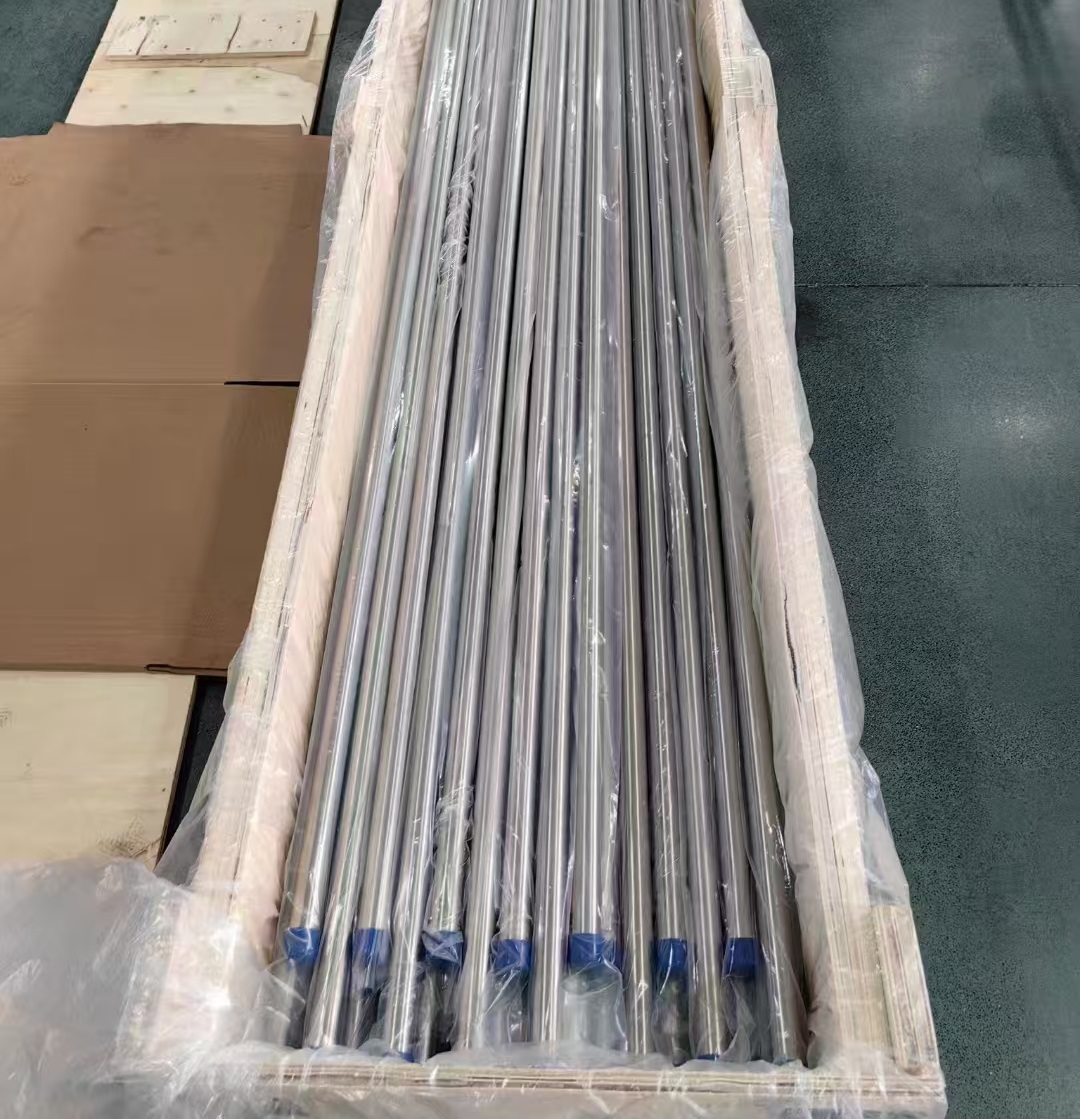
For heater sheath tube projects, clean ID and dry delivery are basic supply controls. Moisture, oil, dirt or contamination inside the tube may affect filling, compaction, welding, storage and heater assembly. In finished heating elements, moisture-related contamination may contribute to lower insulation resistance or electrical reliability problems.
How should thin-wall heating element tubes be packed for export?
Heating element tubes are often thin-wall tubes, and some common heater sheath tube projects use wall thickness around 0.5–0.8 mm. These tubes are sensitive to bending, denting, end damage and moisture exposure during long-distance shipment. Export packing should be reviewed according to tube size, wall thickness, length, bundle weight, shipping method and destination.
What should be reviewed for immersion heater tubes or water heating element tubes?
For immersion heater tubes and water heating element tubes, buyers should review water quality, chloride level, hardness, scale formation, dry-heating risk, watt density, operating temperature, pressure, cleaning chemicals and existing failure mode. Materials such as 304 / 316L, Incoloy 840, ESHR-03 for selected water-contact sheaths, titanium Gr1 / Gr2 and selected nickel alloy directions may be reviewed according to actual water conditions and customer specification.
What should be reviewed for air heating element tubes?
For air heating element tubes, the key factors include dry heat, high sheath temperature, oxidation, thermal cycling, airflow, watt density and operating cycle. 304, 321, 310S, Incoloy 800, Inconel 600 / 601 and other high-temperature tube directions may be reviewed depending on actual service temperature and customer requirement.
Can acid resistant heating element tubes be reviewed if the liquid is corrosive?
Yes. Acid resistant or corrosive liquid heating element tubes can be reviewed when the buyer provides full liquid chemistry, acid type, concentration, chloride content, pH, temperature, deposits, watt density, heater design and previous corrosion history. Incoloy 825, Inconel 625, Hastelloy C276 / C22, titanium and selected stainless or nickel alloy directions may be considered depending on the actual condition.
What information is needed before requesting a heating element tube quotation?
Please provide material grade, tube form, OD, wall thickness, length, quantity, heater type, working medium, temperature, pressure, watt density, corrosion condition, bending or forming process, annealing or heat treatment condition if specified, inspection requirement, packing requirement and destination.