
Condenser & Evaporator Tubes
Stainless Steel, Titanium, Nickel Alloy and Enhanced Tubes for Condensers, Evaporators, Refrigeration Equipment and Corrosive Cooling Systems
GAOFA TECH supplies condenser and evaporator tubes for shell and tube heat exchanger condensers, evaporators, industrial refrigeration equipment, chillers, seawater cooling systems, brine cooling, chemical condensers and corrosive heat transfer applications.
Tube material and structure should be reviewed according to refrigerant, cooling water, brine, seawater, process medium, temperature, pressure, chloride level, fouling, cleaning method, heat transfer requirement and customer specification.
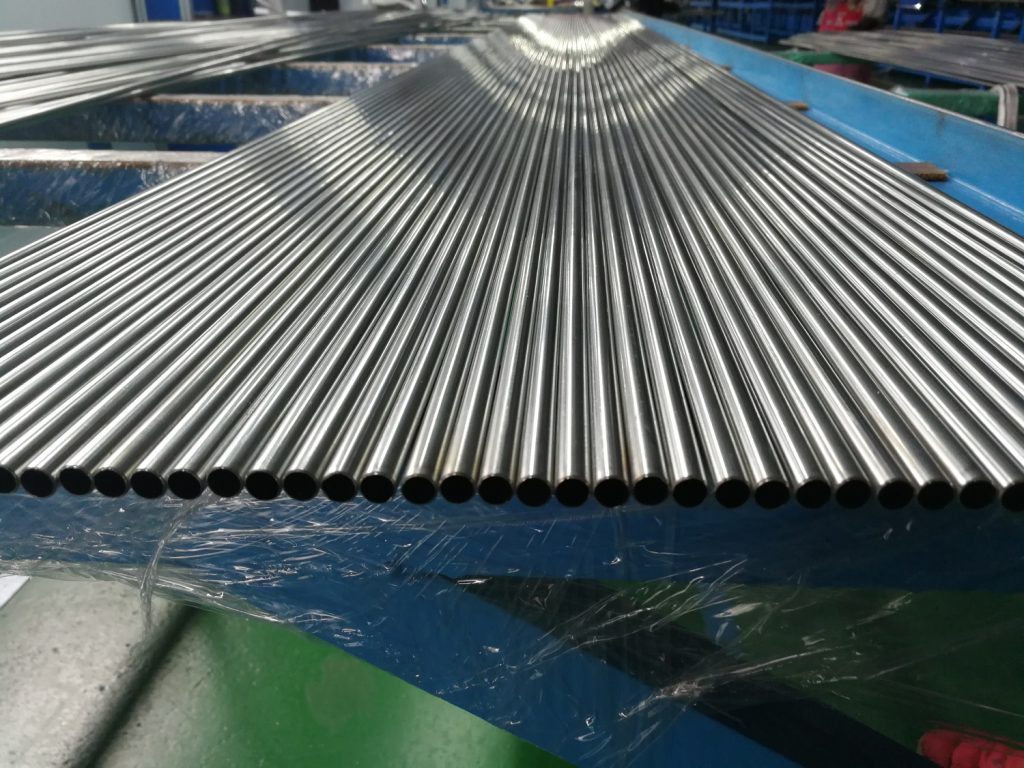
Condenser and Evaporator Tube Supply Scope
This page focuses on condenser and evaporator tube selection, not general heat exchanger tube selection. It is intended for buyers searching for condenser tubes, evaporator tubes, refrigeration tubes, shell and tube condenser tubes, shell and tube evaporator tubes, seawater condenser tubes, brine cooler tubes and enhanced tubes for thermal equipment.
For condensation, evaporation, refrigeration, cooling, heat pumps, marine cooling and process cooling service.
Material review can include 304, 316L, 317L, duplex, titanium, Incoloy, Inconel and Hastelloy directions.
Low fin tubes and inner grooved tubes can be reviewed when heat transfer area, equipment size or performance needs review.
Final tube choice depends on refrigerant, cooling water, brine, seawater, chemical media and customer specification.
How This Page Differs from General Heat Exchanger Tubes
Condensers and evaporators are types of heat exchangers, but condenser and evaporator tube selection focuses more specifically on condensation, evaporation, refrigerant, cooling water, brine, seawater, fouling, cleaning, corrosion and heat transfer performance under refrigeration or process cooling conditions.
The general heat exchanger tube page explains broad material selection for heat exchangers. This page is written for equipment manufacturers and buyers who need tubes for condensers, evaporators, chillers, industrial refrigeration equipment, marine cooling systems and chemical process cooling units.
GAOFA TECH can review smooth tubes, welded tubes, seamless tubes, low fin tubes, inner grooved tubes, titanium tubes, stainless steel tubes and nickel alloy tubes according to customer drawings, working medium and inspection requirements.
Do Not Select Condenser and Evaporator Tubes by Material Name Alone
A condenser tube or evaporator tube should be selected by working condition, not only by grade name. The same tube material may perform differently depending on refrigerant, water chemistry, chloride level, acid condensate, brine concentration, temperature, pressure, fouling and cleaning method.
- For condensers, review cooling water, seawater, vapor composition, condensate chemistry and tube-side / shell-side corrosion.
- For evaporators, review refrigerant, brine, evaporation concentration, scaling, cleaning and low-temperature behavior.
- For enhanced tubes, review heat transfer gain together with fouling, cleaning, pressure drop and tube sheet connection.
- For copper replacement projects, review thermal performance, corrosion mechanism and assembly method before changing material.
Tube Selection for Condensation and Evaporation Service
Condenser and evaporator tubes should be reviewed not only by corrosion resistance, but also by phase-change heat transfer behavior. Condensation, evaporation, oil film retention, nucleate boiling, refrigerant compatibility, brine concentration, fouling and cleaning method can all affect tube material and tube structure selection.
| Service Condition | Tube Design Focus | Tube Options to Review |
|---|---|---|
| Condensation service | Condensate film behavior, cooling-side corrosion, external / internal surface area and overall heat transfer resistance. | Stainless steel tubes, titanium tubes, nickel alloy tubes and low fin tubes according to cooling medium and corrosion condition. |
| Evaporation service | Nucleate boiling, refrigerant distribution, oil film retention, scaling, pressure drop and cleaning method. | Smooth tubes, inner grooved tubes and enhanced tubes according to refrigerant, flow condition and customer drawing. |
| DX evaporators and chillers | Refrigerant flow pattern, internal-side heat transfer, oil film control, groove geometry and cleanliness. | Inner grooved tubes may be reviewed when internal enhancement is required by design. |
| Seawater condensers | Chloride corrosion, crevice design, galvanic contact, fouling, suspended solids and cleaning method. | Titanium Gr2 / Gr12 tubes, with selected nickel alloy directions by review. |
| Brine coolers | Brine type, concentration, low-temperature condition, oxygen content, inhibitor control, pH and corrosion history. | 316L, 2205 and 2507 stainless steel tubes, titanium Gr2 / Gr12 or nickel alloy tubes by review. |
Tube Material Selection by Condenser and Evaporator Working Conditions
The table below is a material review guide, not a final material guarantee. Final tube selection depends on refrigerant, cooling water, brine, seawater, chemical medium, temperature, pressure, chloride level, fouling, cleaning method, heat transfer requirement, fabrication process and customer specification.
| Working Condition | Tube Materials to Review | Engineering Notes |
|---|---|---|
| Clean water / mild cooling water | 304 / 304L / 316L stainless steel tubes | Suitable for general cooling water review, but chloride level, scaling tendency, cleaning method and operating temperature should still be checked. |
| General industrial cooling water | 316L / 317L / 2205 stainless steel tubes | Review pitting corrosion, crevice corrosion, fouling, cleaning chemicals, tube sheet material and whether 316L is enough for the actual water chemistry. |
| Higher chloride cooling water | 2205 / 2507 duplex stainless steel, titanium Gr2 / Gr12 | When chloride level, temperature or crevice risk increases, common 304 / 316L may not be enough. Duplex stainless steel or titanium may need review according to service condition. |
| Direct seawater cooling / marine condensers | Titanium Gr2 / Gr12 tubes, selected nickel alloy tubes by review | Titanium is commonly reviewed for seawater condensers and marine cooling systems. Tube sheet material, galvanic contact, crevice design, fouling, suspended solids and cleaning method should still be reviewed. |
| Low-temperature brine coolers | 316L / 2205 / 2507 stainless steel, titanium Gr2 / Gr12, nickel alloy tubes by review | Do not treat all brine as seawater. Sodium chloride brine, calcium chloride brine, glycol-based solutions and inhibited brine can create different corrosion risks. |
| Ammonia R717 refrigeration systems | Stainless steel or other approved materials by equipment specification | Copper and copper alloys are generally not used in contact with ammonia. Material choice should follow refrigerant side, oil, pressure, cleaning method, equipment standard and end-user approval. |
| Freon / HFC / HFO refrigerant systems | Stainless steel, copper alloy replacement materials, titanium or enhanced tubes by review | Review refrigerant, oil compatibility, tube-side medium, system design, pressure drop, cleaning method and whether enhanced internal geometry is required. |
| DX evaporator / refrigerant-side evaporation | Inner grooved tubes, smooth tubes and enhanced tube directions by drawing | Review refrigerant distribution, oil film retention, nucleate boiling, groove geometry, pressure drop and cleanliness before selecting an inner grooved tube. |
| Acidic condensate / chemical vapor condensation | Incoloy 825, Inconel 625, Hastelloy C276 / C22 / C4 | Requires full chemistry review, including acid type, concentration, chloride level, impurities, acid dew point, condensate composition, temperature and pressure. |
| Chemical evaporator service | Incoloy 825, Inconel 625, Hastelloy C276 / C22 / C4, titanium by review | Depends on process medium, evaporation concentration, scaling, cleaning, corrosion mechanism and whether the medium becomes more aggressive during concentration. |
| Limited heat transfer area or compact equipment design | Low fin tubes, inner grooved tubes and other enhanced heat transfer tubes | Enhanced tubes may help when heat transfer area or equipment size is limited, but fouling, cleaning, pressure drop and tube expansion must be reviewed. |
| Copper tube replacement | Stainless steel, titanium, nickel alloy or enhanced tubes | Replacement is not only a material issue. Thermal conductivity drop, wall thickness, OD, tube pitch, tube sheet connection, pressure drop and overall heat transfer coefficient must be checked. |
Condenser Tubes for Cooling Water, Seawater, Refrigeration and Chemical Vapor Condensation
Condenser tubes are used where vapor or refrigerant is condensed by cooling water, seawater, brine, air-assisted systems or process cooling media. Tube selection should consider both heat transfer performance and corrosion resistance on the tube side and shell side.
GAOFA TECH can review stainless steel condenser tubes, titanium condenser tubes, nickel alloy condenser tubes and enhanced condenser tubes according to the condenser design, working medium and drawing requirements.
- Shell and tube condensers
- Industrial refrigeration condensers
- Chiller condenser tubes
- Marine and seawater condensers
- Chemical process condensers
- Acid vapor or corrosive condensate condensers
Key Information Before Material Selection
- What is the cooling medium: clean water, industrial water, seawater, brine or process liquid?
- Is there chloride, acid condensate, ammonia, sulfide, organic vapor or other corrosive media?
- What are the inlet / outlet temperatures and design pressure?
- Is fouling, scaling or mechanical cleaning expected?
- Will the tube be expanded, welded, U-bent, straight cut or supplied as coil tube?
- Is the project a new condenser, replacement tube project or copper alloy replacement project?
Evaporator Tubes for Refrigerant, Brine, Chillers and Process Evaporation
Evaporator tubes are used where refrigerant, brine, water, process liquid or chemical media are evaporated, cooled or concentrated. Tube selection should consider evaporation temperature, refrigerant compatibility, concentration change, scaling, cleaning and corrosion risk.
Smooth tubes and enhanced tubes can both be reviewed. Inner grooved tubes may be reviewed for selected refrigeration and heat transfer applications, while low fin tubes may be reviewed where external surface area or thermal performance needs improvement.
What Should Be Checked for Evaporator Tubes?
- What is the refrigerant or process medium?
- Is the evaporator used for water chilling, brine cooling, heat pump service or chemical evaporation?
- Does the medium become more concentrated during evaporation?
- Is scaling, crystallization, fouling or chemical cleaning expected?
- Is enhanced heat transfer required to reduce size or improve performance?
- Is the tube material compatible with refrigerant, oil, cleaning chemicals and equipment standard?
Stainless Steel, Titanium and Nickel Alloy Tubes for Condensers and Evaporators
Material choice should be based on the working medium and equipment design. Stainless steel may be practical for many industrial cooling applications, titanium is commonly reviewed for seawater and chloride-rich cooling, while nickel alloys and Hastelloy grades may be reviewed for acid, chemical vapor or severe corrosion conditions.
Stainless Steel Tubes
304, 316L, 317L, duplex and super duplex directions may be reviewed for cooling water, refrigeration and selected condenser / evaporator applications.
View Stainless Steel Tubes →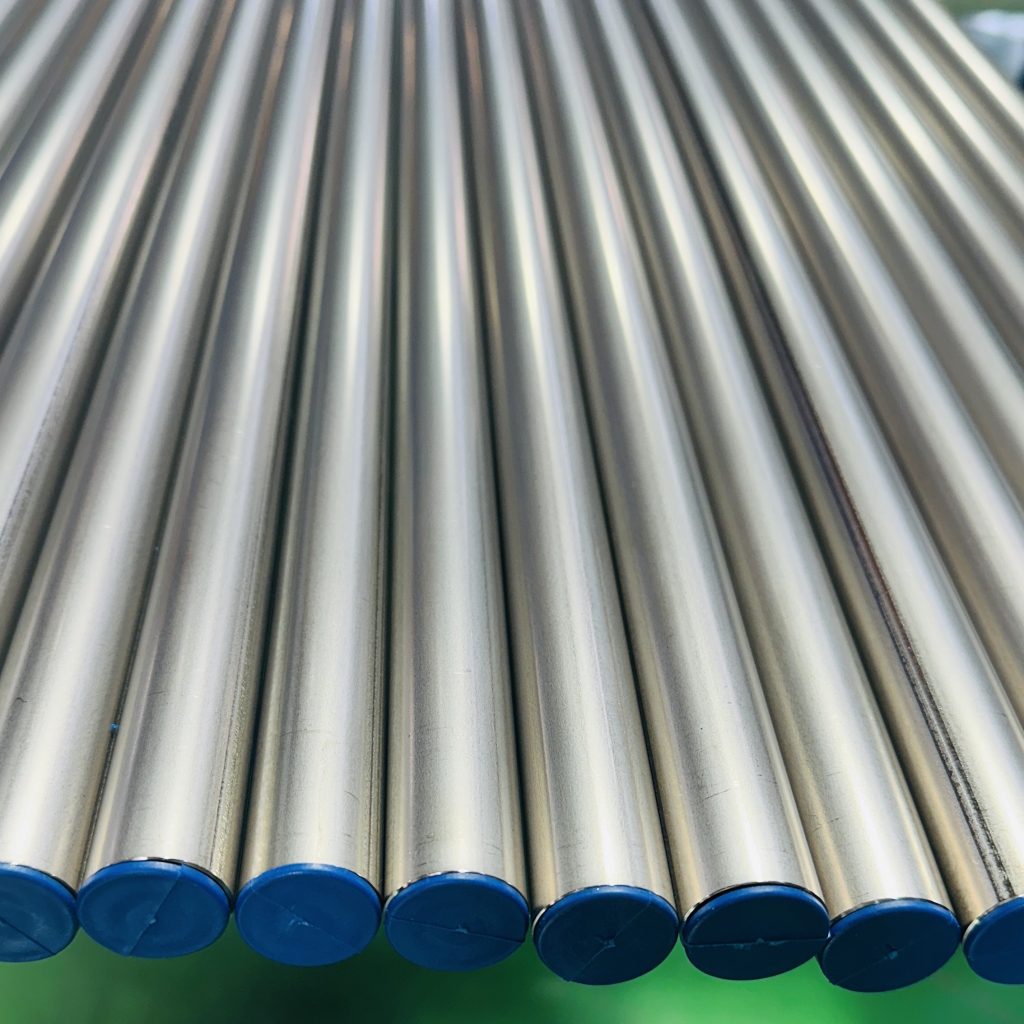
Titanium Tubes
Titanium Gr2 and Gr12 are commonly reviewed for seawater condensers, marine cooling systems and chloride-rich cooling water applications.
View Titanium Tubes →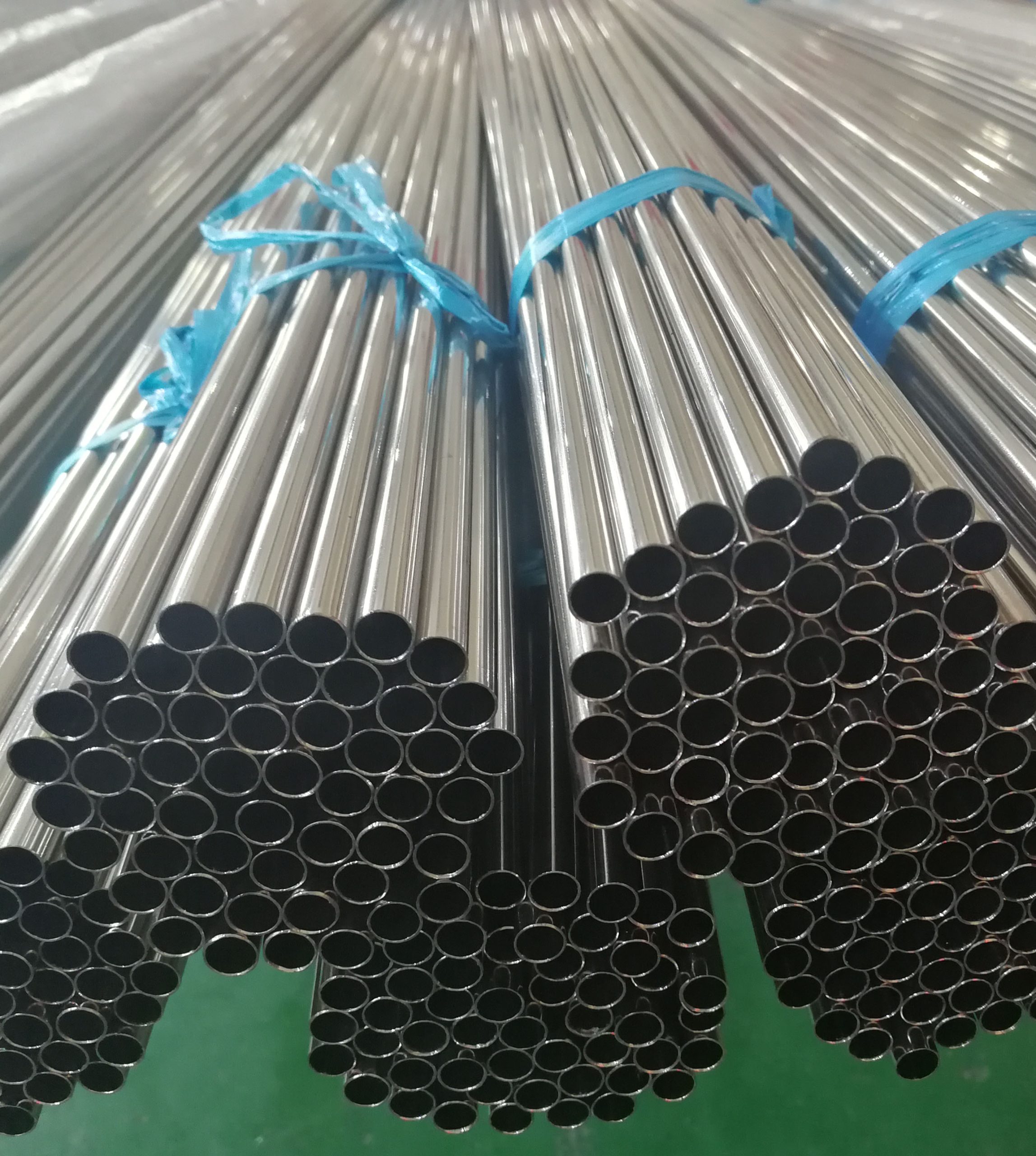
Nickel Alloy Tubes
Incoloy 825, Inconel 625, Hastelloy C276 and C22 may be reviewed for acidic condensate, chemical vapor and severe corrosion service.
View Nickel Alloy Tubes →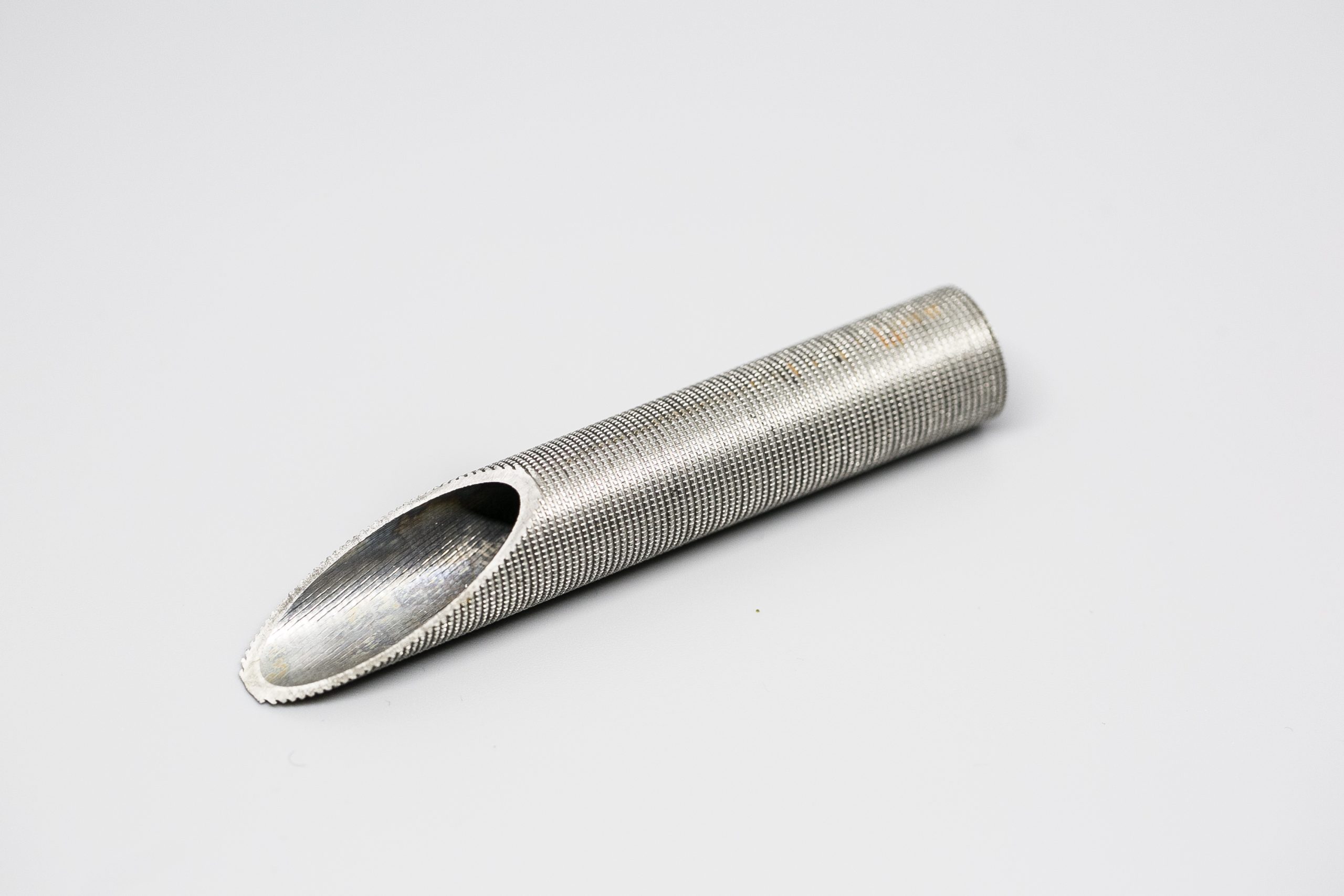
Enhanced Tubes
Low fin tubes and inner grooved tubes may be reviewed when heat transfer area, equipment size or thermal performance requires optimization.
View Enhanced Tubes →Enhanced Tubes for Condenser and Evaporator Applications
Condensers and evaporators are often limited not only by material corrosion resistance, but also by phase-change heat transfer behavior. Low fin tubes and inner grooved tubes may be reviewed when effective surface area, compact equipment design, refrigerant-side heat transfer or overall thermal performance needs improvement.
| Enhanced Tube Type | Application Review Direction | Important Review Points |
|---|---|---|
| Low Fin Tube | Condenser applications where external surface area, compact design or compensation for lower material thermal conductivity needs review. | Review fin geometry, tube material, fouling, cleaning method, tube expansion, tube sheet connection and whether fins can be maintained in service. |
| Stainless Steel Low Fin Tube | Industrial cooling water, refrigeration equipment and selected condenser / evaporator applications where stainless steel is accepted. | Review chloride level, corrosion risk, fin height, base wall thickness, tube fixing method and whether stainless steel is suitable for the medium. |
| Titanium Low Fin Tube | Seawater cooling, marine condensers, chloride-rich cooling water and corrosive condenser / evaporator applications. | Review galvanic corrosion, tube sheet material, crevice design, fouling, cleaning method, fin structure and customer approval. |
| Inner Grooved Tube | Selected evaporators, DX systems, chillers and refrigerant-side applications where internal heat transfer enhancement is required. | Review refrigerant, oil film retention, flow condition, groove geometry, nucleate boiling behavior, pressure drop, cleanliness and drawing approval. |
| Titanium Inner Grooved Tube | Special corrosion-resistant enhanced tube applications where titanium and internal groove structure both need review. | Review working medium, chloride level, groove geometry, tube wall, cleaning, pressure drop and equipment approval. |
Welded vs Seamless Tubes for Condensers and Evaporators
Welded and seamless tubes should not be treated as automatically interchangeable. Welded tubes should not be rejected only because they are welded, and seamless tubes are not automatically better for every condenser or evaporator project. The correct tube form depends on applicable standard, pressure, wall thickness, tube expansion, welding, bending, inspection requirement and customer specification.
| Selection Factor | Welded Tube Review | Seamless Tube Review |
|---|---|---|
| Typical Use Direction | Many stainless steel, titanium and nickel alloy condenser / evaporator tubes can be reviewed as welded tubes when accepted by design and specification. Stainless steel welded heat exchanger and condenser tubes are commonly specified under ASTM A249 / ASME SA249 when applicable. | Seamless tubes may be required by pressure, heavier wall, U-bend design, end-user specification, corrosive service or replacement project requirements. Stainless steel seamless heat exchanger tubes are commonly specified under ASTM A213 / ASME SA213 when applicable. |
| Heat Exchanger Assembly | Review weld condition, OD tolerance, straightness, tube expansion and tube-to-tube-sheet joint requirements. | Review OD / WT tolerance, tube expansion, U-bending, hydrostatic testing and material standard. |
| Inspection Focus | Eddy current testing, pneumatic testing, visual inspection and weld-related inspection may be reviewed according to order requirement. | UT, eddy current, hydrostatic testing, dimensional inspection and visual inspection may be reviewed according to specification. |
| Quotation Impact | Welded tubes may be practical for selected thin-wall sizes and larger quantity projects when accepted by the customer. | Seamless tubes may have different cost, MOQ and lead time depending on grade, size and production route. |
Inspection, Cleanliness and Packing for Condenser and Evaporator Tubes
Condenser and evaporator tubes often require stable OD, wall thickness, straightness, surface condition, internal cleanliness and tube end protection. Inspection scope should be confirmed before production according to tube material, standard and customer specification. Related inspection examples are summarized on the Quality Control page.
| Item | Purpose | Buyer Notes |
|---|---|---|
| Material Grade and MTC | Confirm heat number, chemical composition and mechanical properties. | Important for stainless steel, titanium, nickel alloy and Hastelloy tube procurement. |
| OD / WT / Length Inspection | Support tube expansion, tube sheet fitting, replacement tube matching and assembly. | Please confirm tolerance, cut length, straightness and plain end length if required. |
| Eddy Current / UT / Hydrostatic / Pneumatic Test | Review tube integrity according to applicable standard or order requirement. | Testing method and acceptance criteria should be agreed before production. |
| Surface and Internal Cleanliness | Support downstream assembly, refrigerant service, heat transfer performance and corrosion control. | Cleaning, drying, air blowing, sponge cleaning or end protection can be reviewed according to requirement. |
| Packing and Tube End Protection | Reduce tube damage, contamination and deformation during transport. | Bundle packing, wrapping, wooden case, tube end protection and packing photos can be discussed before shipment. |
Review Tube Inspection and Quality Control Details
GAOFA TECH can review dimensional inspection, visual inspection, PMI checking, eddy current testing, pneumatic testing, ultrasonic testing, internal cleanliness checking and packing review according to order requirements.
Operating Parameters Needed for Condenser and Evaporator Tube Quotation
A complete RFQ helps confirm the suitable material, tube form, enhanced tube structure, inspection scope, packing method and quotation accuracy. Buyers can also use the Tube Inquiry Checklist before sending drawings or replacement details. For condenser and evaporator projects, working condition information is as important as tube dimensions.
Please provide both the tube specification and the service condition, especially when the project involves HVAC-R equipment, seawater, NaCl or CaCl₂ brine, ammonia R717, refrigerant oil, acidic condensate, chemical vapor, copper tube replacement or enhanced tube design.
Best RFQ practice: If you are replacing copper alloy condenser tubes or changing from 304 / 316L to titanium or nickel alloy, please provide the existing material, failure mode, tube sheet material and target improvement.
- Equipment type: condenser, evaporator, DX evaporator, flooded evaporator, chiller, heat pump, brine cooler, ammonia refrigeration unit or chemical condenser
- Tube material grade or candidate materials: stainless steel, titanium, nickel alloy, Hastelloy, duplex, customer grade or existing material
- Tube form: welded, seamless, straight length, U-bent, low fin, inner grooved or other enhanced tube
- Tube OD, wall thickness, length, tolerance, plain end length, quantity and bundle arrangement if available
- Tube-side and shell-side media, including refrigerant, cooling water, seawater, brine, process liquid or chemical vapor
- Refrigerant type, oil compatibility and whether ammonia R717, HFC, HFO, Freon-based refrigerant or other refrigerant is involved
- Temperature, pressure, flow velocity, chloride level, pH, brine type and concentration, acid type, impurities and fouling tendency
- Tube sheet material, tube fixing method, expansion, welding, bending, U-bending, cutting, annealing or end forming requirement
- Whether enhanced heat transfer, low fin structure, inner groove geometry or compact design is required
- Cleaning method, maintenance method, expected service life and existing failure mode if this is a replacement project
- Applicable standard, drawing, inspection requirement, MTC, test record, packing photos or carbon / CBAM-related documents if required
- Destination, Incoterms, packing requirement and expected delivery schedule
Send Your Condenser or Evaporator Tube Requirement
Please send tube material, OD, wall thickness, length, quantity, equipment type, working medium, temperature, pressure, corrosion condition, enhanced tube requirement, inspection scope and packing details. GAOFA TECH will review the suitable tube quotation according to your specification. You can also start from the Tube Inquiry Checklist if the project is still under material review.
Condenser & Evaporator Tubes FAQ
What distinct thermal and structural rules separate condenser and evaporator tubes from general heat exchanger tubing?
Condenser and evaporator tubes are heat exchanger tubes, but they are reviewed under more specific thermal and structural rules. Condensers must handle vapor condensation, condensate film behavior, cooling-side corrosion and overall thermal resistance. Evaporators must handle refrigerant distribution, nucleate boiling, oil film retention, pressure drop, scaling and low-temperature or brine conditions. Tube selection should therefore consider not only material grade, but also tube geometry, tube-side and shell-side media, flow velocity, fouling tendency, cleaning method, tube support design, vibration risk and customer specification.
How does phase change control condenser and evaporator tube geometry?
Phase change can change both the tube material review and tube structure review. In condenser service, engineers may review external surface area, condensate film removal, cooling water corrosion and tube-side / shell-side heat transfer balance. In evaporator service, engineers may review refrigerant-side boiling, oil film retention, internal grooves, pressure drop and cleanliness. Low fin tubes may be reviewed for condenser-side surface enhancement, while inner grooved tubes may be reviewed for selected evaporator or DX refrigeration applications. Final selection should follow thermal calculation, drawing and service condition review.
What tube materials are commonly reviewed for industrial condensers and evaporators?
Common tube materials include 304 / 316L / 321 stainless steel, 904L, 2205 / 2507 duplex stainless steel, titanium Gr2 / Gr12, Incoloy 825, Inconel 625 and Hastelloy C276 / C22 / C4. Smooth tubes, low fin tubes and inner grooved tubes may also be reviewed depending on thermal performance requirements. Material selection should be based on refrigerant, cooling water, brine, seawater, process medium, chloride level, pH, temperature, pressure, cleaning method, fouling tendency and customer specification.
When is stainless steel 304 / 316L / 321 sufficient for condenser and evaporator projects?
Stainless steel tubes may be sufficient for clean water, mild cooling water, general industrial water, air-side cooling and selected refrigeration applications where corrosion conditions are moderate and the customer specification allows stainless steel. 304 / 304L may be reviewed for mild service, while 316L or 321 may be reviewed when corrosion resistance or thermal stability requirements increase. However, chloride level, scale, cleaning chemicals, crevice areas, stagnant zones, brine concentration and operating temperature can increase pitting, crevice corrosion or stress corrosion cracking risk.
When should titanium Gr2 or Gr12 tubes be reviewed for seawater condensers?
Titanium Gr2 and Gr12 tubes are commonly reviewed for seawater condensers, marine cooling systems and chloride-rich cooling water because these services create pitting, crevice corrosion and galvanic corrosion concerns for many conventional materials. Gr2 is widely reviewed for seawater cooling, while Gr12 may be reviewed when the specification requires a more demanding titanium direction. Titanium selection should still consider tube sheet material, crevice design, galvanic contact, fouling, suspended solids, cleaning method, flow condition and end-user approval.
How should tube materials be reviewed for low-temperature brine coolers and industrial refrigeration systems?
Brine coolers should not be treated the same as direct seawater systems. Sodium chloride brine, calcium chloride brine, glycol-based solutions and inhibited brine can create different corrosion risks. 316L, 2205, 2507, titanium Gr2 / Gr12 or nickel alloy tubes may be reviewed depending on brine type, concentration, low-temperature condition, oxygen content, inhibitor control, pH, cleaning method and previous corrosion history. For replacement projects, the existing tube material and failure pattern should be reviewed before changing grade.
What tube material restrictions and specification points should be reviewed for Ammonia R717 refrigeration systems?
Ammonia R717 refrigeration systems should not be selected like common Freon-based systems. Copper and copper alloys are generally not used in contact with ammonia. Stainless steel, carbon steel or other approved materials may be reviewed according to equipment design, refrigerant side, oil, pressure, cleaning method, applicable standard and end-user approval. GAOFA TECH’s role is to review stainless steel, titanium or nickel alloy tube options when they match the drawing, standard and refrigeration equipment specification.
When do chemical process condensers require high-nickel alloys or Hastelloy tubes?
Chemical process condensers may require high-nickel alloy or Hastelloy tubes when vapor condensation creates acidic condensate, chloride-bearing condensate, acid dew point corrosion, mixed acid exposure or severe chemical corrosion. Incoloy 825 may be reviewed for selected acid service, Inconel 625 for chloride-rich or high-temperature corrosive conditions, and Hastelloy C276 / C22 / C4 for more aggressive mixed acid or chemical vapor environments. Full medium data, acid type, concentration, impurities, temperature, pressure and corrosion history are required before material review.
When should low fin tubes be used in condenser applications?
Low fin tubes may be reviewed for condenser applications when external surface area, compact equipment design or compensation for lower thermal conductivity needs review. They can increase effective surface area without simply increasing shell size, but suitability depends on tube material, fin geometry, base wall thickness, fouling tendency, cleaning method, tube expansion, tube sheet connection and maintenance access. For seawater or chloride-rich condensers, titanium low fin tubes may be reviewed when both corrosion resistance and enhanced surface area are required.
When should inner grooved tubes be used for DX evaporators and chillers?
Inner grooved tubes may be reviewed for selected DX evaporators, chillers and refrigerant-side evaporation applications where internal-side heat transfer enhancement is required. Groove geometry may help improve refrigerant-side heat transfer when the refrigerant, oil condition, flow pattern and pressure drop are suitable. However, inner grooved tubes should not be selected by groove name alone. Refrigerant type, oil film retention, nucleate boiling behavior, flow velocity, tube cleanliness, pressure drop and customer drawing should be reviewed.
Welded ASTM A249 / ASME SA249 vs. seamless ASTM A213 / ASME SA213 tubes: which should be reviewed for refrigeration projects?
Welded tubes should not be rejected only because they are welded, and seamless tubes are not automatically better for every condenser or evaporator project. ASTM A249 / ASME SA249 stainless welded tubes are commonly reviewed for heat exchanger and condenser tube applications when the design, pressure, corrosion condition, dimensional tolerance, NDT requirement and customer specification allow. ASTM A213 / ASME SA213 seamless tubes may still be required for higher pressure, heavier wall, U-bend design, special specifications or end-user approval.
How can fluid-induced vibration and fatigue cracking be reviewed in high-flow evaporator or condenser tube bundles?
Fluid-induced vibration and fatigue cracking are usually related to equipment design as well as tube quality. Flow velocity, unsupported tube span, baffle spacing, tube bundle layout, tube-to-tube-sheet connection, OD / WT tolerance, straightness and surface condition should be reviewed together. GAOFA TECH can support tube dimensional consistency, straightness, surface condition, inspection and packing control, but vibration risk must also be checked by the equipment designer according to flow condition and bundle structure.
What thermal and mechanical adjustments must be checked when replacing copper condenser tubes with stainless steel or titanium?
Copper tube replacement should not be treated as a direct material swap. Stainless steel and titanium offer corrosion-related advantages in selected conditions, but their thermal conductivity is different from copper alloys. Buyers should review wall thickness, OD, tube pitch, flow velocity, pressure drop, tube expansion or welding method, tube sheet material, galvanic corrosion, overall heat transfer coefficient and equipment output. Low fin tubes or inner grooved tubes may be reviewed when additional surface area or internal heat transfer enhancement is needed.
For a focused stainless-vs-copper heat exchanger review, see Can Stainless Steel Tubes Replace Copper Tubes in Heat Exchangers?. For selected designs retaining copper connection sections, see Stainless Steel Tubes with Copper Ends.
What operating parameters are needed before requesting condenser or evaporator tube quotation?
Please provide equipment type, tube material or candidate materials, OD, wall thickness, length, tolerance, quantity, welded or seamless requirement, tube-side and shell-side media, refrigerant type, oil compatibility, cooling water, seawater, brine or process medium data, temperature, pressure, flow velocity, chloride level, pH, brine type and concentration, cleaning method, tube sheet material, tube fixing method, inspection requirement, packing requirement and existing failure mode if this is a replacement project.