
TITANIUM INNER GROOVED TUBE
High-Performance Titanium Inner Grooved Tubes for Enhanced Heat Transfer and Corrosion Resistance
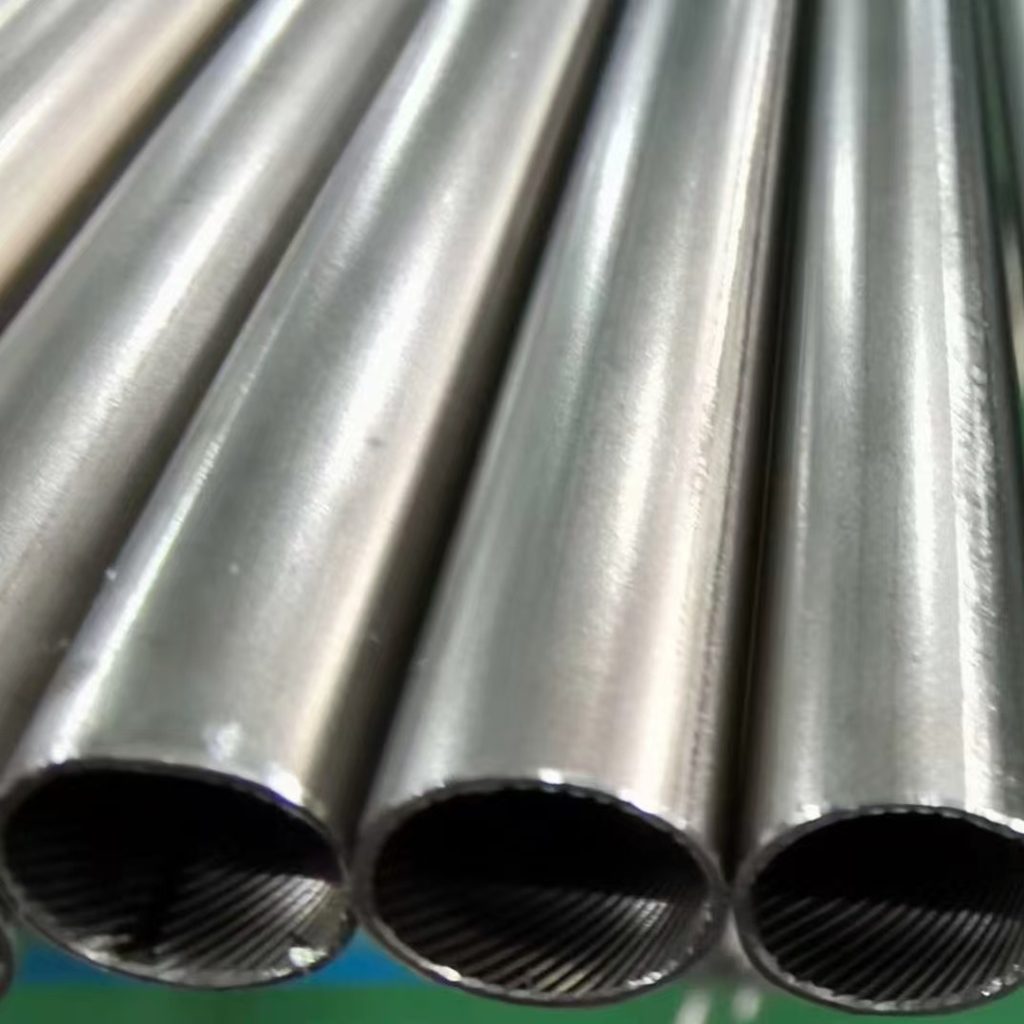
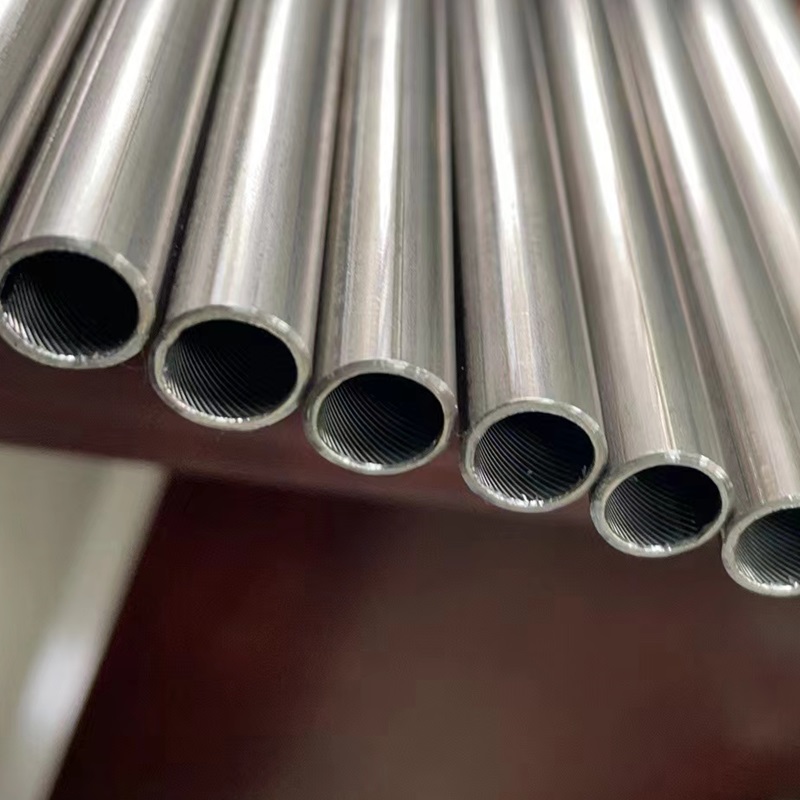
Titanium inner grooved tubes are specialized tubular products designed with internal helical or spiral grooves along their inner surface. These grooves enhance heat transfer efficiency by increasing the surface area and promoting better fluid turbulence. Made from high-grade titanium, these tubes offer excellent corrosion resistance, making them ideal for use in harsh environments such as chemical processing, marine applications, and HVAC systems.
Material selection, groove design and copper replacement feasibility should be reviewed according to working medium, corrosion conditions, flow rate, pressure drop, heat transfer target and customer specification.
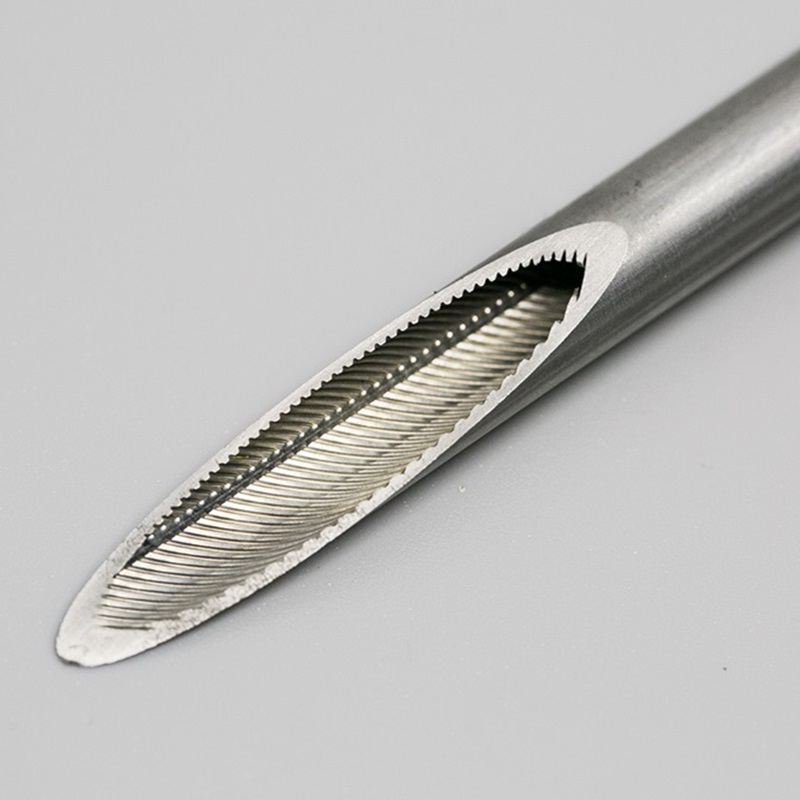
Titanium Inner Grooved Tube Specification
The following information keeps the existing product direction and common sizes. Final feasibility should be confirmed according to material, tube size, bottom wall thickness, groove geometry, drawing and application requirement.
Titanium Inner Grooved Tube and Stainless Steel Inner Grooved Tube
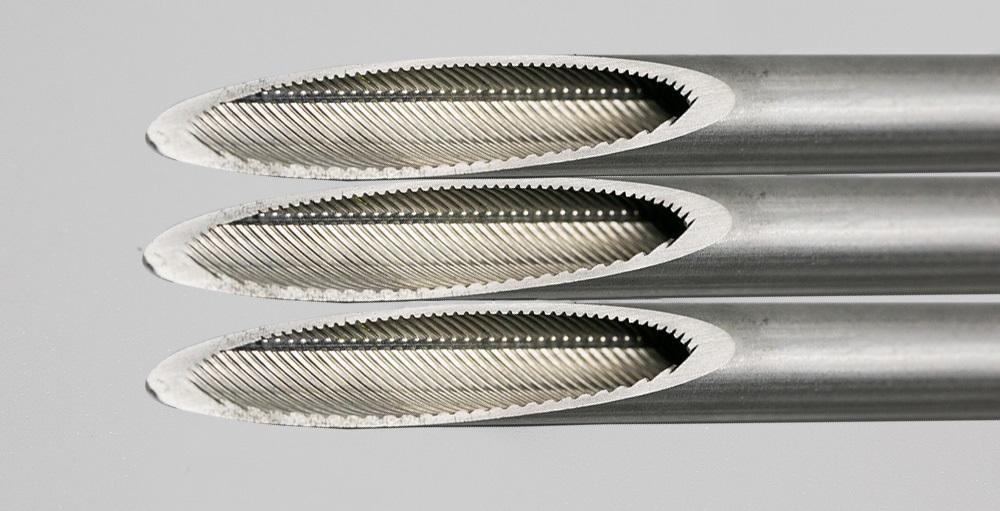
Titanium inner grooved tubes are known for their corrosion resistance, lightweight nature, and high strength. These tubes are designed with internal grooves that improve heat transfer by increasing surface area and inducing better fluid turbulence. Titanium’s natural resistance to seawater, chemicals, and high temperatures makes it a common material direction for demanding applications in marine, chemical processing, and advanced heat exchanger systems.
Stainless steel inner grooved tubes, while heavier than titanium, are widely used for their durability, general corrosion resistance, and cost-effectiveness. Stainless steel is suitable for less extreme environments, such as HVAC systems, automotive applications, and refrigeration units, where it may provide a reliable and economical solution.
Both titanium and stainless steel inner grooved tubes can be reviewed for enhanced heat transfer applications. Titanium is often considered for more aggressive or corrosive environments, while stainless steel is often reviewed where cost-efficiency, mechanical strength and general corrosion resistance are more important.
Need a Broader Inner Grooved Tube Material Comparison?
For a general overview of inner grooved tube material options, enhanced tube structures, stainless steel options, selected nickel alloy directions and RFQ details, review the GAOFA TECH material guide.
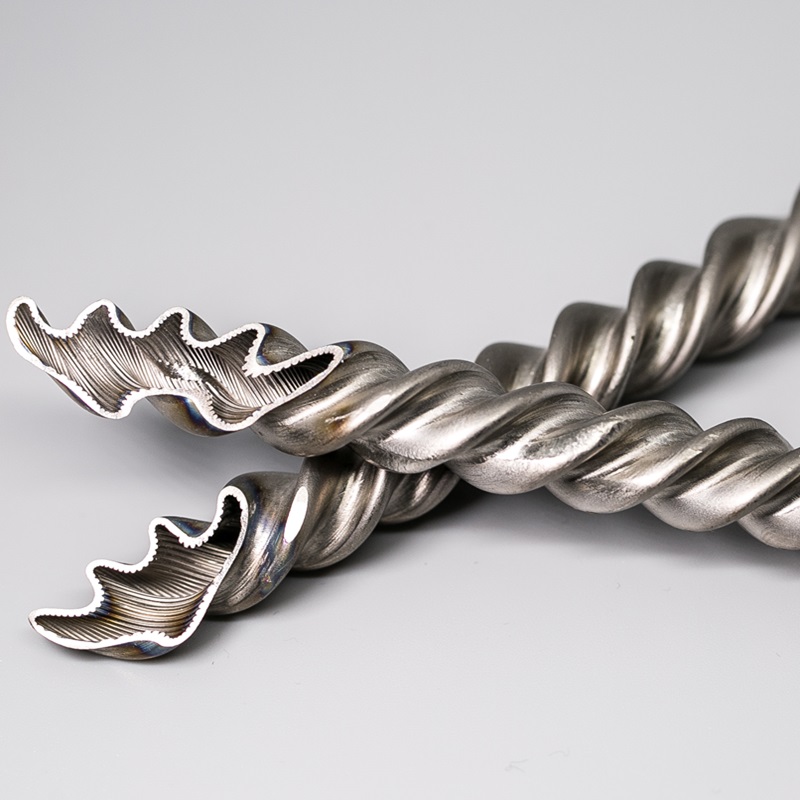
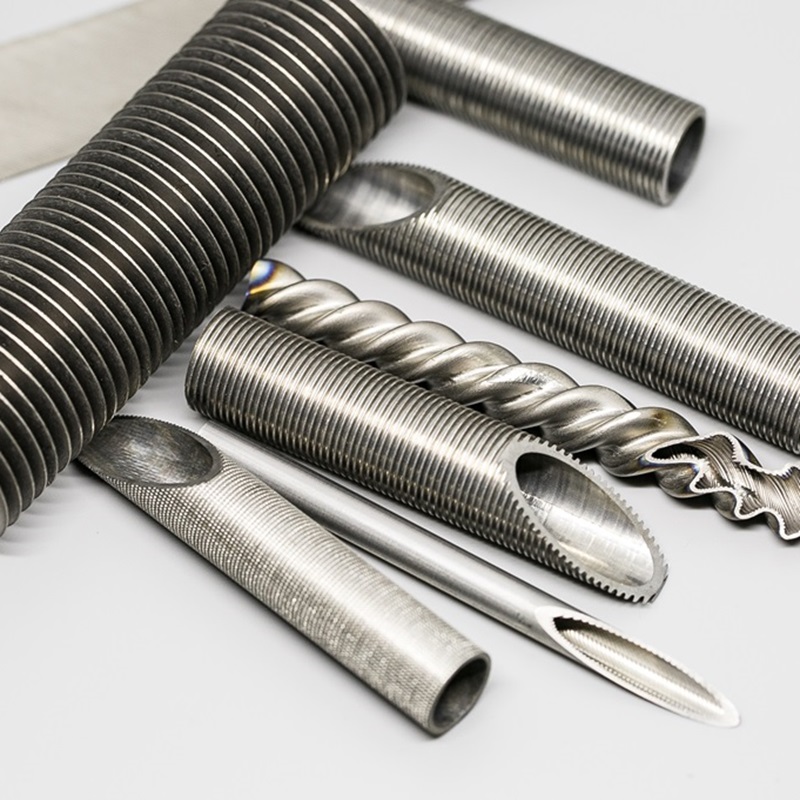
Inner Grooved Tube Product Images
Product images help buyers understand inner groove structure, tube end condition and available enhanced heat transfer tube directions.
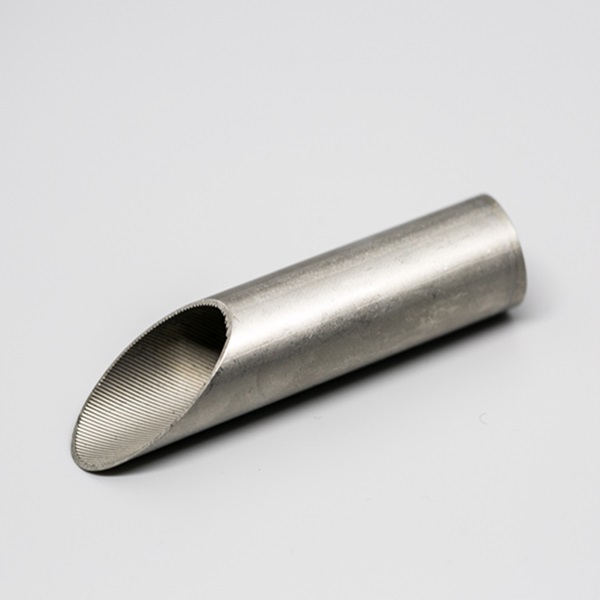
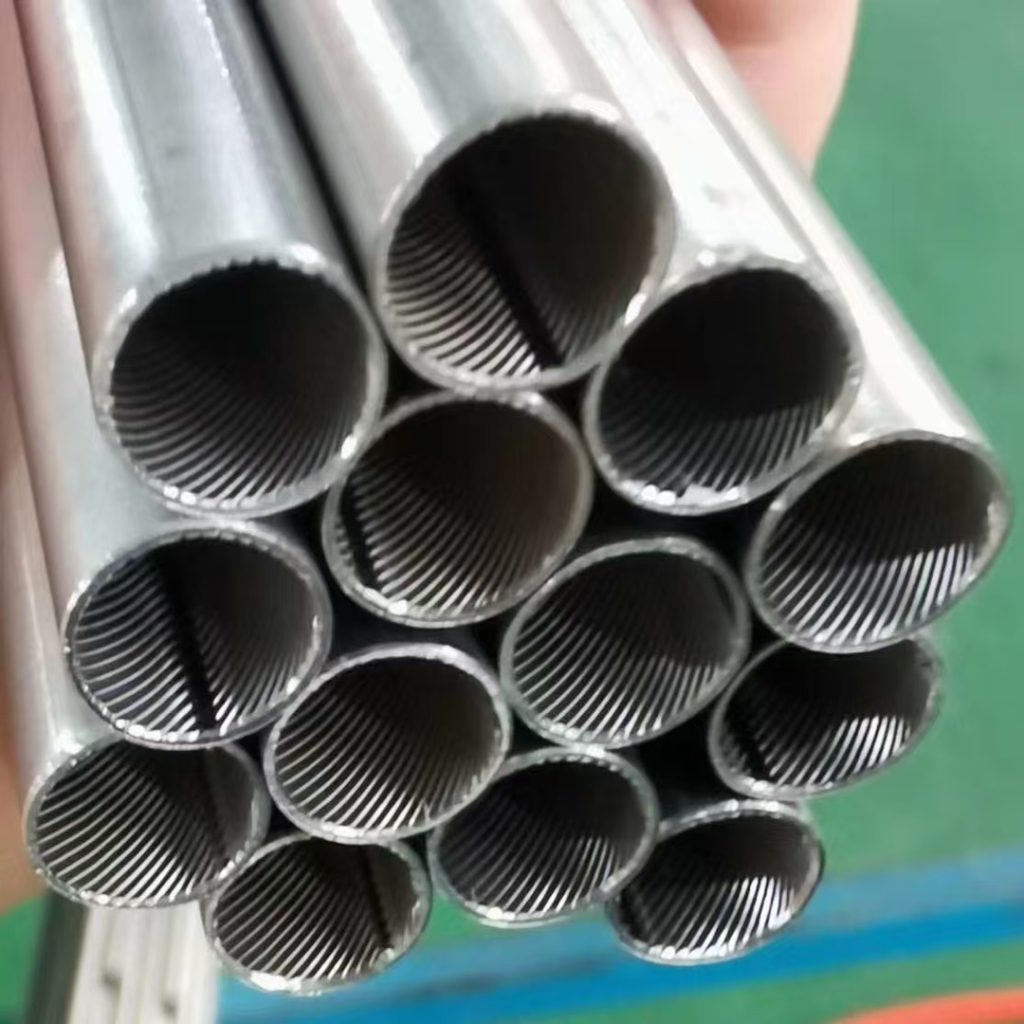
Groove Geometry and Drawing Review
For titanium inner grooved tubes, a clear drawing or sample is important. Groove geometry affects heat transfer, pressure drop, wall strength, manufacturability and inspection method.
| Item to Confirm | Typical Information Needed | Why It Matters |
|---|---|---|
| Tube OD | 7 mm, 7.94 mm, 9.52 mm, 12.7 mm or customer size | OD affects production route, tooling feasibility, tolerance and packing method. |
| Bottom Wall Thickness | 0.3 mm, 0.4 mm, 0.5 mm or drawing requirement | Bottom wall thickness is critical for strength, pressure resistance and groove forming feasibility. |
| Groove Depth | 0.1 mm, 0.12 mm, 0.13 mm, 0.14 mm, 0.15 mm, up to 0.2 mm depending on wall thickness | Groove depth should be selected according to wall thickness, heat transfer requirement and pressure drop. |
| Groove Pitch / Helix Angle | Drawing, sample or target design value | Pitch and helix angle influence turbulence, heat transfer behavior and pressure drop. |
| Material Grade | Titanium Gr1 / Gr2 or stainless steel 304 / 304L / 316L | Material should be selected according to corrosion conditions, working medium, cost target and fabrication process. |
| Delivery Condition | Straight tube, cut length, sample length or production length | Delivery condition affects inspection, packing, handling and downstream assembly. |
Applications of Titanium Inner Grooved Tubes
Titanium inner grooved tubes are mainly reviewed for heat transfer applications where corrosion resistance and internal surface enhancement are both important.
Evaporators
Inner grooved tubes may be reviewed for evaporator applications where internal surface enhancement is needed under suitable flow and refrigerant conditions.
Condensers
Titanium inner grooved tubes may be considered for condenser designs involving seawater, brine or chloride-containing cooling media.
Industrial Refrigeration
Inner grooved tubes can be discussed for refrigeration systems when heat transfer performance, pressure drop and cleaning conditions are reviewed together.
Seawater Cooling
Titanium is often considered for seawater and marine cooling applications, subject to chloride level, flow velocity, fouling risk and cleaning method.
Heat Exchanger Tubes
Enhanced internal geometry can be reviewed for heat exchanger designs where tube-side heat transfer is a key concern.
Chemical Cooling
Titanium inner grooved tubes may be reviewed for selected chemical cooling applications where corrosion resistance is required by the working medium.
Can Titanium or Stainless Steel Inner Grooved Tubes Replace Copper Tubes?
In some refrigeration, condenser, evaporator and heat exchanger applications, buyers are reviewing titanium or stainless steel tubes as possible alternatives to copper tubes due to copper price pressure, corrosion requirements, water quality, maintenance cost and lifecycle cost concerns.
| Material | Typical Thermal Conductivity | Compared with Copper | Selection Notes |
|---|---|---|---|
| Copper | Around 386–400 W/m·K | Reference material | Very high thermal conductivity, but cost, corrosion behavior, copper oxide film, scale and long-term fouling should be reviewed according to working medium and application. |
| Titanium Gr1 / Gr2 | Around 16–19 W/m·K | About 4%–5% of copper by material conductivity | Often considered for seawater, brine, chloride-containing cooling and corrosive environments where corrosion resistance and long-term cleanliness may be more important than material conductivity alone. |
| 304 / 316L Stainless Steel | Around 14–16 W/m·K | About 4% of copper by material conductivity | May be reviewed for cost-sensitive refrigeration or heat exchanger applications where stainless steel corrosion resistance and mechanical strength are acceptable for the working medium. |
Overall Heat Transfer Performance Is Not the Same as Material Thermal Conductivity
In industrial heat exchanger design, material thermal conductivity should not be treated as the same as overall heat transfer performance. Although copper has much higher material thermal conductivity than titanium or stainless steel, actual heat exchanger performance also depends on wall thickness, tube geometry, tube-side and shell-side heat transfer coefficients, flow condition, pressure drop, fouling behavior, corrosion products, cleaning method and operating time.
In selected condenser, evaporator or refrigeration designs, titanium or stainless steel tube solutions may achieve practical heat transfer performance much closer to copper-based designs than material conductivity alone would suggest. In long-term service, titanium or stainless steel tubes may also maintain more stable performance when copper tubes suffer from corrosion film, scale, fouling or maintenance-related degradation.
For inner grooved tubes, the internal groove geometry can increase surface area and promote turbulence. This may help offset part of the lower material conductivity of titanium or stainless steel in selected designs. However, the final result should be confirmed by thermal calculation, pressure drop review, prototype testing or customer design approval.
Why Buyers Review Copper Alternatives
Copper price pressure, corrosion risk, water quality, chloride content and maintenance concerns may lead refrigeration and heat exchanger manufacturers to review titanium or stainless steel tube options.
Role of Inner Grooved Tube Design
Inner grooves can increase internal surface area and promote turbulence. In selected designs, this may help offset part of the lower material conductivity of titanium or stainless steel.
Cost and Lifecycle Review
Stainless steel may reduce exposure to copper price fluctuation in some projects. Titanium usually requires higher initial material cost, but may offer lifecycle advantages in corrosive media.
Titanium vs Stainless Steel Inner Grooved Tube
Titanium and stainless steel inner grooved tubes are not interchangeable only by size. Material selection should be reviewed according to corrosion conditions, working medium, temperature, pressure, cost target and heat transfer requirement.
| Comparison Item | Titanium Inner Grooved Tube | Stainless Steel Inner Grooved Tube |
|---|---|---|
| Common Grades | Grade 1, Grade 2 | 304, 304L, 316L and other stainless steel grades |
| Typical Selection Direction | Seawater, brine, chloride-containing cooling and selected corrosive heat transfer applications | General refrigeration, HVAC, industrial cooling and cost-sensitive heat transfer applications |
| Corrosion Consideration | Often considered where stainless steel may face corrosion risk, subject to actual medium and design conditions | Suitable for many general applications, but chloride level and cleaning chemicals should be reviewed |
| Heat Transfer Review | Lower material conductivity than copper, but thin wall design, internal grooves, corrosion resistance and long-term cleanliness may support practical heat transfer performance in selected designs | Lower material conductivity than copper, but internal grooves, wall thickness, mechanical strength and fouling behavior should be evaluated in the full heat exchanger design |
| Cost Direction | Usually higher initial material cost, but lifecycle cost may be favorable in corrosive conditions | Usually more economical and easier to source in common grades |
| Fabrication Review | Groove forming, wall thickness, tube length and surface condition should be confirmed carefully | Tooling, groove consistency, straightness and surface condition should also be confirmed |
| Selection Warning | Not necessary for every heat exchanger application | Not suitable for all chloride or corrosive media without review |
Compare More Inner Grooved Tube Material Options
For a broader comparison of titanium, stainless steel and selected nickel alloy enhanced tube directions, including groove profile examples and general RFQ requirements, visit the general material guide.
Information Needed for a Titanium Inner Grooved Tube Quotation
A complete RFQ helps reduce repeated communication and avoids misunderstanding of groove geometry, material, tolerance, inspection and application requirements.
| Information | What to Provide | Notes |
|---|---|---|
| Material | Titanium Gr1 / Gr2 or stainless steel 304 / 304L / 316L | Please confirm if corrosion resistance, copper replacement, weight reduction, lifecycle cost or cost control is the main selection driver. |
| Tube Size | OD, bottom wall thickness, total wall thickness if applicable, length and quantity | Tube size affects groove forming feasibility and tooling confirmation. |
| Groove Design | Groove depth, groove pitch, helix angle, groove number or drawing | A drawing or sample is recommended for accurate review. |
| Application | Evaporator, condenser, refrigeration, seawater cooling, heat exchanger or other application | Application information helps review material suitability and inspection requirements. |
| Working Conditions | Working medium, temperature, pressure, flow condition, chloride level, pH value, fouling risk and cleaning method | Important for titanium vs stainless steel material selection and copper replacement review. |
| Copper Replacement Background | Current copper tube size, wall thickness, tube type, failure reason, corrosion concern, cost pressure or target replacement goal | This helps evaluate whether titanium or stainless steel inner grooved tube is technically and commercially reasonable. |
| Thermal Design Target | Required cooling capacity, heat transfer requirement, allowable pressure drop, flow rate and design approval method | Material thermal conductivity alone cannot determine final heat exchanger performance. |
| Inspection | Dimensional inspection, visual inspection, PMI, eddy current, pneumatic test, groove review or other requirement as required | Testing scope, sampling level, acceptance criteria and supporting records should be confirmed as required or as agreed before order production. |
| Documents / Records | MTC, inspection report, packing photos, test records or inspection videos as required or as agreed | Please specify required documents before order confirmation. Not every document or video is included unless agreed in the order requirement. |
| Packing | Tube end protection, bundle packing, wooden case or customized export packing | Inner groove and tube ends should be protected during handling and international shipment. |
Send Titanium Inner Grooved Tube Inquiry
Please send your tube size, groove drawing, material grade, quantity, application, working medium and any copper replacement background. GAOFA TECH will review feasibility, tooling direction, inspection requirements and quotation details according to your specification.
Inspection and Quality Control for Inner Grooved Tubes
Inspection requirements should be confirmed according to material grade, tube size, groove geometry, application and customer specification. Inner grooved tubes may require additional attention to inner surface condition and groove consistency.
| Inspection Item | Purpose | Common Discussion Point |
|---|---|---|
| Material Verification | Confirm material grade and traceability | MTC, heat number, chemical composition and PMI checking when required |
| Dimensional Inspection | Review OD, wall thickness, length and tolerance | OD, bottom wall thickness and length should follow drawing or agreed specification |
| Groove Review | Check groove structure and consistency | Groove depth, pitch, helix direction and visual condition can be reviewed according to order requirement |
| Surface and Inner Cleanliness | Review inner and outer surface condition | Internal cleanliness, sponge checking or air blowing can be discussed as required for selected applications |
| NDT or Tightness Test | Review tube integrity according to specification | Eddy current, pneumatic test or other testing method can be arranged as required or as agreed before order production |
| Packing Inspection | Protect tube ends and groove structure during shipment | Tube end protection, bundle protection and export packing should be confirmed before shipment |
| Inspection Records | Support buyer documentation requirements | Inspection reports, test records, packing photos or videos can be prepared as required or as agreed in the purchase specification |
View Tube Inspection and Quality Control Details
Review GAOFA TECH’s tube inspection examples, including eddy current testing, pneumatic testing, PMI checking, visual inspection, OD and wall thickness inspection, internal cleanliness checking, fatigue testing and packing review. Actual testing scope, records and videos should be confirmed as required or as agreed.
Titanium Inner Grooved Tube FAQ
What is a titanium inner grooved tube?
A titanium inner grooved tube is a titanium tube with internal helical or spiral grooves. The groove structure is used to increase internal surface area and promote turbulence for selected heat transfer applications.
Where are titanium inner grooved tubes used?
Titanium inner grooved tubes may be reviewed for evaporators, condensers, industrial refrigeration equipment, seawater cooling systems and selected corrosion-resistant heat exchanger applications.
Which titanium grades are commonly used?
Titanium Grade 1 and Grade 2 are common options. Final grade selection should be confirmed according to corrosion conditions, strength requirement, forming feasibility and customer specification.
Can stainless steel inner grooved tube replace titanium inner grooved tube?
Stainless steel inner grooved tube may be more economical for some general applications, but it should not be used as a direct replacement for titanium in seawater, brine or chloride-containing media without reviewing corrosion conditions, temperature, flow velocity and cleaning chemicals.
Can titanium or stainless steel inner grooved tubes replace copper tubes?
They may be reviewed as copper tube alternatives in selected refrigeration, condenser, evaporator or heat exchanger applications. Copper has much higher material thermal conductivity, but titanium and stainless steel may offer advantages in corrosion resistance, mechanical strength, wall thickness design, fouling behavior or lifecycle cost. Final replacement should be validated according to working medium, temperature, pressure, flow rate, heat transfer requirement, pressure drop, cleaning method and customer specification.
Can titanium inner grooved tubes achieve similar overall heat transfer performance to copper tubes?
In selected designs, titanium inner grooved tubes may achieve practical heat transfer performance much closer to copper-based designs than material thermal conductivity alone would suggest. This depends on wall thickness, groove geometry, flow condition, fouling behavior, corrosion resistance, cleaning method and system design. It should be confirmed by thermal calculation, prototype testing or customer design approval.
Why is material thermal conductivity not the same as overall heat transfer performance?
Overall heat transfer performance depends on more than the tube material. Wall thickness, tube geometry, internal and external heat transfer coefficients, pressure drop, fouling, corrosion film, cleaning condition and operating time can all affect the final heat exchanger performance.
Where can buyers compare titanium, stainless steel and selected nickel alloy inner grooved tubes?
Buyers can review the Inner Grooved Tube Material Guide for a broader comparison of inner grooved tube materials, enhanced tube structures, groove profile examples, application directions and RFQ information.
What information is needed before quotation?
Please provide material grade, tube OD, bottom wall thickness, groove depth, groove pitch or drawing, length, quantity, application, working medium, inspection requirement and packing requirement. If this is a copper replacement project, please also provide the current copper tube size, heat transfer target, failure reason or cost concern.
Can GAOFA TECH develop a custom groove profile?
Custom groove profiles can be reviewed according to drawing, sample, material, tube size, bottom wall thickness, order quantity and tooling feasibility. Sample development and production feasibility should be confirmed before order production.
Do deeper grooves always improve heat transfer?
Not always. Groove depth should be reviewed together with groove pitch, helix angle, tube wall thickness, working medium, flow condition, pressure drop and fouling risk.
Can inspection records or videos be provided?
Inspection reports, test records, packing photos or videos can be prepared as required or as agreed in the purchase specification. Actual testing method, sampling level, acceptance criteria and supporting documents should be confirmed before order production.
Send Your Titanium Inner Grooved Tube Requirement
Please send material grade, tube OD, bottom wall thickness, groove depth, groove pitch or drawing, length, quantity, application and working medium. GAOFA TECH will review feasibility and quotation details according to your specification.
Related Enhanced Heat Transfer Tubes and Material Pages
If titanium inner grooved tube is not the most suitable option for your application, GAOFA TECH can also review stainless steel inner grooved tube, titanium low fin tube, titanium coiled tube or other tube directions.