
Inconel 601 Tube
Alloy 601 Welded and Seamless Tubes for Heating Element Sheaths, Furnace Components and High-Temperature Oxidation Service
GAOFA TECH supplies Inconel 601 / Alloy 601 welded and seamless tubes for heating element sheaths, tubular heaters, cartridge heaters, furnace components, radiant tubes, muffles, retorts, thermocouple protection tubes, thermal processing equipment and selected chemical or high-temperature corrosive service.
Alloy 601 tube selection should be reviewed according to heater design, working temperature, atmosphere, oxidation condition, thermal cycling, tube form, fabrication process, inspection requirement and customer specification.
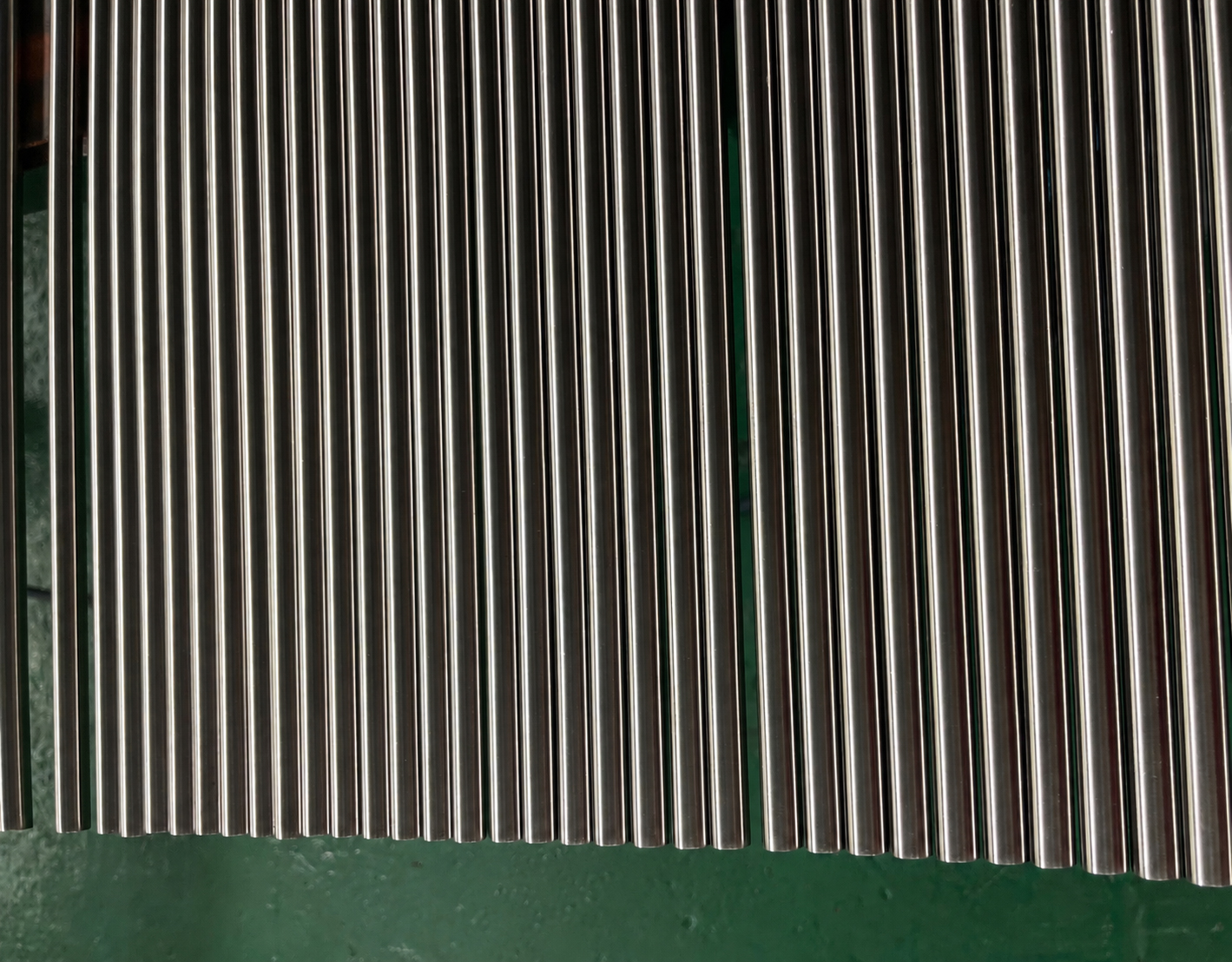
Inconel 601 Tube Supply Scope
This page is designed for buyers searching for Inconel 601 tube, Alloy 601 tube, UNS N06601 tube, 2.4851 tube, Inconel 601 welded tube, Inconel 601 seamless tube, Inconel 601 heater sheath tube, Alloy 601 heating element tube, Inconel 601 furnace tube, radiant tube, thermocouple protection tube and high-temperature oxidation-resistant nickel alloy tube.
Both welded and seamless Alloy 601 tube directions can be reviewed according to standard, size and application.
Nickel-chromium-iron alloy with aluminum addition for high-temperature oxidation service review.
Reviewed for selected tubular heaters, cartridge heaters and industrial heater sheath applications.
Radiant tubes, muffles, retorts, thermocouple protection tubes, process heaters and thermal equipment.
What Is Inconel 601 Tube?
Inconel 601 tube, also described as Alloy 601 tube, UNS N06601 tube or 2.4851 tube, is a nickel-chromium-iron alloy tube with aluminum addition. It is mainly reviewed where high-temperature oxidation resistance, heat resistance, corrosion resistance and thermal cycling performance need to be considered together.
For GAOFA TECH’s target customers, Alloy 601 tube is especially relevant for heating element sheath tubes, tubular heater tubes, cartridge heater tubes, furnace components, radiant tubes, muffles, retorts, thermocouple protection tubes and other high-temperature equipment.
Alloy 601 can also be reviewed for selected chemical processing, pollution control, power generation, hot gas and thermal processing applications. Suitability depends on working temperature, atmosphere, medium, corrosion condition, tube form, fabrication process and customer specification.
What Buyers Should Confirm Before Selecting Alloy 601 Tube
Inconel 601 tube should not be selected only by alloy name. For heater manufacturers and thermal equipment buyers, the main question is whether Alloy 601 matches the actual temperature, atmosphere, oxidation condition and fabrication process.
- Heater type: tubular heater, cartridge heater, air heater or industrial heating element
- Operating temperature, maximum temperature and thermal cycling frequency
- Working atmosphere: air, hot gas, combustion gas, furnace atmosphere or process gas
- Oxidation, scaling, carburizing, nitriding or sulfur-containing atmosphere risk
- Tube OD, wall thickness, length, tolerance and welded or seamless requirement
- Bending, coiling, welding, cutting, annealing, MgO filling or downstream fabrication process
Inconel 601 Welded and Seamless Tube Specification Reference
The following data is provided as a quotation reference. Exact standard, tolerance, heat treatment, surface condition, testing and documents should be confirmed before order production.
| Item | GAOFA TECH Supply Direction | Buyer Notes |
|---|---|---|
| Material | Inconel 601 / Alloy 601 / UNS N06601 / W.Nr. 2.4851 | Please confirm the exact material wording required on quotation, contract, MTC and shipping documents. |
| Tube Forms | Welded tube and seamless tube directions | Tube form should be selected according to application, pressure, size, standard, heater design and customer specification. |
| Welded Tube Range | OD 6.0 mm to 88.9 mm; wall thickness 0.3 mm to 2.0 mm | Commonly reviewed for welded heating element sheath tubes, thermal equipment tubes, radiant tube parts and selected industrial tube requirements when welded tube is accepted. |
| Seamless Tube Range | OD 2.0 mm to 114 mm; wall thickness 0.3 mm to 8.0 mm | May be reviewed for applications requiring seamless tube, higher pressure, thicker wall, smaller diameter, specific standards or customer drawing requirements. |
| Length | Standard 6000 mm or cut length according to customer requirement | Fixed length, random length and cutting tolerance should be confirmed. |
| Common Standards | ASTM B167, ASTM B751, ASTM B775, ASTM B829 and customer specifications where applicable | The correct standard depends on tube form, product type, application, purchase specification and customer approval. |
| Heat Treatment / Condition | Annealed, solution annealed, bright annealed or agreed condition according to production route and specification | Condition should match downstream bending, forming, welding, MgO filling, heater assembly or thermal equipment fabrication. |
| Inspection | Dimensional inspection, visual inspection, PMI, eddy current, ultrasonic testing, pneumatic or hydrostatic testing as required or as agreed | Testing scope, sampling level and acceptance criteria should be confirmed before production. |
Inconel 601 Tube for Heating Element Sheaths
This is an important buyer direction for GAOFA TECH. Alloy 601 tube can be reviewed for selected heating element sheath applications where high-temperature oxidation resistance, hot air exposure, thermal cycling or customer-specified nickel alloy sheath material is required.
| Heater Requirement | Why Alloy 601 May Be Reviewed | Information to Provide |
|---|---|---|
| Tubular Heating Elements | Alloy 601 tube may be reviewed when the heater sheath requires high-temperature oxidation resistance and stable performance in hot air or selected process atmospheres. | Heater type, OD, wall thickness, length, bending radius, working temperature, atmosphere and heater drawing. |
| Cartridge Heater Sheaths | Selected cartridge heater designs may specify Alloy 601 where higher temperature exposure, oxidation resistance or customer material requirement is important. | Tube size, tolerance, straightness, surface condition, MgO filling process and final assembly requirement. |
| Industrial Air Heaters | Alloy 601 can be reviewed for air heating or hot gas equipment where oxidation and scaling resistance are important. | Air temperature, maximum temperature, cycling condition, heater watt density and expected service environment. |
| Furnace Heating Elements | Alloy 601 may be reviewed for heating element sheath or related tube components used in furnace or thermal equipment conditions. | Furnace atmosphere, operating cycle, maximum temperature, oxidizing or reducing condition and tube fabrication process. |
| Heater Fabrication Process | Downstream bending, welding, swaging, filling, annealing or cutting may influence tube condition and acceptance. | Bending, coiling, cutting, welding, annealing, cleaning, packing and end-protection requirements. |
High-Temperature Oxidation and Furnace Service Review
The core technical value of Alloy 601 is high-temperature oxidation resistance. This makes the tube relevant for furnace components, thermal processing equipment and hot gas environments where scaling, spalling and thermal cycling need to be reviewed.
| Service Direction | Why Alloy 601 May Be Considered | Buyer Review Points |
|---|---|---|
| Furnace Components | Alloy 601 tube may be reviewed for tube components exposed to furnace atmosphere, heat treatment cycles and high-temperature oxidation. | Furnace atmosphere, maximum temperature, thermal cycle, exposure time, fuel type and contamination risk. |
| Radiant Tubes and Radiant Heater Tubes | Alloy 601 is commonly associated with thermal processing and radiant heating equipment where oxidation resistance is important. | Tube diameter, wall thickness, design temperature, atmosphere, support method and expected service life. |
| Muffles and Retorts | Alloy 601 may be reviewed for muffle or retort-related tube components where high-temperature atmosphere exposure is part of the equipment design. | Atmosphere composition, thermal cycle, mechanical loading, gas flow and fabrication route. |
| Thermocouple Protection Tubes | Alloy 601 tube may be reviewed where thermocouple protection requires resistance to high-temperature oxidation and selected hot atmospheres. | Sensor type, insertion depth, atmosphere, maximum temperature, tube size and end sealing requirement. |
| Heat-Treatment Fixtures and Thermal Equipment | Alloy 601 is relevant to baskets, trays, fixtures, burner nozzles, tube supports and other high-temperature equipment parts. | Load, cycle frequency, carburizing / nitriding risk, oxidation atmosphere, cleaning method and operating temperature. |
Selected Chemical, Environmental and Power Equipment Applications
Alloy 601 is not positioned like Alloy 625 or Hastelloy C276 for severe chloride or aggressive acid corrosion. However, it can be reviewed for selected chemical processing, environmental protection and power-related thermal equipment where heat, oxidation and corrosion conditions overlap.
| Application Direction | Possible Review Area | Technical Caution |
|---|---|---|
| Process Heaters | Alloy 601 tube may be reviewed for process heater components where high temperature and selected corrosive conditions are present. | Medium composition, temperature, combustion atmosphere and corrosion mechanism should be confirmed. |
| Sour-Water Stripper Condenser Tubes | Alloy 601 has been used in sour-water stripper condenser tube applications, but project-specific chemistry and corrosion data are important. | Confirm ammonia, sulfide, chloride, pH, temperature and customer specification. |
| Ammonia Reformer Related Equipment | Alloy 601 may be reviewed for insulating cans and selected high-temperature components in ammonia reformer-related equipment. | Review atmosphere, temperature, hydrogen, nitrogen, thermal cycle and fabrication requirement. |
| Nitric Acid Production Equipment | Alloy 601 may be reviewed for selected catalyst grid supports or combustor-related components in nitric acid equipment. | Confirm oxidizing condition, temperature, gas composition and customer material requirement. |
| Solid-Waste Incineration and Pollution Control | Alloy 601 may be reviewed for combustion chambers, thermal reactors or hot gas equipment where oxidation and corrosive gases must be considered. | Confirm chlorine, sulfur, ash, acid gas, temperature cycling and cleaning condition. |
| Power Generation and Hot Gas Equipment | Alloy 601 may be reviewed for tube supports, ash-handling components, oxygen preheaters or selected hot gas components. | Confirm temperature, gas chemistry, ash condition, mechanical load and inspection requirement. |
How to Compare Alloy 601 with 600, 625, 800, 840 and Stainless Steel
Alloy 601 should be positioned mainly around high-temperature oxidation resistance. It is not simply a better version of Alloy 600, nor is it a direct substitute for Alloy 625, Incoloy 840 or stainless steel.
| Material Direction | Common Review Direction | Selection Notes |
|---|---|---|
| Inconel 601 / Alloy 601 | High-temperature oxidation resistance, furnace components, heating element sheaths, radiant tubes, thermal processing equipment and hot gas service | Review when oxidation resistance, scaling resistance, hot atmosphere and thermal cycling are key concerns. |
| Inconel 600 / Alloy 600 | General heat and corrosion service, heat exchangers, chemical processing, caustic service review and thermal equipment | Often compared with 601 when the buyer needs to decide whether stronger oxidation resistance is necessary. |
| Inconel 625 / Alloy 625 | Stronger chloride, seawater, offshore, chemical corrosion and selected high-temperature corrosive service | Review 625 when the issue is stronger corrosion resistance rather than mainly oxidation resistance. |
| Incoloy 800 / 800H / 800HT | High-temperature equipment, heater sheath review, heat treatment equipment and high-temperature structural applications | Compare with 601 according to working temperature, atmosphere, creep requirement, oxidation condition and customer specification. |
| Incoloy 840 | Welded heater sheath tube for electric heating element applications | 840 is more heater-sheath focused. 601 should be reviewed when higher oxidation resistance or customer-specified Alloy 601 is required. |
| 310S / 310S-Mo Stainless Steel | Lower-cost high-temperature stainless direction for selected heater or thermal equipment applications | Cost may be lower, but oxidation resistance, thermal cycling, corrosion, forming and service life must be evaluated carefully. |
| Hastelloy C276 / C22 | Aggressive chemical corrosion, mixed acid, chloride-bearing acid and severe localized corrosion service | Not the same selection direction as 601. Review Hastelloy when chemical corrosion is the main concern. |
Welded vs Seamless Inconel 601 Tube Selection Guide
One important purchasing question for Inconel 601 is whether welded tube or seamless tube should be reviewed. Buyers can also read the Seamless vs Welded Tubes Selection Guide. The answer depends on size, pressure, standard, service condition, heater design, inspection requirement and customer specification.
| Selection Factor | Welded Alloy 601 Tube | Seamless Alloy 601 Tube |
|---|---|---|
| Typical Purchasing Direction | Often reviewed for welded heater sheath tubes, tubular heater tubes, radiant tube parts and selected thermal equipment when welded tube is accepted. | Often reviewed where the specification requires seamless tube, higher wall thickness, pressure-related service or specific standard requirements. |
| Reference Size Range | OD 6.0–88.9 mm, wall thickness 0.3–2.0 mm. | OD 2.0–114 mm, wall thickness 0.3–8.0 mm. |
| Common Standards | Commonly reviewed with ASTM B751 and customer specifications where applicable. | Commonly reviewed with ASTM B167 / ASTM B829 and applicable general requirements. |
| Inspection Focus | Weld condition, dimensional inspection, eddy current testing, pneumatic or hydrostatic testing when required. | Dimensional inspection, ultrasonic testing, hydrostatic testing, eddy current testing or other inspection according to specification. |
| Application Review | Can be reviewed when welded tube is accepted by the standard, heater design, customer drawing and service condition. | Should be reviewed when seamless construction is required by pressure, standard, customer specification or end-user approval. |
| RFQ Decision | Provide heater design, working temperature, atmosphere and confirm whether welded tube is acceptable. | Provide standard, pressure, wall thickness, inspection requirement and reason for seamless tube selection. |
Inconel 601 Chemical Composition Reference
For website readability, this section provides a buyer-oriented composition reference. Final acceptance should follow the confirmed standard, purchase specification and MTC.
| Grade | Common Names | Main Alloy Direction | Typical Composition Reference | Application Review |
|---|---|---|---|---|
| Inconel 601 | Alloy 601 / UNS N06601 / 2.4851 | Nickel-chromium-iron alloy with aluminum addition | Ni 58.0–63.0, Cr 21.0–25.0, Fe remainder, Al 1.0–1.7, C 0.10 max, Mn 1.0 max, Si 0.50 max, Cu 1.0 max, S 0.015 max, according to specification | Heating element sheaths, furnace components, radiant tubes, muffles, retorts, thermocouple protection tubes, process heaters and selected high-temperature oxidation service |
Applications of Inconel 601 Tube
Inconel 601 tube may be reviewed for heating element sheaths, furnace components, thermal processing equipment and selected chemical or high-temperature equipment. Final suitability depends on the actual temperature, atmosphere, medium, fabrication process and customer specification.
Heating Element Sheath Tubes
Alloy 601 tube can be reviewed for selected heating element sheath applications where high-temperature oxidation resistance is important.
Tubular Heater and Cartridge Heater Tubes
Reviewed for tubular heaters, cartridge heaters and industrial heater tubes when customer design or service condition requires Alloy 601.
Furnace Components
Used as a material direction for furnace-related tube components exposed to hot atmosphere, oxidation risk and thermal cycling.
Radiant Tubes and Radiant Heater Tubes
Alloy 601 may be reviewed for radiant tube or radiant heater tube applications in industrial thermal processing equipment.
Muffles, Retorts and Flame Shields
Can be reviewed for tube or fabricated components where furnace atmosphere and high-temperature oxidation are important.
Thermocouple Protection Tubes
Alloy 601 tube can be reviewed for thermocouple protection where hot atmosphere resistance and oxidation resistance are required.
Process Heaters and Chemical Equipment
Selected process heater and chemical processing equipment may review Alloy 601 when high temperature and corrosion conditions overlap.
Pollution Control and Incineration Equipment
Reviewed for thermal reactors, combustion chambers or hot gas equipment where oxidation and corrosive gas exposure must be considered.
Power Generation and Hot Gas Components
Alloy 601 may be reviewed for tube supports, ash-handling components, oxygen preheaters and selected high-temperature gas equipment.
Inspection and Quality Control for Inconel 601 Tube
Inspection requirements should be confirmed according to tube form, standard, heater fabrication process, service condition and customer specification.
| Inspection Item | Purpose | Buyer Notes |
|---|---|---|
| Material Verification | Confirm Alloy 601 material identity and traceability | MTC, heat number and PMI checking can be discussed as required or as agreed. |
| Dimensional Inspection | Check OD, wall thickness, length and tolerance | Important for heater sheath assembly, cartridge heater fabrication, process tube installation or thermal equipment fabrication. |
| Visual Inspection | Review outer surface, inner surface where applicable, tube ends and handling condition | Surface condition should be checked according to order requirement and downstream heater or thermal equipment process. |
| Eddy Current Testing | Review tube integrity according to standard or agreed requirement | Testing method, acceptance criteria and record requirement should be confirmed before production. |
| Ultrasonic Testing | Discuss flaw detection for selected tube sizes and applications | UT feasibility depends on material, size, wall thickness, tube form and specification. |
| Pneumatic / Hydrostatic Testing | Check tightness or pressure-related requirements when specified | The correct method should be selected according to standard, application and customer requirement. |
| Internal Cleanliness | Support heater sheath, process tube or customer-specific cleanliness requirements | Sponge cleaning, air blowing, dryness and end protection should be confirmed when required. |
| Packing Review | Protect tube surface, tube ends and shipment condition | Bundle protection, wrapping, wooden case and packing photos can be discussed before shipment. |
View Tube Inspection and Quality Control Details
Review GAOFA TECH’s tube inspection examples, including PMI checking, OD inspection, wall thickness inspection, visual inspection, eddy current testing, pneumatic testing, ultrasonic testing, internal cleanliness checking, fatigue testing and packing review.
Information Needed for an Inconel 601 Tube Quotation
A complete RFQ helps confirm the correct Alloy 601 tube form, size, standard, service condition, inspection scope and packing requirement. Buyers can also use the Tube Inquiry Checklist before sending technical details.
For heating element sheath tubes, tubular heaters, cartridge heaters, furnace components or radiant tube applications, please include working temperature, atmosphere, tube size, fabrication process and whether welded or seamless tube is required.
Copy Basic RFQ Template
Copy this short template and send us the basic tube requirement.
Material Grade:
Tube Form:
Size: OD × Wall Thickness × Length
Quantity:
Application:
- Material grade: Inconel 601, Alloy 601, UNS N06601, 2.4851 or customer-specific material wording
- Tube form: welded tube or seamless tube
- OD, wall thickness, tolerance and length
- Quantity: pieces, meters, kilograms or annual consumption
- Standard: ASTM B167, ASTM B751, ASTM B775, ASTM B829 or customer specification
- Application: heating element sheath, tubular heater, cartridge heater, furnace component, radiant tube, thermocouple protection tube, process heater or other use
- Operating temperature, maximum temperature, thermal cycling and exposure time
- Atmosphere: air, furnace atmosphere, hot gas, combustion gas, oxidizing / reducing condition, sulfur or carbon exposure
- Heater fabrication process: bending, coiling, swaging, MgO filling, welding, cutting, annealing or surface finishing
- Inspection requirement: dimensional, visual, PMI, eddy current, UT, pneumatic, hydrostatic or other test
- Documents: MTC, inspection report, packing photos or customer-specific documents
- Packing requirement, destination and expected delivery schedule
Best RFQ practice: If this is a replacement or material comparison project, please tell us the existing tube material, failure reason if any, working temperature, atmosphere, thermal cycling condition and target improvement. This helps us review whether Alloy 601, Alloy 600, Incoloy 800 / 840, Alloy 625, 310S / 310S-Mo or another material direction should be discussed.
Send Your Inconel 601 Tube Requirement
Please send material grade, tube form, OD, wall thickness, length, quantity, application, working temperature, atmosphere, fabrication process, inspection requirement and packing details. GAOFA TECH will review the Alloy 601 tube quotation according to your specification.
Inconel 601 Tube FAQ
What is Inconel 601 tube used for?
Inconel 601 tube is commonly reviewed for heating element sheaths, tubular heaters, cartridge heaters, furnace components, radiant tubes, muffles, retorts, thermocouple protection tubes, thermal processing equipment, process heaters and selected high-temperature oxidation service.
Can Inconel 601 tube be used for heating element sheaths?
Yes, Alloy 601 tube can be reviewed for selected heating element sheath applications where high-temperature oxidation resistance, hot air exposure, thermal cycling or customer-specified nickel alloy sheath material is required. Suitability depends on heater design, atmosphere, temperature, watt density, bending process and customer specification.
What is the difference between Inconel 600 and Inconel 601?
Inconel 600 is often reviewed as a general heat and corrosion resistant nickel-chromium-iron alloy. Inconel 601 contains aluminum and is more focused on high-temperature oxidation resistance, furnace atmosphere, thermal cycling and hot gas service.
When should Inconel 625 be reviewed instead of Inconel 601?
Inconel 625 should be reviewed when the main issue is stronger chloride resistance, seawater resistance, offshore service, chemical corrosion resistance or higher strength. Alloy 601 is mainly an oxidation-resistance and high-temperature material direction.
Can Inconel 601 tube be used for furnace components?
Alloy 601 tube may be reviewed for furnace components, radiant tubes, muffles, retorts, thermocouple protection tubes and thermal processing equipment where high-temperature oxidation resistance and thermal cycling are important.
Can Alloy 601 tube be used for chemical processing equipment?
Alloy 601 may be reviewed for selected chemical processing or process heater equipment where high temperature and corrosion conditions overlap. It should not be treated as a universal severe-corrosion alloy. Medium composition, temperature, pressure and corrosion mechanism should be confirmed.
Does GAOFA TECH supply both welded and seamless Inconel 601 tubes?
Yes. GAOFA TECH can review both welded and seamless Inconel 601 tube directions according to size, standard, application, inspection requirement and customer specification.
When should seamless Alloy 601 tube be reviewed instead of welded tube?
Seamless Alloy 601 tube should be reviewed when the specification requires seamless construction, higher wall thickness, pressure-related service, specific inspection requirements or customer approval for seamless tube.
Is Inconel 601 suitable for all high-temperature applications?
No. Alloy 601 should be reviewed according to temperature, atmosphere, oxidation condition, carburizing or nitriding risk, sulfur exposure, mechanical load, thermal cycling and fabrication process. Customer specification should always be followed.
What information is needed before quotation?
Please provide material grade, tube form, OD, wall thickness, length, quantity, standard, application, working temperature, atmosphere, fabrication process, inspection requirement and packing details.
What standards are commonly reviewed for Inconel 601 welded and seamless tubes?
For Inconel 601 tube inquiries, ASTM B167, ASTM B751, ASTM B775, ASTM B829 and customer specifications may be reviewed according to tube form, application and purchase requirement. The final standard should be confirmed before quotation and production.
Can welded Inconel 601 tubes be used for heating element sheaths?
Welded Alloy 601 tubes may be reviewed for selected heating element sheath applications when heater design, welding quality, annealing condition, tube cleanliness, bending or filling process and customer specification allow. For demanding small-diameter cartridge heater applications, seamless tube may still need to be reviewed.
What inspection items are important for Inconel 601 heater sheath tubes?
Important inspection items may include material verification, OD and wall thickness inspection, surface review, eddy current testing, ultrasonic testing when specified, pneumatic or hydrostatic testing when required, internal cleanliness, dryness and packing review. The inspection scope should follow the agreed standard and customer specification.