
Titanium Tube for Exhaust
Titanium Grade 1, Grade 2 and Inconel 625 Tubes for Motorcycle, Automotive and High-Performance Exhaust System Fabrication
GAOFA TECH supplies Titanium Grade 1 and Titanium Grade 2 tubes and Inconel 625 tubes for exhaust system manufacturers and custom exhaust fabricators. Available OD ranges from 32 mm to 133 mm, with wall thickness options of 0.9, 1.0, 1.2, 1.5 and 2.0 mm. Length can be supplied in 3 m, 6 m or custom cut lengths according to project requirement.
Exhaust tube material selection should be reviewed according to exhaust gas temperature, vibration, bending radius, welding process, tube wall thickness, weight target, end connection, surface requirement and customer drawing. For general material comparison, buyers can also review Titanium Welded Tube, Titanium Seamless Tube and Nickel Alloy Tubes.
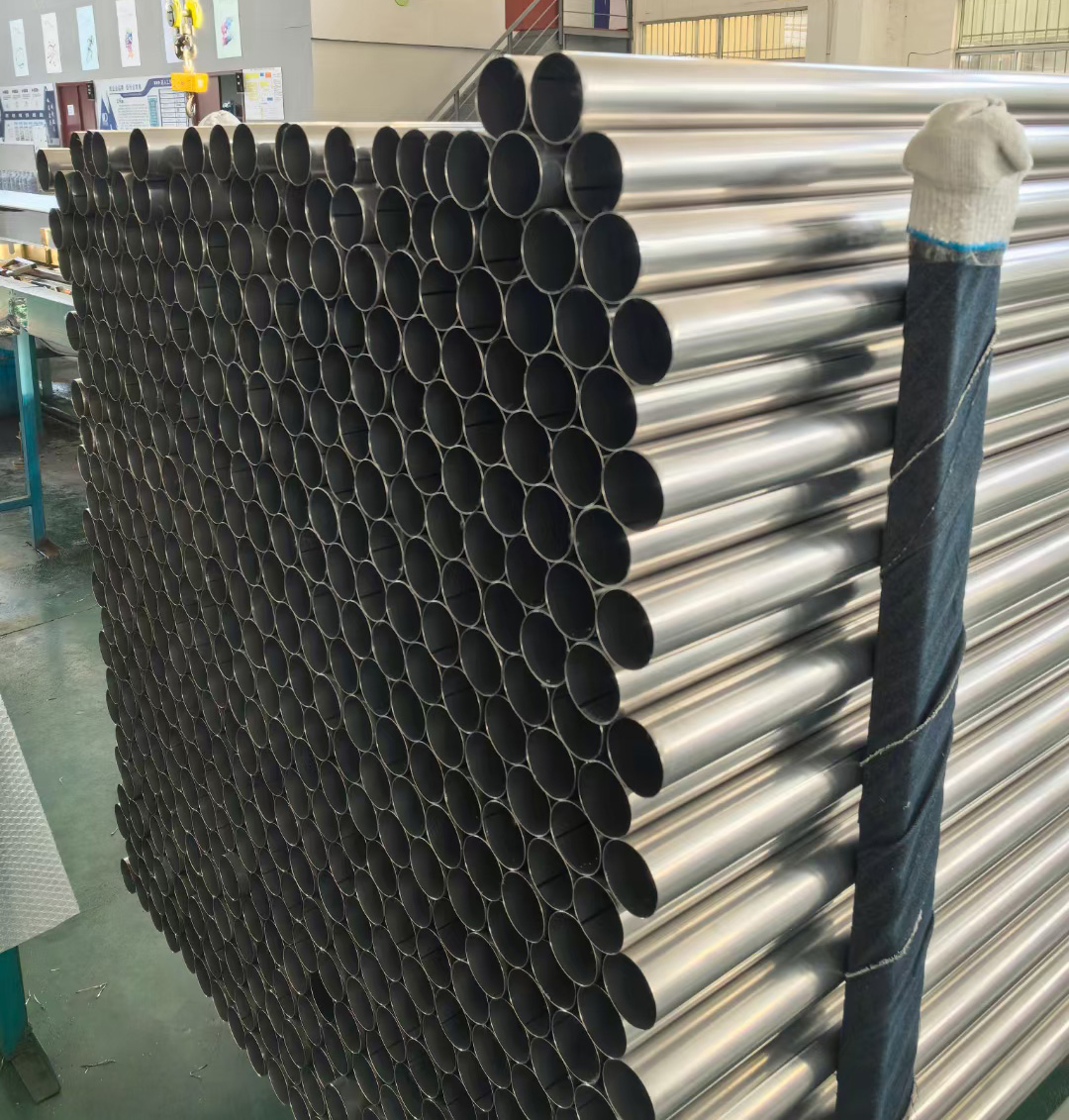
Exhaust Tube Supply Scope
This page is for buyers searching for titanium tube for exhaust, titanium exhaust tube, titanium exhaust tubing, Inconel 625 exhaust tube, motorcycle exhaust tube, automotive exhaust tube and performance exhaust tube supplier.
Material selection should be reviewed by temperature, forming, welding, vibration and customer specification.
OD should match the exhaust section, mandrel bending process, connection design and customer drawing.
Common wall options include 0.9, 1.0, 1.2, 1.5 and 2.0 mm.
Standard and cut lengths can be reviewed according to fabrication and packing requirements.
What Is Titanium Tube for Exhaust?
Titanium tube for exhaust is tubing used by motorcycle, automotive and high-performance exhaust manufacturers for link pipes, mid-pipes, silencers, muffler sections, custom exhaust assemblies and performance exhaust fabrication.
GAOFA TECH supplies exhaust tube materials including Titanium Grade 1, Titanium Grade 2 and Inconel 625. For broader titanium tube selection, buyers can also review Titanium Tubes, Titanium Welded Tube and Titanium Seamless Tube.
The correct exhaust tube is not selected by material name alone. Temperature, vibration, welding process, bending radius, wall thickness, surface condition, end connection and customer drawing should be reviewed together.
What Exhaust Fabricators Usually Need
- Stable OD and wall thickness for bending and fit-up.
- Suitable material choice for the exhaust section and temperature range.
- 3 m, 6 m or custom cut length for workshop fabrication.
- Surface condition suitable for visible exhaust components.
- Tube end protection, packing protection and traceability.
- Clear RFQ review for Titanium Grade 1, Grade 2 or Inconel 625.
Titanium and Inconel Exhaust Tube Specifications
Please provide material, OD, wall thickness, length, bending requirement, welding process, quantity and application before quotation. You can also use the Tube Inquiry Checklist before sending details.
| Specification Item | GAOFA TECH Review Direction | Buyer Notes |
|---|---|---|
| Materials | Titanium Grade 1, Titanium Grade 2, Inconel 625 | Other grades can be reviewed according to drawing, quantity and application, but these are the main exhaust tube directions. |
| Outer Diameter | 32 mm to 133 mm | OD affects exhaust layout, bending, connection, muffler design and fit-up. |
| Wall Thickness | 0.9 mm, 1.0 mm, 1.2 mm, 1.5 mm, 2.0 mm | Wall thickness affects weight, forming, welding, vibration resistance and thermal behavior. |
| Length | 3 m, 6 m or custom cut length | Standard 6000 mm length can be reviewed; 3000 mm and project-specific cut lengths are also available by requirement. |
| Heat Treatment | Inline bright annealing by material and tube specification | Delivery condition should be confirmed according to bending, welding, surface and fabrication requirement. |
| Surface and Ends | Surface finish, tube marking, end condition and wrapping by requirement | Important for visible exhaust parts, workshop handling and protection during shipment. |
| Inspection | Dimensional inspection, visual inspection, material verification and packing review | Additional inspection can be discussed according to order requirement. |
Material Selection for Exhaust Tube Fabrication
Different exhaust sections may require different material choices. Titanium and Inconel 625 should be reviewed according to temperature, forming, welding, vibration, cost and customer specification.
| Material | Common Review Direction | Selection Notes |
|---|---|---|
| Titanium Grade 1 Exhaust Tube | Lightweight exhaust tube, bending review, visible exhaust sections and custom motorcycle exhaust fabrication. | Gr1 is reviewed where formability is important. Strength, wall thickness, bending radius and welding process should still be confirmed. |
| Titanium Grade 2 Exhaust Tube | General titanium exhaust tube review for motorcycle, automotive and performance exhaust fabrication. | Gr2 is a common commercially pure titanium option. Suitability depends on temperature, vibration, welding and customer design. |
| Inconel 625 Exhaust Tube | Higher-temperature or more demanding exhaust sections where nickel alloy performance is required by specification. | Inconel 625 has higher material cost and should be reviewed when the temperature or application justifies it. See also Inconel 625 Tube. |
| Stainless Steel Exhaust Tube | General exhaust fabrication and cost-sensitive applications. | Stainless steel may be suitable when weight and high-temperature alloy requirement are not the main priority. See Stainless Steel Tubes. |
Applications of Titanium Exhaust Tubes
GAOFA TECH supplies tubes for exhaust system manufacturers, custom exhaust fabricators and performance exhaust component suppliers.
Motorcycle Exhaust Systems
Titanium Grade 1 and Grade 2 tubes can be reviewed for motorcycle link pipes, mid-pipes, silencers and custom exhaust sections.
Automotive Exhaust Systems
Reviewed for automotive exhaust fabrication according to OD, wall thickness, bending, welding and application temperature.
Performance Exhaust Fabrication
Reviewed for lightweight or high-performance exhaust projects where material, fit-up, surface and welding quality are important.
Mid-Pipes and Link Pipes
OD 32-133 mm can be reviewed for straight tube sections, bent sections and connection parts according to drawing.
High-Temperature Exhaust Sections
Nickel alloy tubes, including Inconel 625, can be reviewed for more demanding temperature conditions.
Custom Exhaust Manufacturing
3 m, 6 m or custom cut length can be reviewed to support workshop fabrication, cutting, bending and welding operations.
Titanium vs Stainless Steel vs Inconel 625 Exhaust Tube
The best material depends on the exhaust section, operating temperature, fabrication process, weight target, cost target and customer design.
| Material | Suitable Review Direction | Notes Before Selection |
|---|---|---|
| Titanium Grade 1 / Grade 2 | Lightweight exhaust tube, motorcycle exhaust, selected automotive exhaust and visible exhaust sections. | Review temperature, vibration, bending radius, wall thickness, welding process and end-user design. |
| Stainless Steel | General exhaust systems, cost-sensitive fabrication and applications where titanium weight reduction is not required. | Common and economical, but heavier than titanium. Grade selection should match temperature and corrosion conditions. |
| Inconel 625 | Higher-temperature or more demanding exhaust sections where nickel alloy is specified. | Higher material cost; normally reviewed when operating condition justifies the material upgrade. |
Bending, Welding and Fabrication Notes
Exhaust tubes are usually processed after purchase, so fabrication requirements should be confirmed before production.
Bend Radius and Wall Control
Provide target bend radius, bending method, OD, wall thickness and acceptable surface condition before quotation.
Welding Process Review
Tube material, wall thickness, edge quality, cleanliness, shielding gas coverage and back purging practice should be reviewed for exhaust welding and fit-up.
Visible Exhaust Surface
Surface marks, tube marking, handling scratches and packing protection should be confirmed when tubes are used for visible parts.
3 m, 6 m or Cut Length
Standard 6 m length, 3 m length and custom cut length can be reviewed according to workshop handling and shipping requirement.
Tube End Condition
Cut end, deburring, caps, wrapping and tube end protection should be confirmed before shipment.
Protection During Shipment
Long exhaust tubes should be packed to reduce surface damage, tube deformation and tube end damage.
Reference Photos for Titanium Exhaust Tube Buyers
Use selected real bulk-order product photos to help buyers understand titanium exhaust tube surface, marking, traceability and packing review. Avoid showing customer logos, confidential projects or unapproved customer names.
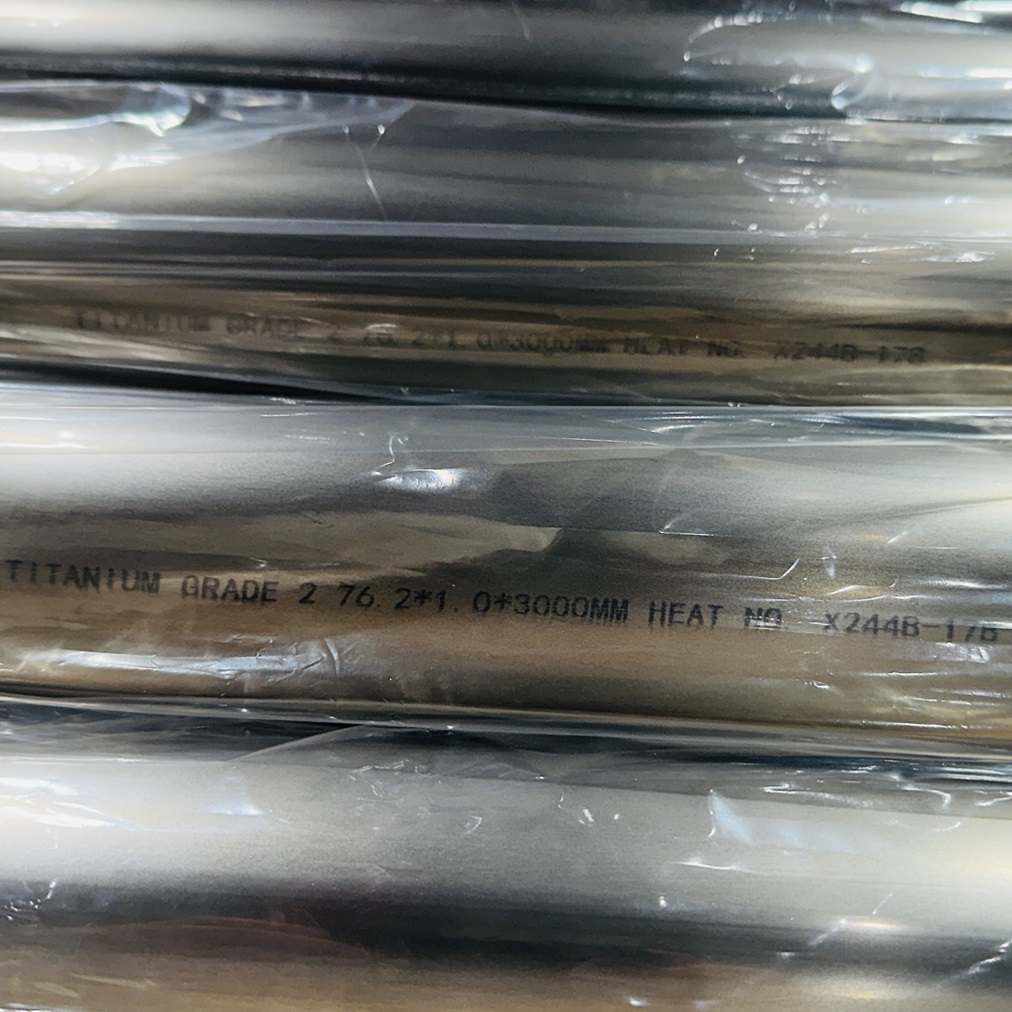
Bulk Order Tube Marking
Grade, size and heat number marking can be reviewed according to order requirement and traceability documents.
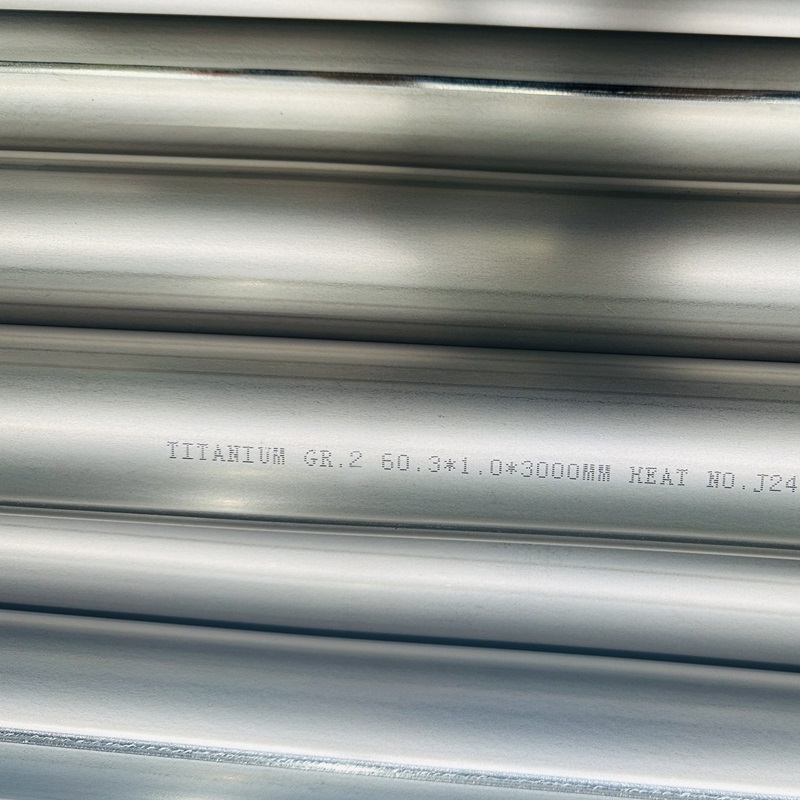
Grade 2 Exhaust Tube Surface
Real product reference photo for titanium exhaust tube surface, straightness and fabrication review.
Quality Control for Exhaust Tubes
Inspection should focus on material traceability, OD and wall thickness, surface condition, length, tube end condition, straightness and packing protection.
| Inspection Item | Purpose | Buyer Notes |
|---|---|---|
| Material Verification | Confirm Titanium Gr1, Gr2 or Inconel 625 material traceability. | MTC, PMI and material documents can be reviewed according to order requirement. |
| Dimensional Inspection | Check OD, wall thickness, length and tolerance. | Important for bending, fit-up, connection and exhaust assembly. |
| Surface Inspection | Review scratches, dents, surface marks and handling damage. | Especially important for visible exhaust components. |
| Tube End Inspection | Check cutting quality, tube end condition and protection. | Tube ends should be protected during handling and shipment. |
| Packing Review | Protect tubes during sea, air or express shipment. | Wrapping, separators, wooden cases or bundle packing can be discussed before shipment. |
View Tube Inspection and Quality Control Details
Review GAOFA TECH’s tube inspection and quality control examples, including PMI checking, OD inspection, wall thickness inspection, visual inspection and packing review.
Information Needed for an Exhaust Tube Quotation
A complete RFQ helps confirm material, size, wall thickness, length, fabrication route, packing and quotation accuracy. Buyers can also use the Tube Inquiry Checklist before sending an inquiry.
For motorcycle exhaust, automotive exhaust, high-performance exhaust or Inconel 625 exhaust tube projects, please provide both tube dimensions and fabrication details.
Best RFQ practice: Please send material, OD, wall thickness, length, quantity, exhaust section, bending requirement, welding process, surface requirement, tube end condition, packing requirement and destination.
- Material: Titanium Grade 1, Titanium Grade 2, Inconel 625 or other specified material
- Outer diameter: 32 mm to 133 mm or required OD
- Wall thickness: 0.9, 1.0, 1.2, 1.5, 2.0 mm or required wall thickness
- Length: 3 m, 6 m or custom cut length
- Quantity: number of pieces or total meters
- Application: motorcycle exhaust, automotive exhaust, link pipe, mid-pipe, muffler section or custom exhaust fabrication
- Expected exhaust section temperature or material selection reason
- Bending process, bend radius and downstream welding requirement
- Surface condition, tube marking and visible surface requirement
- Tube end condition, deburring, caps, wrapping or protection requirement
- Inspection requirement: dimensional, visual, PMI, MTC or other documents
- Packing requirement, destination, Incoterms and expected delivery schedule
Send Your Exhaust Tube Requirement
Please send material, OD, wall thickness, length, quantity, exhaust application, bending requirement, welding process, surface requirement, tube end condition, inspection requirement, packing requirement and destination. We will review the tube route according to your drawing and application.
Titanium Tube for Exhaust FAQ
What material tubes can GAOFA TECH supply for exhaust systems?
GAOFA TECH supplies Titanium Grade 1, Titanium Grade 2 and Inconel 625 tubes for exhaust system fabrication. Material selection should be reviewed according to temperature, vibration, bending, welding and customer drawing.
What OD and wall thickness are available?
OD 32-133 mm can be reviewed. Common wall thickness options include 0.9, 1.0, 1.2, 1.5 and 2.0 mm. Final feasibility depends on material, tolerance, length, quantity and fabrication requirement.
What length can be supplied?
Exhaust tubes can be supplied in 3 m, 6 m or custom cut length according to customer requirement. Standard 6000 mm length can be reviewed, and shorter cut lengths can be discussed for workshop handling or shipment.
Can titanium exhaust tube be bent?
Titanium exhaust tube can be reviewed for bending, but feasibility depends on grade, OD, wall thickness, bend radius, tooling, surface requirement and customer fabrication process.
Can titanium tube be welded for exhaust systems?
Titanium tube can be used in welded exhaust assemblies, but welding process, shielding, cleanliness, fit-up and customer fabrication capability should be reviewed by the exhaust manufacturer.
When should Inconel 625 be used for exhaust tubes?
Inconel 625 should be reviewed for higher-temperature or more demanding exhaust sections where nickel alloy performance is required by specification or customer design. It is not necessary for every exhaust application.
Is titanium always better than stainless steel for exhaust?
No. Titanium, stainless steel and Inconel 625 serve different requirements. The suitable material depends on temperature, vibration, weight target, cost, welding, forming and customer specification.
What information is needed before quotation?
Please provide material, OD, wall thickness, length, quantity, exhaust section, bending requirement, welding process, surface requirement, tube end condition, inspection requirement, packing requirement and destination. You can also use the Tube Inquiry Checklist.
What should be considered when welding titanium exhaust tubes?
Titanium exhaust welding should be reviewed by the exhaust fabricator according to shielding gas coverage, back purging practice, tube cleanliness, edge preparation, fit-up, heat input and operator procedure. GAOFA TECH supplies tube material, while final weld quality depends on the fabrication process.
Should I choose Titanium Grade 1 or Grade 2 for exhaust tubing?
Grade 1 is often reviewed when formability is a key concern, while Grade 2 is a common commercially pure titanium direction for general titanium exhaust fabrication. The final choice should consider tube size, wall thickness, bending radius, welding process, temperature, vibration and customer drawing.
What inspection items are important for exhaust tubes?
Important inspection items may include material verification, OD and wall thickness inspection, length inspection, straightness review, surface inspection, tube end condition, marking / traceability and packing review. Additional inspection should be confirmed before production.