
Titanium Grade 1 Sheet for Plate Heat Exchanger Plates
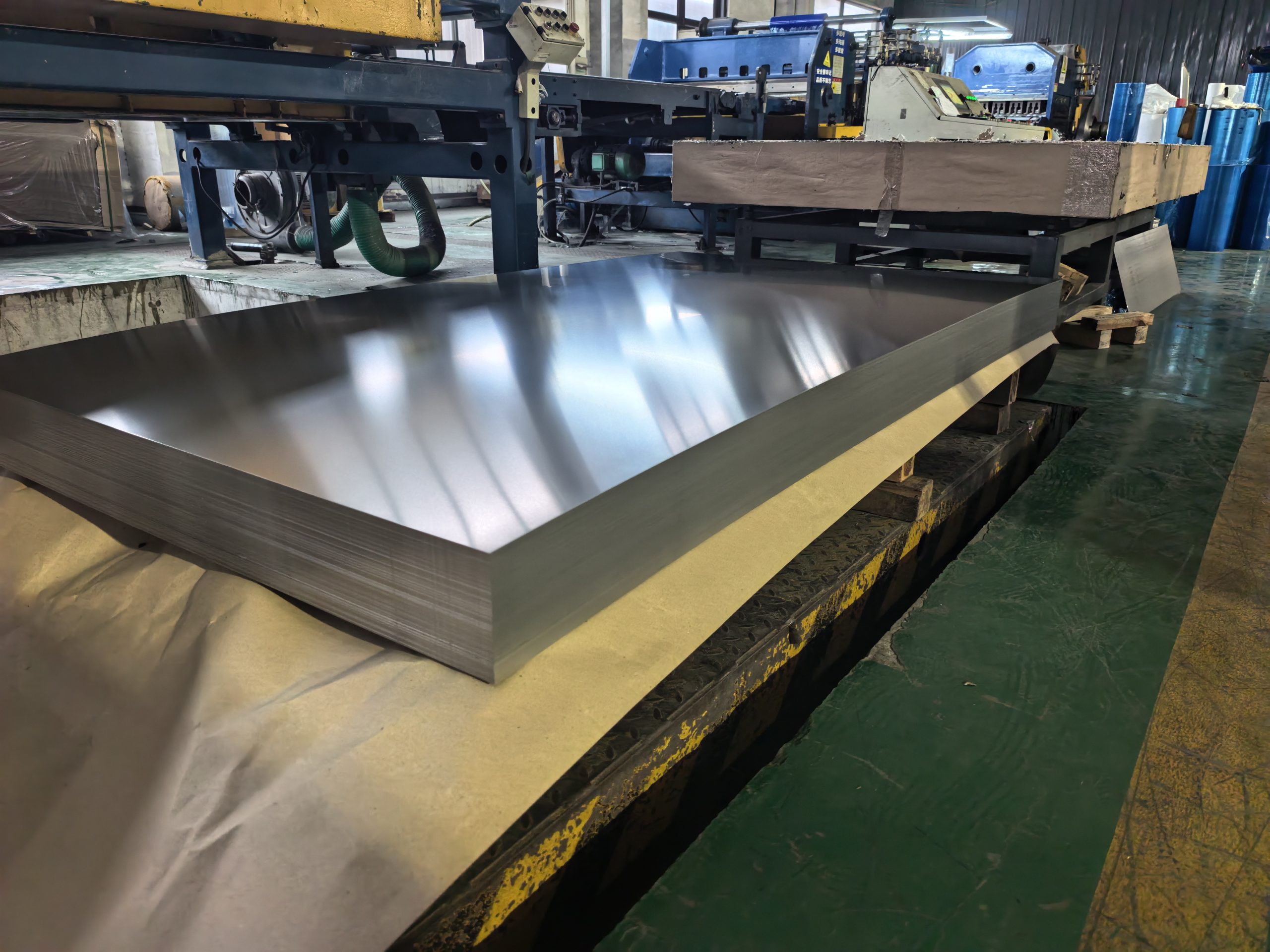
GAOFA TECH supplies titanium sheet for plate heat exchanger plates, also known as PHE titanium sheet, titanium sheet for PHE plates, and titanium heat exchanger plate material.
Our Grade 1 titanium sheet is prepared for plate heat exchanger plate manufacturing, plate pressing trials, corrugated PHE plate evaluation, seawater service, chloride-containing media and other corrosion-resistant heat transfer applications.
This page focuses on ASTM B265 / ASME SB265 Grade 1 titanium sheet for PHE plate manufacturing, including reference chemistry, tensile performance, Erichsen cupping value, hardness, grain size and metallographic microstructure for customer evaluation.
How Buyers Describe Titanium Sheet for Plate Heat Exchanger Plates
Buyers may use different names for titanium sheet used in plate heat exchanger plate manufacturing. The table below helps clarify the common descriptions used by engineers, purchasing teams, plate manufacturers and material distributors.
| Main Product Name | Titanium sheet for plate heat exchanger plates |
|---|---|
| Common Industry Terms | PHE titanium sheet / titanium sheet for PHE plates / titanium heat exchanger plate material |
| Material Description | Grade 1 titanium sheet / Gr1 titanium sheet / commercially pure titanium sheet / UNS R50250 titanium sheet |
| Standard Reference | ASTM B265 Grade 1 titanium sheet / ASME SB265 titanium sheet |
| Typical Thickness Search | 0.5mm titanium sheet / 0.6mm titanium sheet / 0.7mm titanium sheet / 0.8mm titanium sheet / 1.0mm titanium sheet for PHE plates |
| Application Search | Titanium sheet for seawater plate heat exchanger / titanium plates for gasketed plate heat exchangers / titanium heat transfer plate material |
Who This Page Is For
This page is written for buyers who are evaluating Titanium Grade 1 sheet not only as a flat metal product, but as a material for pressing corrugated plate heat exchanger plates.
Plate Heat Exchanger Manufacturers
For manufacturers with in-house plate pressing who need Grade 1 titanium sheet for gasketed PHE plate production.
Pressing Trial Projects
For engineering teams testing cut-to-size sheet or sample sheets before confirming regular production.
Seawater and Marine PHE
For seawater service, marine cooling, desalination and chloride-containing heat transfer applications.
Material Distributors
For distributors supplying Grade 1 titanium sheet to PHE plate manufacturers or replacement plate suppliers.
Why Grade 1 Titanium Sheet Is Used for PHE Plate Pressing
For plate heat exchanger plates, material selection is not only about corrosion resistance in service. It is also about how the titanium sheet performs during forming, corrugation and pressing.
Formability for Plate Pressing
Grade 1 titanium sheet is suitable for plate pressing evaluation where ductility, elongation, cupping performance and forming consistency are important.
Corrosion Resistance
Titanium sheet is widely selected for heat transfer equipment exposed to seawater, chloride-containing media, desalination, marine cooling and chemical process environments.
Evaluation Data Available
Reference values are available for chemical composition, tensile performance, Erichsen cupping, Vickers hardness and grain structure for PHE plate manufacturing evaluation.
Specification of Titanium Sheet for Plate Heat Exchanger Plates
GAOFA TECH can discuss titanium sheet supply for plate heat exchanger manufacturers, replacement plate suppliers, material distributors and engineering projects requiring thin titanium sheet for PHE plate production.
| Product Name | Titanium sheet for plate heat exchanger plates / PHE titanium sheet / titanium heat exchanger plate material |
|---|---|
| Material Grade | Titanium Grade 1 / Gr1 / commercially pure titanium / UNS R50250 |
| Reference Standard | ASTM B265 / ASME SB265 upon project confirmation |
| Typical Thickness | 0.5mm, 0.6mm, 0.7mm, 0.8mm, 1.0mm |
| Supply Form | Sheet, cut-to-size sheet, sample sheet for pressing trial |
| Supply Condition | Annealed / soft condition upon confirmation |
| Main Evaluation Points | Elongation, Erichsen cupping, hardness, grain size, microstructure, consistency during forming |
| Typical Applications | Gasketed plate heat exchanger plates, seawater PHE, marine cooling, desalination, chloride media, replacement plate manufacturing |
Reference Highlights for PHE-Grade Titanium Sheet
The following cards summarize key reference values from the current representative sample prepared for titanium plate heat exchanger plate evaluation.
Elongation (A50mm)
Supports forming performance for corrugated and pressed PHE plate applications.
Grain Size Level
Fine and uniform grain structure helps support pressed surface consistency.
Erichsen Value
Useful reference for evaluating forming suitability in plate pressing projects.
Note: These are reference values from a current representative sample. Actual values may vary slightly by thickness, heat, lot and production condition.
Available Grade 1 Titanium Sheet for Evaluation and Production
- Material Grade: Titanium Grade 1 / Gr1 / UNS R50250
- Product Form: Titanium sheet for plate heat exchanger plates
- Reference Standard: ASTM B265 / ASME SB265 upon confirmation
- Typical Thickness: 0.5mm, 0.6mm, 0.7mm, 0.8mm, 1.0mm
- Sheet Size: Custom cut sizes available
- Supply Condition: Annealed / soft condition upon confirmation
- Samples: Available for customer evaluation and trial pressing
Current Representative Sample
- Tensile Strength: 310–320 MPa
- Proof Strength (Rp0.2): 159–217 MPa
- Elongation in 50mm: 61%–65%
- Erichsen Cupping: 11.2–11.6 mm
- Vickers Hardness: HV 116–129
- Average Grain Size: Level 9.0
Reference iron content of current Grade 1 titanium sheet sample
Reference oxygen content of current Grade 1 titanium sheet sample
Reference impurity profile for PHE plate evaluation
Why PHE-Oriented Titanium Sheet Evaluation Matters
For plate heat exchanger projects, customers usually focus not only on basic Grade 1 supply, but also on grain structure, forming behavior and consistency during pressing.
| Technical Focus | General Grade 1 Titanium Sheet Supply | GAOFA PHE-Oriented Evaluation |
|---|---|---|
| Chemistry Control | General Grade 1 supply requirements | ✓ Fe 0.023% / O 0.043% reference values for evaluation |
| Grain Structure | Not always evaluated with PHE plate pressing as the main focus | ✓ Average grain size level 9.0 on current representative sample |
| Forming Evaluation | Basic Grade 1 supply may still require customer-side forming verification | ✓ Reference elongation 61–65% and Erichsen 11.2–11.6 mm |
| Project Approach | General industrial titanium sheet supply | ✓ Plate pressing evaluation, cut-size support and trial discussion |
| Final Validation | Requires project-specific confirmation | ✓ Customer tooling trial recommended for critical PHE plate applications |
Note: The table above is intended to explain evaluation focus for plate heat exchanger projects. Final suitability should be confirmed under the customer’s actual tooling, plate pattern and forming conditions.
What to Review Before Confirming Grade 1 Titanium Sheet
Titanium sheet for PHE plates should be reviewed together with customer tooling, plate pattern and forming conditions. This checklist helps buyers prepare a more complete evaluation before sample pressing or regular production.
| Review Item | Why It Matters for PHE Plate Pressing | Buyer Notes |
|---|---|---|
| Grade and Standard | Confirms Grade 1 / UNS R50250 and ASTM B265 / ASME SB265 reference direction. | Confirm whether the project requires ASTM, ASME, EN or customer-specific approval. |
| Thickness and Cut Size | Affects pressing force, corrugation forming, final plate strength and gasket groove design. | Send thickness, width, length, cut size tolerance and sample sheet size if needed. |
| Annealed / Soft Condition | Supports forming and pressing consistency for corrugated plate patterns. | Confirm required condition before production and sample trial. |
| Elongation and Erichsen Cupping | Useful for reviewing forming behavior, deep drawing tendency and trial pressing risk. | Customer tooling trial is still recommended for critical plate patterns. |
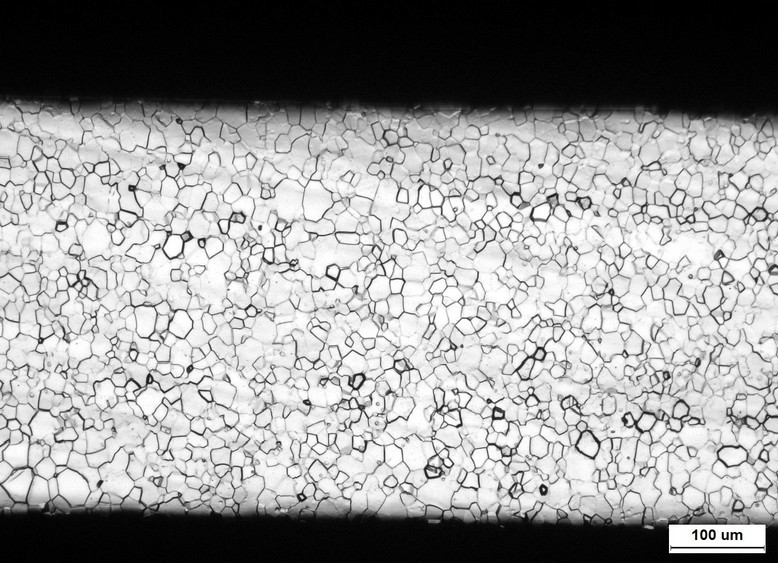
| Grain Size and Microstructure | Helps review forming consistency and surface behavior after pressing. | Metallographic review can be discussed when required. |
| Surface and Packing | Surface defects, scratches and poor packing may affect downstream plate pressing and appearance. | Confirm surface protection, packing method and shipment handling requirements. |
For broader material selection review, visit the Tube Material Selection Guide or the Resources Hub.
What Matters in Titanium Sheet Evaluation for Plate Pressing
In practical PHE plate manufacturing, the key points are not only titanium grade, but also chemistry cleanliness, elongation, cupping performance, hardness level, grain uniformity and consistency during forming.
Our current reference data show clean chemistry, high elongation, good cupping performance and uniform microstructure, which support Grade 1 titanium sheet evaluation for plate heat exchanger plate production.
For critical projects, we recommend forming trials on the customer’s own tooling to confirm performance under actual plate pressing conditions.
Inspection and Evaluation Support for Titanium Sheet
For titanium sheet used in PHE plate pressing, inspection can include chemical composition review, tensile test review, Erichsen cupping, hardness, grain size / metallographic review, thickness inspection, surface inspection, MTC review and packing protection.
Applications of Titanium Sheet for Plate Heat Exchanger Plates
Grade 1 titanium sheet is mainly considered when the plate heat exchanger will work in corrosive media or when the plate manufacturer requires thin titanium sheet for pressing corrugated heat transfer plates.
From Material Review to Trial Pressing
This path connects the PHE titanium sheet page with the rest of the GAOFA TECH website structure and helps buyers move from general review to a clearer RFQ.
Confirm Application
Review whether the sheet is for gasketed PHE plates, seawater PHE, replacement plates or sample pressing trials.
Applications HubReview Material
Confirm Grade 1 titanium, standard, thickness, cut size, annealed condition and forming evaluation requirement.
Material Selection GuideCheck Inspection
Review MTC, chemistry, mechanical properties, Erichsen, hardness, grain size, surface and packing.
Quality ControlPrepare RFQ
Send thickness, width × length or cut size, quantity, pressing or trial requirement and packing requirement.
Tube Inquiry ChecklistInformation Needed for a Titanium Sheet Quotation
For this page, the material direction is already fixed as Titanium Grade 1 / Gr1 / UNS R50250. Buyers usually only need to confirm size, quantity, pressing or trial requirement and packing requirement before quotation.
Fixed Material Direction
- Titanium Grade 1 / Gr1
- UNS R50250
- ASTM B265 / ASME SB265 upon confirmation
Size and Quantity
- Thickness
- Width × length or cut size
- Quantity or estimated trial requirement
Pressing and Packing
- Sample pressing or regular production
- Trial pressing requirement
- Packing protection requirement
Copyable RFQ Template
Copy this short format and send it with your inquiry.
Frequently Asked Questions About Titanium Sheet for Plate Heat Exchanger Plates
What is titanium sheet for plate heat exchanger plates?
Titanium sheet for plate heat exchanger plates is thin titanium sheet used for pressing and forming corrugated heat transfer plates in plate heat exchangers. Buyers may also call it PHE titanium sheet, titanium sheet for PHE plates, titanium heat exchanger plates or titanium heat exchanger plate material.
Is Titanium Grade 1 suitable for plate heat exchanger plates?
Yes. Titanium Grade 1 is suitable for corrosion-resistant plate heat exchanger applications, especially when actual forming and pressing conditions are properly evaluated. Final suitability should be confirmed according to the customer’s plate pattern, tooling and service environment.
What thickness is commonly used for titanium PHE plates?
Common thicknesses include 0.5mm, 0.6mm, 0.7mm, 0.8mm and 1.0mm. The final thickness depends on the plate design, pressure requirement, pressing condition and application medium.
Why is Erichsen cupping important for titanium sheet used in PHE plates?
Erichsen cupping is a useful reference for reviewing forming and deep-drawing behavior. For PHE plate pressing, it should be considered together with elongation, hardness, grain structure, thickness, surface condition and the customer’s actual tooling.
Why does grain size matter for Grade 1 titanium sheet used in PHE plate pressing?
Grain size and microstructure can affect forming consistency and pressed surface behavior. For critical plate heat exchanger plates, buyers may review metallographic results together with customer-side pressing trial results.
Can GAOFA TECH provide ASTM B265 Grade 1 titanium sheet?
Yes. GAOFA TECH can discuss Grade 1 titanium sheet according to ASTM B265 / ASME SB265 requirements, including thickness, cut size, sample sheet and production quantity.
Can GAOFA TECH provide sample sheets for pressing trials?
Yes. Sample sheets and custom cut sizes can be arranged for customer evaluation and trial pressing.
What data can be provided for evaluation?
Reference data can include chemical composition, tensile properties, elongation, Erichsen cupping, Vickers hardness and metallographic microstructure.
What information should I send when asking for a quotation?
For this product page, the material is already Titanium Grade 1 / Gr1 / UNS R50250. Please send thickness, width × length or cut size, quantity, plate pressing or trial requirement and packing requirement.
Continue Your Titanium and PHE Material Review
Use these internal links to continue material, application, inspection and RFQ review.