
Inner Grooved Tube
Inner Grooved Tubes and Enhanced Heat Transfer Tubes for Heat Exchangers, Condensers, Evaporators and Refrigeration Systems
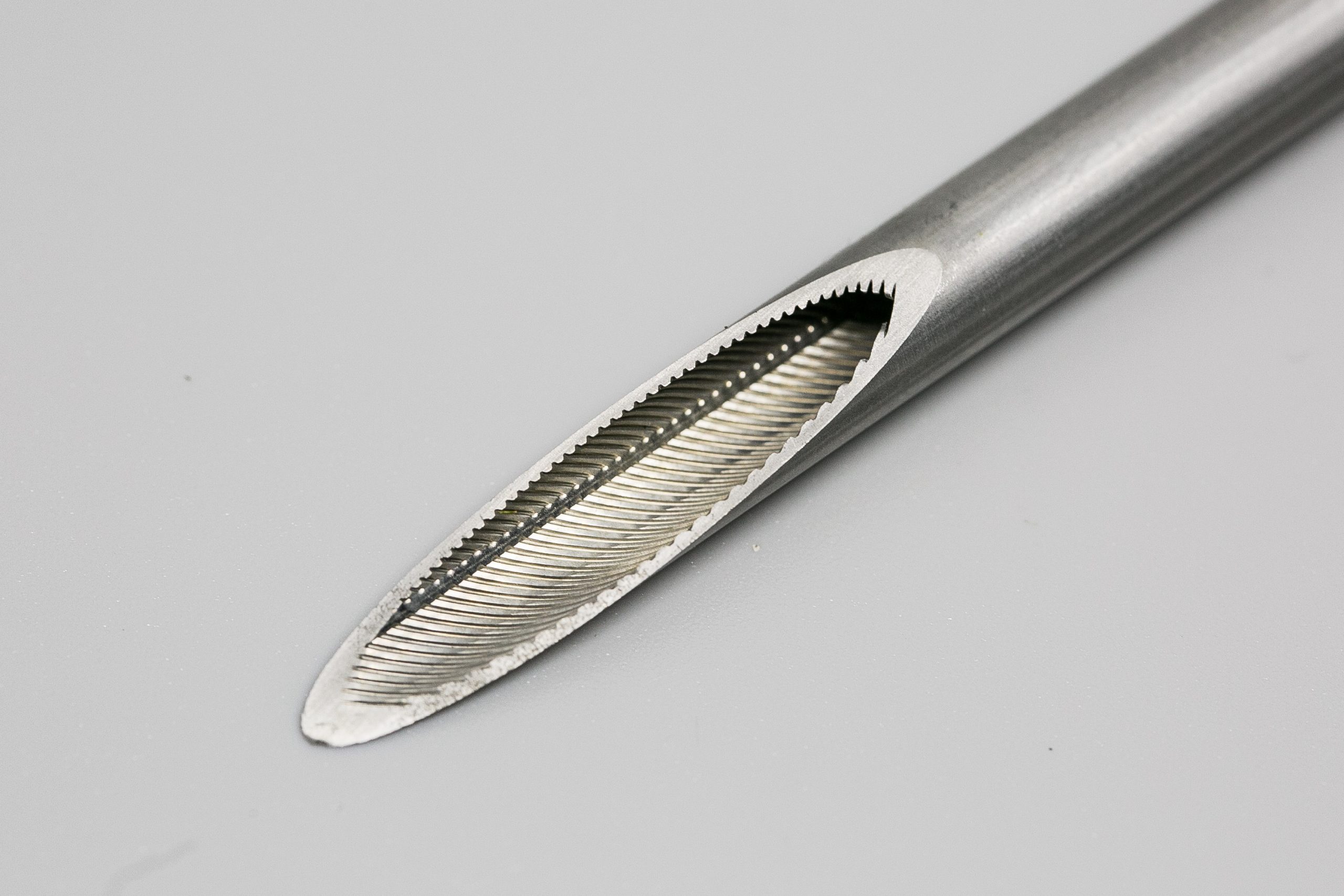
GAOFA TECH supplies inner grooved tubes, internally grooved tubes and selected enhanced heat transfer tubes in titanium, stainless steel and selected nickel alloy materials. These tubes are reviewed for heat exchanger, condenser, evaporator, refrigeration and corrosive cooling applications where tube geometry, material selection and heat transfer requirements are important.
Final material and groove design should be confirmed according to working medium, temperature, pressure, corrosion conditions, heat transfer target, pressure drop, fouling risk, fabrication process and customer specification.
Inner Grooved Tube Purchase Information
This page is the general hub for inner grooved tubes and enhanced heat transfer tubes. It supports broad search intent while linking to material-specific pages such as Titanium Inner Grooved Tube.
General page for broad enhanced tube search intent and material selection.
Material selection depends on corrosion and heat transfer requirements.
Groove geometry should be confirmed by drawing or sample.
Application data is needed before material and profile review.
Who Commonly Reviews Inner Grooved Tubes?
Inner grooved tube inquiries usually come from buyers who need tube-side heat transfer enhancement, material replacement review, corrosion-resistant heat transfer tubes, refrigeration performance improvement or custom enhanced tube profile development.
Industrial Refrigeration Equipment Manufacturers
Review stainless steel, titanium or copper-replacement inner grooved tubes for industrial refrigeration, chiller, evaporator and condenser applications.
Condenser and Evaporator Manufacturers
Evaluate internally grooved tubes when refrigerant-side or tube-side heat transfer, pressure drop and coil / tube bundle design must be reviewed together.
Shell and Tube Heat Exchanger Manufacturers
Review inner grooved or other enhanced heat transfer tubes when the design requires tube-side performance improvement.
Seawater and Marine Cooling Equipment Buyers
Compare titanium inner grooved tubes with smooth titanium tubes for seawater, brine and chloride-containing cooling service.
Copper Replacement and Corrosion Review Projects
Review stainless steel or titanium inner grooved tubes when copper price pressure, corrosion, water quality or lifecycle cost creates a material review need.
Custom Enhanced Tube Development Buyers
Provide drawings, samples, groove geometry, bottom wall thickness, heat transfer target and order quantity for custom profile feasibility review.
What Is an Inner Grooved Tube?
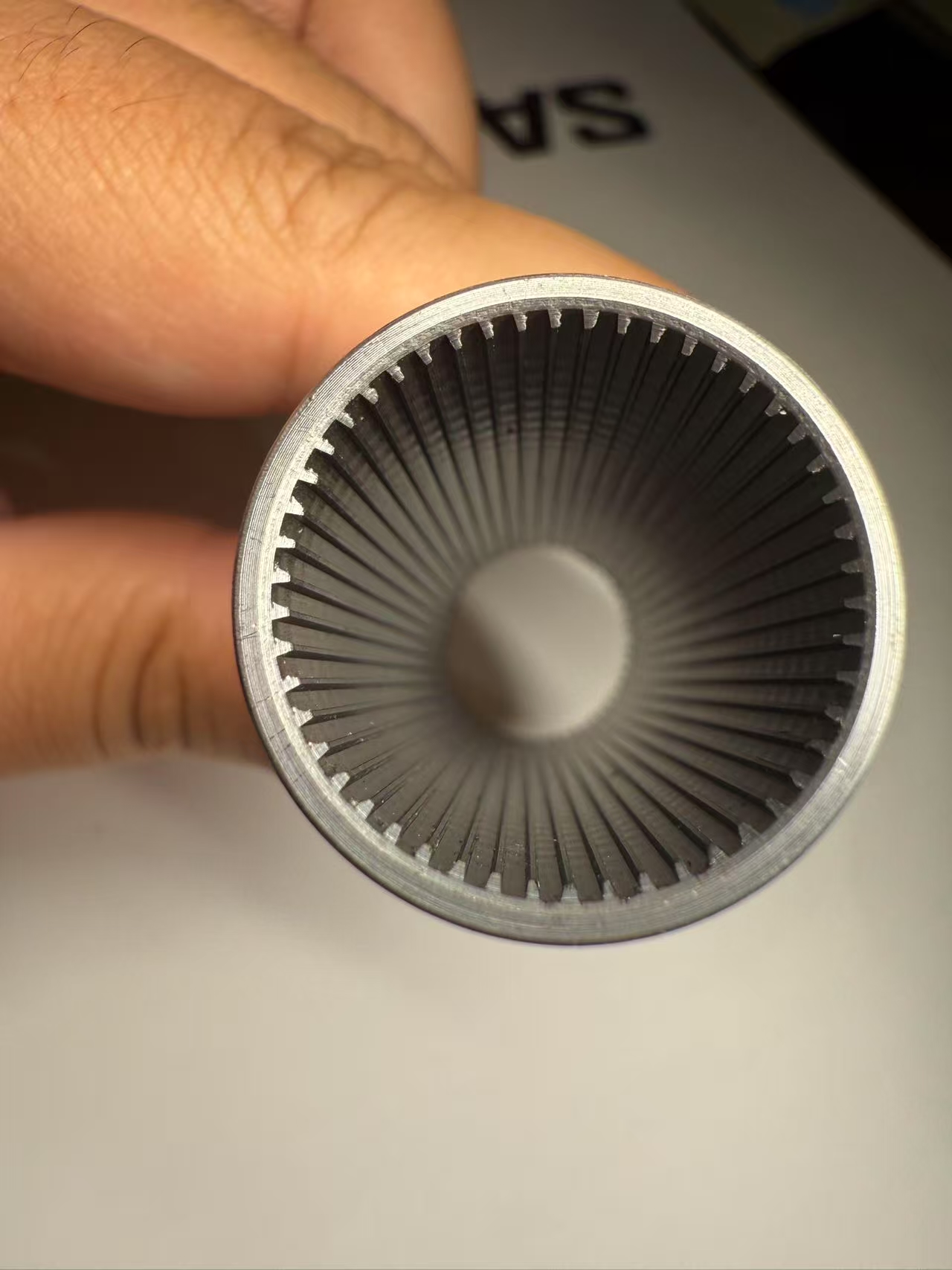
An inner grooved tube, also called an internally grooved tube, is a heat transfer tube with helical, spiral or specially formed grooves on the inner surface. Compared with a smooth tube, the internal grooves increase internal surface area and can promote turbulence or secondary flow under suitable flow conditions.
Inner grooved tubes are commonly reviewed for condensers, evaporators, refrigeration systems and shell and tube heat exchangers where tube-side heat transfer performance is important. However, the final result depends on the complete heat exchanger design, not only the tube profile.
- An inner grooved tube does not automatically improve every heat exchanger design.
- Groove depth, pitch, helix angle, wall thickness and pressure drop should be reviewed together.
- Material selection depends on working medium, corrosion conditions, temperature, pressure and customer specification.
- For copper replacement projects, thermal calculation, pressure drop review, prototype testing or customer design approval is recommended.
Inner Grooved Tubes and Enhanced Tube Options
The Inner Grooved Tube page is a hub page. It covers general enhanced tube selection and avoids conflict with the dedicated Titanium Inner Grooved Tube page.
Inner Grooved Tube
Tubes with internal grooves designed to increase internal surface area and support tube-side heat transfer review under suitable operating conditions.
Stainless Steel Inner Grooved Tube
Stainless steel inner grooved tubes may be reviewed for refrigeration, condenser, evaporator and heat exchanger applications where stainless steel is acceptable for the working medium.
Titanium Inner Grooved Tube
Titanium Grade 1 and Grade 2 inner grooved tubes may be reviewed for seawater, brine, chloride-containing cooling and selected corrosive applications.
Selected Nickel Alloy Enhanced Tubes
Selected nickel alloy tube options may be reviewed for corrosive or high-temperature heat transfer applications where stainless steel or titanium is not suitable.
Low Fin Tube
Low fin tubes are another enhanced tube direction, usually reviewed where external surface area enhancement is useful for the heat exchanger design.
Special Enhanced Profiles
Special enhanced profiles can be reviewed according to drawing, sample, material, OD, wall thickness, bottom wall, length and quantity.
Stainless Steel Inner Grooved Tube Options
GAOFA TECH integrates stainless steel inner grooved tube information into this general Inner Grooved Tube hub page, instead of creating a separate thin page at this stage.
When Stainless Steel Inner Grooved Tubes Are Reviewed
Stainless steel inner grooved tubes may be reviewed for condenser, evaporator, refrigeration and heat exchanger applications where stainless steel corrosion resistance, mechanical strength and cost control are important.
- Common material directions may include 304, 304L and 316L, with other stainless grades reviewed according to size, groove geometry and application.
- Stainless steel inner grooved tubes may be more economical than titanium in selected non-seawater or less aggressive cooling applications.
- They should not be treated as a direct replacement for titanium in seawater, brine or high-chloride media without corrosion review.
- Suitability depends on working medium, chloride level, temperature, pressure, flow velocity, cleaning chemicals and customer specification.
Typical Review Points for Stainless Options
When reviewing stainless steel inner grooved tubes, buyers should clarify the operating environment and performance target before comparing stainless steel with titanium, copper or nickel alloy options.
Material Selection for Inner Grooved Tubes
Inner grooved tube material should be selected according to corrosion risk, working medium, chloride level, temperature, pressure, forming method, heat transfer requirement and lifecycle cost.
| Material Direction | Target Search Intent | Typical Review Direction | Selection Notes |
|---|---|---|---|
| Titanium Inner Grooved Tube | titanium inner grooved tube / corrosion-resistant inner grooved tube | Seawater cooling, brine, chloride-containing media, corrosion-resistant condensers and evaporators | Often reviewed where corrosion resistance is more important than material thermal conductivity alone. Detailed titanium-specific information is handled on the dedicated Titanium Inner Grooved Tube page. |
| Stainless Steel Inner Grooved Tube | stainless steel inner grooved tube / stainless inner grooved tube | Industrial refrigeration, condensers, evaporators, heat exchangers and general cooling systems | May be reviewed where stainless steel corrosion resistance, mechanical strength and cost control are acceptable for the working medium. |
| Duplex / Super Duplex Options | duplex enhanced tube / corrosion-resistant stainless inner grooved tube | Higher chloride resistance and higher strength applications | Feasibility depends on tube size, processing route, groove forming, order quantity and customer standard. |
| Selected Nickel Alloy Options | nickel alloy enhanced tube / nickel alloy inner grooved tube | Corrosive heat exchangers, chemical cooling, high-temperature or special media applications | Nickel alloy enhanced tubes should be reviewed case by case according to alloy grade, size, manufacturability and working conditions. |
| Copper / Aluminum Reference | traditional HVAC inner grooved tube reference | Air-conditioning and refrigeration tube systems | GAOFA TECH focuses on titanium, stainless steel and selected nickel alloy directions. Copper replacement should be evaluated by system design, not only by material conductivity. |
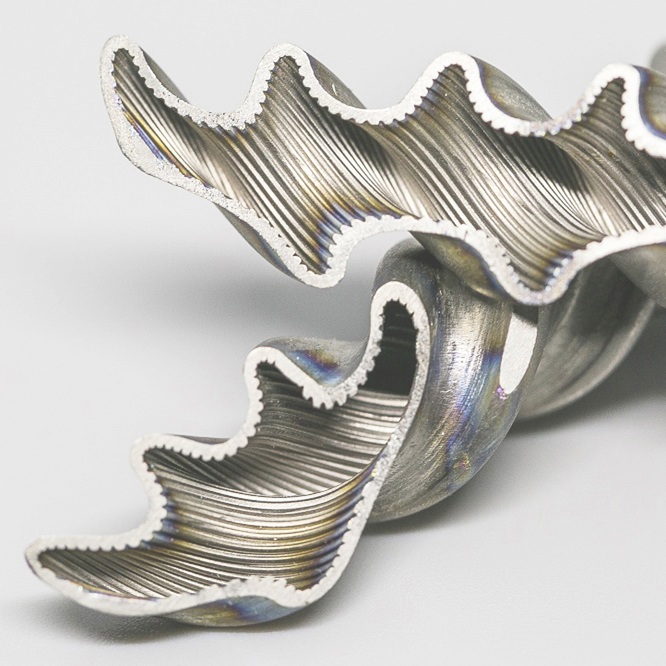
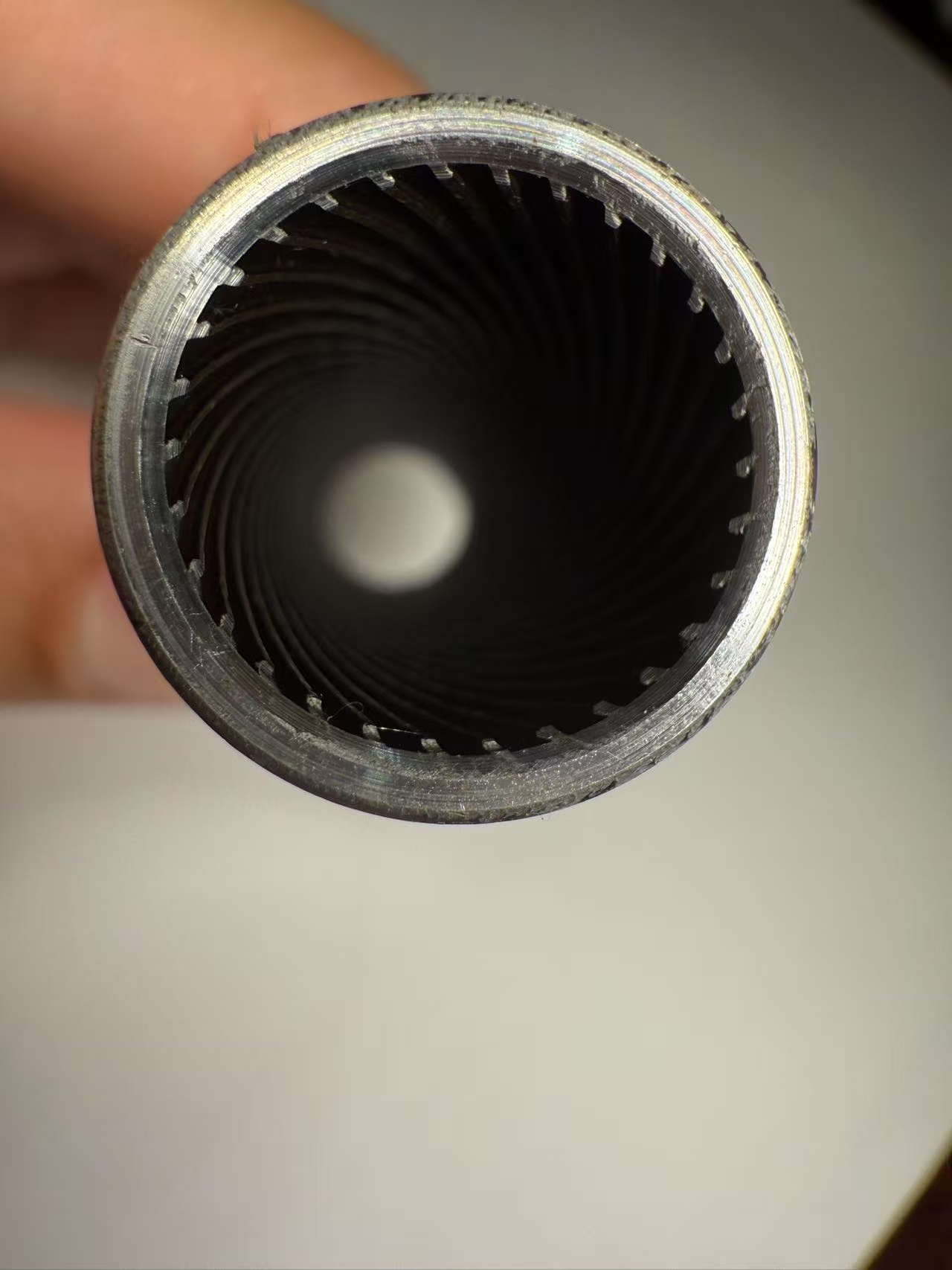
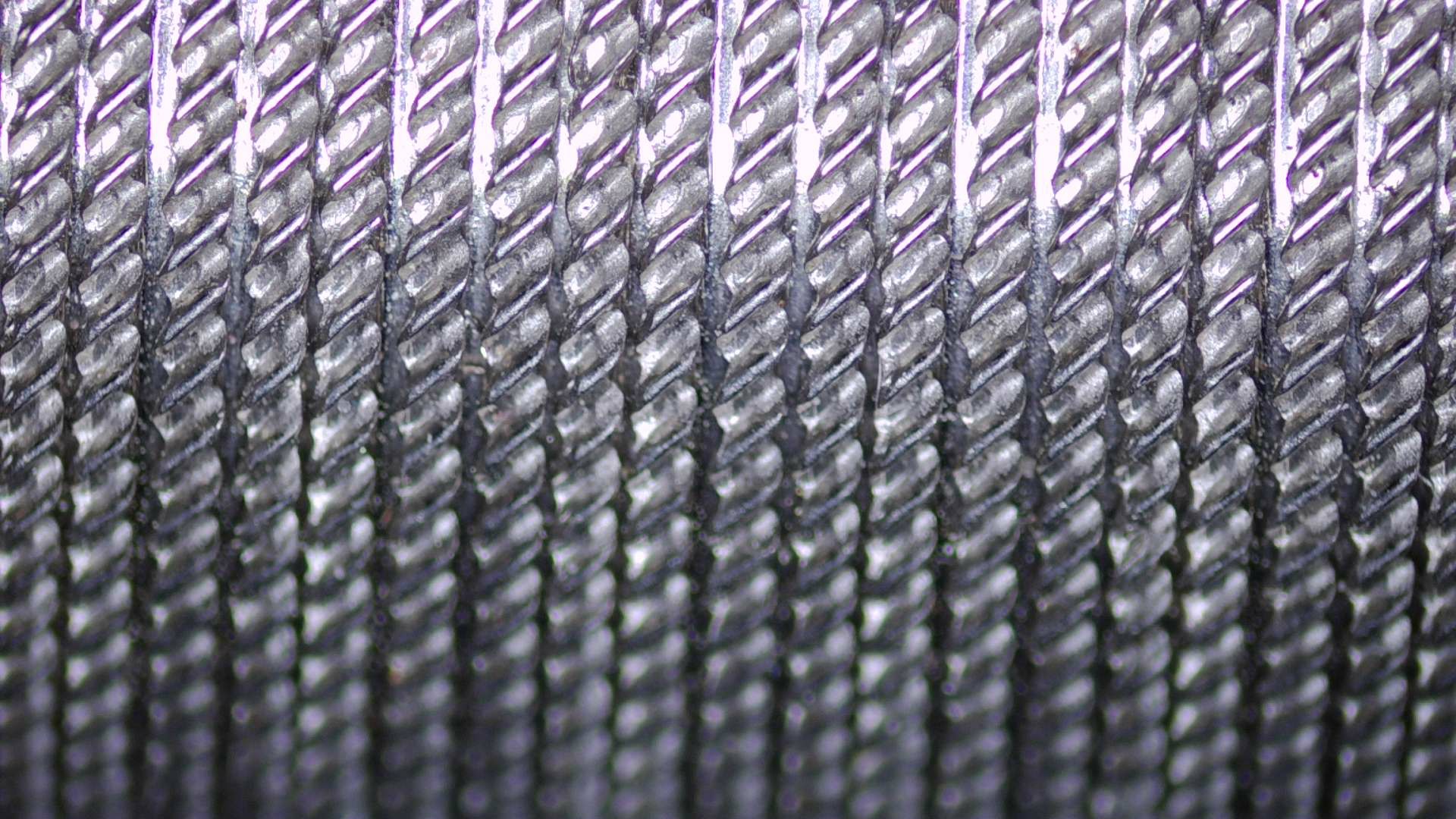
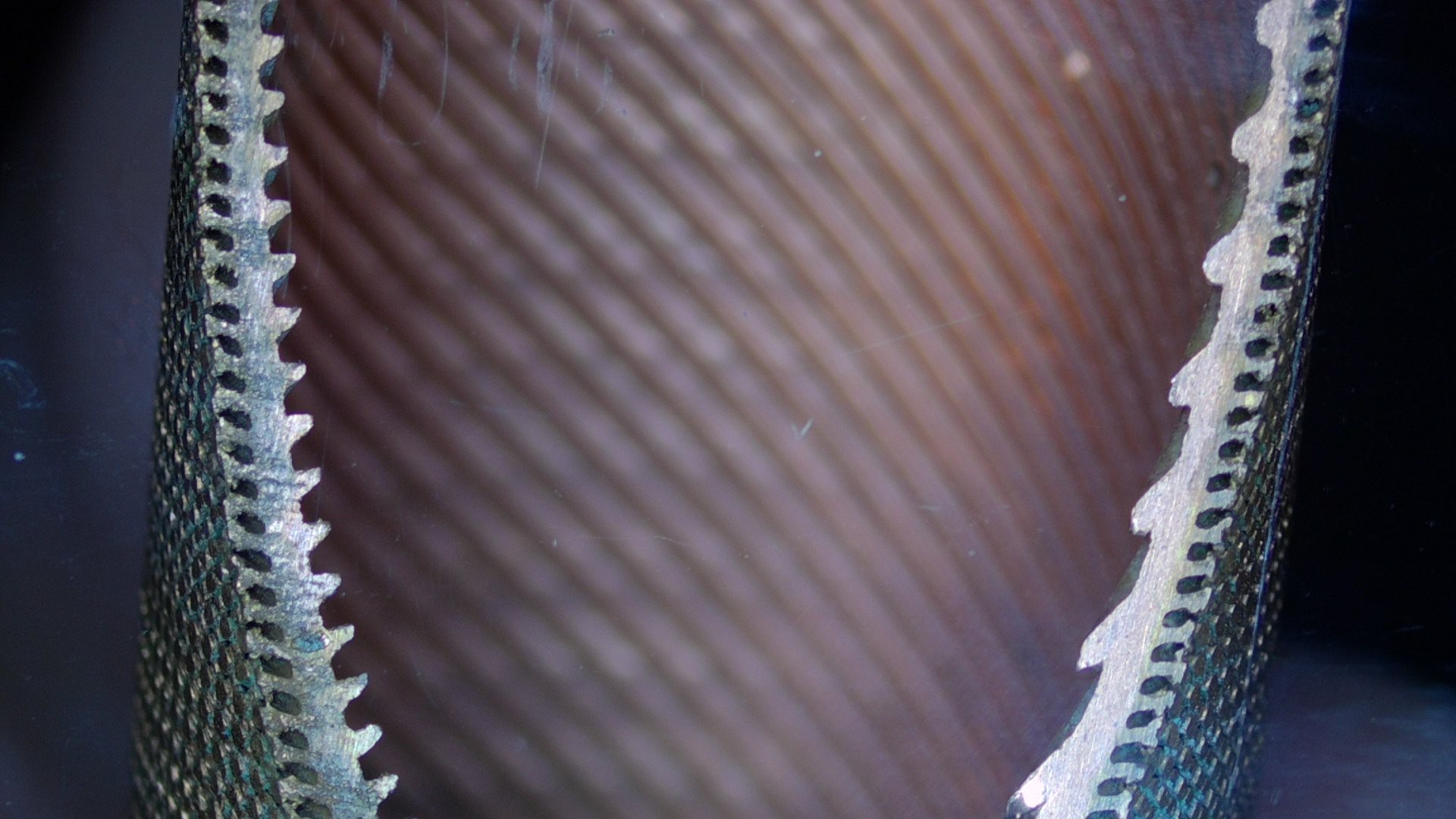
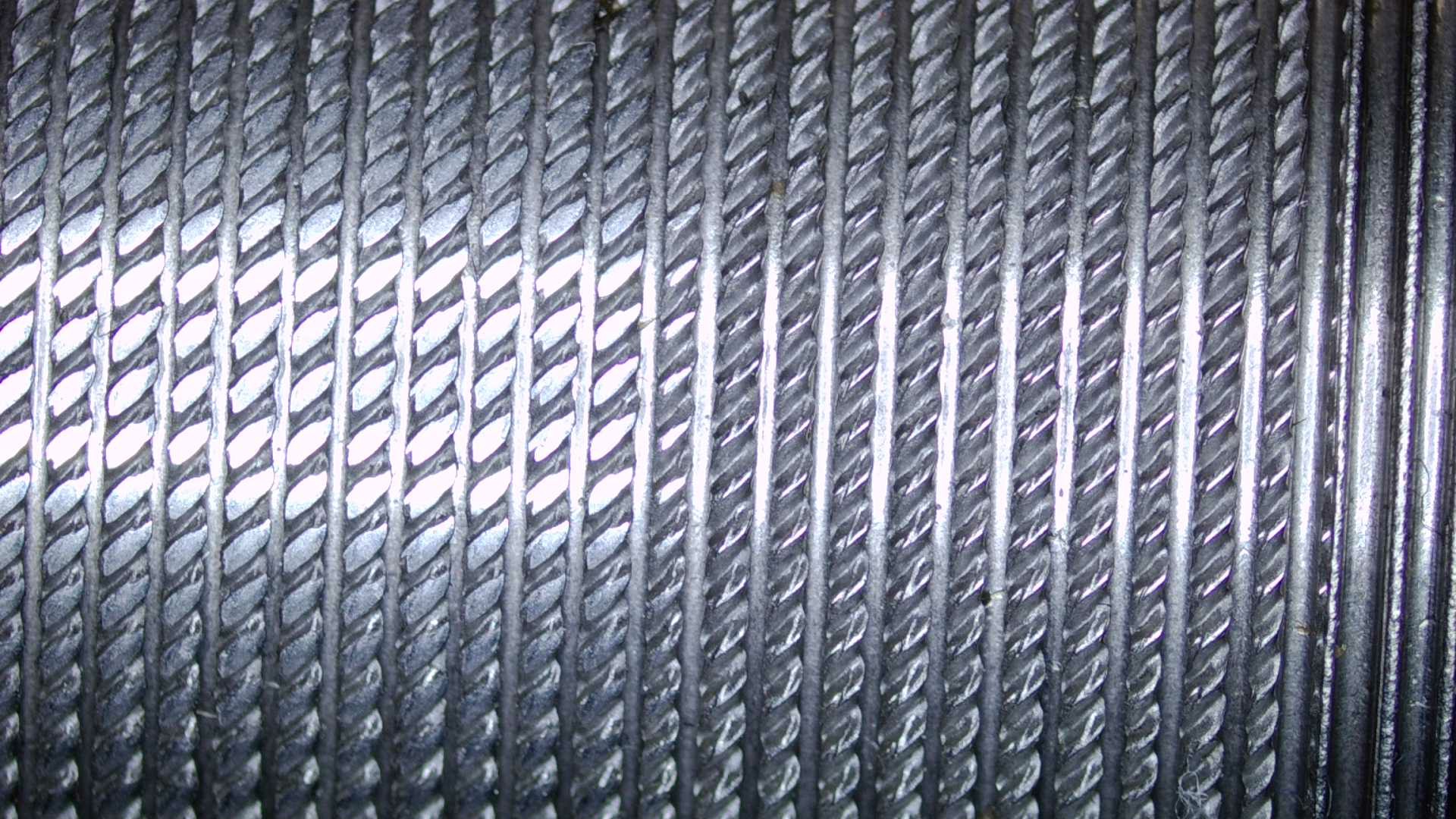
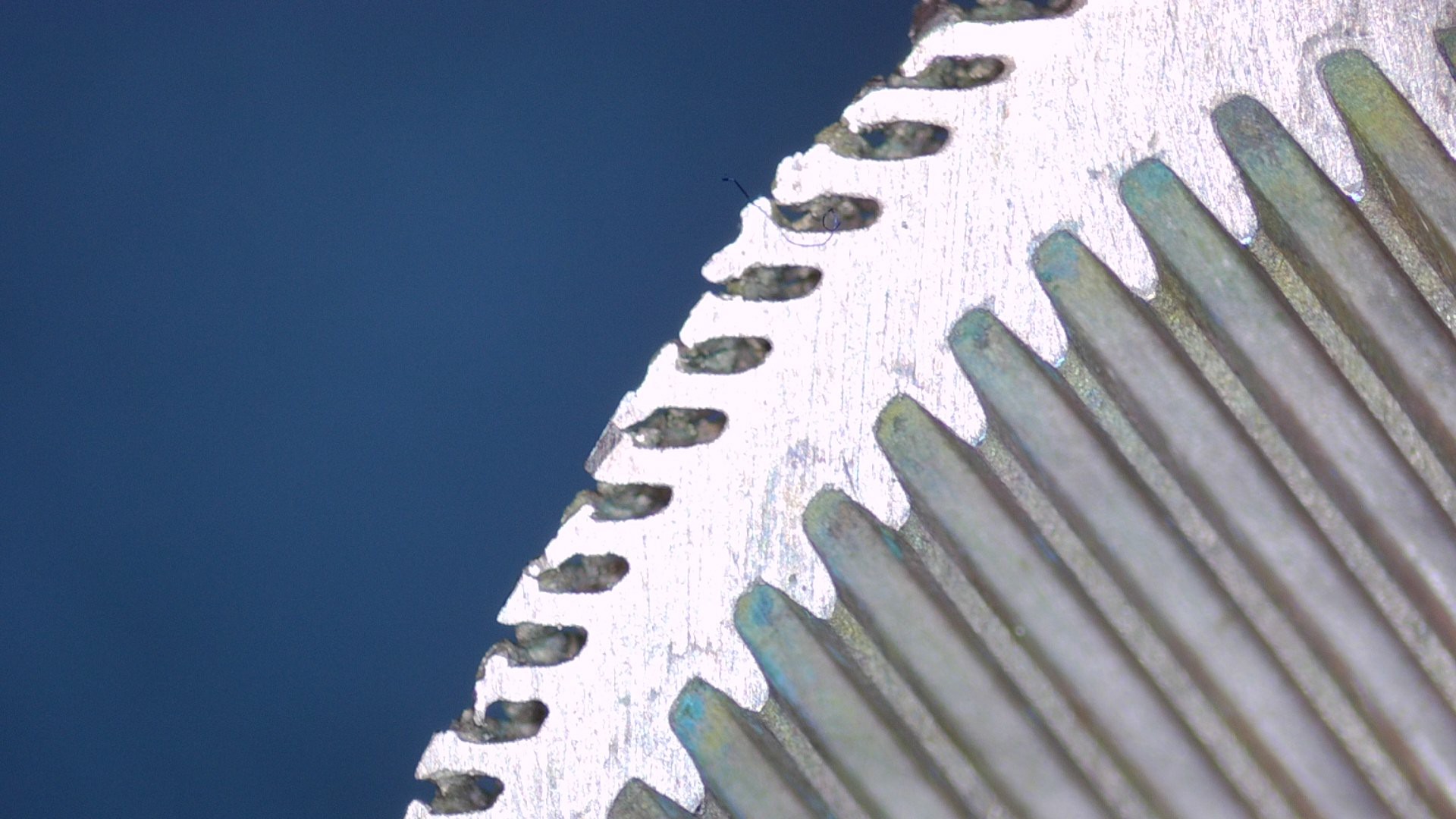
Inner Groove Profile and Tooth Shape Examples
Different groove profiles can affect internal surface area, turbulence, pressure drop, bottom wall thickness, forming feasibility and inspection method. These photos are used as visual references; final production should follow customer drawing or agreed sample.
Inner Grooved Tube vs Low Fin Tube vs Smooth Tube
Buyers searching for enhanced tube or enhanced heat transfer tube may compare several tube structures. The correct choice depends on which side of the tube needs enhancement and how the heat exchanger is designed.
| Tube Type | Enhancement Position | Main Purpose | Typical Review Direction |
|---|---|---|---|
| Smooth Tube | No enhanced profile | General heat transfer and simpler cleaning | Used when the standard smooth tube design already meets heat transfer, pressure drop and cleaning requirements. |
| Inner Grooved Tube | Internal surface | Improve tube-side heat transfer under suitable flow conditions | Reviewed for condensers, evaporators, refrigeration systems and heat exchangers where tube-side performance is important. |
| Low Fin Tube | External surface | Increase outside surface area | Reviewed where shell-side or external surface enhancement is useful for the heat exchanger design. |
| Special Enhanced Tube | Internal, external or combined profile | Meet custom performance or design target | Requires drawing, sample, thermal design requirement, pressure drop review and manufacturability confirmation. |
When Should Buyers Choose Inner Grooved Tubes?
This decision section is written for engineers and procurement teams comparing inner grooved tube, smooth tube, low fin tube, titanium tube, stainless steel tube, copper tube and nickel alloy enhanced tube options.
| Buyer Situation | How Inner Grooved Tube Should Be Reviewed | What to Compare Before Selection |
|---|---|---|
| Tube-side heat transfer is the main design limitation | Review inner grooved tube when the design needs internal surface enhancement and the allowable pressure drop can be checked. | Smooth tube, inner grooved tube, low fin tube, special enhanced tube, full thermal design data. |
| Condenser or evaporator manufacturer wants enhanced refrigerant-side performance | Review groove depth, pitch, helix angle, tube OD, wall thickness, refrigerant, flow rate and pressure drop together. | Existing copper inner grooved tube, stainless inner grooved tube, titanium inner grooved tube or smooth tube design. |
| Seawater, brine or chloride-containing cooling causes corrosion concern | Review titanium inner grooved tube or other corrosion-resistant material directions instead of judging by thermal conductivity alone. | Titanium smooth tube, titanium inner grooved tube, stainless steel, duplex stainless, nickel alloy or customer-approved material. |
| Copper tube cost or corrosion risk is becoming a procurement issue | Review stainless or titanium inner grooved tube as part of a design and lifecycle-cost review, not as a direct one-to-one substitution. | Thermal calculation, pressure drop, corrosion data, forming / joining method, cleaning method and customer design approval. |
| Fouling, scaling or mechanical cleaning is a major concern | Review whether the internal grooves may increase fouling or cleaning difficulty before choosing an enhanced profile. | Smooth tube, larger tube size, different material, cleaning method, water treatment and maintenance strategy. |
| Customer needs a custom groove profile | Review drawing, sample, bottom wall thickness, tooling feasibility, minimum quantity, sample validation and inspection method before quotation. | Existing sample, performance target, manufacturability, inspection feasibility and cost / lead time. |
Tube-Side Enhancement Needed
Inner grooved tubes are strongest when tube-side heat transfer is important and pressure drop can be reviewed within the equipment design.
Fouling or Cleaning-Sensitive Service
Enhanced profiles may not be the best route if fouling, deposits or mechanical cleaning are more important than heat transfer gain.
Copper or Stainless Replacement
Material replacement should be reviewed with corrosion data, heat transfer target, wall thickness, pressure drop and customer approval.
Key Parameters for Inner Grooved Tubes
Groove geometry is a critical purchasing and engineering detail. A deeper groove or more complex profile does not automatically mean better heat transfer performance.
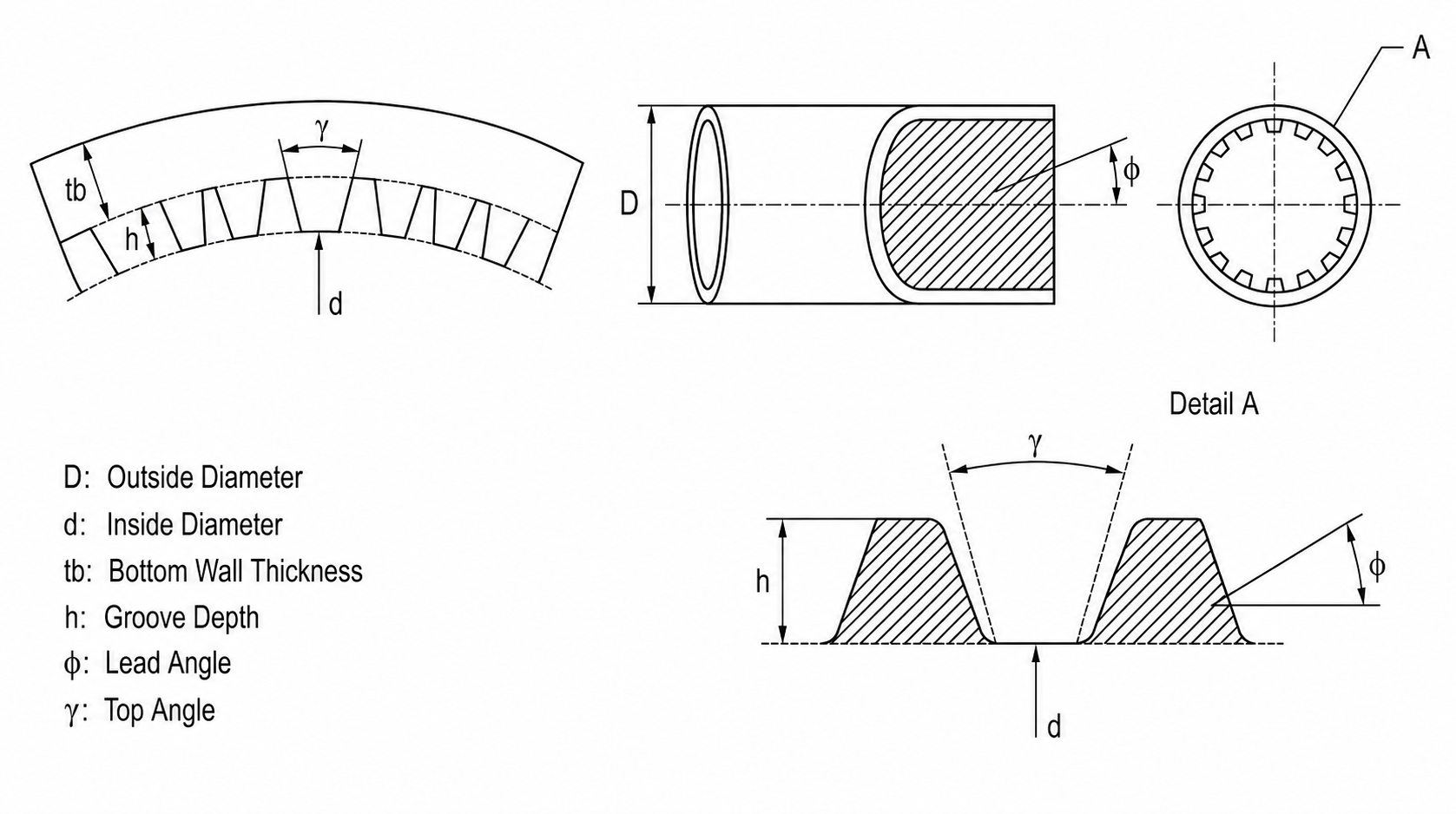
| Parameter | What to Confirm | Why It Matters |
|---|---|---|
| Tube OD | Outer diameter, tolerance and required length | OD affects tooling, forming feasibility, assembly method, bundle design and packing. |
| Wall Thickness / Bottom Wall | Total wall thickness and bottom wall thickness after grooving | Bottom wall thickness affects tube strength, pressure review and manufacturability. |
| Groove Depth | Groove depth or drawing requirement | Groove depth affects surface area, turbulence, pressure drop and remaining wall thickness. |
| Groove Pitch | Axial pitch or distance between grooves | Pitch influences heat transfer behavior, flow resistance and forming feasibility. |
| Helix Angle | Helical angle or spiral direction | Helix angle affects fluid movement and should be reviewed with the full thermal design. |
| Number of Grooves | Groove count or profile drawing | Groove count helps define the internal profile and supports tooling evaluation. |
| Material Grade | Titanium, stainless steel or selected nickel alloy grade | Material affects corrosion resistance, forming difficulty, cost, availability and testing requirements. |
| Application Data | Medium, temperature, pressure, flow rate, heat transfer duty and pressure drop limit | Application data is needed to evaluate whether an enhanced tube is suitable for the design. |
How GAOFA TECH Reviews an Inner Grooved Tube Project
For inner grooved tubes, early technical review is important because material, groove geometry, bottom wall, forming route, inspection method and application data all affect feasibility and quotation.
Confirm condenser, evaporator, refrigeration, seawater cooling, chemical cooling or other use, including medium, temperature, pressure and corrosion data.
Compare titanium, stainless steel, duplex, nickel alloy or other material directions according to corrosion resistance, cost, forming and specification.
Review OD, WT, bottom wall, groove depth, pitch, helix angle, groove count, drawing, sample or target profile before quotation.
Confirm sample feasibility, dimensional inspection, groove profile review, NDT / tightness test, end protection, packing and documents as required.
Applications of Inner Grooved Tubes and Enhanced Heat Transfer Tubes
GAOFA TECH focuses on industrial B2B tube applications where material choice, heat transfer requirement, corrosion resistance and specification control are important.
Condensers
Inner grooved tubes may be reviewed for condenser designs where tube-side heat transfer enhancement and material selection are important.
Evaporators
Enhanced tubes can be discussed for evaporator applications where internal surface enhancement, working fluid and pressure drop are reviewed together.
Industrial Refrigeration
Stainless steel or titanium inner grooved tubes may be reviewed for industrial refrigeration systems depending on medium, corrosion risk and design target.
Shell & Tube Heat Exchangers
Enhanced heat transfer tubes may be reviewed for shell and tube heat exchangers when the design requires tube-side performance improvement.
Seawater & Marine Cooling
Titanium inner grooved tubes may be considered for seawater, brine or chloride-containing cooling media when corrosion resistance is required.
Chemical Cooling
Selected titanium, stainless steel or nickel alloy enhanced tubes may be reviewed for chemical cooling and corrosive heat transfer applications.
Copper Replacement Review
Titanium or stainless steel enhanced tubes may be reviewed where copper cost pressure, corrosion risk or lifecycle cost concerns exist.
Air Conditioning & HVAC Review
Inner grooved tube concepts are common in HVAC and refrigeration, but material and profile selection should follow the specific equipment design.
Special Tube Development
Custom enhanced tube profiles can be reviewed according to drawing, sample, tube material, OD, wall thickness, length and quantity.
Can Inner Grooved Tubes Help Replace Copper Tubes?
Some buyers review titanium or stainless steel inner grooved tubes when copper cost, corrosion behavior, water quality or maintenance cost becomes a concern. This should be handled as a design review, not a simple material substitution.
| Review Item | Why It Matters | Recommended Buyer Input |
|---|---|---|
| Current Copper Tube Design | Tube OD, wall thickness, groove profile and heat transfer area affect replacement feasibility | Current copper tube drawing, material, OD, wall thickness, length and quantity |
| Working Medium | Corrosion and fouling behavior depend strongly on fluid chemistry | Medium type, chloride level, pH, temperature, concentration and cleaning method |
| Heat Transfer Target | Material conductivity alone does not determine final heat exchanger performance | Cooling capacity, heat duty, flow rate, allowable pressure drop and design approval method |
| Corrosion / Failure Background | Replacement material should be selected based on the actual failure reason | Corrosion photos, failure mode, service time, cleaning chemicals and water quality data |
| Lifecycle Cost | Initial tube cost, maintenance cost, downtime and corrosion resistance should be reviewed together | Target cost, expected service life, maintenance frequency and operating conditions |
Inspection Support for Inner Grooved Tubes
Inspection requirements should be confirmed according to material grade, tube size, groove geometry, application and customer specification. Inner grooved tubes may require additional attention to internal profile, wall thickness and tube end condition.
| Inspection Item | Purpose | Common Discussion Point |
|---|---|---|
| Material Verification | Confirm material grade and traceability | MTC, heat number, chemical composition and PMI checking when required |
| Dimensional Inspection | Review OD, wall thickness, length and tolerance | OD, wall thickness, bottom wall and length should follow drawing or agreed specification |
| Groove Profile Review | Check groove structure and consistency | Groove depth, pitch, helix direction and visual condition can be reviewed according to order requirement |
| Surface and Inner Condition | Review inner and outer surface condition, tube end condition and handling condition | GAOFA TECH reviews the appropriate internal cleaning, air blowing, sponge checking, tube end protection and packing method according to tube use, production route and agreed inspection scope. |
| NDT or Tightness Test | Review tube integrity according to specification | Eddy current, pneumatic test, hydrostatic test or other testing can be arranged as required or as agreed |
| Packing Review | Protect tube ends and enhanced profiles during shipment | Tube end protection, bundle protection and export packing should be confirmed before shipment |
View Tube Inspection and Quality Control Details
Review GAOFA TECH’s tube inspection examples, including eddy current testing, pneumatic testing, PMI checking, visual inspection, OD and wall thickness inspection, internal cleanliness checking, fatigue testing and packing review. Actual testing scope, records and videos should be confirmed as required or as agreed.
Information Needed for an Inner Grooved Tube Quotation
A complete RFQ helps reduce repeated communication and avoids misunderstanding of material, groove geometry, inspection and application requirements.
For new groove development, stainless steel inner grooved tube review or copper replacement projects, please provide as much technical background as possible before quotation.
Copy Basic RFQ Template
Copy this short template and send us the basic enhanced tube requirement.
Material Grade:
Tube Type:
Size: OD × Wall Thickness × Length
Groove Geometry:
Quantity:
Application:
- Tube type: inner grooved tube, internally grooved tube, low fin tube or other enhanced heat transfer tube
- Material grade: titanium Gr1 / Gr2, stainless steel 304 / 316L, duplex, selected nickel alloy or customer-specified material
- Tube size: OD, wall thickness, bottom wall thickness, length and tolerance
- Groove geometry: groove depth, pitch, helix angle, groove number or drawing
- Application: condenser, evaporator, refrigeration, heat exchanger, seawater cooling, chemical cooling or other use
- Working conditions: medium, temperature, pressure, flow rate, chloride level, pH, fouling risk and cleaning method
- Thermal design target: cooling capacity, heat duty, allowable pressure drop and design approval method
- Current tube background: current material, smooth tube or copper tube size, failure reason or cost pressure if applicable
- Inspection requirements: dimensional inspection, groove review, eddy current, pneumatic, hydrostatic, PMI or other agreed test
- Documents / records: MTC, inspection report, test record and packing photos as required or as agreed
- Packing requirement: tube end protection, bundle packing, wooden case or customized export packing
- Quantity, destination and expected delivery schedule
Send Your Inner Grooved Tube Requirement
Please send your material grade, tube size, groove drawing, quantity, application, working medium, heat transfer target and inspection requirement. GAOFA TECH will review feasibility and quotation details according to your specification.
Inner Grooved Tube FAQ
What is an inner grooved tube?
An inner grooved tube, also called an internally grooved tube, is a heat transfer tube with helical, spiral or specially formed grooves on the inner surface. The internal grooves increase surface area and may promote turbulence under suitable flow conditions.
What is the difference between an inner grooved tube and a smooth tube?
A smooth tube has a plain inner surface, while an inner grooved tube has internal grooves designed to enhance tube-side heat transfer. Inner grooved tubes may improve performance in selected designs, but pressure drop, fouling, cleaning and manufacturability should also be reviewed.
Can you supply stainless steel inner grooved tubes?
Stainless steel inner grooved tubes can be reviewed according to grade, OD, wall thickness, groove profile, order quantity and application. They may be considered for refrigeration, condenser, evaporator and heat exchanger applications where stainless steel is acceptable for the working medium.
Can you supply titanium inner grooved tubes?
Titanium Grade 1 and Grade 2 inner grooved tubes can be reviewed for seawater, brine, chloride-containing cooling and selected corrosive heat exchanger applications. For titanium-specific details, please refer to GAOFA TECH’s dedicated Titanium Inner Grooved Tube page.
Are inner grooved tubes the same as enhanced heat transfer tubes?
Inner grooved tubes are one type of enhanced heat transfer tube. Enhanced tubes can also include low fin tubes or other special tube profiles depending on whether the design needs internal or external surface enhancement.
Can inner grooved tubes replace copper tubes?
Titanium or stainless steel inner grooved tubes may be reviewed as copper tube alternatives in selected condenser, evaporator, refrigeration or heat exchanger applications. Final replacement should be validated according to thermal design, working medium, corrosion conditions, pressure drop and customer specification.
Do deeper grooves always improve heat transfer?
Not always. Groove depth should be reviewed together with groove pitch, helix angle, bottom wall thickness, fluid properties, flow rate, pressure drop and fouling risk.
What information is needed before quotation?
Please provide material grade, tube OD, wall thickness, bottom wall thickness, groove depth, pitch, helix angle or drawing, length, quantity, application, working medium, heat transfer target, inspection requirement and packing requirement.
Can GAOFA TECH develop a custom inner grooved tube profile?
Custom profiles can be reviewed according to drawing, sample, material, tube size, bottom wall thickness, order quantity and tooling feasibility. Sample development and production feasibility should be confirmed before order production.
Will this page conflict with the Titanium Inner Grooved Tube page?
No. This page is the general inner grooved tube and enhanced heat transfer tube hub page, while the Titanium Inner Grooved Tube page is a material-specific product page. The pages should remain separate and self-canonical.
Can inspection reports or videos be provided?
Inspection reports, test records and packing photos can be prepared as required or as agreed in the purchase specification. Actual testing method, sampling level, acceptance criteria and supporting documents should be confirmed before order production.
Who commonly buys inner grooved tubes?
Common buyer groups include condenser manufacturers, evaporator manufacturers, industrial refrigeration equipment manufacturers, shell and tube heat exchanger manufacturers, seawater cooling equipment buyers, chemical cooling equipment buyers and companies reviewing copper tube replacement or custom enhanced tube profiles.
When should buyers choose inner grooved tube instead of low fin tube?
Inner grooved tube should be reviewed when tube-side heat transfer enhancement is the main design target. Low fin tube should be reviewed when external or shell-side surface area enhancement is more important. The correct choice depends on the heat exchanger design, medium, flow condition, pressure drop and cleaning method.
When is a smooth tube better than an inner grooved tube?
A smooth tube may be better when the design already meets heat transfer requirements, when fouling or scaling risk is high, when mechanical cleaning is important, or when pressure drop must be minimized. Enhanced tube selection should follow the full thermal and maintenance review.
What is the most important groove geometry data for quotation?
Important groove data includes tube OD, wall thickness, bottom wall thickness, groove depth, groove pitch, helix angle, groove count, tube length, material grade and tolerance. A drawing, sample or existing tube specification is strongly recommended for new development.
Can stainless steel inner grooved tube be used for refrigeration?
Stainless steel inner grooved tube may be reviewed for refrigeration, condenser and evaporator applications where stainless steel is acceptable for the working medium. Refrigerant, pressure, heat transfer target, chloride level, forming method and equipment design should be reviewed before selection.
Can titanium inner grooved tube be used for seawater cooling?
Titanium inner grooved tube may be reviewed for seawater, brine and chloride-containing cooling applications where corrosion resistance is important. Final suitability depends on medium chemistry, temperature, pressure, heat transfer design, fouling risk and customer specification.