
Seamless vs Welded Tubes Selection Guide
How to Select Tube Manufacturing Route for Heating Elements, Heat Exchangers, Condensers, Evaporators, Refrigeration Equipment and Structural Titanium Applications
GAOFA TECH supplies stainless steel seamless tubes, stainless steel welded tubes, titanium seamless tubes, titanium welded tubes and nickel alloy tubes for different heating, heat exchanger, refrigeration, corrosion-resistant and structural applications.
Seamless vs welded tube selection is not only a manufacturing process choice. It should be reviewed according to application, working medium, pressure, temperature, corrosion condition, forming process, inspection requirement and customer specification.
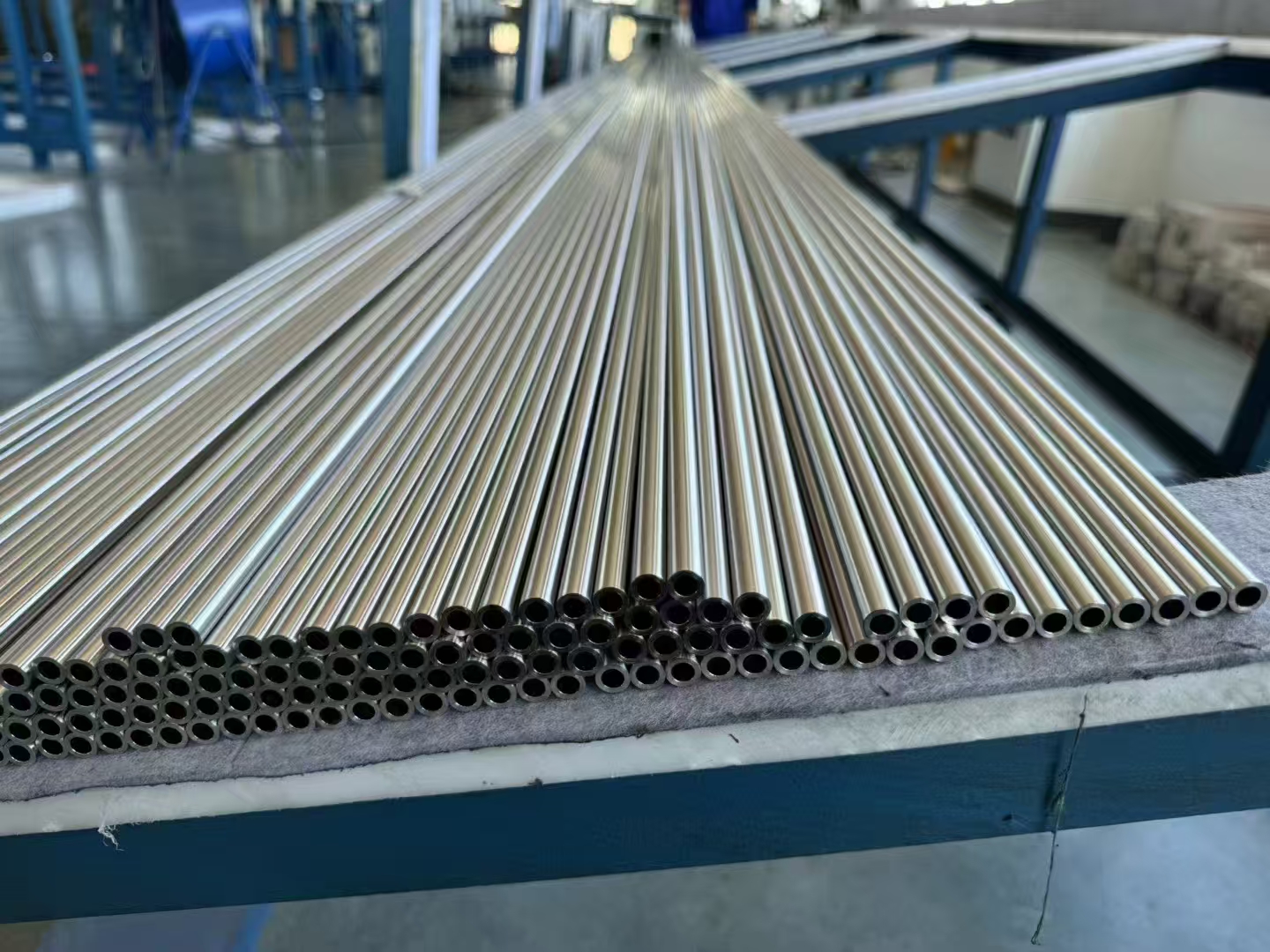
What Is the Difference Between Seamless and Welded Tubes?
Seamless tubes are produced without a longitudinal weld seam, while welded tubes are formed from strip or plate and joined by a controlled longitudinal weld. Both tube types can be technically suitable when the application, material, pressure, corrosion condition, forming route and customer standard allow.
Often reviewed for demanding forming, higher pressure, small-diameter precision, thick-wall or structural applications.
Can be suitable for many heat exchanger, heating element and industrial applications when quality and inspection are controlled.
Seamless is not always better, and welded is not automatically lower quality. The application decides.
The final choice should follow medium, pressure, temperature, forming, corrosion, testing and customer approval.
Seamless vs Welded Tubes: Quick Selection Summary
This table is for early selection review. It should not replace customer drawings, design standards, pressure calculation, corrosion review or project-specific inspection requirements.
| Review Factor | Seamless Tube | Welded Tube |
|---|---|---|
| Weld seam | No longitudinal weld seam. | Has a longitudinal weld seam that must be controlled by process and inspection. |
| Cost direction | Usually higher cost and sometimes longer lead time. | Usually more economical for regular sizes and volume production. |
| Pressure review | Often selected for higher pressure, strict design or customer-required seamless applications. | Can be used when design standard, pressure calculation and customer specification allow. |
| Forming / bending | Often reviewed for demanding forming, small diameter or critical bending routes. | Depends on weld seam quality, annealing condition, weld seam position and forming validation. |
| Heat exchanger use | Used where required by design, pressure, corrosion, alloy or customer specification. | Widely used in heat exchangers, condensers, evaporators and refrigeration equipment when standards allow. |
| Cartridge heater use | Often preferred for small-diameter cartridge heater and defrost single-ended heater tubes. | May be reviewed only when fully annealed, weld quality is controlled and customer validation is completed. |
| Structural frame use | Preferred for titanium bicycle and sports wheelchair frame tubes. | Not the main direction for high-fatigue titanium frame tube applications. |
| Inspection focus | Dimensional control, surface, UT / ET / hydrostatic or pneumatic testing by specification. | Weld seam control, eddy current, hydrostatic / pneumatic testing and dimensional inspection by specification. |
When Seamless Tubes Are Usually Reviewed
Seamless tubes are usually reviewed when the application is sensitive to pressure, small diameter, wall thickness, forming route, structural loading, repeated fatigue-related stress or customer-specified seamless construction.
In GAOFA TECH’s typical inquiry range, seamless tubes are especially important for cartridge heater tubes, defrost single-ended heater tubes, selected higher-pressure tube applications, titanium structural frame tubes and customer drawings that specifically require seamless tube supply.
Seamless Is Commonly Considered When:
- The customer drawing requires seamless construction.
- The tube is small-diameter, thick-wall or precision-sized.
- The tube will be swaged, compacted, bent, formed or thermally cycled.
- The application involves higher pressure or stricter inspection requirements.
- The tube is used for cartridge heaters or defrost single-ended heaters.
- The tube is used for titanium bicycle or sports wheelchair frame applications.
When Welded Tubes Can Be a Suitable Choice
Welded tubes can be a suitable and economical choice for many heat exchanger, condenser, evaporator, industrial refrigeration and heating element applications when the design and standard allow welded tube supply.
The key is not only whether the tube is welded. The buyer should review weld seam quality, heat treatment, eddy current testing, hydrostatic or pneumatic testing, surface condition, dimensional tolerance, corrosion condition and downstream forming route.
Welded Tubes Are Often Reviewed For:
- Heat exchanger tube projects where standards and customer specifications allow.
- Condenser and evaporator tubes in cooling, HVAC/R and process equipment.
- Industrial refrigeration tubes by refrigerant, brine, glycol or cooling water condition.
- Heating element sheath tubes where welding quality, annealing and downstream fabrication are validated.
- Regular OD / WT sizes and larger volume production where cost, availability and consistency matter.
Application Matrix: Seamless or Welded Tube Direction
Different applications have different risk points. The same material grade may be acceptable as welded tube in one heat exchanger but require seamless construction in another heater or structural component.
| Application | Common Review Direction | Key Selection Factors |
|---|---|---|
| Cartridge heater tubes | Seamless preferred; fully annealed welded may be reviewed in selected cases. | MgO filling, swaging, compaction, thermal cycling, small OD, weld seam ductility and customer validation. |
| Defrost single-ended heaters | Seamless usually preferred. | Thermal shock, thermal fatigue, repeated heating / cooling cycles, moisture and heater design. |
| Tubular heating elements | Welded or seamless by design and specification. | Bending radius, annealing, working medium, watt density, tube cleanliness, end protection and filling route. |
| Immersion heaters | Stainless steel or nickel alloy welded / seamless by medium. | Corrosion, temperature, pressure, scaling, cleaning and sheath material requirement. |
| Heat exchanger tubes | Welded or seamless by standard, pressure and customer specification. | Pressure, medium, tube sheet, expansion, fouling, corrosion and NDT requirement. |
| Condenser tubes | Welded or seamless by cooling water condition and specification. | Cooling water, chloride, fouling, flow velocity, cleaning and tube expansion. |
| Evaporator tubes | Welded or seamless by refrigerant or secondary medium. | Pressure, refrigerant compatibility, oil return, heat transfer and cleanability. |
| Industrial refrigeration tubes | Welded or seamless by equipment design. | Ammonia, brine, glycol, cooling water, pressure, vibration and corrosion. |
| Titanium bicycle / sports wheelchair tubes | Seamless. | Structural load, fatigue-related review, welding, wall uniformity, straightness and customer drawing. |
| Chemical heat exchanger tubes | Welded or seamless by material and corrosion review. | Medium, concentration, temperature, impurities, corrosion mode and inspection requirement. |
| Seawater cooling tubes | Welded or seamless titanium by design and specification. | Chloride, seawater velocity, tube sheet, galvanic contact, fouling and cleaning. |
| Nickel alloy tubes | Welded or seamless by alloy, service and customer standard. | Temperature, pressure, corrosion, fabrication process and specification. |
Heating Element Tubes: Seamless vs Welded
Heating element tubes can be welded or seamless depending on material grade, heater design, working medium, bending route, annealing condition and customer specification.
Welded tubes are widely reviewed for many heater sheath applications when weld seam quality, annealing, surface condition, dimensional tolerance, internal cleanliness and downstream fabrication are controlled. Seamless tubes may be reviewed where bending, forming, higher temperature, corrosion, pressure or customer specification requires.
Why Seamless Is Often Preferred for Cartridge Heaters
Cartridge heater tubes are usually small-diameter precision tubes that may go through MgO filling, swaging, compaction and repeated heating cycles. Seamless tubes are often preferred because weld seam and heat-affected-zone behavior can become a concern in demanding small-diameter heater manufacturing.
Fully annealed welded tubes may be reviewed only when heater design allows, weld quality and ductility are controlled, forming and thermal cycling are validated, and customer approval is completed.
Heat Exchanger Tubes: Welded Tubes Are Often Reasonable
Many heat exchanger tubes, condenser and evaporator tubes and industrial refrigeration tubes are supplied as welded tubes when design standards and customer specifications allow.
Welded tube selection should still consider weld seam quality, corrosion condition, pressure, NDT, tube sheet expansion, cleaning method and service medium. Seamless tubes may be selected for high pressure, special alloy, thick wall, strict corrosion review or customer-specified seamless requirements.
Before Choosing Welded or Seamless
- Tube standard and customer specification.
- Working medium, refrigerant, cooling water or process fluid.
- Operating pressure, temperature and heat duty.
- Tube sheet material, expansion method and joint design.
- Corrosion, fouling, cleaning and velocity conditions.
- NDT requirement, dimensional tolerance and documentation.
- Whether the project is also reviewing copper tube replacement.
Titanium Seamless vs Welded Tubes
Titanium welded tubes are widely reviewed for heat exchanger and corrosion-resistant applications where design and customer specification allow. They can be suitable for seawater cooling, chemical heat exchangers and industrial cooling equipment when weld quality, NDT and dimensional requirements are controlled.
Titanium seamless tubes are reviewed for special sizes, small batches, higher pressure, bending, structural frame applications, strict drawing requirements or customer-specified seamless applications. For titanium bicycle and sports wheelchair tubes, seamless tube is the main direction.
Related Titanium Tube Applications
Nickel Alloy Welded vs Seamless Tubes
Nickel alloy tubes may be welded or seamless depending on alloy grade, service temperature, pressure, corrosion condition, size, inspection requirement and customer standard. The selection is strongly application-specific.
Incoloy, Inconel and Hastelloy tubes are used in heating elements, chemical heat exchangers, high-temperature equipment and corrosive service. Seamless may be reviewed for selected high pressure, thick wall, small batch or strict specification requirements. Welded tubes may be suitable where the alloy, weld quality, heat treatment and customer standard allow.
What to Confirm Before Quotation
- Alloy grade: Incoloy, Inconel, Hastelloy or customer-specified UNS number.
- Application: heater sheath, chemical exchanger, condenser, evaporator or high-temperature tube.
- Working medium, temperature, pressure and corrosion mode.
- Required tube standard and whether welded or seamless is accepted.
- NDT, heat treatment, dimensional tolerance and documentation requirement.
Related Seamless and Welded Tube Products
The product direction should be selected according to material, tube manufacturing route, application and customer specification. These product pages provide more detailed material and application information.
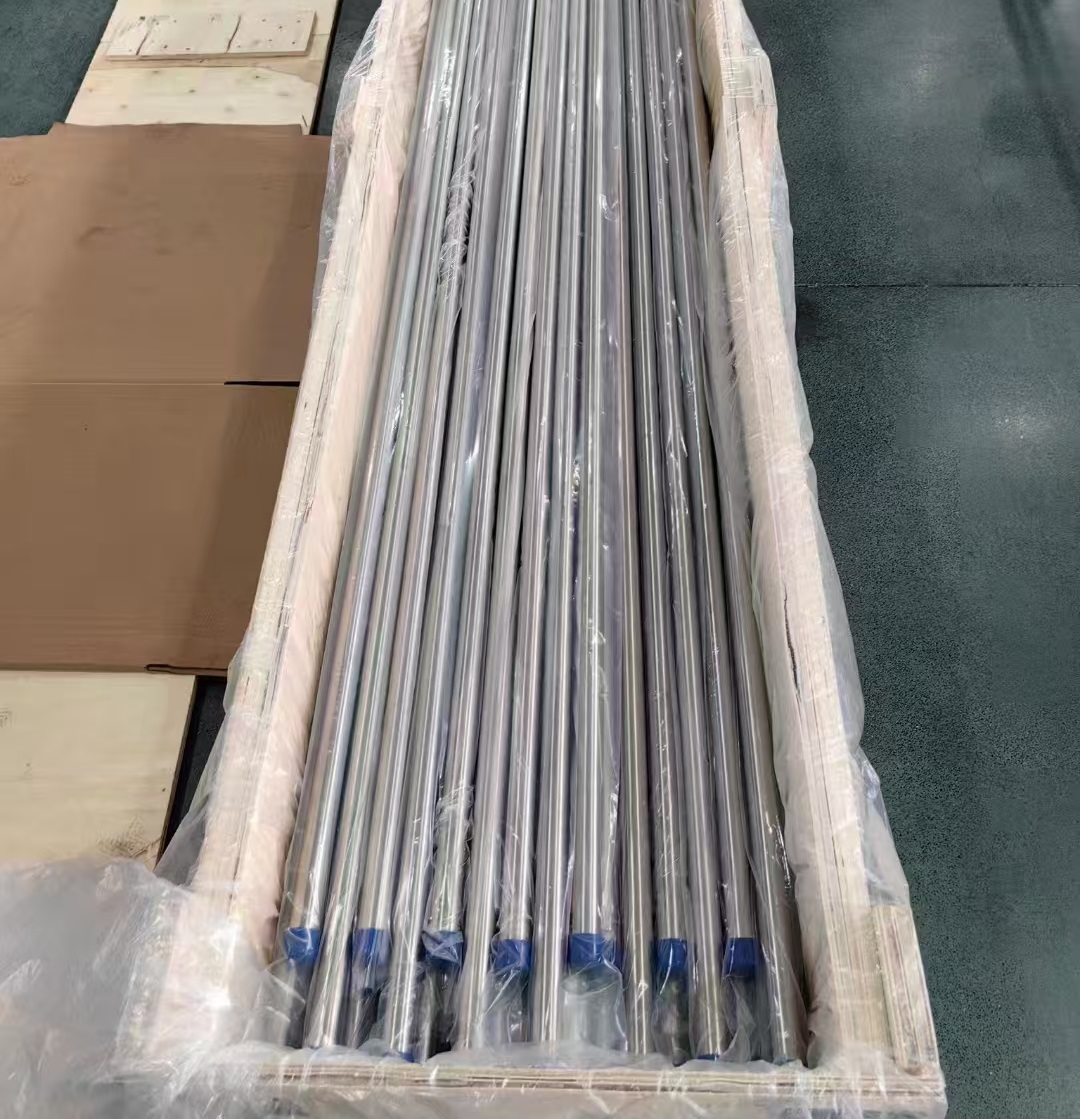
Stainless Steel Seamless Tubes
Reviewed for selected precision, pressure, bending, heating and heat exchanger applications.
Suitable direction depends on grade, tube size, wall thickness, medium and customer standard.
View Stainless Steel Seamless Tube →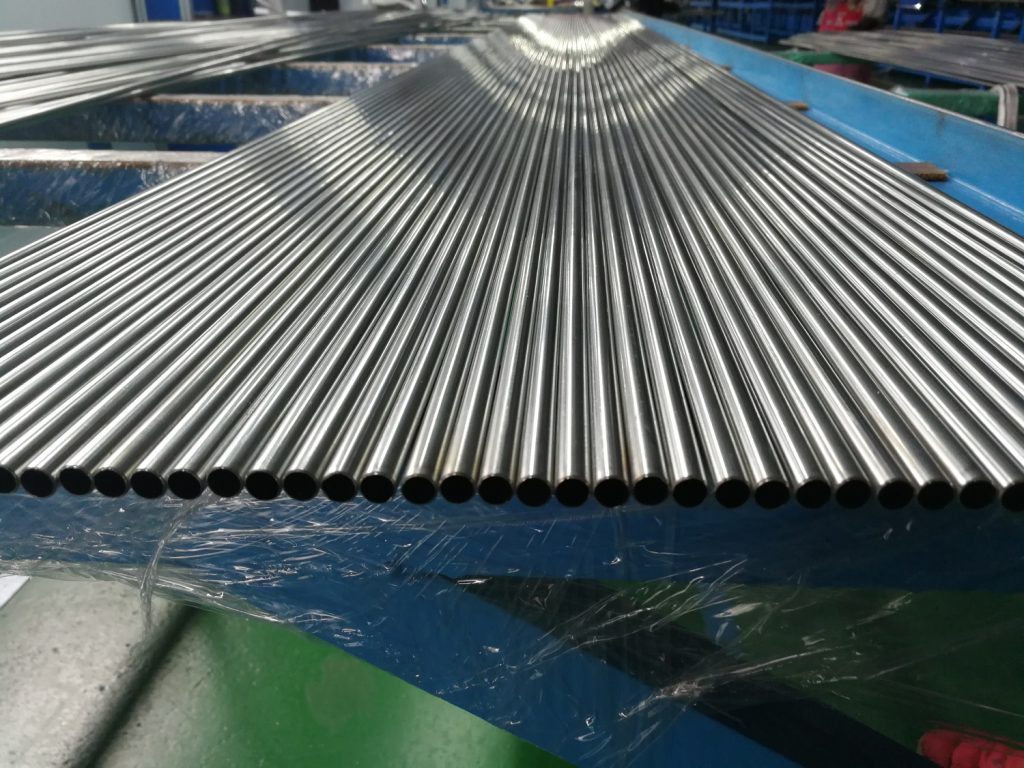
Stainless Steel Welded Tubes
Often reviewed for heat exchangers, condensers, evaporators, refrigeration and heating element applications.
Weld quality, annealing, NDT, surface condition and dimensional tolerance should be controlled.
View Stainless Steel Welded Tube →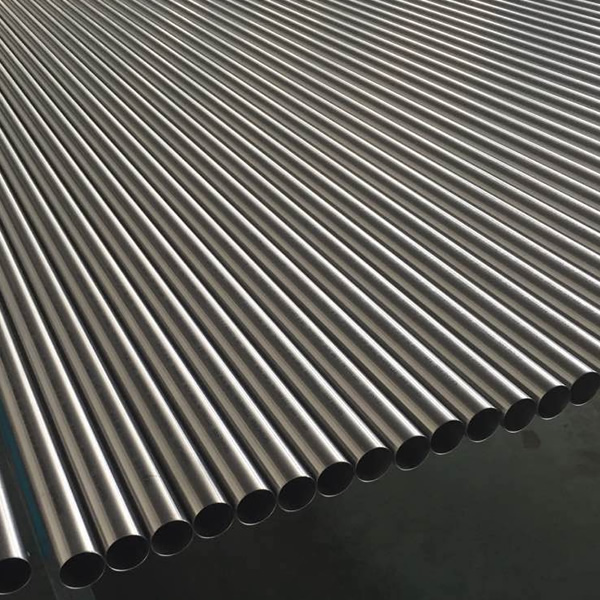
Titanium Seamless Tubes
Reviewed for selected higher pressure, special size, bending, corrosion or structural frame tube applications.
Gr1, Gr2, Gr7, Gr9, Gr12 or other titanium grades may be reviewed by specification.
View Titanium Seamless Tube →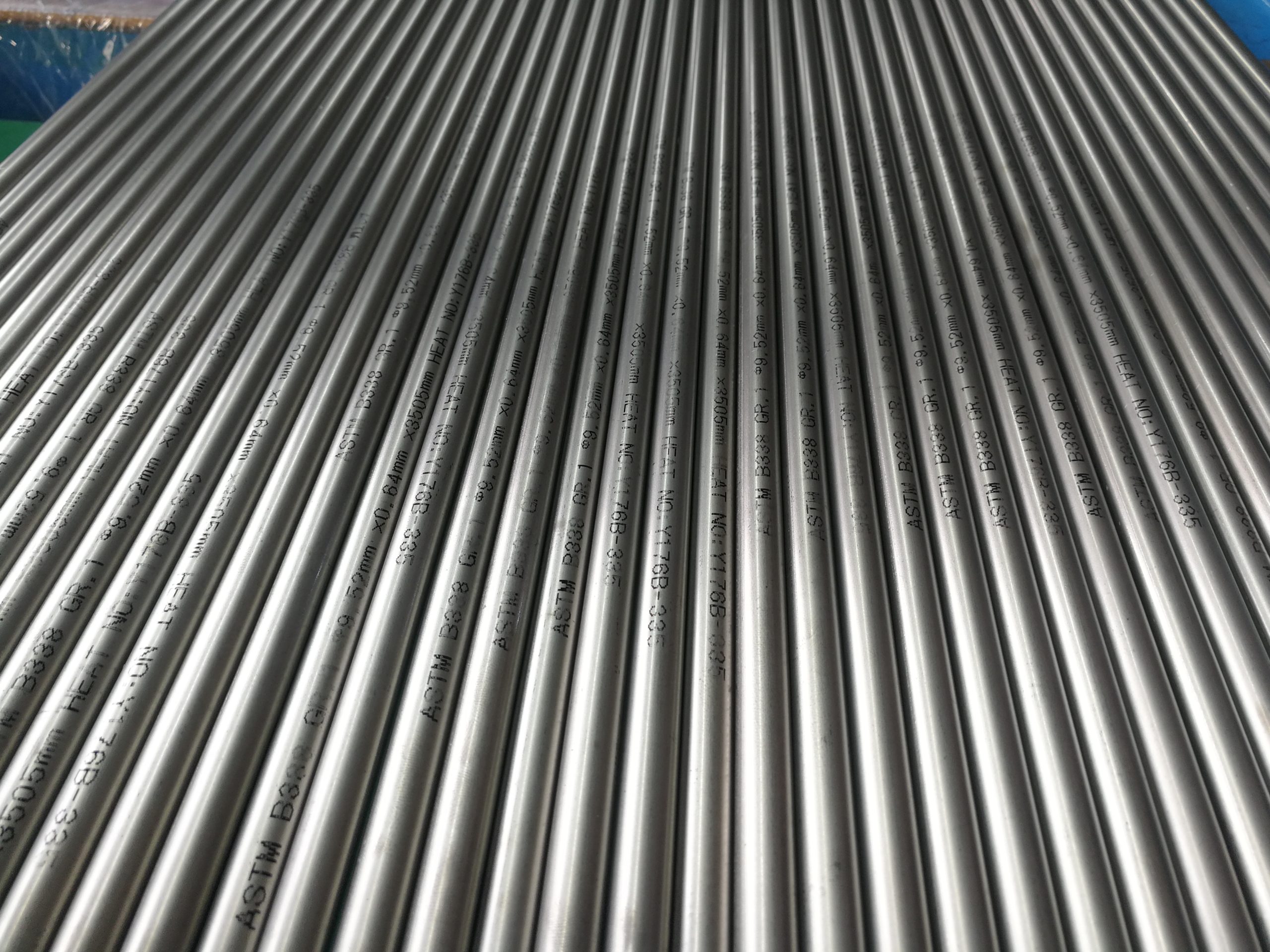
Titanium Welded Tubes
Commonly reviewed for heat exchanger and corrosion-resistant applications where welded tube is accepted.
Design, weld quality, NDT, corrosion condition and customer specification should be confirmed.
View Titanium Welded Tube →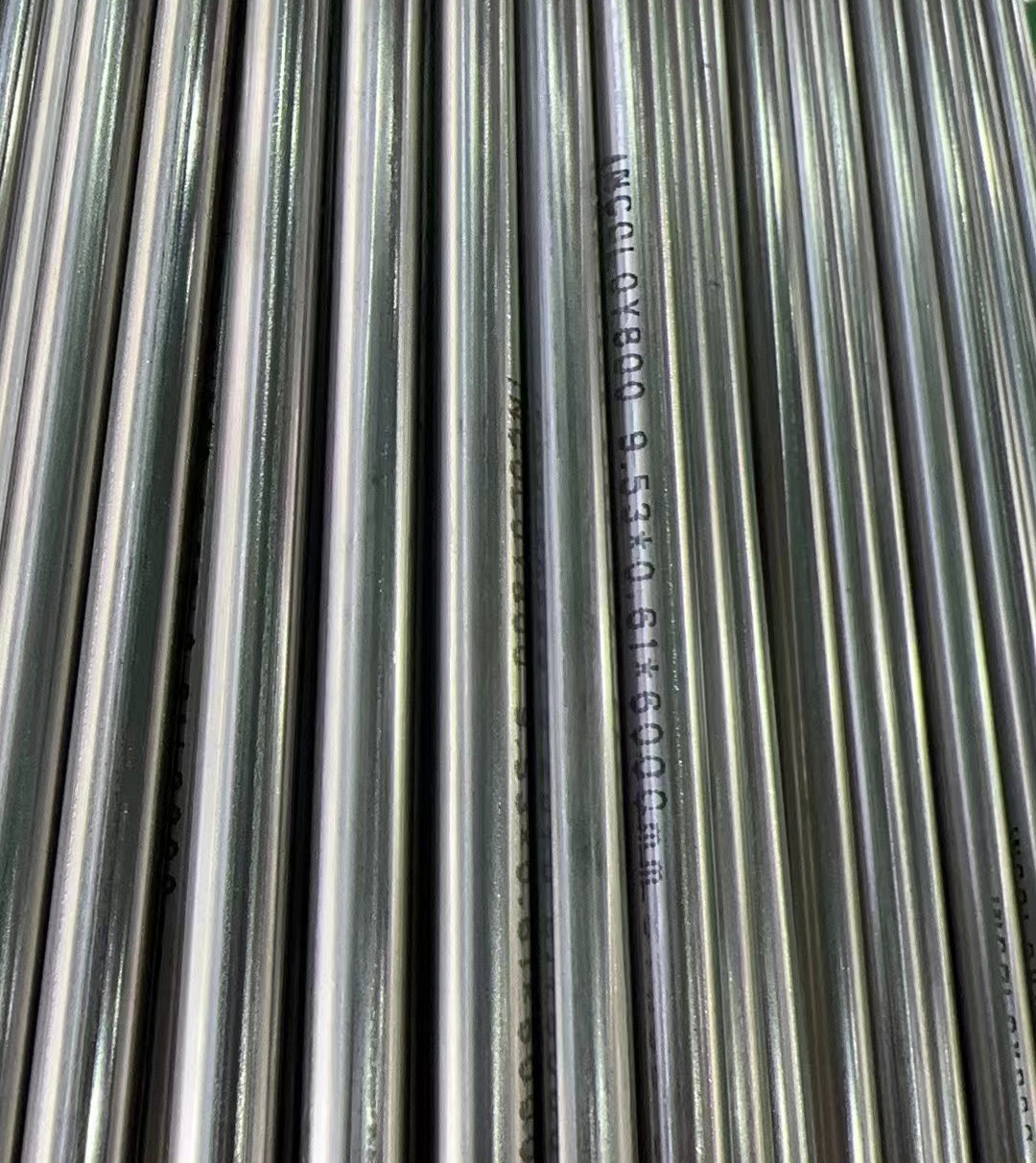
Nickel Alloy Tubes
Welded or seamless selection depends on alloy, temperature, pressure, corrosion and standard.
Incoloy, Inconel and Hastelloy tube directions can be reviewed according to application.
View Nickel Alloy Tubes →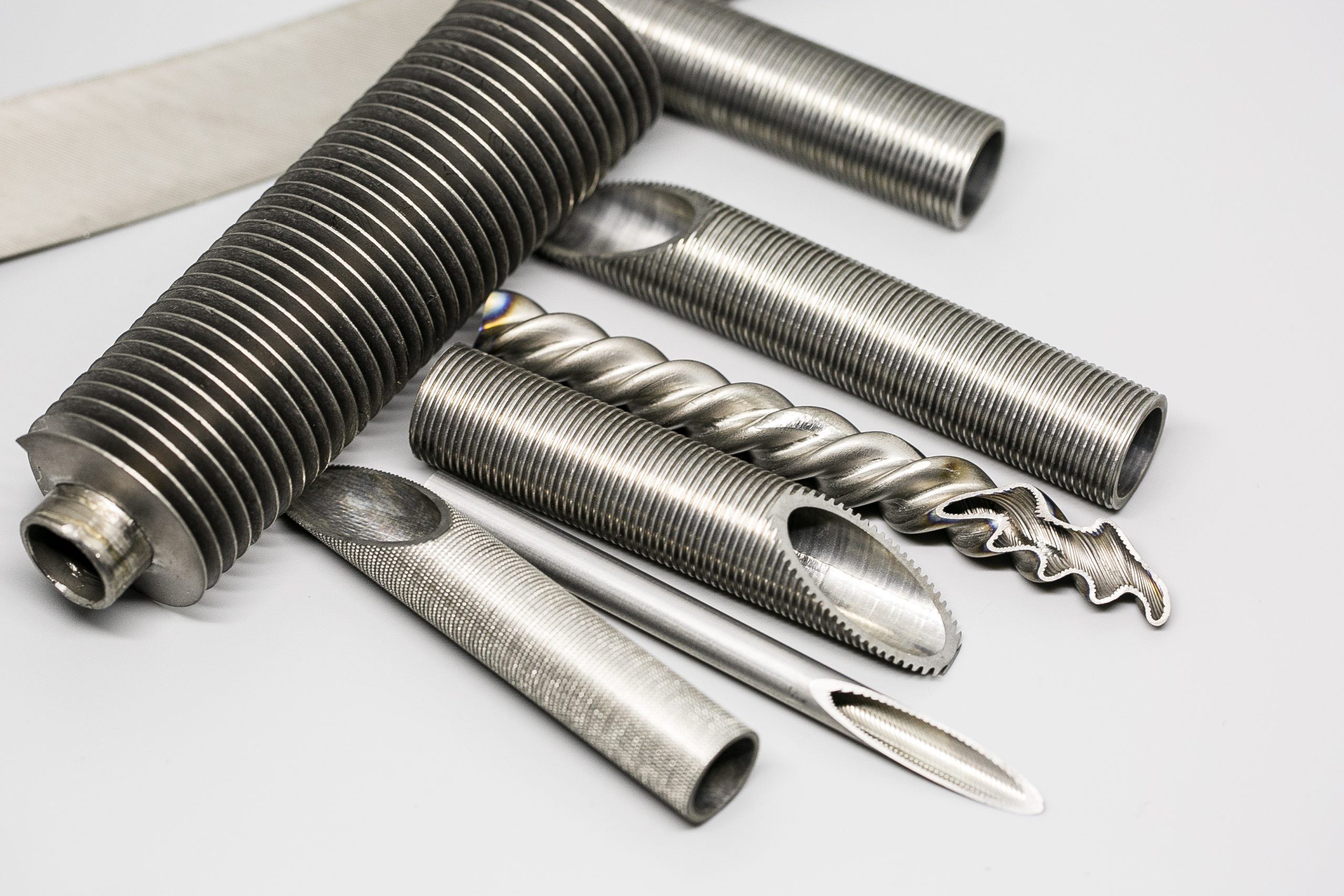
Heat Exchanger Tube Applications
Welded and seamless tube routes can both be reviewed depending on exchanger design.
Pressure, medium, tube sheet, fouling, cleaning and corrosion should be reviewed before selection.
View Heat Exchanger Tubes →Decision Checklist Before Choosing Seamless or Welded Tubes
A complete inquiry helps confirm whether seamless or welded tube should be reviewed first. If the drawing already specifies seamless or welded construction, please provide the drawing and standard before quotation.
Buyers can also use the Tube Inquiry Checklist before sending material and application details.
Best RFQ practice: Do not only ask “welded or seamless price.” Please provide application, working medium, pressure, temperature, forming process and inspection requirement so the tube route can be reviewed realistically.
- Material grade and standard, including UNS / EN / ASTM number if specified
- Tube type preference: seamless, welded or open for review
- OD, wall thickness, length and tolerance requirement
- Application: heating element, cartridge heater, heat exchanger, condenser, evaporator, refrigeration, chemical equipment or structural tube
- Working medium, refrigerant, coolant, chemical liquid or gas
- Operating temperature, pressure, heat duty and flow condition
- Corrosion condition, water chemistry, chloride level or failure mode if any
- Bending, swaging, expansion, welding, brazing, forming or cutting process
- Heat treatment condition, surface condition and internal cleanliness requirement
- NDT requirement: eddy current, UT, hydrostatic, pneumatic or customer-specified inspection
- Quantity, annual demand, destination and required delivery schedule
- Customer approval process, sample requirement and documentation requirement
Common Mistakes When Selecting Seamless or Welded Tubes
Seamless vs welded selection can create cost, fabrication or performance problems if the choice is made only by habit or price. These common mistakes should be avoided before confirming a purchase order.
Assuming Seamless Is Always Better
Seamless can be necessary in selected applications, but welded tubes may be fully suitable when design and standards allow.
Choosing Welded Only by Price
Lower tube cost should not override pressure, forming, weld seam quality, NDT or customer approval requirements.
Ignoring Annealing Condition
Annealing can affect bending, swaging, tube expansion, weld seam ductility and heater manufacturing performance.
No Weld Seam Position Review
For bending or forming welded tubes, weld seam position and forming route should be considered.
No NDT Requirement Confirmation
ET, UT, hydrostatic or pneumatic test requirements should be confirmed before production.
Ignoring Customer Standard
A tube route that is technically possible may still be rejected if the customer standard requires another construction.
Review Your Seamless or Welded Tube Requirement
Send your tube material, OD, wall thickness, length, application, working medium, temperature, pressure, forming process, inspection requirement and welded / seamless preference. GAOFA TECH will review suitable tube supply according to your specification.
Seamless vs Welded Tubes FAQ
Is seamless tube better than welded tube?
Not always. Seamless tubes are often reviewed for higher pressure, demanding forming, small-diameter precision, structural or customer-specified seamless applications. Welded tubes can be suitable for many heat exchanger, condenser, evaporator, refrigeration and heating applications when weld quality, heat treatment, NDT and customer specification are controlled.
When should I choose seamless tubes?
Seamless tubes are usually reviewed for higher pressure, small-diameter precision tubes, thick-wall tubes, strict bending or forming, cartridge heaters, defrost single-ended heaters, titanium bicycle frame tubes, sports wheelchair frame tubes and drawings that specifically require seamless construction.
When can welded tubes be used?
Welded tubes can be used in many heat exchanger, condenser, evaporator, industrial refrigeration and heating element applications when the design standard and customer specification allow welded tube supply. Weld seam quality, annealing, NDT, dimensional tolerance, corrosion condition and downstream fabrication should be reviewed.
Are seamless tubes required for cartridge heaters?
Seamless tubes are often preferred for cartridge heaters because the tubes are usually small diameter and may go through MgO filling, swaging, compaction and repeated heating cycles. Fully annealed welded tubes may be reviewed only when heater design allows, weld seam quality and ductility are controlled, and customer validation is completed.
Can welded tubes be used for heat exchangers?
Yes. Many heat exchangers use welded tubes when the applicable standard, pressure, medium and customer specification allow. Tube buyers should still review weld quality, eddy current testing, hydrostatic or pneumatic testing, corrosion condition, tube sheet expansion and cleaning method.
What is the difference between titanium seamless and welded tubes?
Titanium seamless tubes have no longitudinal weld seam and are often reviewed for special sizes, higher pressure, bending, structural applications or customer-required seamless projects. Titanium welded tubes have a controlled longitudinal weld seam and are widely reviewed for heat exchanger and corrosion-resistant applications where design and customer specification allow.
Can welded tubes replace seamless tubes?
Welded tubes may be reviewed as an alternative in selected cases, but this is not a direct replacement decision. Pressure, forming, corrosion, weld seam quality, NDT, heat treatment, customer standard and final approval should be checked before replacing seamless tubes with welded tubes.
Are welded tubes cheaper than seamless tubes?
Welded tubes are usually more economical for regular sizes and volume production, but total cost also depends on material grade, testing, heat treatment, forming risk, failure risk, lead time, MOQ and customer approval requirements.
Which tube type is better for bending?
Bending suitability depends on material grade, wall thickness, bend radius, annealing condition, weld seam position if welded tube is used, elongation, surface condition and process validation. It should not be judged only by seamless or welded construction.
What information is needed for a seamless or welded tube quotation?
Please provide material grade, standard, tube size, welded or seamless preference, application, working medium, temperature, pressure, corrosion condition, forming process, heat treatment condition, surface requirement, NDT requirement, quantity, destination and documentation requirement. You can start from the Tube Inquiry Checklist.
Does GAOFA TECH recommend the final design choice?
GAOFA TECH can support material and tube form review based on the information provided by the buyer. Final tube construction and equipment design approval should be confirmed by the customer engineer, equipment designer or project owner according to working condition and specification.