
Titanium Tubes for Data Center Cooling Heat Exchangers
Titanium Smooth Tubes, Coiled Tubes and Enhanced Tubes for Seawater-Cooled, Liquid-to-Liquid and Corrosion-Resistant Data Center Cooling Applications
GAOFA TECH supplies titanium tubes for data center cooling heat exchangers, seawater-cooled cooling systems, liquid-to-liquid heat exchangers, immersion cooling heat rejection equipment and corrosion-resistant cooling water applications.
This page focuses on tube materials used by heat exchanger and cooling equipment manufacturers. GAOFA TECH does not supply complete data center cooling systems. Tube selection should be reviewed according to coolant type, water chemistry, temperature, pressure, flow rate, fouling, cleaning method and customer specification.
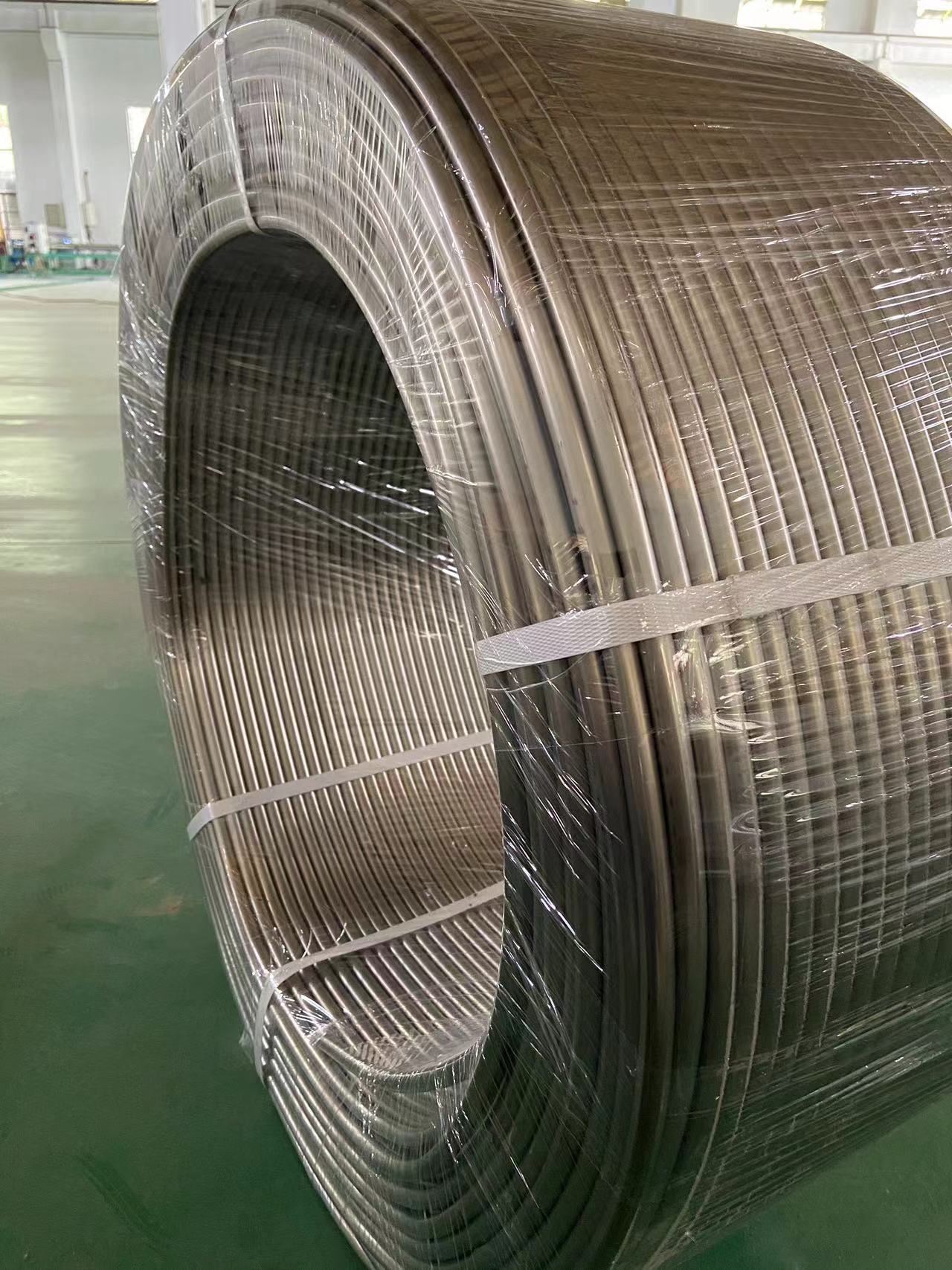
Titanium Tubes for Data Center Cooling Heat Exchangers
Titanium tubes are not required in every data center cooling system. They become relevant when a cooling heat exchanger, seawater-side cooler, liquid-to-liquid exchanger or external heat rejection loop is exposed to seawater, brackish water, chloride-rich cooling water, aggressive cleaning chemistry or higher corrosion risk.
For heat exchanger manufacturers, cooling equipment manufacturers and system integrators reviewing corrosion-resistant tube materials.
Titanium may be reviewed on seawater-side or high-corrosion-risk cooling water heat exchangers.
Smooth titanium tubes, titanium coiled tubes, low fin tubes and inner grooved tubes may be reviewed by thermal design.
GAOFA TECH supplies tube materials; coolant compatibility and system design should be confirmed by the equipment designer.
Where Titanium Tubes May Be Reviewed in Data Center Cooling Systems
This page avoids generic data center images and focuses on GAOFA TECH tube products. If project-owned data center cooling equipment photos become available later, they can be added with proper permission and captions.
| Cooling System Area | Titanium Tube Review Direction | Key Review Points |
|---|---|---|
| Seawater-cooled data centers | Titanium tubes on the seawater side of heat exchangers. | Chloride, flow velocity, fouling, cleaning method, tube sheet material and galvanic contact. |
| Coastal cooling water systems | Titanium tubes for chloride-rich or brackish cooling water. | Water chemistry, corrosion history, scaling, biological fouling and maintenance practice. |
| Liquid-to-liquid heat exchangers | Titanium smooth tubes or coiled tubes by coolant condition. | Secondary coolant type, pressure, flow rate, inhibitor package and thermal duty. |
| Immersion cooling heat rejection | Titanium tubes may be reviewed in external heat rejection exchangers. | Dielectric fluid compatibility, secondary coolant, exchanger design and OEM specification. |
| CDU external heat exchanger modules | Titanium tube may be reviewed for the heat-exchanger tube side when coolant or water chemistry justifies it. | This is separate from stainless steel CDU internal piping, headers and manifolds. See CDU Stainless Steel Tubes & Pipes. |
| Compact cooling modules | Titanium coiled tubes or enhanced titanium tubes may be reviewed. | Space limitation, pressure drop, fouling, cleanability and thermal calculation. |
When Titanium Tubes Are Relevant - and When They May Not Be Necessary
Titanium tubes may be reviewed when the cooling water contains chloride, seawater or brackish water is used, stainless steel or copper alloy corrosion is a concern, aggressive cleaning chemistry is expected, or downtime risk from heat exchanger corrosion is sensitive.
Titanium may not be necessary when the loop is closed and well-controlled, coolant chemistry is mild, stainless steel or copper alloy already meets the design requirement, or the relevant loop is not exposed to corrosive water.
Material replacement should not be treated as a direct drop-in change. Thermal calculation, pressure drop, tube sheet design, galvanic contact, fouling, cleanability and customer specification should be reviewed before changing tube material.
GAOFA TECH Supplies Tube Materials, Not Complete Cooling Systems
- Tube materials for heat exchanger and cooling equipment manufacturers.
- Titanium smooth tubes, coiled tubes and enhanced tubes by drawing or specification.
- Material review according to coolant, water chemistry, corrosion risk and heat exchanger design.
- Compatibility should be confirmed with the coolant supplier, equipment designer and customer specification.
- No claim that titanium is suitable for all liquid cooling or direct-to-chip cooling systems.
Tube Types for Data Center Cooling Heat Exchangers
The correct tube form depends on heat exchanger design, coolant, corrosion condition, heat duty, pressure drop, fouling tendency and cleaning method. Enhanced tubes are useful only when the thermal design and maintenance conditions allow them.
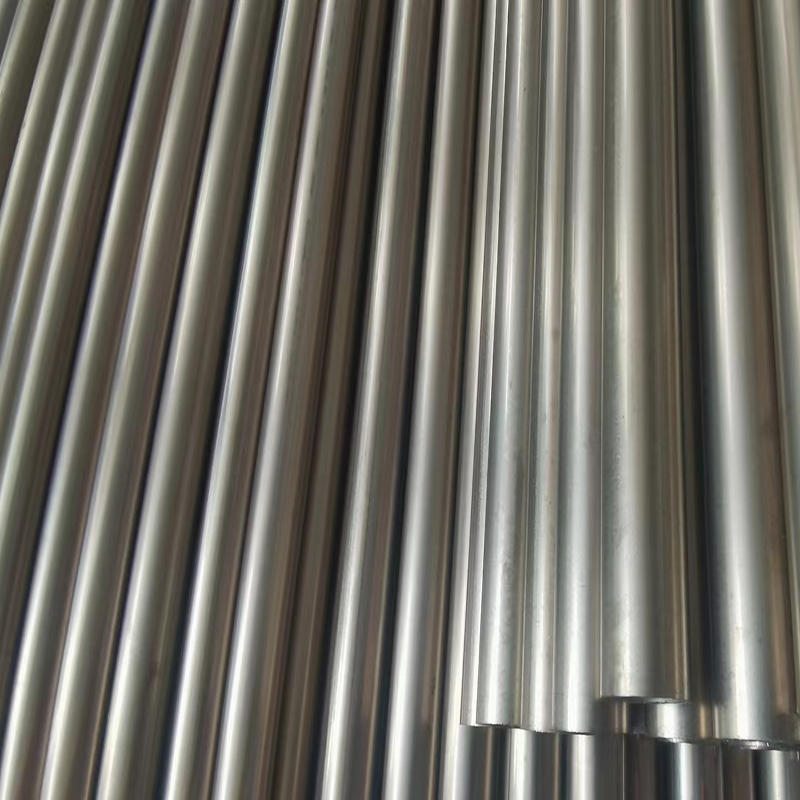
Titanium Smooth Tubes
Product photo is used to keep the page focused on tube supply rather than generic data center visuals.
Reviewed for cooling water heat exchangers, seawater-side coolers and corrosion-resistant heat exchanger tube bundles.
View Titanium Tubes →Titanium Coiled Tubes
Coiled tube direction for compact cooling modules and custom coil heat exchanger layouts.
May be reviewed where compact arrangement, corrosion resistance and tube routing flexibility are required.
View Titanium Coiled Tube →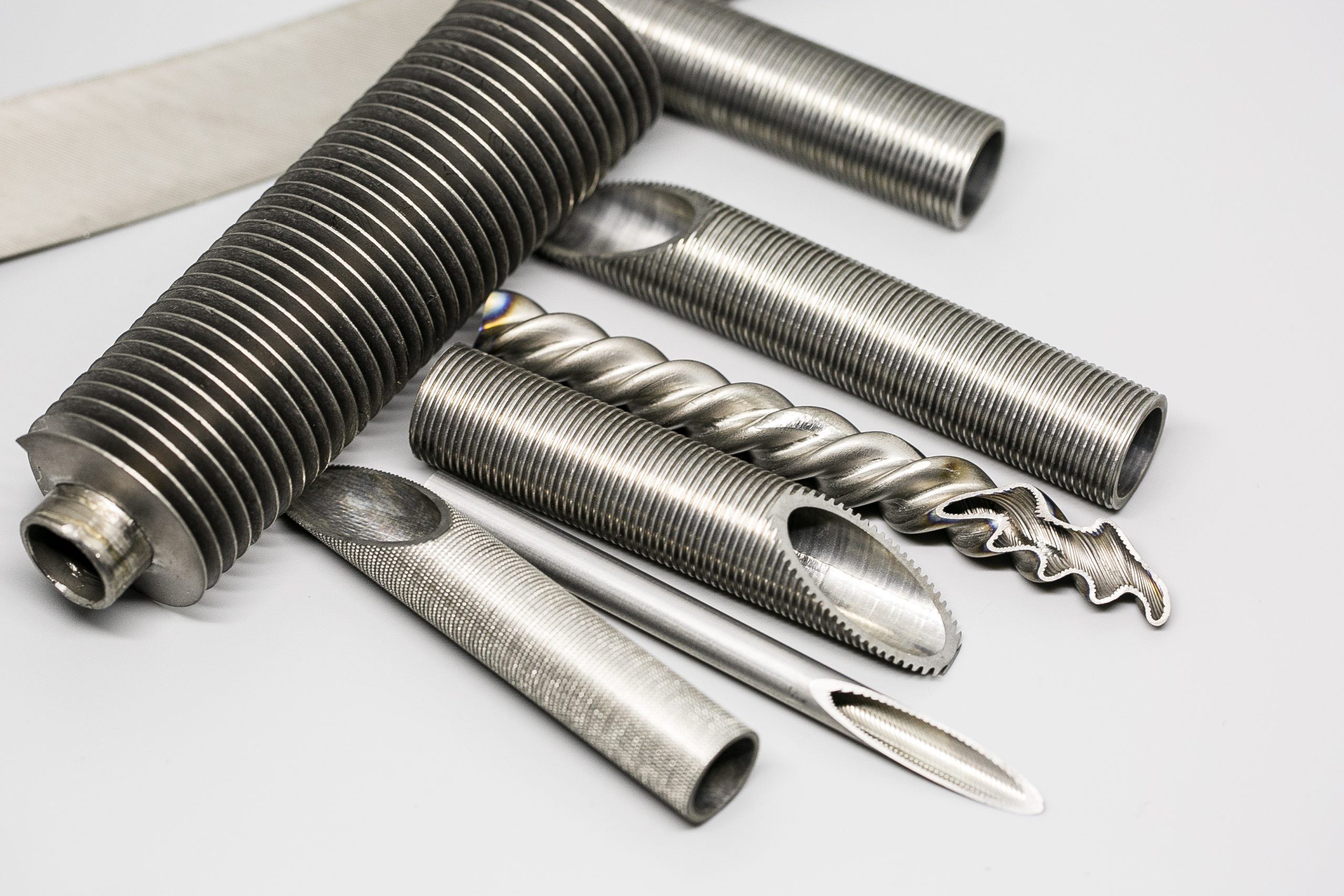
Enhanced Titanium Tubes
Low fin, inner grooved or other enhanced tube forms should be reviewed by thermal calculation.
May be reviewed for selected designs when heat transfer, pressure drop, fouling and cleanability are acceptable.
View Enhanced Tubes →| Tube Type | Application Review | Internal Link Direction |
|---|---|---|
| Titanium smooth tubes | General heat exchanger and cooling water side applications. | Titanium Tubes |
| Titanium seamless tubes | Selected higher pressure, critical or specification-driven cooling applications. | Titanium Seamless Tube |
| Titanium welded tubes | Heat exchanger applications where welded tubes are accepted by design and specification. | Titanium Welded Tube |
| Titanium coiled tubes | Compact coil heat exchangers and custom cooling modules. | Titanium Coiled Tube |
| Titanium low fin tubes | Enhanced outside surface heat transfer review in selected heat exchanger designs. | Low Fin Tube |
| Titanium inner grooved tubes | Selected heat transfer enhancement review where internal flow and pressure drop allow. | Titanium Inner Grooved Tube |
| Titanium sheet for PHE | For plate heat exchanger manufacturers or PHE applications in cooling systems. | Titanium Sheet for PHE |
Data Center Cooling Tube Selection Matrix
This matrix is for early material review only. Final selection should follow coolant compatibility, water chemistry, heat exchanger design, pressure requirement, thermal calculation and customer specification.
| Cooling Condition | Tube Direction to Review | Key Factors |
|---|---|---|
| Direct seawater cooling | Titanium Gr2 / Gr12 tube review | Chloride, fouling, velocity, cleaning, sand / suspended solids and tube sheet design. |
| Indirect seawater cooling | Titanium on seawater-side heat exchanger | Tube sheet material, galvanic contact, crevice design, water chemistry and cleaning method. |
| Closed glycol loop | Stainless steel or titanium by specification | Glycol type, inhibitor package, temperature, pressure and material compatibility. |
| Immersion cooling external loop | Titanium tube may be reviewed in heat rejection exchanger | Dielectric fluid compatibility, secondary coolant, OEM requirement and exchanger design. |
| Cooling tower water | Stainless steel / titanium by chloride and treatment chemistry | Scaling, fouling, biocide, cleaning chemical and maintenance cycle. |
| Compact cooling module | Titanium coiled tube or enhanced tube | Space, pressure drop, heat transfer, cleanability and manufacturing layout. |
| High-reliability coastal data center | Titanium tube material review | Corrosion risk, downtime sensitivity, inspection requirement and lifecycle cost review. |
Coolant Compatibility and Corrosion Review
Data center cooling systems may use freshwater, treated water, glycol water, seawater, brackish water, cooling tower water or dielectric fluids with external heat rejection loops. Tube material compatibility should be confirmed according to the actual coolant and secondary cooling water.
Titanium is often reviewed when chloride-rich water, seawater, brackish water or aggressive cleaning chemistry creates corrosion concern. However, compatibility should be confirmed with the coolant supplier, equipment designer and customer specification.
Cooling Water and Coolant Data
- Coolant type: water, glycol water, seawater, brackish water, dielectric fluid or other fluid.
- Chloride level, pH, conductivity, hardness, dissolved oxygen and contamination risk.
- Glycol type, concentration and inhibitor package if a glycol loop is used.
- Biocide, cleaning chemicals, scaling or fouling condition.
- Operating temperature, pressure, flow rate and expected heat duty.
- Tube sheet, gasket, seal and adjacent material information.
Enhanced Titanium Tubes for Compact Cooling Equipment
Enhanced tubes may improve heat transfer in selected designs, but they are not automatically suitable for every cooling loop. Pressure drop, fouling, cleaning method, coolant type and thermal calculation should be reviewed.
Titanium Coiled Tubes
May be reviewed for compact cooling modules, coil heat exchangers and custom heat rejection layouts.
Titanium Low Fin Tubes
May be reviewed where external surface enhancement is useful and fouling / cleaning conditions allow.
Titanium Inner Grooved Tubes
May be reviewed where internal heat transfer enhancement and pressure drop are acceptable by design.
Smooth Titanium Tubes
Often the first review direction where cleanability, tube bundle design and proven heat exchanger layout are priorities.
Titanium Sheet for PHE
May be relevant for plate heat exchanger manufacturers supplying cooling systems or seawater cooling exchangers.
Alternative Materials
Stainless steel or nickel alloy tubes may also be reviewed depending on coolant chemistry, temperature and corrosion condition.
Inspection and Quality Control for Data Center Cooling Tubes
Cooling equipment manufacturers may need stable tube dimensions, controlled surface condition, tube integrity testing, cleanliness review and packing protection. Related inspection examples are summarized on the Quality Control page.
| Inspection / Control Item | Purpose | Buyer Notes |
|---|---|---|
| MTC and heat number traceability | Confirms material grade, chemical composition and order traceability. | Important for titanium grade confirmation and project documentation. |
| PMI / grade verification | Supports material identification before shipment or fabrication. | Can be reviewed according to order requirement. |
| OD / WT / length inspection | Supports tube bundle assembly, coiling, finning, cutting or heat exchanger fabrication. | Tolerance should be confirmed before production. |
| Surface and cleanliness review | Reduces contamination risk and supports downstream fabrication or assembly. | Internal cleanliness and surface condition can be specified by customer requirement. |
| Eddy current, hydrostatic, pneumatic or UT | Reviews tube integrity according to standard or project requirement. | Testing method and acceptance criteria should be agreed before production. |
| Packing and tube end protection | Reduces deformation, scratches, dents and contamination during shipment. | Important for long tubes, coiled tubes, enhanced tubes and high-value titanium materials. |
Review Tube Inspection and Quality Control Details
GAOFA TECH can review dimensional inspection, material verification, eddy current testing, pneumatic / hydrostatic testing, ultrasonic testing, surface inspection, internal cleanliness and packing protection according to order requirements.
Information Needed for Data Center Cooling Tube Quotation
A complete RFQ helps confirm material grade, tube form, heat exchanger requirement, inspection scope and quotation accuracy. Buyers can also use the Tube Inquiry Checklist before sending drawings or coolant information.
For data center cooling applications, please provide both tube dimensions and cooling condition information. Coolant chemistry and heat exchanger design are as important as tube grade.
Best RFQ practice: If the tube will be used in seawater, brackish water, cooling tower water, glycol water or immersion cooling heat rejection equipment, please provide water chemistry and equipment-side information together with the tube drawing.
- Project type: data center cooling, seawater cooling, immersion cooling heat rejection, CDU heat exchanger or cooling module
- Tube material and titanium grade: Gr2, Gr12, Gr7 or customer-specified grade
- Tube form: smooth, seamless, welded, coiled, low fin, inner grooved or other enhanced tube
- OD × wall thickness × length, quantity and tolerance requirement
- Coolant type, water chemistry, chloride level, pH, glycol type or dielectric fluid information
- Operating temperature, pressure, flow rate, heat duty and pressure drop limitation
- Fouling, scaling, biocide, cleaning method and maintenance condition
- Tube sheet material, gasket / seal material and galvanic corrosion concern
- Heat exchanger type, design standard, drawing or technical specification
- Inspection requirement: MTC, PMI, eddy current, hydrostatic, pneumatic, UT or dimensional report
- Packing requirement, destination, Incoterms and expected delivery schedule
Send Your Data Center Cooling Tube Requirement
Please send tube material, titanium grade, tube form, OD, wall thickness, length, quantity, coolant type, water chemistry, temperature, pressure, flow rate, heat duty, inspection requirement and destination. GAOFA TECH will review titanium tube supply according to your heat exchanger and cooling equipment specification.
Titanium Tubes for Data Center Cooling FAQ
Are titanium tubes used in data center cooling systems?
Titanium tubes are not used in every data center cooling system. They may be reviewed for data center cooling heat exchangers, seawater-cooled systems, chloride-rich cooling water applications, external heat rejection loops and corrosion-sensitive cooling equipment. Final material selection depends on coolant, water chemistry, temperature, pressure, corrosion risk and equipment specification.
Where can titanium tubes be used in data center cooling?
Titanium tubes may be reviewed in seawater-side heat exchangers, liquid-to-liquid heat exchangers, external heat rejection exchangers for immersion cooling, compact cooling modules, cooling tower water heat exchangers and high-reliability coastal cooling systems.
Are titanium tubes suitable for immersion cooling?
Titanium tubes should not be described as automatically suitable for all immersion cooling tanks or fluids. In many cases, titanium tube review is more relevant to the external heat exchanger or heat rejection side. Compatibility should be confirmed with the dielectric fluid supplier, equipment designer, secondary coolant condition and customer specification.
Why use titanium tubes for seawater-cooled data centers?
Seawater and chloride-rich cooling water can create corrosion challenges for some tube materials. Titanium tubes may be reviewed for seawater-side heat exchangers where chloride corrosion resistance is important. Flow velocity, fouling, cleaning method, sand or suspended solids, tube sheet material and galvanic contact should still be reviewed.
Can titanium tubes replace copper alloy or stainless steel tubes in data center cooling?
Titanium tubes may be reviewed as an alternative material in selected corrosion-sensitive applications, but they should not be treated as a direct replacement. Thermal calculation, pressure drop, tube sheet design, fabrication method, coolant compatibility and customer approval should be confirmed before changing tube material.
What titanium grades are used for cooling heat exchangers?
Titanium Gr2 is commonly reviewed for many cooling heat exchanger tube applications. Titanium Gr12 or Gr7 may be reviewed under selected corrosion conditions or customer specifications. Final grade selection depends on water chemistry, temperature, flow condition, corrosion risk, design standard and customer requirement.
Can enhanced titanium tubes be used in data center cooling equipment?
Titanium low fin tubes, inner grooved tubes and coiled tubes may be reviewed for selected compact heat exchanger designs. They are not automatically suitable for every cooling loop. Fouling, pressure drop, cleanability, coolant type and thermal design should be evaluated before selecting enhanced tubes.
Are data center cooling titanium tubes the same as general heat exchanger tubes?
They are part of the broader heat exchanger tube application area, but data center cooling applications place additional focus on high reliability, coolant compatibility, corrosion risk, heat rejection strategy and thermal management system requirements.
Does GAOFA TECH supply complete data center cooling systems?
No. GAOFA TECH supplies titanium tube materials, enhanced tubes and related metal tube products for heat exchanger manufacturers and cooling equipment manufacturers. System design, coolant selection and equipment validation should be completed by the cooling equipment manufacturer or system integrator.
What information is needed before quotation?
Please provide tube material, titanium grade, tube form, OD, wall thickness, length, quantity, coolant type, water chemistry, chloride level, temperature, pressure, flow rate, heat duty, heat exchanger drawing, inspection requirement, packing requirement and destination. You can start from the Tube Inquiry Checklist.
Are titanium data-center cooling tubes the same as stainless steel CDU piping?
No. This titanium page focuses on heat-exchanger and corrosion-sensitive cooling service, such as seawater-side or chloride-rich cooling water applications. Stainless steel CDU piping is a different procurement scope covering internal tube or pipe, supply / return headers and manifolds. Material selection for each scope should follow coolant chemistry, pressure, temperature, cleanliness, fabrication and the approved equipment specification. See CDU & AI Liquid Cooling Stainless Steel Tubes.