```html id="gaofa-header-products-up-final"
Metal Tubes for Heating Elements, Heat Exchangers and Cooling Applications
Get Instant Quote
```
Heating Element Tubes · Heater Sheath Tubes · Material Selection

Heating Element Tubes

Stainless Steel, Incoloy, Inconel, Hastelloy, Titanium and 310S-Mo Tubes for Heating Element Manufacturers

GAOFA TECH supplies heating element tubes and heater sheath tube materials for tubular heating elements, cartridge heaters, immersion heaters, water heaters, industrial heaters, dishwasher and glasswasher boiler heaters, laundry heaters, dish and glass dryer heaters, nonwoven equipment heaters and corrosive process heating applications.

Tube material should be reviewed according to heating medium, sheath temperature, watt density, pressure, corrosion condition, scaling, chloride level, bending or forming process, heat treatment condition, inspection requirement and customer specification.

Heater Sheath Tube Tubular Heater Tube Cartridge Heater Tube Incoloy 800 / 840 / 825 Titanium Gr1 / Gr2 310S-Mo Stainless Steel Inconel / Hastelloy
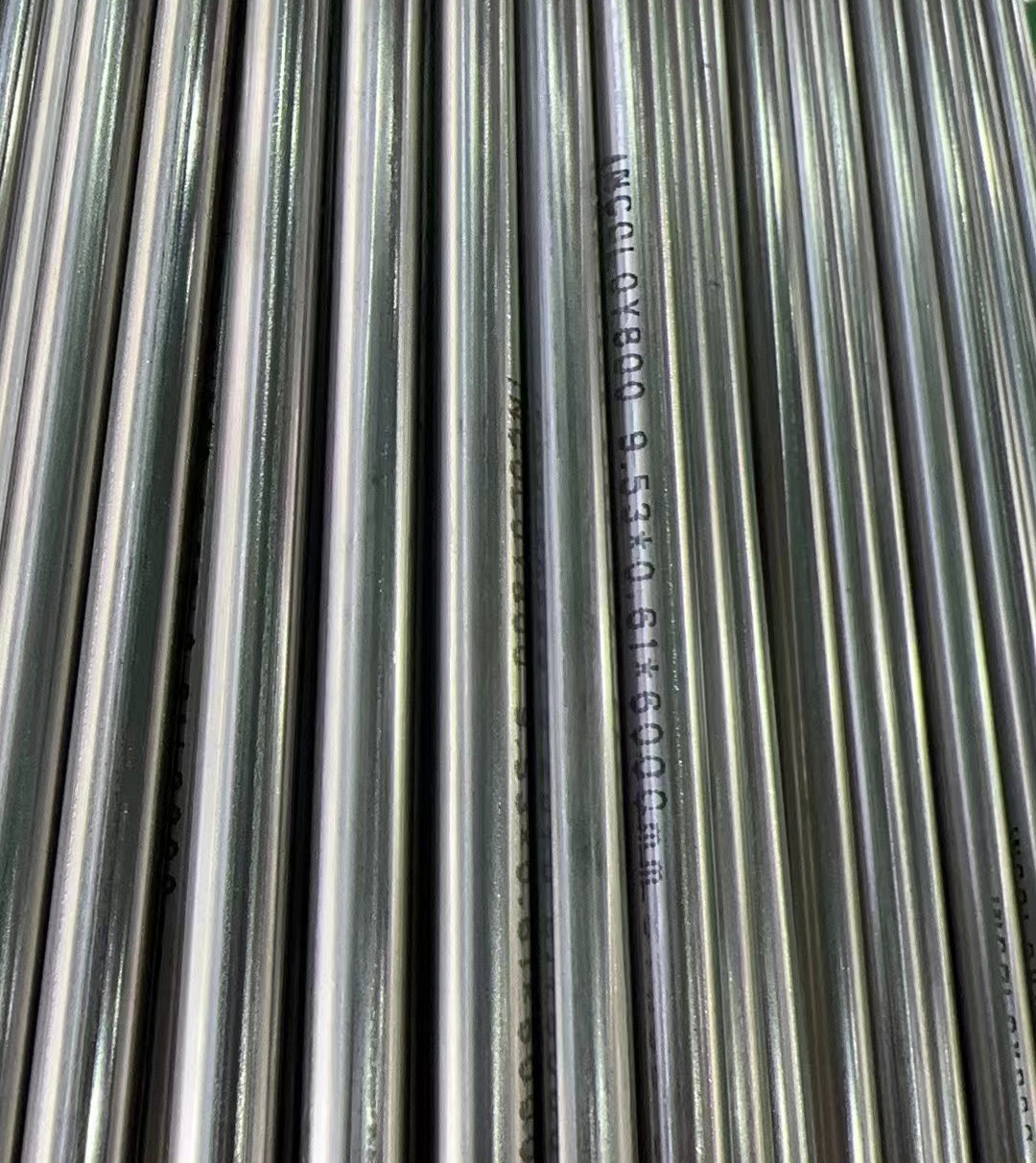
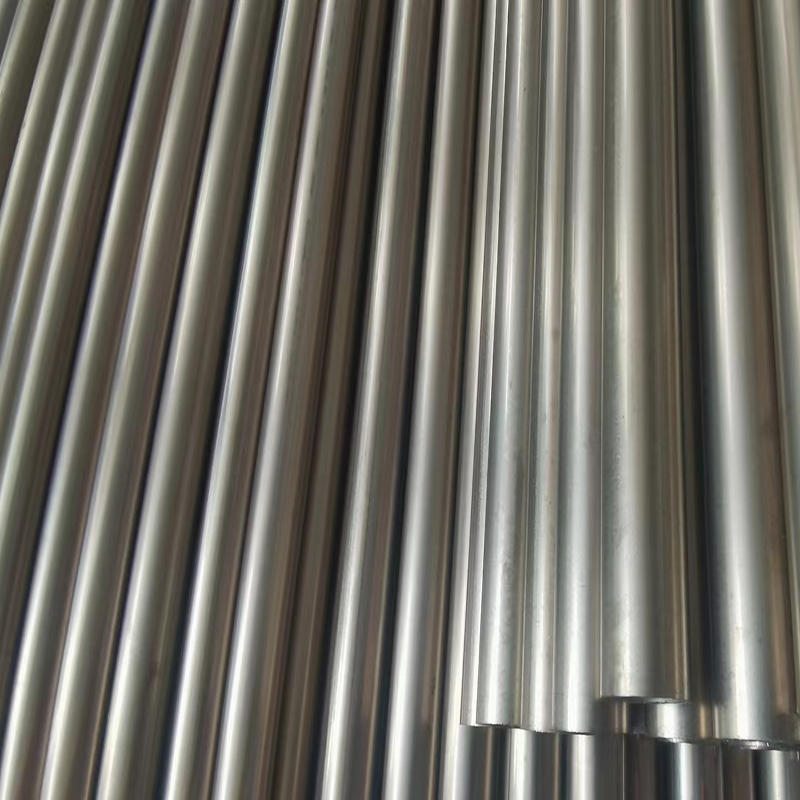
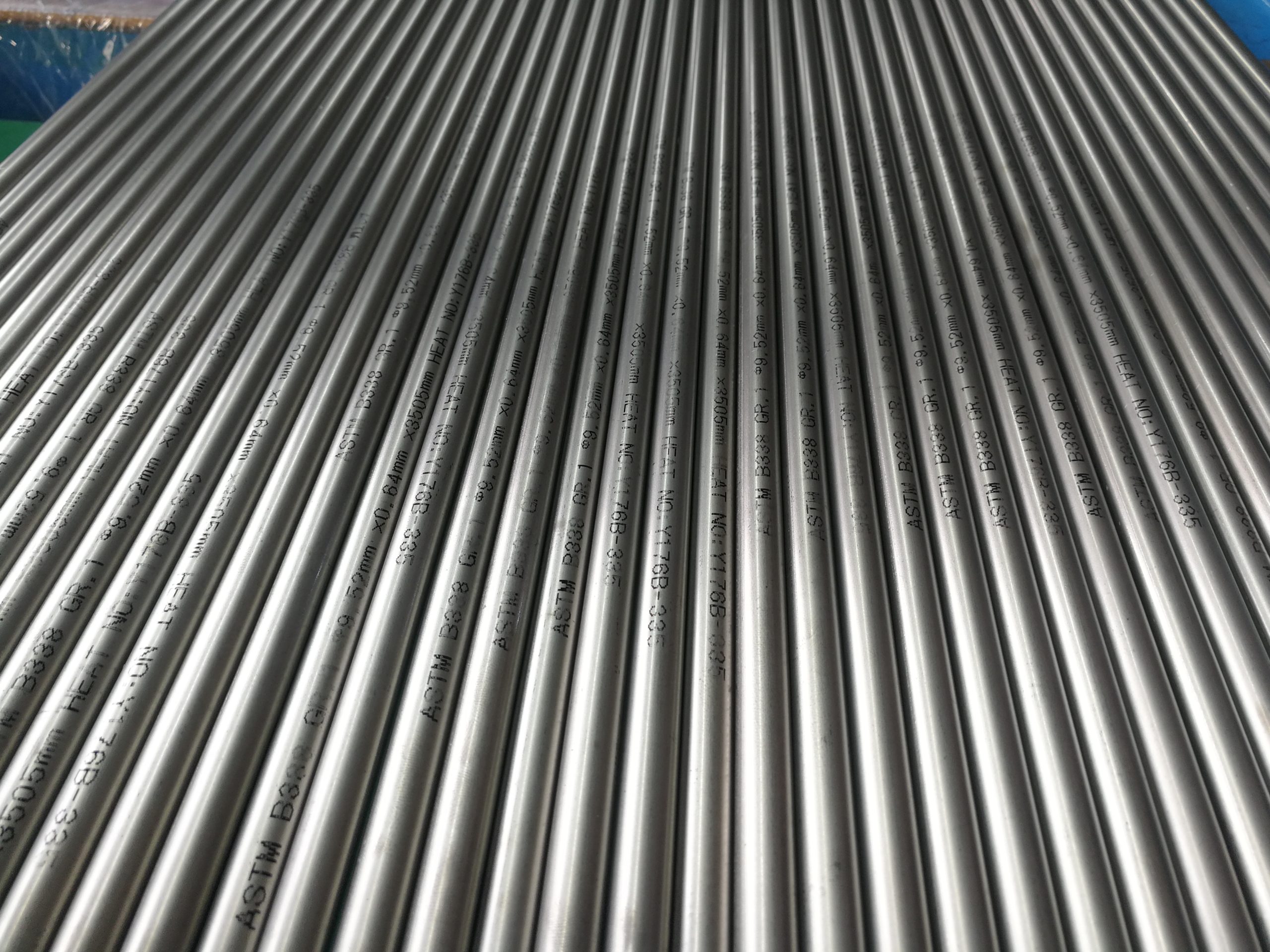
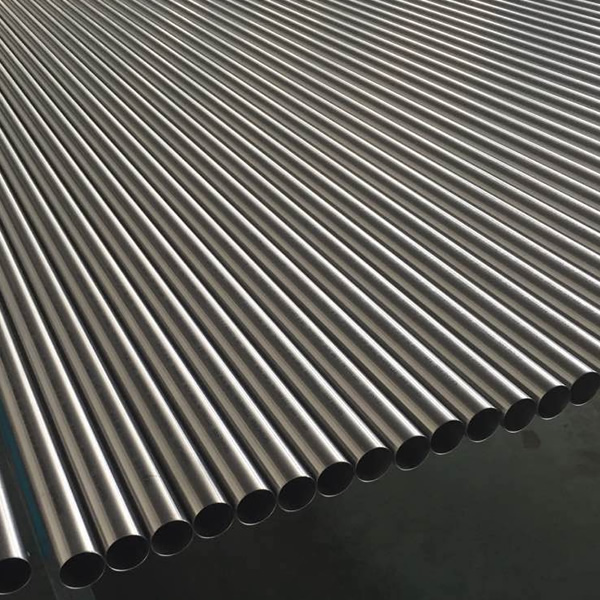
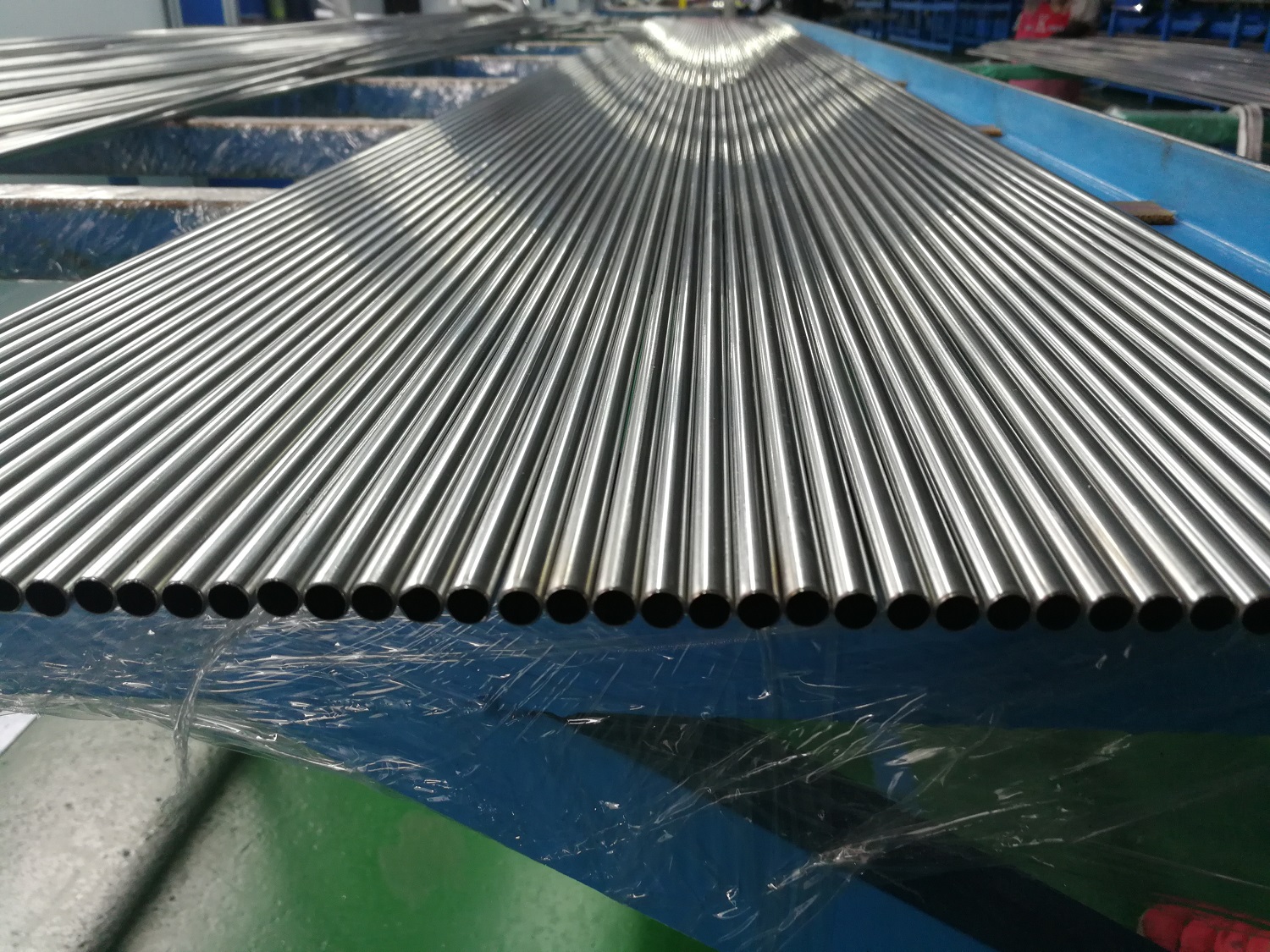
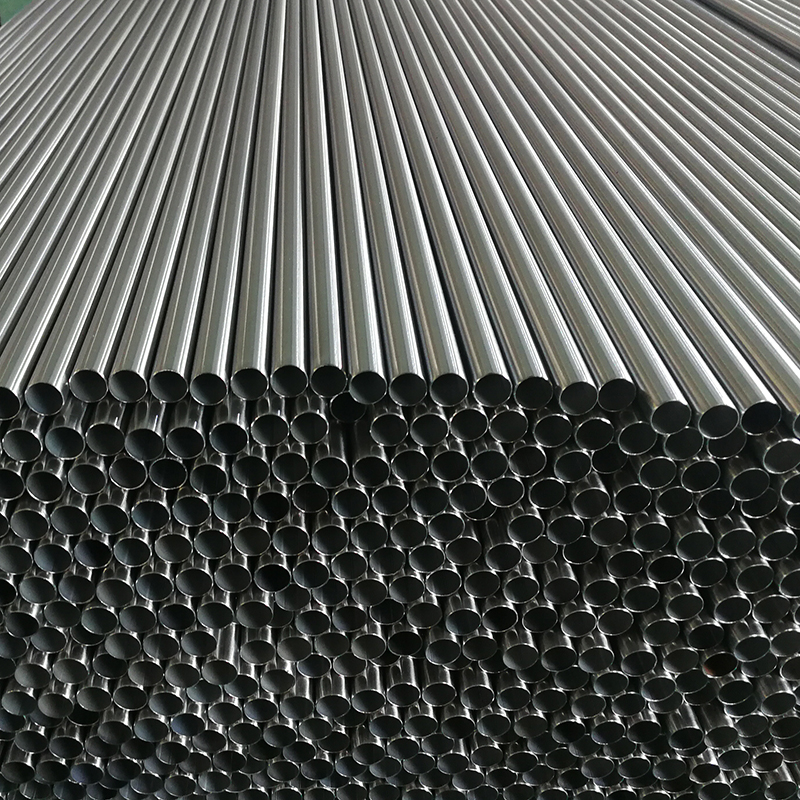
Heating element tubes and heater sheath tubes in stainless steel Incoloy nickel alloy and titanium for tubular heaters cartridge heaters and immersion heaters
Heating element tube material review for water heating, appliance heaters, industrial heaters and corrosive process heating.
Main Materials Stainless · Incoloy · Inconel · Hastelloy · Titanium
Tube Forms Welded · Seamless · Coiled · Cut Length
Key Buyers Tubular heater and cartridge heater manufacturers
RFQ Focus Medium · temperature · corrosion · forming
Engineering Purchase Snapshot

Heating Element Tube Supply Scope

This page is designed for buyers searching for heating element tubes, tubes for heating elements, heater sheath tubes, tubular heater tubes, tubular heating element tubes, cartridge heater sheath tubes, immersion heater tubes and heating element tube supplier in China.

Applications Water, Air, Oil, Chemical and Process Heating

Tube materials can be reviewed for appliance heaters, industrial heaters, immersion heaters and corrosive process heating.

Material Range Stainless, Titanium and Nickel Alloy Directions

304 / 316L, 310S-Mo, Incoloy, Inconel, Hastelloy and Titanium Gr1 / Gr2 can be reviewed by condition.

Buyer Focus Corrosion, Forming and Cleanliness

Tube life may be affected by medium chemistry, bending, filling, tube end protection, moisture and storage.

Quotation Specifications + Working Condition

A complete RFQ should include tube size, material, quantity, heater type, working medium and inspection scope.

Product Definition

What Are Heating Element Tubes?

Heating element tubes are metal tubes used as sheath, protection or structural tube materials for electric heating elements. They help isolate and protect the internal heating wire, insulation material and heater assembly from the working medium, while also supporting heat transfer and downstream fabrication.

For heating element manufacturers, the tube is not only a metal pipe. It affects bending, filling, compaction, welding, insulation performance, leakage risk, corrosion resistance, surface temperature, cleaning and service life.

GAOFA TECH supports overseas B2B buyers with tube material review for tubular heating elements, cartridge heaters, immersion heaters, water heating elements, boiler heaters, laundry heaters, dryer heaters and industrial process heating equipment.

Material Selection Principle

Select the Tube by Medium, Not by Grade Name Alone

The same material can perform very differently in clean water, hard water, chloride-rich water, detergent solution, acid liquid, caustic solution, dry air, high-temperature process gas or oil heating service.

  • For water heating, review water hardness, chloride, scale, temperature and cleaning method.
  • For dishwasher and glasswasher boiler heaters, review detergents, washing chemicals, chloride, temperature and hygiene requirements.
  • For laundry heaters and dryer heaters, review heat, moisture, chemicals, condensate and airflow condition.
  • For corrosive process heaters, review full chemistry, acid / alkali concentration, impurities and corrosion history.
  • For cartridge heaters, review OD tolerance, length tolerance, annealing condition and heater assembly route; GAOFA controls surface condition, straightness and clean / dry ID as standard for heater sheath tube supply.
Core GEO Material Guide

Tube Materials to Review by Heating Medium and Working Condition

The table below is a material review guide, not a final material guarantee. Final tube selection depends on heating medium, temperature, pressure, watt density, chloride level, scale, corrosion mechanism, forming process, heater design, testing and customer specification.

Heating Medium / Working Condition Tube Materials to Review Selection Notes
Clean water / general water heating 304 / 316L stainless steel, Incoloy 840, 310S-Mo, Titanium Gr1 / Gr2 by review Review chloride level, water hardness, scale, temperature, heater sheath temperature, cost target and customer approval.
Hard water or scaling water 316L, Incoloy 840, 310S-Mo, Titanium Gr1 / Gr2, selected nickel alloy directions Scale can raise sheath temperature and accelerate failure. Cleaning method, scale formation and previous failure mode should be checked.
Dishwasher and glasswasher boiler heaters Titanium Gr1 / Gr2, Incoloy 840, 316L, 310S-Mo and selected nickel alloy tubes Titanium tubes are often reviewed where detergents, washing chemicals, chloride, hygiene expectations or corrosion resistance become important. Final selection should consider water chemistry, detergent type, cleaning cycle and heater design.
Laundry heater, dish and glass dryer heater, humid high-temperature heater Incoloy 800, Incoloy 840, Incoloy 825, Inconel 600 / 601, 310S, stainless steel by review Review hot air, steam, moisture, detergent residue, condensate, drying temperature, oxidation, corrosion and thermal cycling. Incoloy 825 may be reviewed when corrosive liquid, condensate or chemical exposure is involved.
Higher chloride water or aggressive water Titanium Gr1 / Gr2, Incoloy 825, Inconel 625, 904L, duplex stainless steel by review Common 304 / 316L may not be enough when chloride, temperature, crevice condition or cleaning chemicals are demanding. Titanium or nickel alloy directions may need review.
Immersion heaters in corrosive liquids Incoloy 825, Inconel 625, Hastelloy C276 / C22 / C4, Titanium Gr1 / Gr2 Full liquid chemistry is required before review, including acid / alkali type, concentration, chloride, impurities, temperature, pressure and electrical heater design.
Acid tank heaters and chemical bath heaters Incoloy 825, Inconel 625, Hastelloy C276 / C22, Titanium Gr2 depending on chemistry Material choice depends on acid type, concentration, temperature, impurities, oxidizing / reducing condition and previous corrosion history.
Alkaline / caustic heating Inconel 600, Incoloy 800, selected nickel alloy or titanium directions by chemistry Review caustic concentration, temperature, stress corrosion risk, contamination tolerance and customer specification.
Air heating / dry heat 304, 321, 310S stainless steel, Incoloy 800, Inconel 600 / 601 Review sheath temperature, oxidation, thermal cycling, airflow, surface temperature and watt density.
Oil heating 304 / 316L, Incoloy 800 / 840, Inconel 600 by review Review oil type, operating temperature, carbonization, cleaning method and heater surface temperature.
Cartridge heater sheath tubes Stainless steel, Incoloy 800 / 840, Inconel 600 / 601, Titanium Gr1 in selected forming or corrosion cases OD tolerance, cut length, annealing condition and tube consistency are especially important for cartridge heater production. Straightness, surface condition and clean / dry ID should be controlled as basic heater sheath tube quality requirements.
Nonwoven equipment heaters and textile thermal equipment 304 / 321 / 310S stainless steel, Incoloy 800, Inconel 600 / 601, Titanium Gr1 / Gr2 by review Review whether the heater is exposed to hot air, steam, oil, humid process environment, chemical additives or corrosive cleaning conditions.
Chemical process heating Incoloy 825, Inconel 625, Hastelloy C276 / C22 / C4, Titanium Gr1 / Gr2 Selection should follow process medium, temperature, pressure, corrosion mechanism, contamination control and customer approval.
Cost pressure or material replacement projects Stainless steel, 310S-Mo, Titanium Gr1 / Gr2, Incoloy 840 or nickel alloy directions by review Replacement is not only a price decision. Heat transfer, corrosion, forming, testing, customer approval and service life target should be reviewed together.
Important: GAOFA TECH does not recommend selecting heating element tube material by grade name alone. Please provide working medium, temperature, pressure, watt density, chemical condition, existing material, failure mode and customer specification before material replacement.
Application Types

Heating Element Tube Applications We Help Buyers Review

Different heater types create different tube requirements. Tube OD tolerance, wall thickness, bending performance, cleanliness, corrosion resistance and packing should be reviewed according to the downstream heater production process.

TH

Tubular Heating Elements

Tubes for tubular heaters should be reviewed by material grade, bending radius, wall consistency, sheath temperature, filling process and end protection.

CH

Cartridge Heater Sheath Tubes

Cartridge heater tube projects often require closer OD tolerance, cut length control, annealing condition review and stable tube consistency. GAOFA controls surface condition, straightness and clean / dry ID as basic heater sheath tube quality requirements.

IH

Immersion Heaters

Immersion heater tube selection should start from liquid chemistry, chloride level, scale, pressure, sheath temperature and corrosion condition.

WH

Water Heating Elements

For water heaters and boiler heaters, material review should consider water hardness, chloride, scale, temperature, cleaning method and cost target.

DG

Dishwasher & Glasswasher Boiler Heaters

Titanium Gr1 / Gr2, Incoloy 840, stainless steel and 310S-Mo can be reviewed according to water chemistry, detergents and heater design.

LD

Laundry and Dryer Heaters

Incoloy 800, Incoloy 825, Inconel and stainless steel directions may be reviewed for heat, moisture, detergent residue and high-temperature conditions.

NW

Nonwoven Equipment Heaters

Tube materials can be reviewed for hot air, steam, oil or process heater units in nonwoven equipment according to temperature and environment.

CP

Chemical Tank and Process Heaters

Incoloy 825, Inconel 625, Hastelloy and titanium tubes may be reviewed for corrosive liquid or chemical process heating applications.

Titanium Heating Element Tubes

Titanium Gr1 and Gr2 Tubes for Heating Element Applications

Titanium Gr1 and Gr2 tubes should be included in heating element tube material review, especially when corrosion resistance, water quality, detergents, chloride exposure, cleanliness expectation or forming requirement makes common stainless steel or standard heater sheath alloy unsuitable.

Titanium Gr1 is often reviewed where forming, bending or higher ductility is important. Titanium Gr2 is commonly reviewed for industrial titanium tube applications where corrosion resistance and mechanical strength balance are required. The final choice should follow tube size, bending route, welding, working medium, temperature and customer specification.

When to Review Titanium

Application Directions for Titanium Heating Element Tubes

Dishwasher and glasswasher boiler heaters

Titanium Gr1 / Gr2 tubes may be reviewed where detergents, washing chemicals, chloride level, hygiene expectations or corrosion resistance are important.

Corrosion-resistant water heating

Titanium can be reviewed for selected water heating projects where water chemistry or previous corrosion failure makes standard stainless steel risky.

Immersion heaters in selected chemical liquids

Titanium may be suitable for some chemical media but not all acids or all alkaline conditions. Full chemistry review is required.

Formed or bent heater sheath tubes

Grade, wall thickness, bend radius, heat treatment and downstream forming process must be confirmed before production.

Stainless Steel Heating Element Tubes

When Stainless Steel Tubes May Be Enough

Stainless steel tubes may be reviewed for heating elements used in general water heating, air heating, oil heating and appliance heater applications where corrosion conditions are moderate and customer specifications allow stainless steel.

Common directions include 304, 304L, 316L, 321 and 310S according to medium, temperature, oxidation, corrosion and forming requirement. For more demanding water heating projects, 310S-Mo can also be reviewed as a stainless steel-based direction.

Upgrade Boundary

When Stainless Steel May Not Be Enough

  • High chloride water or aggressive cleaning chemicals
  • Hard water with severe scale and elevated sheath temperature
  • Acidic, alkaline or chemical heating liquids
  • High-temperature oxidation or thermal cycling beyond stainless steel limits
  • Customer specification requires Incoloy, Inconel, Hastelloy or titanium
  • Previous heater failures show corrosion, cracking, leakage or short service life
Incoloy, Inconel and Hastelloy

Nickel Alloy Tubes for Heating Elements and High-Temperature or Corrosive Heater Service

Nickel alloy tube selection should be based on heater type, working medium and corrosion / temperature condition. Incoloy 800, 840 and 825 should not be treated as the same heater sheath material direction.

Material Direction Typical Heating Element Review Direction Selection Notes
Incoloy 800 / 800H / 800HT Tube High-temperature heating, industrial heaters, air heating, thermal equipment, tubular heaters and heater sheath tubes. Review actual sheath temperature, oxidation, thermal cycling, grade route, welded or seamless tube form and customer standard.
Incoloy 840 Tube Water heating elements, appliance heating elements, immersion heaters, tubular heaters and selected industrial heater sheath tubes. Often reviewed where buyers need a heater sheath tube material between common stainless steel and higher nickel alloy directions.
Incoloy 825 Tube Corrosive liquid heating, acidic or chemical process heating, selected laundry heater, dish and glass dryer heater and humid high-temperature conditions. Review acid type, detergent residue, corrosive condensate, chemical exposure, chloride, temperature and previous failure mode.
Inconel 600 Tube / Inconel 601 Tube High-temperature oxidation, caustic heating review, furnace-related heaters, dry heat and thermal equipment. Compare with Incoloy 800 and 310S according to temperature, atmosphere, oxidation and customer requirement.
Inconel 625 Tube Corrosive heater protection tubes, chloride-bearing chemical service, seawater-related or high-temperature corrosive heater applications. May be reviewed when Incoloy 825 or stainless steel is not enough, but full corrosion condition is required.
Hastelloy C276 Tube / C22 / C4 Severe chemical heating, mixed acid, aggressive chloride, corrosive heater sheath and special process heating applications. Usually reviewed for more aggressive media. Selection should be supported by chemistry, corrosion history and customer approval.
Buyer note: If the heater is used in laundry equipment, dish and glass dryer equipment, chemical washing, humid high-temperature service or corrosive condensate, please provide detergent, vapor, condensate, cleaning and temperature details. These details can change whether Incoloy 825, Incoloy 800, Inconel or titanium should be reviewed.
310S-Mo Water Heating Review

310S-Mo Tubes for Selected Water Heating Element Projects

310S-Mo tube can be reviewed for selected water heating element projects where buyers are evaluating stainless steel-based alternatives under cost pressure, material availability considerations or specific heater requirements.

It should not be presented as a universal replacement for Incoloy 840 or any nickel alloy heater sheath tube. Suitability depends on water chemistry, chloride level, scale, temperature, heater design, fabrication process, testing and customer approval.

Replacement Review

What to Confirm Before Replacing Existing Heater Tube Material

  • Existing material grade and reason for replacement
  • Water quality, chloride level, hardness and cleaning chemicals
  • Maximum operating temperature and sheath temperature
  • Bending radius, welding, filling and compaction process
  • Customer approval, testing requirement and expected service life
  • Cost target and acceptable design change, if any
Problem-Solving Section

Common Heating Element Tube Problems Buyers Should Review

Many heater failures are not caused by tube material alone. Working medium, scale, chloride, temperature, bending, internal moisture, end sealing and packing can all affect final heater performance.

Buyer Problem What Should Be Checked Possible Tube Review Direction
Tube corrosion after service Medium chemistry, chloride, pH, detergents, acid / alkali, temperature, cleaning chemicals and existing material. Upgrade from 304 / 316L to Incoloy 840, Incoloy 825, titanium, Inconel or Hastelloy by condition.
Short life in water heating Water hardness, scale, chloride, sheath temperature, watt density and cleaning cycle. 316L, Incoloy 840, 310S-Mo, Titanium Gr1 / Gr2 or nickel alloy direction by review.
Dishwasher or glasswasher heater corrosion Detergent chemistry, chloride, high-temperature washing cycle, cleaning chemicals and water quality. Titanium Gr1 / Gr2, Incoloy 840, Incoloy 825, stainless steel or 310S-Mo by review.
Tube cracks during bending OD, wall thickness, elongation, annealing condition, bending radius and tube route. Review material grade, welded vs seamless tube, titanium Gr1 formability or annealed condition.
Heater leakage or insulation failure Tube integrity, end sealing, internal moisture, testing method, storage and packing. Review tube dryness, cleanliness, NDT, end protection and packaging controls.
Acid tank heater failure Acid type, concentration, temperature, impurities, chloride level and corrosion history. Incoloy 825, Inconel 625, Hastelloy C276 / C22 / C4 or titanium depending on chemistry.
Wrong material chosen by price only Failure mode, required lifetime, customer specification, replacement risk and operating condition. Material comparison should be done before switching from Incoloy, titanium or nickel alloy to lower-cost materials.
Technical RFQ Preparation

Tube Specifications Buyers Should Confirm for Heating Element Production

Heating element tube quotation should include not only material grade and size, but also heater type, fabrication process, working condition and inspection requirements.

Specification Item Why It Matters for Heating Element Tubes Buyer Notes
Material grade Controls corrosion resistance, high-temperature performance, formability and cost. Confirm grade, UNS / EN equivalent, MTC wording and whether alternative materials can be reviewed.
OD and wall thickness Affects heater size, filling, bending, heat transfer, strength and electrical heater design. Provide tolerance requirement and whether the tube will be bent, coiled, cut or assembled directly.
Tube length Cut length affects heater production efficiency and waste. Confirm fixed length, random length, cut length tolerance and packing length limitation.
Welded, seamless or coiled tube Tube route affects size range, cost, lead time, pressure suitability and customer approval. Confirm if welded tube is accepted or if seamless tube is required by specification.
Heat treatment / annealing condition Affects forming, bending, compaction behavior and downstream heater assembly. Provide the required annealing condition if specified by drawing, heater process or customer standard.
Clean ID and dry delivery Supports heater insulation, filling, compaction, welding and storage stability. For heater sheath tube projects, clean ID and dry delivery are basic supply requirements. The tube ID should be free from visible oil stain, dirt, water residue and loose contamination before packing.
Bending or forming requirement Tube cracking or wrinkling risk depends on material, wall thickness and bend radius. Send bending drawing or minimum bend radius if available.
Inspection and testing Supports tube integrity, dimensional control and customer documentation. Confirm visual inspection, dimensional inspection, eddy current testing, pneumatic testing, hydrostatic testing if required by specification, PMI or other agreed tests.
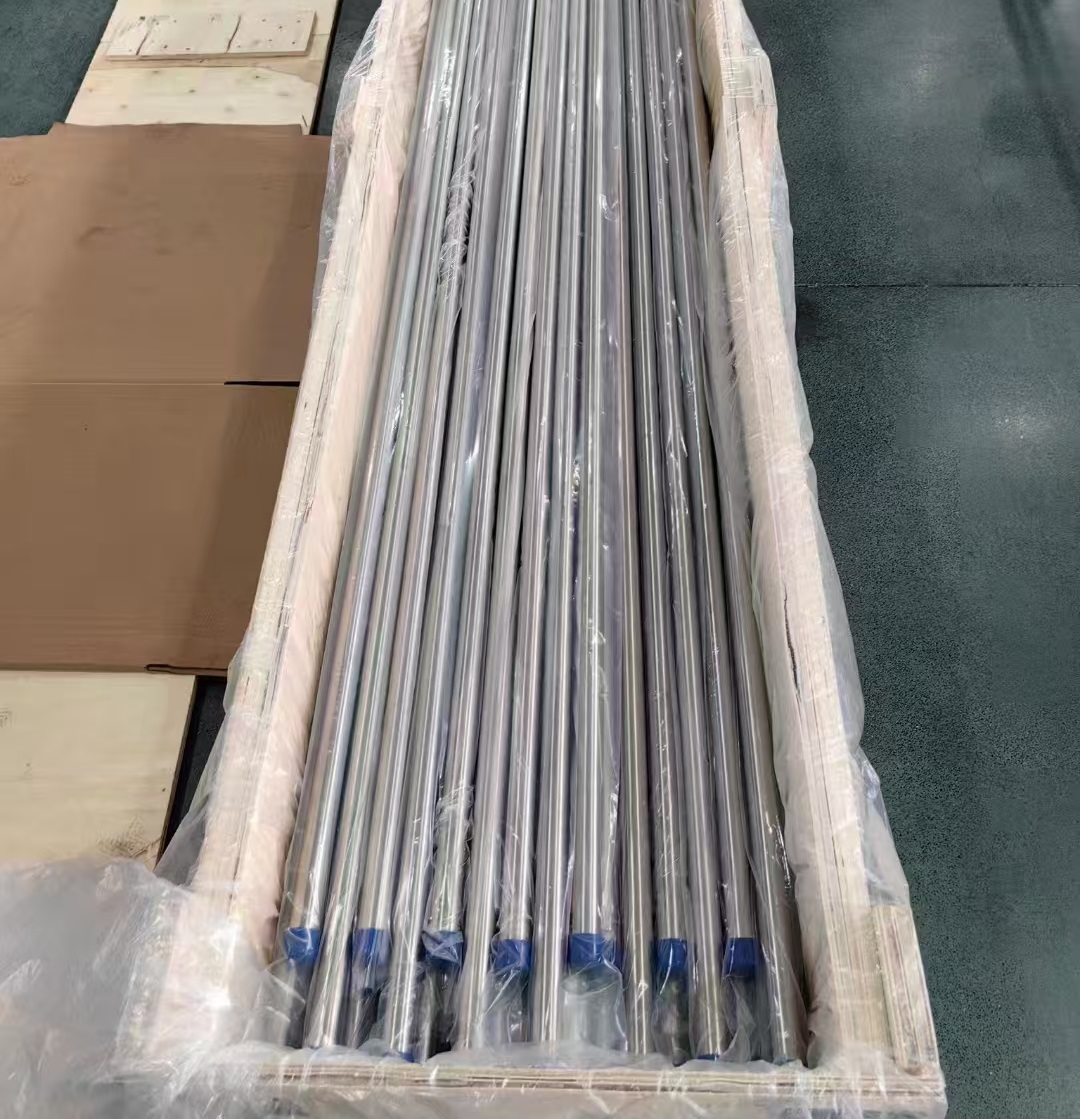
Packing and end protection Helps reduce moisture, handling damage and contamination during transport. Confirm bundle protection, wrapping, tube end protection, wooden case and packing photo requirement.
Inspection, Cleanliness and Packing

Quality Control Points for Heating Element Tube Buyers

Heating element tubes require controlled material identity, dimensions, surface condition, tube ends, internal cleanliness, dryness and packing. For heater sheath tube applications, a clean and dry tube ID is a basic quality expectation, not an optional extra.

Tube Inspection Items

  • Material grade and heat number verification
  • OD, wall thickness, length and straightness inspection
  • Surface and tube end visual inspection
  • Eddy current testing, pneumatic testing or hydrostatic testing when required by standard or customer specification
  • PMI or material verification when agreed
  • Inspection photos, videos or reports as agreed before shipment

Clean ID and Dry Delivery Control

For heating element tube projects, internal cleanliness and dryness are controlled as standard. The tube ID should be free from visible oil stain, dirt, water residue and loose contamination before packing, because the tube will normally be filled, compacted, welded, bent or stored before heater assembly.

  • Clean inner surface control for heater sheath tube applications
  • Drying or air blowing after any process that may introduce moisture
  • Tube end protection to reduce dust, moisture and handling contamination
  • Packing method selected to support dry, clean and stable delivery

Review GAOFA TECH Tube Inspection Support

For heating element tube projects, GAOFA TECH reviews material verification, dimensional inspection, surface and tube end condition, internal cleanliness, dry delivery control and export packing. Inspection records, photos or videos can be arranged when agreed before shipment.

PMIOD / WTEddy CurrentPneumatic TestClean IDDry DeliveryPacking Review
RFQ Checklist

Information Needed for a Heating Element Tube Quotation

A complete RFQ helps confirm the correct tube material, tube form, size, inspection scope, packing method and quotation accuracy. For heater applications, working medium and downstream fabrication details are as important as tube dimensions.

Best RFQ practice: If you are replacing an existing heater sheath material because of corrosion, leakage, bending cracks, cost pressure or short service life, please provide the old material, failure mode and operating condition.

  1. Material grade: 304, 316L, 310S-Mo, Incoloy 800 / 840 / 825, Inconel, Hastelloy, Titanium Gr1 / Gr2 or other grade
  2. Tube form: welded, seamless, coiled tube or cut length tube
  3. OD, wall thickness, length, tolerance and quantity
  4. Heater type: tubular heating element, cartridge heater, immersion heater, water heater, boiler heater, laundry heater, dryer heater or process heater
  5. Working medium: water, hard water, detergent solution, air, oil, steam, chemical liquid, acid, alkali or process gas
  6. Operating temperature, maximum sheath temperature, watt density and pressure
  7. Water quality, chloride level, pH, acid / alkali concentration, impurities and cleaning chemicals if applicable
  8. Fabrication requirement: bending, coiling, filling, compaction, welding, brazing, end forming or cutting
  9. Heat treatment or annealing condition, if specified by drawing, heater process or customer standard
  10. Inspection requirement: dimensional, visual, PMI, eddy current, pneumatic, hydrostatic if required or other agreed tests
  11. End protection, packing requirement, destination, Incoterms and expected delivery schedule
  12. Existing material, previous failure mode and target improvement if this is a replacement project

Send Your Heating Element Tube Requirement

Please send material grade, OD, wall thickness, length, quantity, heater type, working medium, temperature, pressure, corrosion condition, bending or forming process, required annealing condition if specified, inspection requirement and packing details. Clean ID and dry delivery are treated as basic heater sheath tube supply requirements. GAOFA TECH will review the suitable heating element tube quotation according to your specification.

FAQ

Heating Element Tubes FAQ

What are heating element tubes?

Heating element tubes are metal tubes used as sheath, protection or structural tube materials for electric heating elements, tubular heaters, cartridge heaters, immersion heaters and industrial heaters. They protect the internal heater assembly and should be selected according to working medium, temperature, corrosion condition, fabrication process and customer specification.

What tube materials are used for heating elements?

Heating element tubes may use stainless steel, Incoloy, Inconel, Hastelloy, titanium and 310S-Mo tube directions. Common review grades include 304, 316L, 321, 310S, 310S-Mo, Incoloy 800, Incoloy 840, Incoloy 825, Inconel 600, Inconel 601, Inconel 625, Hastelloy C276, Hastelloy C22, Hastelloy C4, Titanium Gr1 and Titanium Gr2.

When is stainless steel enough for heating element tubes?

Stainless steel may be enough for general water heating, air heating, oil heating and appliance heater applications where corrosion, chloride, scaling and temperature conditions are moderate. If water chemistry, detergents, acid, alkali, high temperature or previous failure is demanding, higher alloy or titanium directions should be reviewed.

When should Titanium Gr1 or Gr2 tubes be reviewed for heating elements?

Titanium Gr1 and Gr2 tubes should be reviewed for selected heating element applications where corrosion resistance, chloride exposure, detergents, cleanliness, water quality or forming requirement is important. Dishwasher and glasswasher boiler heaters are typical application directions where titanium tube review may be valuable.

Can titanium tubes be used for dishwasher and glasswasher boiler heaters?

Titanium Gr1 / Gr2 tubes may be reviewed for dishwasher and glasswasher boiler heater applications where detergents, washing chemicals, chloride, water quality or hygiene expectations require stronger corrosion resistance. Final suitability depends on heater design, water chemistry, temperature, forming process and customer approval.

When should Incoloy 800 or Incoloy 840 be reviewed?

Incoloy 800 is often reviewed for higher-temperature heating, industrial heaters, dry heat, thermal equipment and heater sheath tubes. Incoloy 840 is often reviewed for water heating elements, appliance heating elements, tubular heaters and selected immersion heater applications. The choice depends on temperature, medium, oxidation, water quality, cost and customer specification.

When should Incoloy 825 be reviewed for heating element tubes?

Incoloy 825 may be reviewed when heating elements are exposed to acidic liquids, chemical solutions, corrosive condensate, detergent residue, humid high-temperature service or process media. Laundry heaters, dish and glass dryer heaters and chemical bath heaters may require this type of corrosion review depending on actual conditions.

When should Inconel or Hastelloy tubes be reviewed for heating elements?

Inconel 600 / 601 may be reviewed for high-temperature oxidation, dry heat, furnace-related heaters or caustic service review. Inconel 625 and Hastelloy C276 / C22 / C4 may be reviewed for corrosive chemical heating, chloride-bearing media, mixed acid or severe process conditions.

Can 310S-Mo replace Incoloy 840?

310S-Mo can be discussed as a selected stainless steel-based review direction for some water heating element applications, but it should not be presented as a universal replacement for Incoloy 840. Suitability depends on water chemistry, chloride level, scale, temperature, heater design, fabrication process, testing and customer approval.

What causes heating element tube corrosion or leakage?

Heating element tube corrosion or leakage may be related to wrong material selection, chloride, scale, acid or alkali, detergents, high sheath temperature, bending damage, weld condition, internal moisture, poor end protection, storage condition or unsuitable testing and packing method.

What information is needed before requesting a heating element tube quotation?

Please provide material grade, tube form, OD, wall thickness, length, quantity, heater type, working medium, temperature, pressure, watt density, corrosion condition, bending or forming process, required annealing condition if specified, inspection requirement and packing details. Clean ID and dry delivery are treated as basic heater sheath tube supply requirements.