
Seawater / Marine Cooling Tubes
Titanium, Titanium Low Fin, Stainless Steel and Nickel Alloy Tubes for Seawater-Cooled Heat Exchangers, Marine Condensers and Offshore Cooling Equipment
GAOFA TECH supplies tubes for seawater cooling systems, marine heat exchangers, shipboard cooling equipment, seawater condensers, offshore cooling units, seawater-cooled chillers and chloride-rich cooling water applications.
Titanium tubes are commonly reviewed for seawater cooling, but final suitability depends on seawater chemistry, flow velocity, fouling, suspended solids, chlorination, tube sheet design, galvanic contact, crevice condition, cleaning method and customer specification.
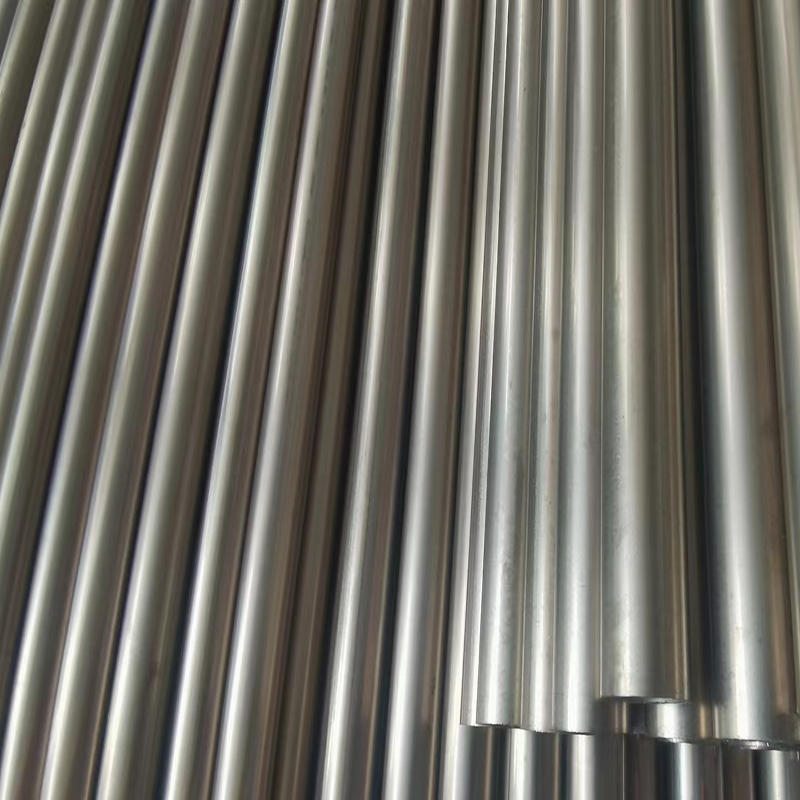
Tubes for Seawater and Marine Cooling Equipment
This page focuses on seawater and marine cooling applications, not general heat exchanger tube selection. It is written for buyers reviewing titanium tubes, titanium low fin tubes, selected stainless steel tubes and nickel alloy tubes for marine heat exchangers, seawater condensers, shipboard cooling systems and offshore cooling equipment.
For seawater-cooled heat exchangers, marine condensers, shipboard cooling systems and coastal industrial cooling.
Titanium Gr1, Gr2, Gr7 and Gr12 may be reviewed for seawater and chloride-rich cooling water applications according to specification and corrosion condition.
Low fin tubes may be reviewed where compact design or additional external surface area is required.
Final selection depends on seawater chemistry, tube sheet, flow velocity, fouling, cleaning and specification.
How This Page Differs from General Heat Exchanger and Refrigeration Tube Pages
Seawater and marine cooling applications place special attention on chloride corrosion, crevice areas, galvanic contact, biofouling, suspended solids, flow velocity, chlorination, mechanical cleaning and tube-to-tube-sheet design. These factors make seawater cooling tube selection different from general industrial cooling water projects.
For general heat exchanger material selection, please see Heat Exchanger Tubes. For phase-change condenser and evaporator applications, please see Condenser & Evaporator Tubes. For chillers, brine coolers and ammonia refrigeration systems, please see Industrial Refrigeration Tubes.
GAOFA TECH can review titanium tubes, titanium low fin tubes, stainless steel tubes, nickel alloy tubes and coiled tubes according to customer drawings, seawater condition and inspection requirements.
Do Not Select Seawater Cooling Tubes by Material Name Alone
Titanium is widely reviewed for seawater cooling, but tube selection should not be based only on the word “seawater”. The actual condition may include polluted seawater, chlorination, biofouling, sand, stagnant zones, crevices, mixed cooling media or process contamination.
- Review seawater chemistry, temperature, velocity, suspended solids and cleaning method.
- Check tube sheet material, galvanic contact and crevice design around the tube-to-tube-sheet area.
- For titanium low fin tubes, review fouling and cleaning access before selecting fin geometry.
- For copper alloy replacement projects, review thermal calculation, tube pitch, wall thickness, pressure drop and equipment output.
Where Tubes Are Used in Seawater and Marine Cooling Systems
The table below helps buyers connect equipment type with possible tube material directions. It is intended for early review and quotation discussion, not a final material guarantee.
| Equipment / System | Tube Review Direction | Important Buyer Notes |
|---|---|---|
| Marine heat exchangers | Titanium tubes or titanium low fin tubes by seawater condition | Review tube sheet material, galvanic contact, crevice design, seawater flow and cleaning method. |
| Shipboard cooling systems | Titanium, selected stainless steel or nickel alloy tubes by medium and specification | Confirm whether the tube side is seawater, fresh water, coolant, oil or process medium. |
| Seawater condensers | Titanium tubes, titanium low fin tubes and selected nickel alloy tubes | Review condensation duty, cooling-side fouling, tube cleaning and tube expansion or welding method. |
| Offshore cooling equipment | Titanium or nickel alloy tubes by seawater, temperature and corrosion condition | Polluted seawater, higher temperature and maintenance access can affect material choice. |
| Seawater-cooled chillers | Titanium tubes on seawater side; stainless or enhanced tubes by equipment design | Review refrigerant side separately from seawater side and check pressure drop limits. |
| Coastal plant cooling systems | Titanium, duplex stainless steel or nickel alloy tubes by water chemistry | Do not treat all coastal cooling water as clean seawater; suspended solids and contamination may change the review direction. |
| Desalination equipment | Titanium or nickel alloy tubes by process medium and design | Review seawater, brine concentration, cleaning chemicals and temperature before selection. |
| Marine HVAC / refrigeration | Titanium tubes by seawater cooling circuit and equipment drawing | Link refrigerant-side and seawater-side requirements before selecting smooth or enhanced tubes. |
Why Titanium Tubes Are Often Reviewed for Seawater Cooling
Seawater contains chloride and can create pitting, crevice corrosion and galvanic corrosion risks for many conventional tube materials. Titanium Gr1, Gr2, Gr7 and Gr12 tubes may be reviewed for seawater-cooled heat exchangers, marine condensers and chloride-rich cooling water applications according to customer specification, corrosion condition and equipment design.
This does not mean titanium should be selected without review. Seawater velocity, biofouling, suspended solids, chlorination, deposits, crevice areas, tube sheet material and cleaning method should still be checked before final selection.
What Should Be Checked Before Selecting Titanium?
- Is the cooling medium direct seawater, polluted seawater, brackish water or chloride-rich cooling water?
- What are the operating temperature, design pressure and flow velocity?
- Are sand, suspended solids, biofouling or deposits expected?
- Will chlorination, chemical cleaning or mechanical cleaning be used?
- What is the tube sheet material and how will the tube be fixed?
- Is the project a new design, retubing project or copper alloy replacement project?
Tube Material Options for Seawater / Marine Cooling
Titanium is the main material direction for many seawater cooling tube discussions, but selected stainless steel, duplex stainless steel, nickel alloy, low fin and coiled tube options may also be reviewed depending on the exact cooling medium, equipment design and customer specification.
Titanium Tubes
Titanium Gr1, Gr2, Gr7 and Gr12 tubes may be reviewed for seawater heat exchangers, marine condensers and chloride-rich cooling water, depending on specification and corrosion condition.
View Titanium Tubes →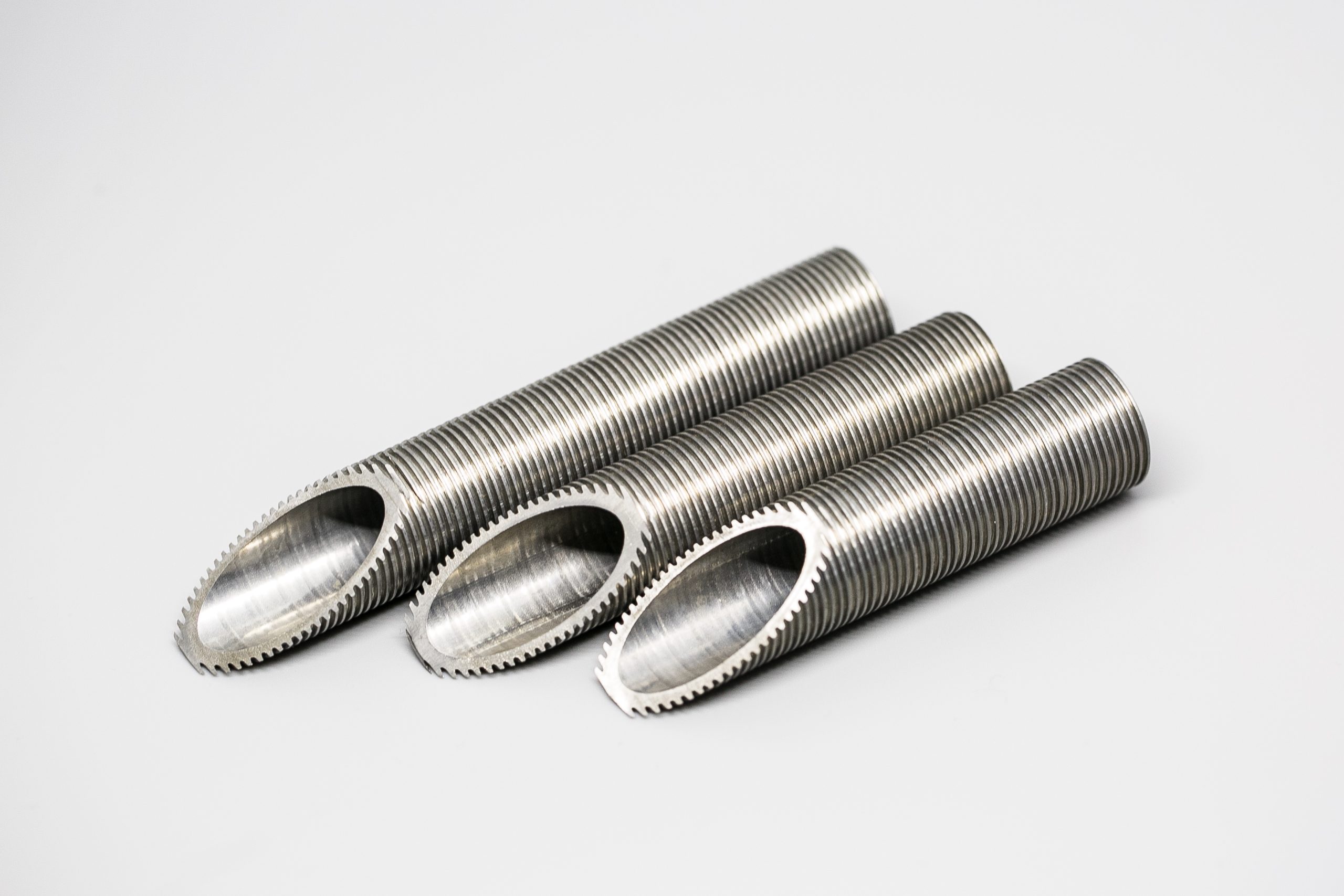
Titanium Low Fin Tubes
Low fin tubes may be reviewed for seawater condensers when additional external surface area or compact design needs review.
View Titanium Low Fin Tube →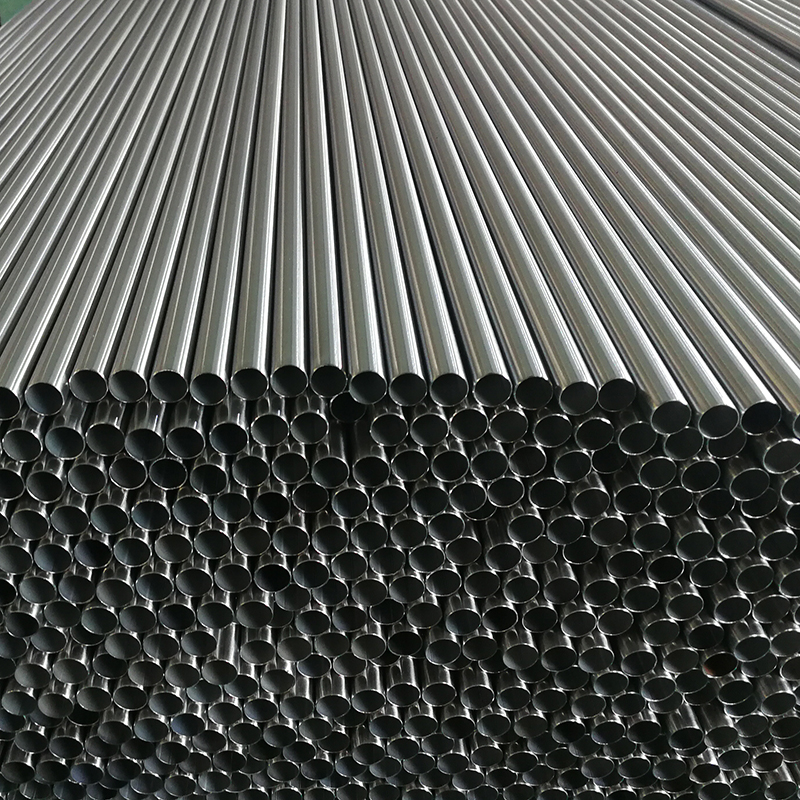
Stainless Steel Tubes
316L, duplex and super duplex stainless steel may be reviewed for selected chloride-rich cooling water applications by condition.
View Stainless Steel Tubes →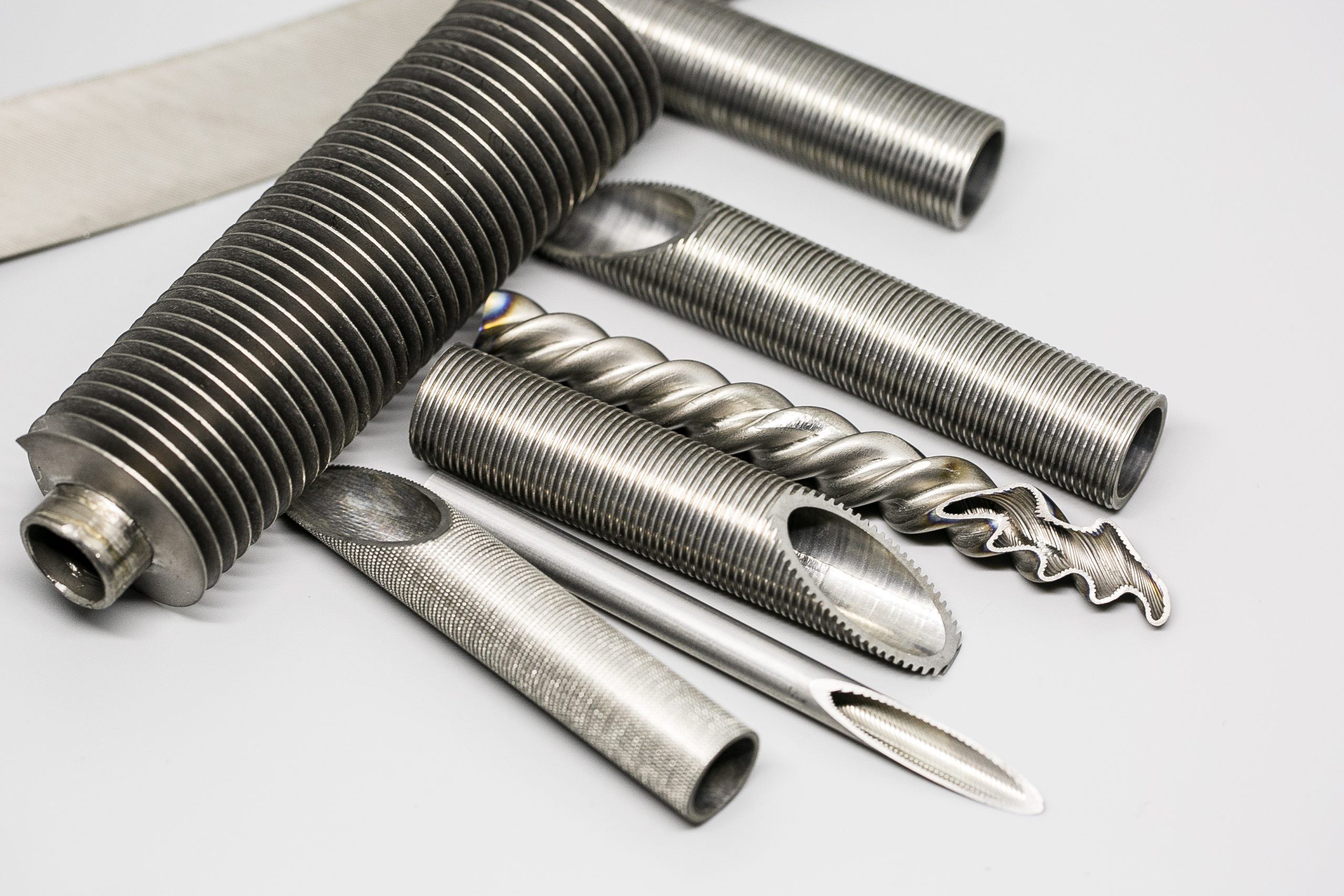
Enhanced Tubes
Low fin and selected enhanced tube structures may be reviewed when thermal performance or equipment size requires optimization.
View Enhanced Tubes →| Material Direction | When to Review | Notes |
|---|---|---|
| Titanium Gr1 Tubes | Selected seawater heat exchangers and marine condensers where Grade 1 is specified | Review design pressure, wall thickness, tube sheet, crevice design, galvanic contact, flow velocity, fouling and cleaning. |
| Titanium Gr2 Tubes | Common titanium direction for seawater heat exchangers, marine condensers and chloride-rich cooling water | Review tube sheet, crevice design, galvanic contact, flow velocity, fouling, chlorination and cleaning. |
| Titanium Gr7 Tubes | Palladium-bearing titanium direction when customer specification or more demanding corrosion review requires it | Project-specific review is required; check seawater condition, crevice risk, process contamination, tube sheet design and specification. |
| Titanium Gr12 Tubes | Titanium-nickel-molybdenum direction for selected demanding seawater or chloride-rich cooling applications | Project-specific review is required; selection should follow drawing, corrosion review and technical specification. |
| Titanium Low Fin Tubes | Seawater condensers where external surface area or compact design needs review | Review fouling, cleaning method, fin geometry and base wall thickness. |
| 316L Stainless Steel Tubes | Selected mildly corrosive cooling water, not severe direct seawater by default | Chloride, temperature and crevice corrosion risk must be reviewed carefully. |
| Duplex / Super Duplex Stainless Steel | Selected chloride-rich water applications | Not an automatic replacement for titanium; water chemistry and crevice condition must be checked. |
| Nickel Alloy Tubes | Polluted seawater, chemical cooling or severe corrosion review conditions | Full medium data, temperature and corrosion history are required. |
| Smooth Tubes | Conventional seawater heat exchanger designs | Often easier to clean and maintain compared with some enhanced structures. |
| Coiled Tubes | Selected cooling loops, compact equipment or custom routing designs | Drawing, bending radius, length and cleanliness requirements should be confirmed. |
Seawater Cooling Tube Selection Matrix
This matrix is intended for early material discussion. Final selection should be confirmed by customer specification, engineering review, corrosion assessment and thermal calculation.
| Working Condition | Tube Direction to Review | Engineering Notes |
|---|---|---|
| Direct seawater cooling | Titanium Gr1 / Gr2 / Gr7 / Gr12 tubes | Review seawater chemistry, velocity, tube sheet material, fouling and cleaning method. |
| Marine condenser | Titanium tubes or titanium low fin tubes | Low fin structure may be reviewed only when fouling and cleaning conditions are acceptable. |
| Seawater-cooled chiller | Titanium tubes on seawater side | Review refrigerant side separately and confirm tube expansion, welding and pressure drop requirements. |
| Chloride-rich cooling water | Titanium, duplex stainless steel or nickel alloy by chemistry | Chloride level, temperature, pH and crevice risk should be checked before selection. |
| Polluted seawater | Titanium or nickel alloy tubes by corrosion review | Pollution, sulfide, organic contamination or chemical carryover may change the material direction. |
| Sand / suspended solids | Titanium tube with erosion and flow velocity review | High solids or excessive velocity may create erosion concerns and require design review. |
| Chlorinated seawater | Titanium by oxidizing condition and specification review | Chlorination level, dosing method and cleaning cycle should be included in the review. |
| Copper alloy tube replacement | Titanium tube review with heat transfer recalculation | Not a direct drop-in replacement; wall thickness, tube pitch, flow and pressure drop should be checked. |
| Compact seawater condenser | Titanium low fin tube by thermal calculation | Review fin geometry, fouling, cleaning access and tube-to-tube-sheet connection. |
| Offshore process cooling | Titanium or nickel alloy tubes by medium and temperature | Full medium data is required if seawater is mixed with process contamination or chemicals. |
Titanium Tube Review for Copper-Nickel or Copper Alloy Replacement
Copper alloy tubes, including copper-nickel tubes, have been widely used in marine and seawater cooling equipment. In some projects, titanium tubes may be reviewed when corrosion, erosion, maintenance, seawater quality, equipment lifetime or copper alloy supply cost becomes a concern.
However, titanium tubes should not be treated as a direct drop-in replacement without engineering review. Titanium has different thermal conductivity, strength, modulus, expansion behavior, wall thickness direction and tube-to-tube-sheet requirements compared with copper alloys.
For replacement projects, GAOFA TECH recommends providing the existing tube material, OD, wall thickness, length, tube sheet material, failure mode, seawater condition and target improvement before quotation.
What Must Be Checked Before Changing Material?
- Overall heat transfer coefficient and equipment output
- Tube wall thickness, OD, tube pitch and heat transfer area
- Flow velocity, pressure drop and pump condition
- Tube sheet material, galvanic compatibility and joint design
- Tube expansion, welding, rolling or sealing method
- Mechanical cleaning, chemical cleaning and fouling control
- Whether titanium low fin tubes should be reviewed for added surface area
Titanium Low Fin Tubes for Seawater Condensers
Titanium low fin tubes may be reviewed for seawater condensers and marine cooling equipment where external surface area, compact design or thermal performance needs improvement.
Low fin structure is not automatically suitable for every seawater application. Fin geometry, fouling tendency, biofouling, mechanical cleaning, chemical cleaning, base wall thickness and tube-to-tube-sheet connection should be reviewed before selection.
Titanium Low Fin Tube
Reviewed for selected seawater condenser and marine cooling applications when surface area and compact design need evaluation.
View Related Product →Design and Corrosion Factors to Review
Seawater cooling tube selection should review the complete operating environment, not only the tube grade. The same material may perform differently under clean seawater, polluted seawater, stagnant areas, chlorinated systems or high-suspended-solid conditions.
| Review Factor | Why It Matters | Buyer Information to Provide |
|---|---|---|
| Chloride level | Affects stainless steel, duplex, titanium and nickel alloy review direction. | Water analysis, chloride content or seawater source if available. |
| Temperature | Higher temperature can increase corrosion and scaling risk for many materials. | Inlet / outlet temperature and design temperature. |
| Flow velocity | Too low may encourage deposits; too high may increase erosion risk. | Tube-side velocity or flow rate if available. |
| Suspended solids / sand | Can affect erosion, tube surface condition and cleaning frequency. | Sand, silt or suspended solids information. |
| Biofouling | Reduces heat transfer and affects whether enhanced tubes are practical. | Biofouling history, filtration and cleaning method. |
| Chlorination | Oxidizing condition and dosing method should be reviewed. | Chlorination level, continuous or intermittent dosing. |
| Tube sheet material | Affects galvanic contact, joint design and crevice areas. | Tube sheet material, coating, cladding or lining information. |
| Crevice design | Important around tube-to-tube-sheet joints and stagnant zones. | Drawing, tube fixing method and joint design. |
| Cleaning method | Mechanical or chemical cleaning affects smooth tube and low fin tube selection. | Cleaning cycle, cleaning chemical and mechanical cleaning method. |
| Fouling tendency | May reduce heat transfer and limit the use of enhanced surface tubes. | Fouling history, filtration, expected maintenance interval. |
Inspection and Quality Control for Seawater Cooling Tubes
Seawater heat exchanger and marine cooling tubes may require stable dimensions, reliable surface condition, internal cleanliness, suitable inspection and careful packing before assembly. Related inspection examples are summarized on the Quality Control page.
| Inspection / Control Item | Purpose | Buyer Notes |
|---|---|---|
| Material Certificate / MTC | Confirm heat number, chemical composition and mechanical properties. | Important for titanium, stainless steel and nickel alloy procurement. |
| OD / WT / Length Inspection | Support tube sheet fitting, replacement tube matching and assembly. | Please confirm tolerance, cut length, straightness and plain end length if required. |
| Surface Inspection | Review visible defects, handling condition and surface finish. | Surface condition should match downstream expansion, welding or assembly method. |
| Eddy Current / Hydrostatic / Pneumatic Test | Review tube integrity according to applicable standard or order requirement. | Testing method and acceptance criteria should be agreed before production. |
| Ultrasonic Testing for Selected Tubes | May be reviewed for selected seamless tubes or project-specific requirements. | UT scope depends on material, tube route, standard and customer specification. |
| Internal Cleanliness and End Protection | Reduce contamination risk before assembly into heat exchangers or cooling loops. | Drying, air blowing, sponge cleaning or tube end protection can be reviewed by requirement. |
| Packing Photos and Export Packing | Reduce transport damage, deformation and contamination. | Bundle packing, wooden case and packing photos can be discussed before shipment. |
Review Tube Inspection and Quality Control Details
GAOFA TECH can review dimensional inspection, visual inspection, PMI checking, eddy current testing, pneumatic testing, ultrasonic testing, internal cleanliness checking and packing review according to order requirements.
Information Needed for Seawater / Marine Cooling Tube Quotation
A complete RFQ helps GAOFA TECH review the suitable material, tube form, enhanced tube structure, inspection scope, packing method and quotation accuracy. Buyers can also use the Tube Inquiry Checklist before sending drawings or replacement details.
For seawater and marine cooling projects, working condition information is especially important. Please provide seawater side or process side information when available, especially if the project involves direct seawater, polluted seawater, chlorination, sand, biofouling, retubing or copper alloy replacement.
Best RFQ practice: If the project is a retubing or replacement project, please provide the existing tube material, failure mode, tube sheet material, tube drawing and seawater condition.
- Tube material or candidate materials: titanium Gr1 / Gr2 / Gr7 / Gr12, stainless steel, duplex stainless steel, nickel alloy or current material
- Tube form: welded, seamless, smooth, low fin, coiled or other special tube form
- Tube OD, wall thickness, length, tolerance, plain end length and quantity
- Equipment type: marine heat exchanger, seawater condenser, shipboard cooling, seawater-cooled chiller, offshore cooling equipment or coastal plant cooling system
- Whether the tube side is seawater, fresh water, brine, coolant, process liquid or mixed medium
- Seawater chemistry, chloride level, pH, temperature, suspended solids, sand, pollution or chlorination information if available
- Operating temperature, design pressure, flow velocity and pressure drop limitation if available
- Tube sheet material, tube fixing method, expansion, welding, rolling, sealing or end forming requirement
- Cleaning method, fouling history, filtration, maintenance cycle and existing failure mode if this is a replacement project
- Applicable standard, drawing, inspection requirement, MTC, test record, packing requirement and packing photos if required
- Destination, Incoterms and expected delivery schedule
Send Your Seawater Cooling Tube Requirement
Please send tube material, OD, wall thickness, length, quantity, equipment type, seawater or cooling medium condition, tube sheet material, temperature, pressure, inspection requirement and destination. GAOFA TECH will review the suitable tube quotation according to your drawing and specification.
Seawater / Marine Cooling Tubes FAQ
What tubes are used for seawater cooling systems?
Seawater cooling systems may use titanium tubes, titanium low fin tubes, selected stainless steel or duplex stainless steel tubes, nickel alloy tubes or smooth heat exchanger tubes. The final tube material depends on seawater chemistry, temperature, flow velocity, fouling, chlorination, cleaning method, tube sheet material and customer specification.
Why are titanium tubes often reviewed for seawater heat exchangers?
Titanium tubes are often reviewed because seawater contains chloride and may create pitting, crevice corrosion and galvanic corrosion risks for many conventional tube materials. Titanium Gr1, Gr2, Gr7 and Gr12 may be reviewed for seawater-cooled heat exchangers and marine condensers according to specification and corrosion condition. However, flow velocity, deposits, fouling, chlorination, tube sheet material and crevice design should still be checked.
Can stainless steel tubes be used for seawater cooling?
Stainless steel tubes may be reviewed for selected mild cooling water or chloride-containing water conditions, but common 304 or 316L stainless steel should not be treated as automatically suitable for direct seawater. Chloride level, temperature, crevice areas, stagnant zones, cleaning chemicals and corrosion history must be reviewed carefully.
Are titanium tubes suitable for marine heat exchangers?
Titanium tubes are commonly reviewed for marine heat exchangers, seawater condensers and shipboard cooling systems. Suitability still depends on tube sheet material, galvanic contact, crevice design, seawater velocity, fouling, suspended solids, chlorination, cleaning method and equipment specification.
Can titanium tubes replace copper-nickel tubes in seawater condensers?
Titanium tubes may be reviewed as an alternative to copper-nickel or other copper alloy tubes in selected seawater condenser projects. Replacement should not be treated as a direct material swap. Thermal conductivity, wall thickness, tube pitch, heat transfer area, flow velocity, pressure drop, tube sheet material and tube-to-tube-sheet connection should be reviewed.
When should titanium low fin tubes be used in seawater condensers?
Titanium low fin tubes may be reviewed when seawater condensers require more external surface area, compact design or thermal performance improvement. Fouling, biofouling, cleaning access, fin geometry, base wall thickness and tube fixing method should be reviewed before selection.
What is the difference between seawater cooling tubes and general heat exchanger tubes?
Seawater cooling tubes are a specific type of heat exchanger tube selected for chloride-rich cooling environments. Compared with general heat exchanger tubes, they require more attention to pitting corrosion, crevice corrosion, galvanic contact, biofouling, suspended solids, chlorination, flow velocity and cleaning method.
Which tube material should be reviewed for polluted seawater or offshore cooling?
Polluted seawater and offshore cooling may require titanium or selected nickel alloy tubes depending on seawater chemistry, temperature, pollution type, sulfide level, organic contamination, suspended solids and cleaning method. Full medium data and corrosion history are helpful before material review.
What information is needed for a seawater cooling tube quotation?
A useful quotation request should include tube material, OD, wall thickness, length, quantity, equipment type, seawater side or process side information, tube sheet material, temperature, pressure, flow velocity if available, drawing, standard, inspection requirement, packing requirement and destination.
Can enhanced tubes be used for seawater cooling?
Enhanced tubes may be reviewed for selected seawater cooling applications, especially titanium low fin tubes for seawater condensers. However, enhanced tubes should be reviewed together with fouling, biofouling, cleaning method, pressure drop, tube expansion, tube sheet design and maintenance access.