
Copper Tube Replacement Review
Stainless Steel, Titanium, Nickel Alloy and Enhanced Tubes for HVAC/R, Industrial Refrigeration, Condensers, Evaporators and Heat Exchanger Tube Projects
GAOFA TECH supports HVAC/R and industrial refrigeration buyers reviewing stainless steel tubes, enhanced heat transfer tubes, titanium tubes and nickel alloy tubes as possible alternatives to copper tubes in industrial refrigeration, condensers and evaporators and heat exchanger projects.
Copper tube replacement is not a direct material substitution. In current GAOFA TECH inquiry scenarios, the strongest practical relevance is refrigeration and heat exchanger equipment where stainless steel tubes may be reviewed under copper price pressure, corrosion risk or design changes. Other industries can still use this guide, but the replacement logic should remain application-specific.
What Does Copper Tube Replacement Mean?
Copper tube replacement means reviewing whether another tube material or tube design can meet the required heat transfer, corrosion resistance, pressure, fabrication and service requirements. It does not mean simply changing the material name while keeping every design parameter unchanged.
Buyers may review alternatives due to copper price pressure, corrosion failure, medium change or equipment design upgrade.
Many buyers start with 304, 316L or Titanium Gr2, but final selection should not be limited to these grades.
Copper has high thermal conductivity. Replacing it may require tube size, wall thickness, area or enhanced surface review.
GAOFA TECH supplies tube materials for customer review; final design approval should come from the equipment designer.
Common Starting Materials in Refrigeration: 304, 316L and Titanium Gr2 — But Not Only These
In the current copper replacement discussion, the most practical inquiries GAOFA TECH sees are closer to refrigeration, HVAC/R and cooling heat exchanger projects. Buyers often first ask about 304 stainless steel, 316L stainless steel or Titanium Gr2 because these materials are familiar, widely used and easier to compare at the early RFQ stage.
However, this guide should not be limited to only these three materials. Different refrigeration, cooling water, seawater, corrosive heat exchanger or chemical equipment conditions may require other stainless steel grades, Titanium Gr1 / Gr7 / Gr12, nickel alloys such as Incoloy, Inconel or Hastelloy, or enhanced tube designs such as low fin tubes and inner grooved tubes.
The correct review direction depends on the working medium, temperature, pressure, corrosion mode, heat duty, fabrication method, cleaning practice and customer specification.
This Page Does Not Recommend One Universal Replacement Material
- 304 may be reviewed for selected refrigeration, condenser, evaporator, water-side and general heat exchanger applications.
- 316L may be reviewed where chloride, condensate, cooling water or corrosion risk is higher than standard 304 conditions.
- Titanium Gr2 may be reviewed for seawater cooling, chloride-rich cooling water and selected corrosive cooling applications.
- Nickel alloys may be reviewed for higher temperature, corrosive or chemical service.
- Enhanced tubes may be reviewed when heat transfer area, compact design or thermal performance must be reconsidered.
Why Buyers Review Alternatives to Copper Tubes
Copper alternatives are usually reviewed because of cost pressure, corrosion problems, changed working medium, equipment upgrade, reliability concern or supply chain adjustment. Each reason leads to different technical questions.
| Reason for Review | What It Means | What Should Be Checked |
|---|---|---|
| Copper price pressure | Buyers may review stainless steel or enhanced tubes for cost stability. | Thermal design, heat transfer area, pressure drop and fabrication cost should still be recalculated. |
| Corrosion failure | Titanium, stainless steel or nickel alloy tubes may be reviewed according to medium and failure mode. | Water chemistry, chloride, pH, temperature, impurities, flow velocity and cleaning chemicals. |
| Seawater or chloride-rich cooling water | Titanium or selected nickel alloy directions may be reviewed instead of copper alloy or copper nickel tubes. | Seawater velocity, fouling, tube sheet material, galvanic contact and crevice design. |
| Higher temperature | Stainless steel or nickel alloy tubes may be reviewed for oxidation or high-temperature resistance. | Operating temperature, thermal cycling, sheath temperature and oxidation condition. |
| Mechanical strength or pressure | Alternative materials may offer different strength and pressure design options. | Wall thickness, pressure rating, tube expansion, bending and welding process. |
| Supply chain change | Buyers may want a more stable material supply direction. | Replacement should still follow technical validation, not only purchasing availability. |
Copper vs Stainless Steel, Titanium and Nickel Alloy Tubes
This table is for early review only. Final tube material should be selected according to the actual working medium, temperature, pressure, corrosion condition, fabrication route and equipment design.
| Material Direction | Why It May Be Reviewed | Main Caution |
|---|---|---|
| 304 Stainless Steel Tubes | Reviewed for selected water heating, air heating, general equipment, cost and availability-driven replacement projects. | Lower thermal conductivity than copper; corrosion risk increases with chloride, temperature, stagnant water or cleaning chemistry. |
| 316L Stainless Steel Tubes | Reviewed where corrosion risk is higher than standard 304 conditions, especially selected water or chloride-containing environments. | Still not universal for high chloride, seawater, crevice or stress corrosion environments. |
| Titanium Gr2 Tubes | Frequently reviewed for seawater, chloride-rich cooling water and selected corrosive cooling applications. | Higher material cost; tube sheet, galvanic contact, crevice design, fouling and cleaning method must be reviewed. |
| Other Titanium Grades | Gr1, Gr7 or Gr12 may be reviewed when the specification or corrosion condition requires a different titanium direction. | Grade selection depends on water chemistry, reducing condition, temperature, specification and equipment design. |
| Nickel Alloy Tubes | Reviewed for high-temperature, heating element, chemical, chloride or aggressive corrosion applications. | Higher cost; grade selection depends strongly on medium composition, concentration, impurities, temperature and corrosion mode. |
| Enhanced Heat Transfer Tubes | Low fin, inner grooved or other enhanced tubes may be reviewed when heat transfer area must be reconsidered. | Fouling, cleaning, pressure drop, tube expansion and thermal calculation must be checked. |
Heat Transfer Is Not the Same After Replacing Copper
Copper is widely used partly because of its high thermal conductivity. Stainless steel, titanium and nickel alloys have different thermal conductivity, mechanical properties, corrosion behavior and fabrication requirements.
When replacing copper tubes, buyers should not only compare material prices. The equipment designer should review heat transfer area, tube wall thickness, flow rate, pressure drop, tube surface condition, fouling tendency and cleaning method.
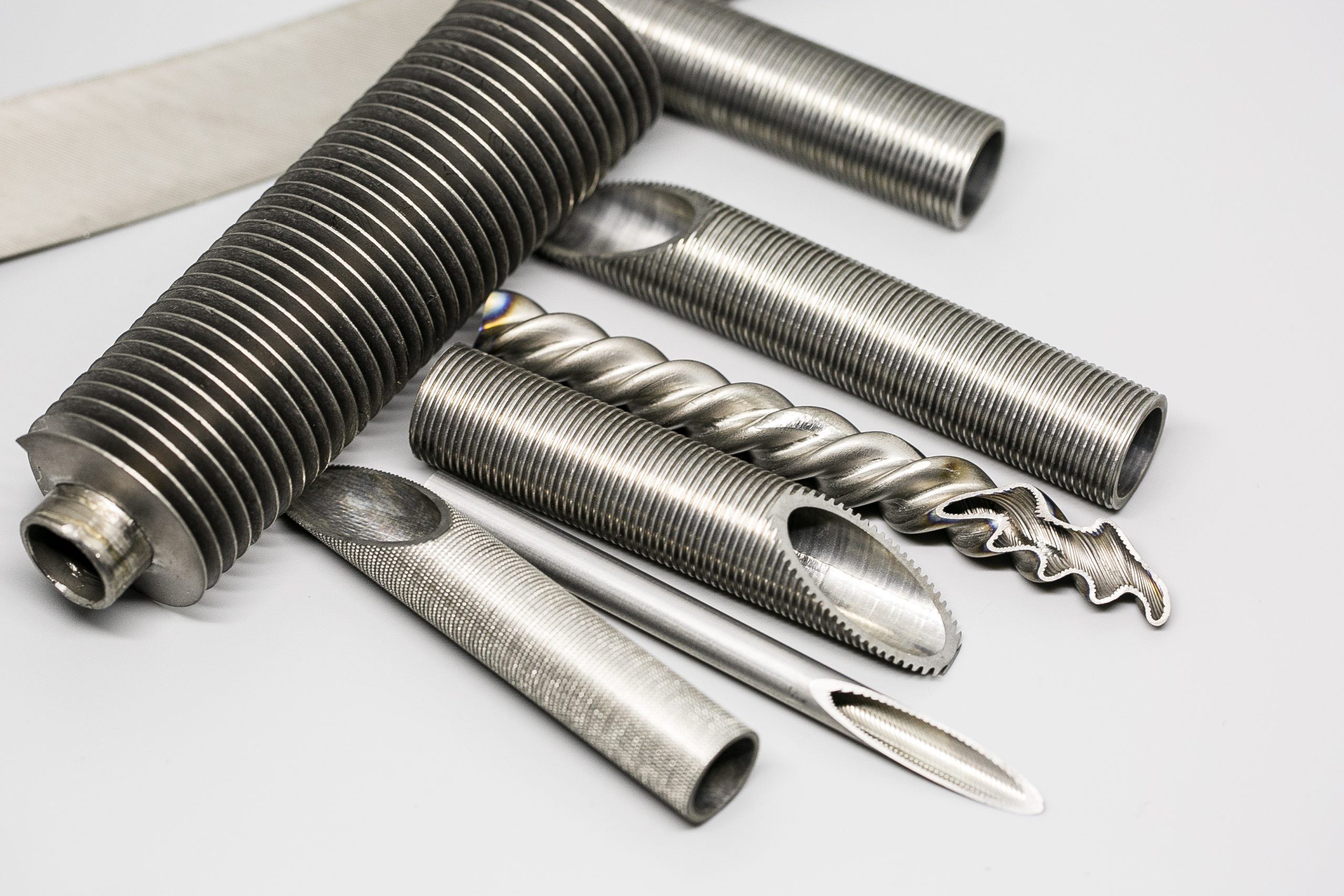
Enhanced tubes may be reviewed to improve heat transfer in selected designs, including low fin tubes and inner grooved tubes. They do not automatically solve every replacement case. Fouling, cleaning, pressure drop and equipment geometry should be checked.
Before Changing Tube Material
- Heat duty and required heat transfer area.
- Tube wall thickness, OD, length and surface design.
- Flow rate, velocity, pressure drop and fouling factor.
- Thermal expansion and tube sheet compatibility.
- Bending, expansion, welding, brazing or mechanical assembly process.
- Cleaning accessibility and maintenance method.
Application Matrix for Refrigeration-Focused Copper Tube Replacement Review
Replacement direction should be reviewed by application. The strongest focus of this page is refrigeration and heat exchanger tube projects. Other applications are included only as secondary review directions when the working medium, corrosion condition or customer specification requires material comparison.
| Application | Possible Review Direction | Key Review Factors |
|---|---|---|
| HVAC/R and refrigeration heat exchangers | 304, 316L, enhanced stainless tubes or titanium by cooling water condition. | Heat duty, refrigerant or secondary coolant, pressure, tube wall, fin design, thermal calculation and pressure drop. |
| Condenser tubes | 304 / 316L stainless steel, Titanium Gr2, selected titanium grades or enhanced tubes. | Cooling water chemistry, chloride, fouling, flow velocity, cleaning method, tube expansion and tube sheet compatibility. |
| Evaporator tubes | Stainless steel or enhanced tubes by refrigerant, brine, glycol or process medium. | Pressure, refrigerant compatibility, heat transfer, oil return, fouling, cleanability and manufacturing route. |
| Industrial refrigeration equipment | Stainless steel, titanium, low fin or inner grooved tubes. | Ammonia, brine, glycol, cooling water chemistry, pressure, vibration and equipment design. |
| Cooling coils and compact heat exchangers | Stainless steel tubes, low fin tubes, inner grooved tubes or other enhanced tube forms. | Heat transfer area, air-side or water-side design, fin geometry, pressure drop, fouling and cleaning access. |
| Seawater or chloride-rich cooling | Titanium Gr2, Gr12, Gr7 or selected alloy review. | Chloride, seawater velocity, fouling, cleaning, galvanic design and tube sheet compatibility. |
| Data center cooling heat exchangers | Titanium or stainless steel by coolant and water chemistry. | Seawater, glycol, cooling tower water, corrosion risk, heat rejection design and customer specification. |
| Chemical or corrosive heat exchangers | Titanium, Hastelloy, Inconel, Incoloy or stainless steel by medium. | Acid, alkali, chloride, concentration, temperature, impurities and corrosion mode. |
| Heating element tubes | Secondary review only: stainless steel, nickel alloy or titanium by heater medium and specification. | Copper-to-stainless replacement is not the main market trend here. Review water chemistry, temperature, watt density, scaling, bending, MgO filling, cleanliness and end protection. |
Material Replacement by Failure Mode
When replacement is caused by tube failure, the failure mode should be identified before selecting a new material. This is especially important for seawater cooling, cooling tower water, brine systems and chemical or corrosive equipment. Without understanding the failure mechanism, replacement can repeat the same problem in another material.
| Existing Problem | Replacement Review Direction | Information Needed |
|---|---|---|
| Pitting corrosion | Review chloride level, stainless grade, titanium or nickel alloy direction. | Water chemistry, chloride, temperature, pH, stagnant zones and cleaning method. |
| Crevice corrosion | Review tube sheet, expansion area, gasket contact, titanium or nickel alloy direction. | Tube sheet design, gap areas, deposit condition, flow and maintenance practice. |
| Stress corrosion cracking | Review chloride, temperature, stress level and stainless steel suitability. | Operating temperature, residual stress, forming process and medium composition. |
| Erosion-corrosion | Review flow velocity, suspended solids, tube material and wall thickness. | Velocity, sand or particles, flow direction, tube bend area and pressure conditions. |
| Copper alloy corrosion or dezincification | Review water chemistry and possible titanium, stainless steel or nickel alloy direction. | Water source, pH, chloride, ammonia, sulfides, oxygen and treatment chemicals. |
| Acid corrosion | Review titanium, Hastelloy, Inconel or other nickel alloy by medium. | Acid type, concentration, impurities, temperature and oxidizing / reducing condition. |
| Scaling or fouling | Review cleaning method, tube surface, enhanced tube suitability and material compatibility. | Water hardness, scale type, fouling factor, cleaning chemical and maintenance interval. |
| Thermal fatigue | Review heating cycle, tube material, wall thickness and fabrication design. | Start-stop cycle, temperature change rate, welding / bending areas and heater design. |
Tube Products to Review as Copper Alternatives
GAOFA TECH can review different tube materials and tube forms according to the application, not only one replacement grade. For refrigeration and heat exchanger buyers, start from Industrial Refrigeration Tubes, Condenser & Evaporator Tubes and Heat Exchanger Tubes. The product direction should be connected with working medium, heat duty and fabrication process.
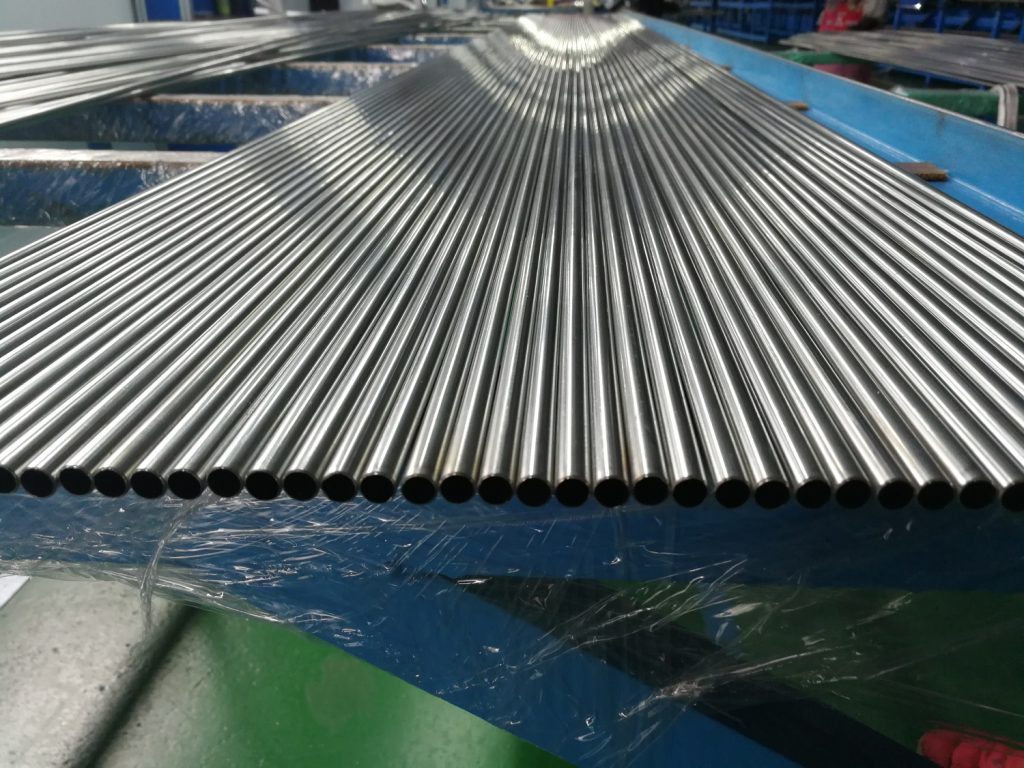
Stainless Steel Tubes
Common review direction for selected water heating, air heating, general equipment and heat exchanger applications.
304 and 316L are frequent starting points, while other stainless grades may be reviewed by temperature, corrosion and specification.
View Stainless Steel Tubes →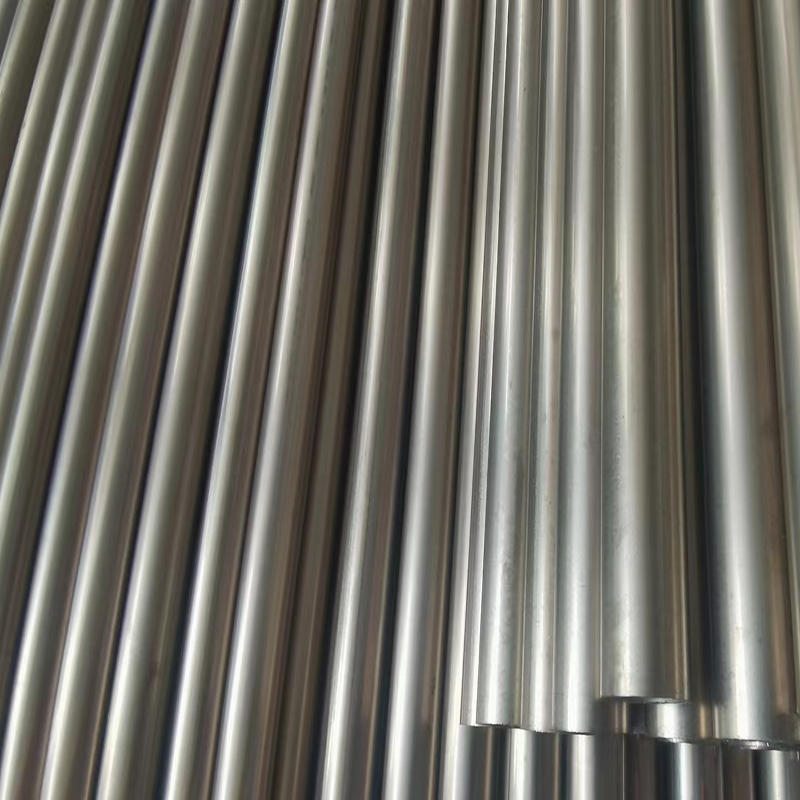
Titanium Tubes
Commonly reviewed for seawater, chloride-rich cooling water and selected corrosion-sensitive applications.
Titanium Gr2 is a common starting point, while Gr1, Gr7 or Gr12 may be reviewed according to specification and corrosion condition.
View Titanium Tubes →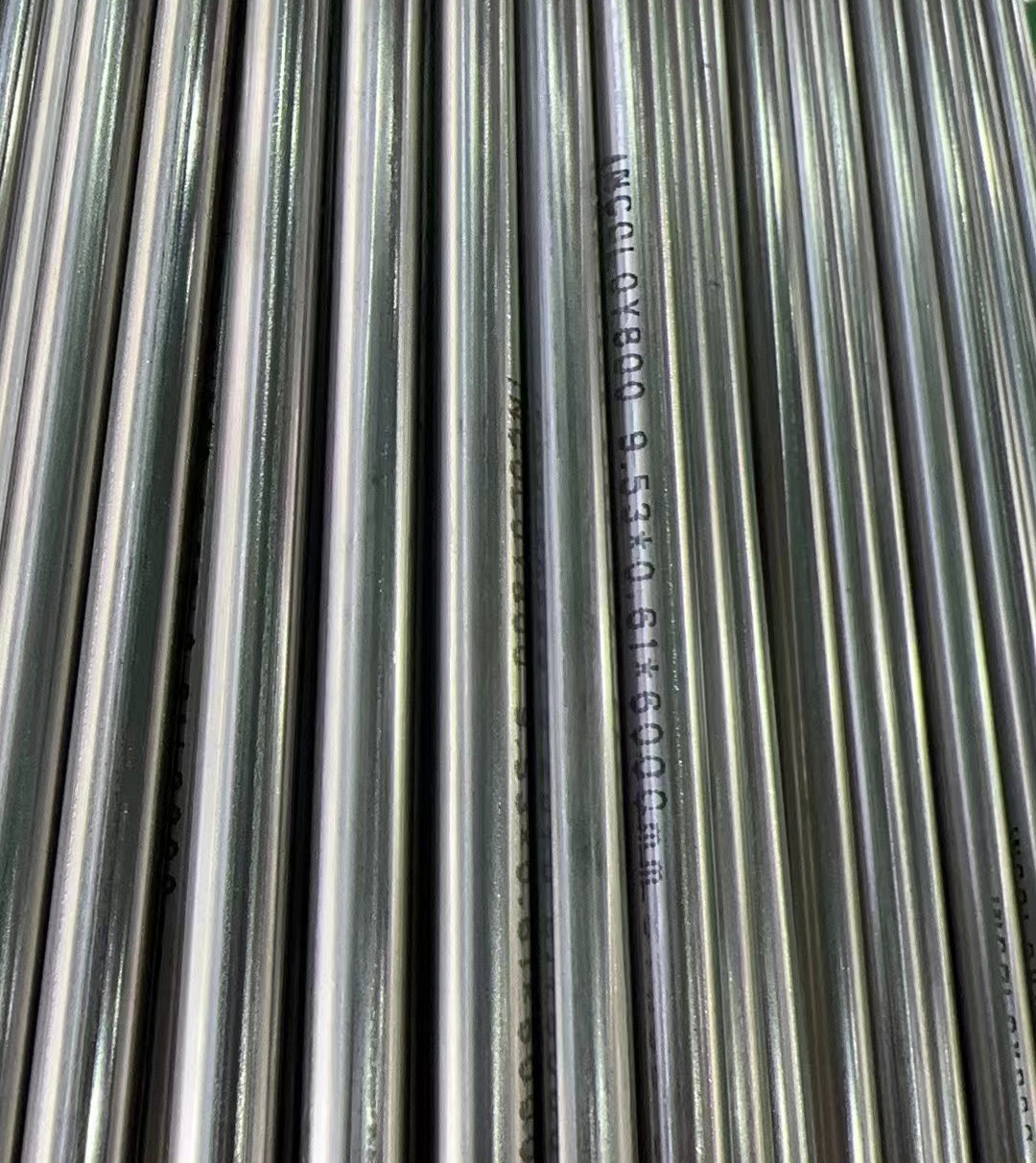
Nickel Alloy Tubes
Reviewed for high-temperature, heating element, chemical and aggressive corrosion applications.
Incoloy, Inconel and Hastelloy tube selection depends strongly on medium, temperature, concentration, impurities and corrosion mode.
View Nickel Alloy Tubes →Enhanced Heat Transfer Tubes
Useful for selected designs where heat transfer area or compact equipment layout must be reviewed.
Low fin, inner grooved or other enhanced tubes should be checked for pressure drop, fouling, cleanability and fabrication.
View Enhanced Tubes →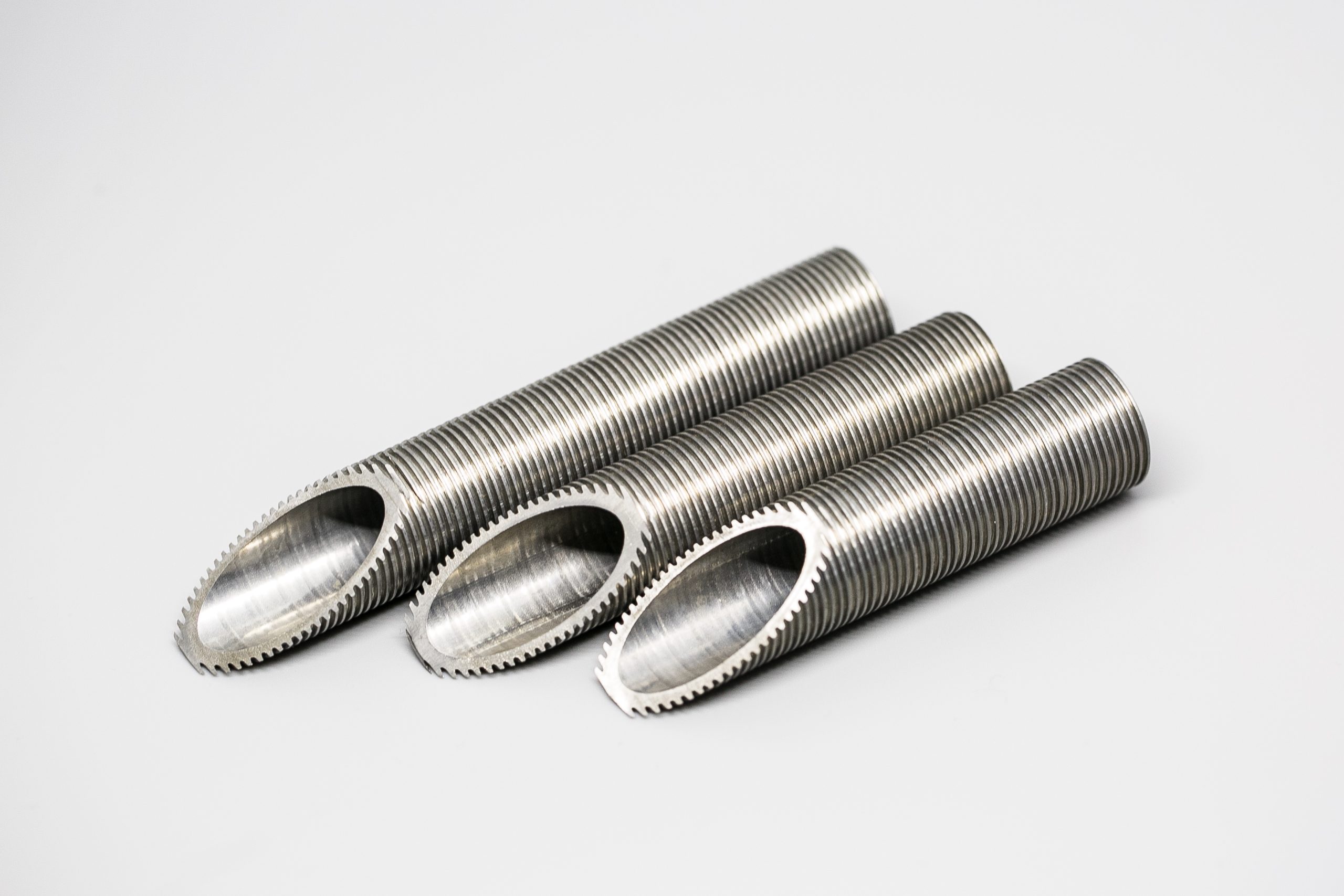
Low Fin Tubes
Can be reviewed where external surface area and heat transfer need to be considered.
Stainless steel, titanium or selected alloy low fin tubes may be reviewed depending on medium, fouling and equipment design.
View Low Fin Tube →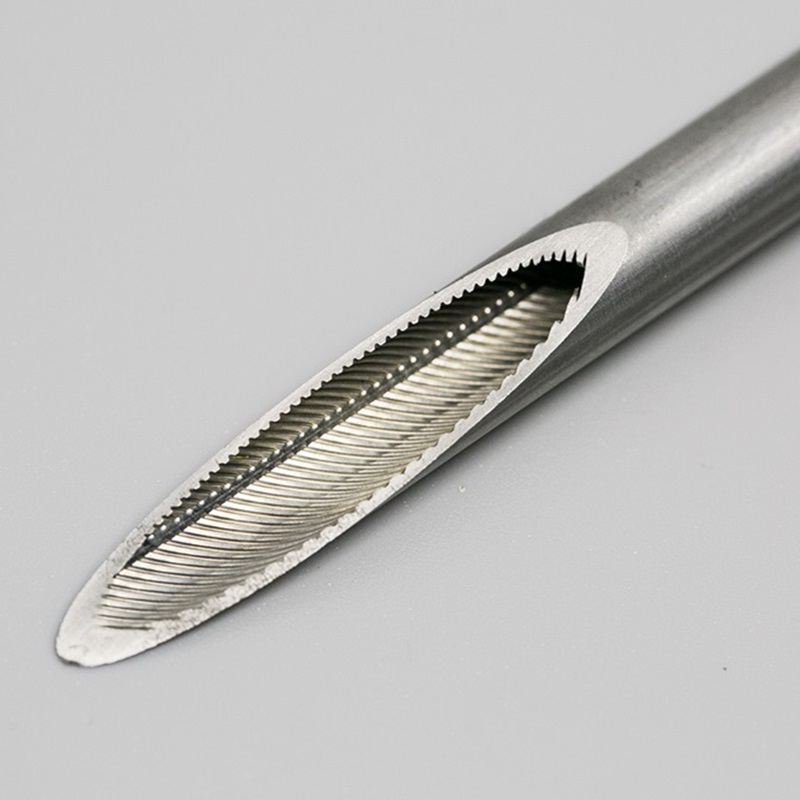
Inner Grooved Tubes
Selected internal enhancement direction where flow, pressure drop and heat transfer calculation allow.
Inner grooved tubes may be reviewed in selected heat transfer designs, but fouling and cleanability must be checked.
View Inner Grooved Tube →Copper Tube Replacement Checklist Before RFQ
A complete replacement inquiry should include both the current copper tube information and the reason for replacement. For industrial refrigeration, condenser, evaporator and heat exchanger projects, please include heat duty, refrigerant or secondary coolant, water chemistry and thermal design information when possible. If the replacement is caused by corrosion or failure, please provide failure photos, working medium and operating condition details.
Buyers can also use the Tube Inquiry Checklist before sending drawings or technical specifications.
Best RFQ practice: Do not only send the tube size and target material. Please include the current copper tube material, working medium, temperature, pressure, heat duty, failure mode and fabrication process so the replacement direction can be reviewed more realistically.
- Current copper tube material or copper alloy grade, if known
- Current tube size: OD, wall thickness, length and tube form
- Application: heating element, heat exchanger, condenser, evaporator, cooling coil or chemical equipment
- Working medium: water, air, oil, seawater, brine, glycol, ammonia, chemical liquid or gas
- Operating temperature, pressure, flow rate and heat duty
- Reason for replacement: copper price, corrosion, failure, supply chain, equipment upgrade or specification change
- Failure mode or photos if the current copper tube has failed
- Expected target material: 304, 316L, Titanium Gr2, nickel alloy or open for review
- Tube sheet material, expansion method, welding, brazing, bending or forming process
- Cleaning method, fouling, scaling and maintenance condition
- Quantity, annual demand, destination and required delivery schedule
- Inspection requirement, standard, packing requirement and customer approval process
Common Mistakes When Replacing Copper Tubes
Copper tube replacement can fail if the decision is made only by material price or grade name. These common mistakes should be avoided before placing a trial order or changing a production specification.
Only Comparing Material Price
Alternative tubes may change heat transfer area, processing cost, inspection cost and lifecycle cost.
Ignoring Thermal Conductivity
Stainless steel, titanium and nickel alloys do not transfer heat the same way as copper.
No Heat Transfer Recalculation
Tube wall thickness, surface area, flow velocity and pressure drop may need design review.
Ignoring Tube Sheet Design
Expansion, galvanic contact, crevice areas and sealing method can affect replacement success.
Selecting Only by Grade Name
304, 316L or Titanium Gr2 are common starting points, but service condition decides suitability.
Not Sharing Failure Information
If corrosion or cracking occurred, failure mode information is critical for material review.
Review Your Copper Tube Replacement Requirement
Send your current copper tube size, working medium, temperature, pressure, heat duty, failure mode, target material and quantity. GAOFA TECH will review stainless steel, titanium, nickel alloy or enhanced tube supply according to your application and specification.
Copper Tube Replacement Review FAQ
Can stainless steel tubes replace copper tubes?
Stainless steel tubes may be reviewed as alternatives to copper tubes mainly in selected refrigeration, condenser, evaporator and heat exchanger applications, but this is not a direct material substitution. Heat transfer, corrosion, pressure, working medium, wall thickness, fabrication process and customer specification should be reviewed. 304 and 316L are common starting points, but final grade selection depends on service condition.
For a focused engineering comparison, see Can Stainless Steel Tubes Replace Copper Tubes in Heat Exchangers?.
Can Titanium Gr2 replace copper or copper nickel tubes in seawater?
Titanium Gr2 may be reviewed where copper alloy or copper nickel tube corrosion is a concern, especially in seawater or chloride-rich cooling water applications. Flow velocity, fouling, cleaning method, tube sheet material, galvanic contact, crevice design and customer approval should still be reviewed.
Are 304, 316L and Titanium Gr2 the only copper tube replacement materials?
No. They are common starting points in many RFQs, but they are not the only choices. Depending on working medium, temperature, pressure and corrosion mode, other stainless steel grades, Titanium Gr1 / Gr7 / Gr12, Incoloy, Inconel, Hastelloy or enhanced tube designs may also be reviewed.
Why is copper tube replacement not a direct material substitution?
Copper, stainless steel, titanium and nickel alloys have different thermal conductivity, strength, corrosion behavior, thermal expansion, fabrication requirements and cost structure. Replacing copper tubes may require heat transfer recalculation, wall thickness review, pressure drop review, tube sheet design review and customer validation.
Do enhanced tubes help when replacing copper tubes?
Enhanced tubes such as low fin tubes or inner grooved tubes may help in selected designs when heat transfer area or compact equipment layout must be reviewed. However, enhanced tubes do not automatically solve every replacement case. Fouling, cleaning, pressure drop, thermal calculation and fabrication method must be checked.
Can nickel alloy tubes replace copper tubes for heating elements?
Nickel alloy tubes may be reviewed for high-temperature, corrosive or special heating element applications, but heating element tube selection is usually not a mainstream copper-to-stainless replacement trend. Incoloy, Inconel and Hastelloy tube selection depends strongly on working medium, sheath temperature, watt density, corrosion condition, fabrication process and customer specification.
Can stainless steel low fin tubes replace copper low fin tubes?
Stainless steel low fin tubes may be reviewed as an alternative to copper low fin tubes in selected applications, but heat transfer, fin geometry, pressure drop, fouling, cleaning, wall thickness, tube expansion and equipment design should be reviewed before replacement.
Is titanium always better than copper in corrosive water?
No material should be described as always better. Titanium may be reviewed for selected chloride-rich water, seawater and corrosive cooling applications, but suitability depends on complete water chemistry, temperature, flow velocity, fouling, crevice design, tube sheet material and customer specification.
Can copper tube replacement reduce cost?
Copper tube replacement may help reduce copper price exposure or improve lifecycle cost in selected applications, but it does not always reduce unit price. Material cost, processing cost, heat transfer area, tube quantity, inspection requirement, lifetime and maintenance cost should be reviewed together.
What information is needed before a copper tube replacement quotation?
Please provide current copper tube material, tube size, application, working medium, temperature, pressure, heat duty, flow rate, failure mode if any, target material, fabrication process, tube sheet material, quantity, standard, inspection requirement, packing requirement and destination. You can start from the Tube Inquiry Checklist.
Does GAOFA TECH decide the final replacement material?
GAOFA TECH can support tube material review and quotation based on the information provided by the buyer. Final material selection and equipment design approval should be made by the equipment designer, customer engineer or project owner according to the working condition and specification.
What if the equipment still needs copper connection ends after changing the main tube to stainless steel?
In selected HVAC, evaporator and refrigeration designs, a stainless steel main tube with joined copper end sections can be reviewed when copper-side connection sections still need to be retained. This is a project-specific tube configuration, not a universal drop-in replacement. The stainless grade, OD and wall, copper-end dimensions, joining design, refrigerant or working medium, pressure, temperature and finished-equipment validation should be reviewed. See Stainless Steel Tubes with Copper Ends.