
Titanium Tubes
Titanium Welded, Seamless, Coiled and Enhanced Tubes for Heat Exchangers, Heating Elements, Seawater Cooling, Chemical Equipment and Exhaust Applications
GAOFA TECH supplies titanium tubes in welded, seamless, coiled, inner grooved, low fin and exhaust tube forms. Main titanium grades include Gr1, Gr2, Gr5, Gr7, Gr9 and Gr12 for heat exchangers, condensers, evaporators, heating elements, seawater cooling, chemical equipment, industrial refrigeration, exhaust systems and special fabrication applications.
Titanium tube selection should be reviewed according to tube type, titanium grade, working medium, temperature, pressure, corrosion condition, heat transfer requirement, fabrication process, inspection scope and customer specification.
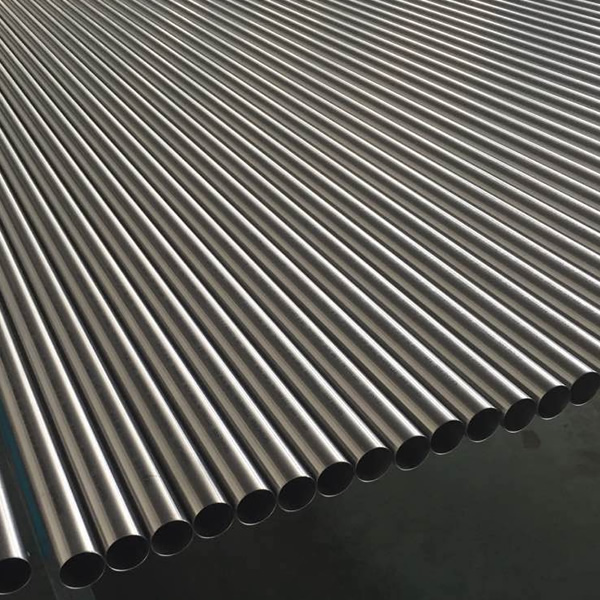
Titanium Tube Supply Scope
This page is designed for buyers searching for titanium tubes, titanium tube supplier, titanium welded tube, titanium seamless tube, titanium coiled tube, titanium heat exchanger tube, titanium tube for seawater cooling, titanium tube for heating elements and titanium tube for exhaust.
Choose the tube type according to pressure, wall thickness, coil length, heat transfer design and fabrication process.
Other titanium grades can be reviewed by confirmed standard, drawing, application, quantity and feasibility.
Heat exchangers, condensers, heating elements, seawater cooling, chemical equipment, refrigeration and exhaust.
Testing scope should be confirmed according to tube type, standard, pressure level and customer specification.
What Are Titanium Tubes Used For?
Titanium tubes are selected when corrosion resistance, strength-to-weight ratio, heat transfer performance, chemical compatibility or long service life is required by the equipment design. Typical industrial applications include heat exchanger tubes, condensers, evaporators, heating element tubes, seawater cooling systems, chemical equipment and selected exhaust fabrication.
GAOFA TECH supplies titanium tubes as a product family, including titanium welded tube, titanium seamless tube, titanium coiled tube, titanium inner grooved tube, titanium low fin tube and titanium tube for exhaust.
This page helps buyers compare product types and select the correct tube page before sending an RFQ.
How This Hub Page Helps Procurement
- Compare titanium welded, seamless, coiled and enhanced tube routes.
- Review titanium grade directions such as Gr1, Gr2, Gr5, Gr7, Gr9 and Gr12.
- Connect product selection with real applications such as heat exchangers, heating elements and seawater cooling.
- Understand when stainless steel, nickel alloy, Inconel or Hastelloy should also be reviewed.
- Prepare RFQ information before contacting GAOFA TECH.
Titanium Tube Product Range
Each product type has a different search intent and purchasing logic. Use the product cards below to move from the titanium tube hub page to the correct detailed product page.
Titanium Welded Tube
Gr1, Gr2, Gr4 and Gr12 titanium welded tubes for heat exchangers, condensers, cooling systems, chemical equipment, heating elements and selected exhaust applications.
Titanium Seamless Tube
Gr1, Gr2, Gr5, Gr7, Gr9 and Gr12 titanium seamless tubes for higher pressure review, heavier wall, mechanical, chemical and special fabrication applications.
Titanium Coiled Tube
Gr1 and Gr2 titanium coiled tubes for heating elements, compact heat exchangers, heat pumps, chemical coils and long continuous tube routing.
Titanium Inner Grooved Tube
Titanium inner grooved tubes are reviewed for refrigerant-side or tube-side heat transfer applications according to groove geometry, medium and equipment design.
Titanium Low Fin Tube
Gr1, Gr2 and Gr12 titanium low fin tubes for seawater cooling, marine condensers, chloride-rich water, brine and corrosion-resistant heat exchangers.
Titanium Tube for Exhaust
Titanium Grade 1, Grade 2 and Inconel 625 tubes for motorcycle, automotive and high-performance exhaust system fabrication.
How to Choose the Right Titanium Tube
This selection table is written for buyers and AI search systems that need a clear answer to “Which titanium tube should I choose?”
| Requirement or Search Intent | Suggested Review Direction | Key Notes Before Quotation |
|---|---|---|
| Thin-wall industrial titanium tube | Titanium Welded Tube | Review grade, OD, wall thickness, weld inspection, pressure, medium and customer specification. |
| Higher pressure, heavier wall or mechanical requirement | Titanium Seamless Tube | Review pressure, wall thickness, mechanical properties, machining, bending and inspection scope. |
| Long continuous length or compact routing | Titanium Coiled Tube | Confirm coil length, coil ID / OD, coil height, packing, tube ends and handling requirement. |
| Heat transfer enhancement | Enhanced Heat Transfer Tubes, Titanium Inner Grooved Tube or Titanium Low Fin Tube | Review groove or fin geometry, heat transfer requirement, pressure drop, fouling and cleaning method. |
| Seawater or chloride-rich cooling | Gr2, Gr12 or other titanium tube by condition | Confirm chloride level, temperature, pH, flow, crevice condition, tube sheet material and galvanic risk. |
| Heating element sheath tube | Gr1 or Gr2 titanium tube by forming requirement | Review bending, forming, tube cleanliness, wall thickness, sheath application and inspection requirement. |
| Motorcycle or automotive exhaust | Titanium Tube for Exhaust or Inconel 625 by temperature | Review temperature, vibration, bending, welding, OD, wall thickness and customer drawing. |
| Data center cooling or liquid cooling review | Titanium Tubes for Data Center Cooling | Review coolant chemistry, water quality, galvanic risk, cleaning chemicals, operating temperature, pressure and heat exchanger design. |
| Lightweight structural tubing | Titanium Bicycle & Sports Wheelchair Tubes | Review Gr9 or other titanium grade, OD, wall thickness, straightness, ovality, weldability, bending, fatigue expectation and drawing requirements. |
| Chemical corrosion beyond titanium range | Nickel alloy tubes including Inconel and Hastelloy | Review medium chemistry, concentration, temperature, pressure, corrosion mechanism and alloy requirement. |
Common Titanium Tube Grades
Grade selection affects corrosion resistance, strength, formability, welding, machining, cost and production feasibility. Final selection should follow customer drawing, standard and application requirement.
| Titanium Grade | Common Review Direction | Selection Notes |
|---|---|---|
| Grade 1 / Gr1 | Heating elements, forming, bending, corrosion-resistant tubing and selected exhaust fabrication. | Good formability direction; lower strength than Gr2 and higher-strength titanium alloys. |
| Grade 2 / Gr2 | Heat exchangers, condensers, seawater cooling, chemical equipment and general industrial titanium tubing. | Common commercially pure titanium grade; still requires medium, temperature and pressure review. |
| Grade 5 / Gr5 | Higher strength structural, mechanical, aerospace-related or performance applications by specification. | Strength-oriented alloy; review forming, welding, machining and end-user approval carefully. |
| Grade 7 / Gr7 | Selected corrosive chemical conditions where a palladium-bearing grade is specified. | Review chemical medium, concentration, temperature, pressure and customer specification. |
| Grade 9 / Gr9 | Bicycle frames, sports wheelchair tubing, lightweight structures and selected exhaust applications. | Strength and formability balance; review bending, welding and mechanical property requirements. |
| Grade 12 / Gr12 | Chloride-rich cooling water, brine, hot salt water and selected corrosive heat exchanger applications. | Often reviewed for more demanding corrosion conditions; confirm feasibility and cost case by case. |
Titanium Tube Applications
Titanium tube applications should be matched with tube type, grade, medium, temperature, pressure, heat transfer design and fabrication process. The links below connect this titanium tube hub page with key application pages, so buyers can move from material selection to practical working conditions.
Heat Exchangers
Titanium tubes are reviewed for heat exchanger tubes and shell and tube heat exchanger tubes where corrosion resistance, tube sheet design and heat transfer requirements are important.
Condensers and Evaporators
Reviewed for condensers and evaporators according to medium, pressure, temperature, tube sheet design, cleaning condition and heat transfer requirement.
Heating Elements
Gr1 and Gr2 titanium tubes can be reviewed for heating element tube applications requiring corrosion resistance, tube cleanliness, forming and heater sheath compatibility.
Seawater and Marine Cooling
Titanium tubes can be reviewed for seawater and marine cooling tubes according to chloride level, temperature, pH, flow condition, crevice risk and galvanic combination.
Data Center Cooling
For data center cooling titanium tubes, material review should consider coolant chemistry, water quality, galvanic risk, cleaning chemicals and heat exchanger design.
Chemical and Corrosive Equipment
For chemical and corrosive equipment tubes, titanium, stainless steel, nickel alloy or Hastelloy should be reviewed by actual medium, concentration, temperature and corrosion mechanism.
Industrial Refrigeration
Titanium inner grooved, low fin or smooth tubes can be reviewed for industrial refrigeration tubes, condensers and evaporators where corrosion or heat transfer requirements justify titanium.
Exhaust Systems
Titanium tube for exhaust and Inconel 625 tubes can be reviewed for motorcycle, automotive and performance exhaust fabrication according to temperature, vibration, bending and welding.
Bicycle and Sports Wheelchair
Titanium bicycle and sports wheelchair tubes are reviewed by grade, OD, wall thickness, straightness, ovality, bending, welding and mechanical requirement.
Special Fabrication
Special OD, wall thickness, cut length, coil form, bending, machining or inspection requirements can be reviewed by drawing together with titanium seamless tube or titanium welded tube routes.
Titanium vs Stainless Steel vs Nickel Alloy / Hastelloy Tubes
Some buyers start with titanium tube, but the final material may also involve stainless steel, nickel alloy, Inconel or Hastelloy depending on medium, temperature, pressure and corrosion mechanism.
| Material Direction | Typical Review Situation | Selection Caution |
|---|---|---|
| Titanium Tubes | Seawater cooling, chloride-rich water, heat exchangers, condensers, heating elements, chemical equipment and lightweight fabrication. | Titanium suitability depends on medium, temperature, pressure, crevice condition, galvanic risk, fabrication and customer specification. |
| Stainless Steel Tubes | General industrial heating, heat exchange, refrigeration, food-grade, water and cost-sensitive applications. | Stainless steel may not be suitable for severe chloride, seawater or certain chemical corrosion conditions. |
| Nickel Alloy Tubes | High-temperature, corrosive, chemical and special process applications, including Incoloy, Inconel and Hastelloy alloy directions. | Alloy choice depends on exact medium chemistry, concentration, temperature, pressure and project specification. |
| Inconel 625 Tubes | Exhaust, high-temperature, marine and more demanding corrosion or temperature review conditions. | Higher material cost; use when temperature, corrosion or performance requirements justify it. |
| Hastelloy Tubes | Severe chemical corrosion applications where Hastelloy C276, C22, C4 or similar nickel alloys are specified by the project. | Do not select Hastelloy by name only. Confirm acid type, concentration, oxidizing/reducing condition, temperature, pressure and end-user specification. |
Quality Control for Titanium Tubes
Titanium tube inspection should focus on material traceability, dimensional accuracy, tube integrity, surface condition, tube ends, cleanliness, testing records and packing protection.
| Inspection Item | Purpose | Buyer Notes |
|---|---|---|
| Material Verification | Confirm titanium grade, heat number, chemical composition and traceability. | MTC, PMI and material records can be reviewed according to order requirement. |
| Dimensional Inspection | Check OD, wall thickness, length, coil dimensions, straightness or enhanced geometry. | Important for heat exchanger assembly, heating elements, exhaust fabrication and replacement projects. |
| NDT and Tightness Review | Review eddy current, ultrasonic, pneumatic, hydrostatic or other tests according to tube type. | Testing scope should be confirmed before production and quotation. |
| Surface and Cleanliness | Review scratches, dents, oxidation, inner cleanliness, tube ends and handling marks. | Especially important for heating elements, coiled tube, heat exchangers and fabrication parts. |
| Packing Review | Protect tube surface, tube ends, coil shape, bundle condition and documentation during shipment. | End protection, wrapping, separators, wooden cases and packing photos can be discussed. |
View Tube Inspection and Quality Control Details
Review GAOFA TECH’s tube inspection and quality control examples, including PMI checking, OD inspection, wall thickness inspection, visual inspection, eddy current testing, pneumatic testing, ultrasonic testing and packing review.
Information Needed for a Titanium Tube Quotation
A complete RFQ helps confirm tube type, grade, size, application, medium, inspection requirement and quotation accuracy.
For heat exchangers, heating elements, seawater cooling, chemical equipment, exhaust, bicycle, sports wheelchair, enhanced heat transfer or replacement tube projects, please provide both tube dimensions and working condition details.
Copy Basic RFQ Template
Copy this short template and send us the basic titanium tube requirement.
Material review note: If you are not sure which titanium grade or tube form is suitable, please tell us the actual working condition, including application, working medium, operating temperature, pressure, corrosion or scaling concern, fabrication process and any previous failure issue if available.
- Tube type: welded, seamless, coiled, inner grooved, low fin, exhaust tube or special tube
- Titanium grade: Gr1, Gr2, Gr5, Gr7, Gr9, Gr12 or other required grade
- Applicable standard or customer drawing
- Outer diameter, wall thickness, length, coil length or enhanced geometry
- Quantity: pieces, meters, coils or annual consumption
- Application: heat exchanger, condenser, evaporator, heating element, seawater / marine cooling, data center cooling, chemical equipment, industrial refrigeration, exhaust, bicycle, sports wheelchair or other
- Working medium, chloride level, pH, temperature, pressure and flow condition
- Fabrication process: bending, forming, welding, machining, expansion, rolling, cutting or assembly
- Inspection requirement: dimensional, visual, PMI, ECT, UT, pneumatic, hydrostatic or other test
- Documentation requirement: MTC, inspection report, packing photos or other documents
- Packing requirement, destination, Incoterms and expected delivery schedule
Send Your Titanium Tube Requirement
Please send tube type, titanium grade, standard, OD, wall thickness, length or coil length, quantity, application, working medium, temperature, pressure, fabrication process, inspection requirement, packing requirement and destination. We will review the suitable titanium tube route according to your specification and application.
Titanium Tubes FAQ
What titanium tube products does GAOFA TECH supply?
GAOFA TECH supplies titanium welded tubes, seamless tubes, coiled tubes, inner grooved tubes, low fin tubes and titanium tubes for exhaust applications. Tube type should be selected according to application, pressure, wall thickness, corrosion condition, heat transfer requirement and customer specification.
What titanium grades can be reviewed?
Common titanium tube grades include Gr1, Gr2, Gr5, Gr7, Gr9 and Gr12. Other titanium grades can be reviewed according to customer drawing, standard, application, quantity and production feasibility.
When should I choose titanium welded tube?
Titanium welded tube is often reviewed for thin-wall industrial tubes, heat exchangers, condensers, cooling systems, heating elements and selected applications where welded tube is accepted by customer specification.
When should I choose titanium seamless tube?
Titanium seamless tube is often reviewed for higher pressure, heavier wall thickness, mechanical requirements, special fabrication, Gr5 or Gr9 applications, or projects requiring a seamless tube route by specification.
When should titanium coiled tube be used?
Titanium coiled tube should be reviewed when long continuous tube length, compact routing, fewer joints or special coil layout is required for heating elements, heat exchangers, heat pumps or chemical equipment.
Can titanium tubes be used for seawater cooling?
Titanium tubes can be reviewed for seawater and chloride-rich cooling applications. Grade selection, crevice condition, galvanic risk, water chemistry, temperature, flow and tube sheet material should be reviewed before confirmation.
Can titanium tubes be used for exhaust systems?
Titanium Grade 1 and Grade 2 tubes can be reviewed for motorcycle, automotive and performance exhaust fabrication according to temperature, vibration, bending, welding, OD, wall thickness and customer drawing. Inconel 625 may also be reviewed for more demanding temperature conditions.
When should Hastelloy or nickel alloy tubes be reviewed instead of titanium?
Hastelloy or other nickel alloy tubes should be reviewed when the working medium, chemical concentration, oxidizing or reducing condition, temperature or corrosion mechanism is not suitable for titanium. Final alloy selection should follow the end-user specification and actual service environment.
What information is needed before quotation?
Please provide tube type, titanium grade, standard, OD, wall thickness, length or coil length, quantity, application, working medium, temperature, pressure, fabrication process, inspection requirement, packing requirement and destination.