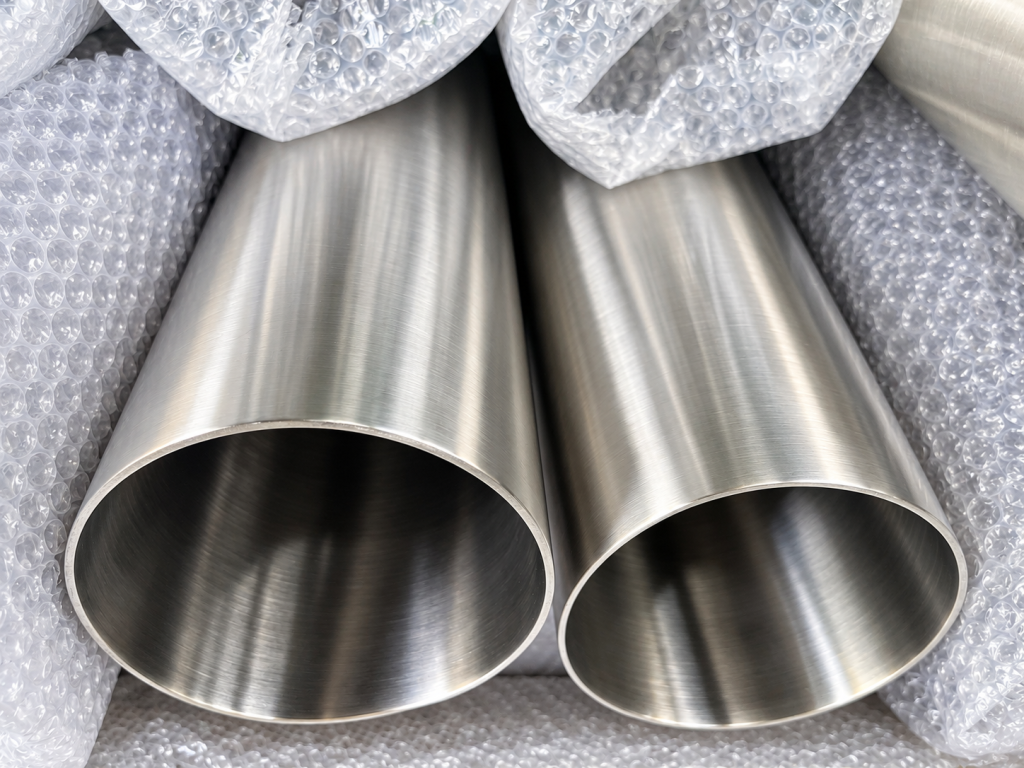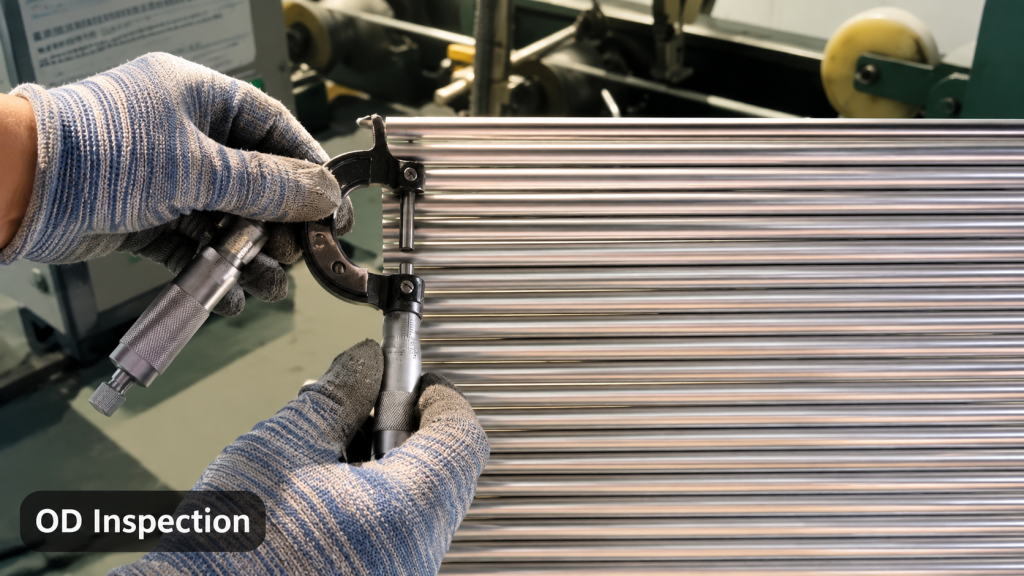
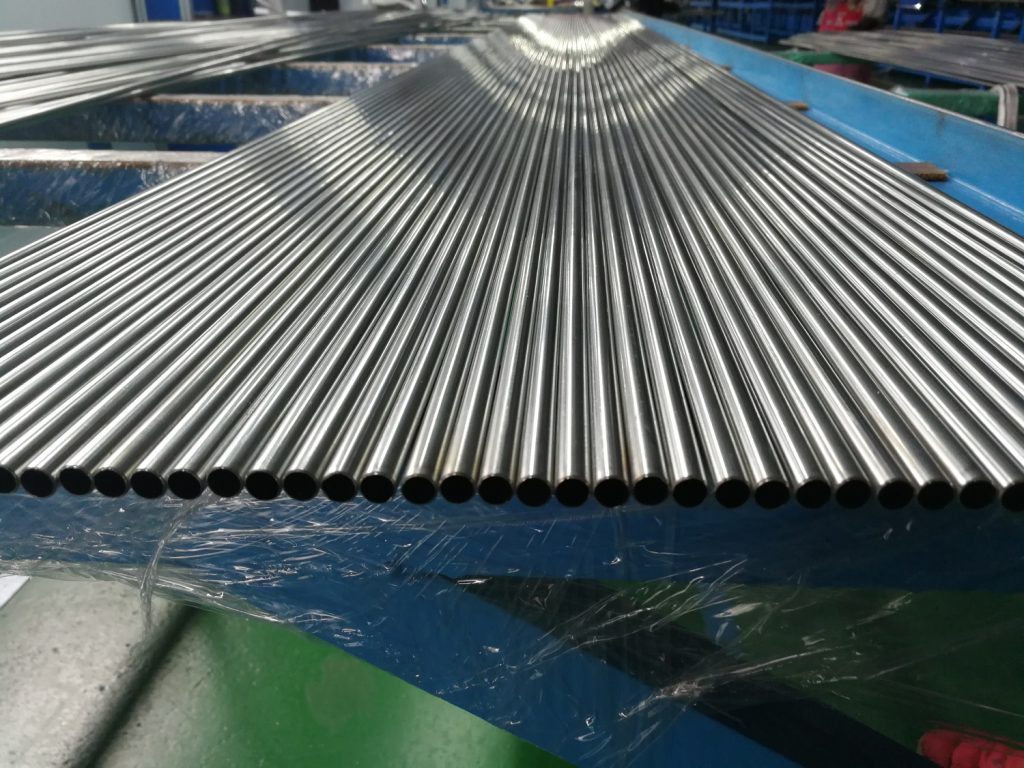
Heating Element Sheath Materials: 304, 321, 310S & Incoloy
Compare 304, 321, 310S, Incoloy 800, 840 and 825 heating element sheath materials by working medium, actual sheath temperature, watt density, corrosion, forming and customer specification.
Technical articles about stainless steel tubes, titanium tubes, nickel alloy tubes, enhanced heat transfer tubes and material selection for heating elements, heat exchangers and cooling applications.
Compare 304, 321, 310S, Incoloy 800, 840 and 825 heating element sheath materials by working medium, actual sheath temperature, watt density, corrosion, forming and customer specification.
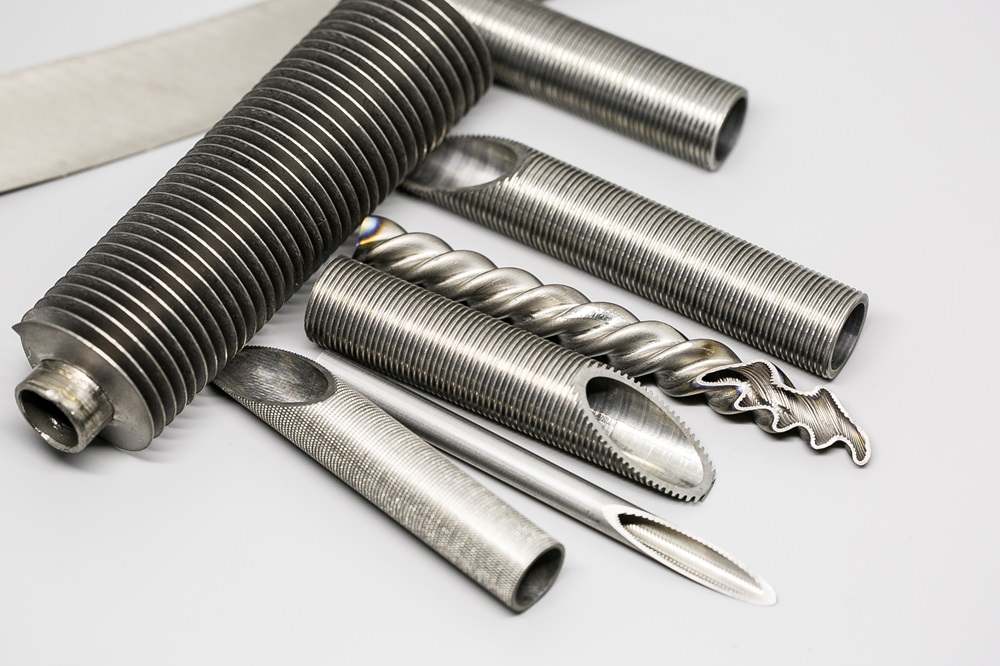
Low fin tubes enhance the external surface, while inner grooved tubes enhance the internal surface. Compare their mechanisms, applications, pressure-drop considerations and RFQ parameters before selecting an enhanced heat transfer tube.
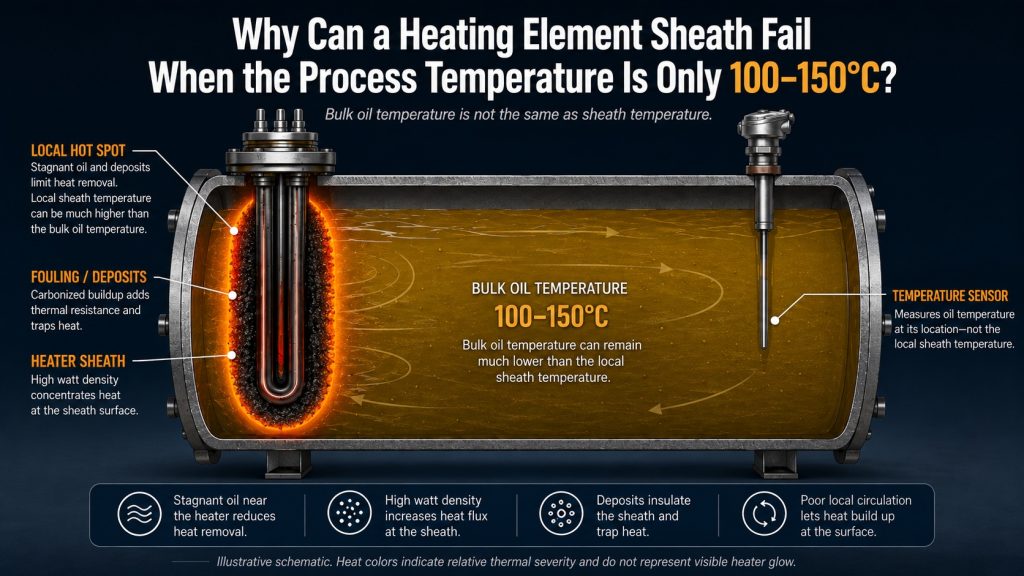
A low process temperature does not always mean a low heater sheath temperature. This article explains how watt density, circulation, oil deposits, sensor location and sheath material influence tubular heater failure.
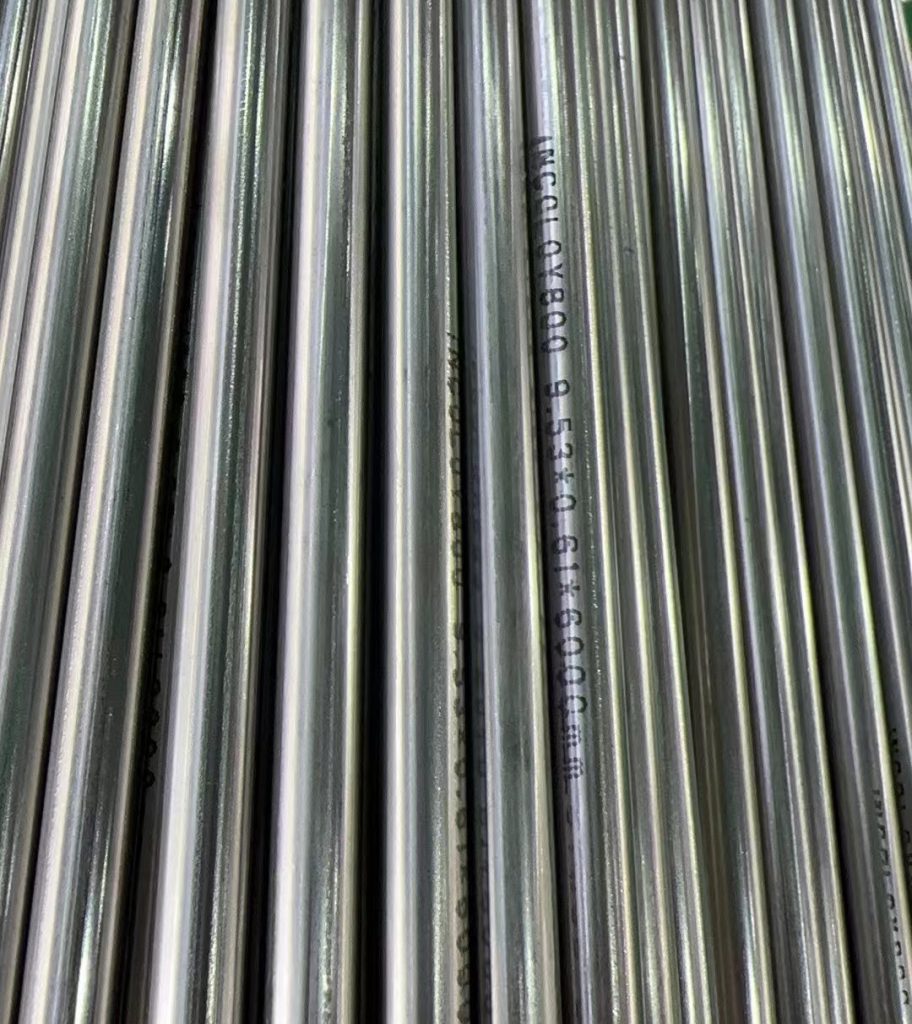
Compare Incoloy 800, 840 and 825 tubes from a heating element manufacturer’s perspective, including sheath temperature, corrosion, welded tube use, forming conditions and RFQ requirements.
Can stainless steel tubes replace copper tubes in heat exchangers? This guide reviews heat transfer, corrosion, wall thickness, tube sheet design, fabrication and when stainless steel may be considered.
310S-Mo Stainless Steel Tube for Water Heating Elements Selecting the right tube material is one of the key decisions in heating element production. In water-heating applications, manufacturers…
When designing automotive and motorcycle exhaust systems, the choice of material is critical for achieving optimal performance, durability, and efficiency. Among the various materials available, Titanium Gr1,…
While titanium has a lower thermal conductivity compared to copper or stainless steel, it offers several advantages that make it a valuable material for heat exchangers, particularly…
Introduction to Titanium High Efficiency Tube In the realm of refrigeration and heat exchange technology, Titanium High Efficiency Tubes (THETs) have emerged as a transformative force, setting…
Flexible titanium conduits are highly durable and corrosion-resistant tubes designed for various industrial applications requiring flexibility and strength. Made from high-quality titanium, these conduits offer excellent performance in harsh environments, including extreme temperatures, chemicals, and pressure. Their lightweight structure combined with superior mechanical properties makes them ideal for aerospace, automotive, and marine industries, as well as for use in complex piping systems. Flexible titanium conduits provide enhanced flexibility while maintaining the strength and durability expected from titanium products, ensuring long-lasting reliability.
A New Type of Finned Tube: Titanium-Copper and Titanium-Aluminum Composite Finned TubesIn the world of heat exchangers, the quest for efficiency is never-ending. Traditional finned tubes have…
Titanium Sheet for Making Plate Heat Exchangers (PHE) Material: Titanium Grade 1 Thickness: 0.5mm, 0.6mm, 0.7mm, 0.8mm, 1.0mm Specification: Customed size available. Free samples for testing LOW…