
Incoloy 825 Tube
Incoloy 825 Welded and Seamless Tubes for Heating Elements, Heat Exchangers and Corrosion-Resistant Process Equipment
GAOFA TECH supplies Incoloy 825 welded and seamless tubes for heating element sheath tubes, heat exchangers, acid-resistant equipment and corrosive process applications. Alloy 825 / UNS N08825 tubes can be reviewed according to ASTM B704, ASTM B423, ASTM B751, tube size, working medium, temperature, pressure and customer specification.
Incoloy 825 is not selected only by grade name. The correct tube choice depends on acid type, concentration, temperature, pressure, impurities, chloride level, fabrication process, inspection requirement and customer approval.
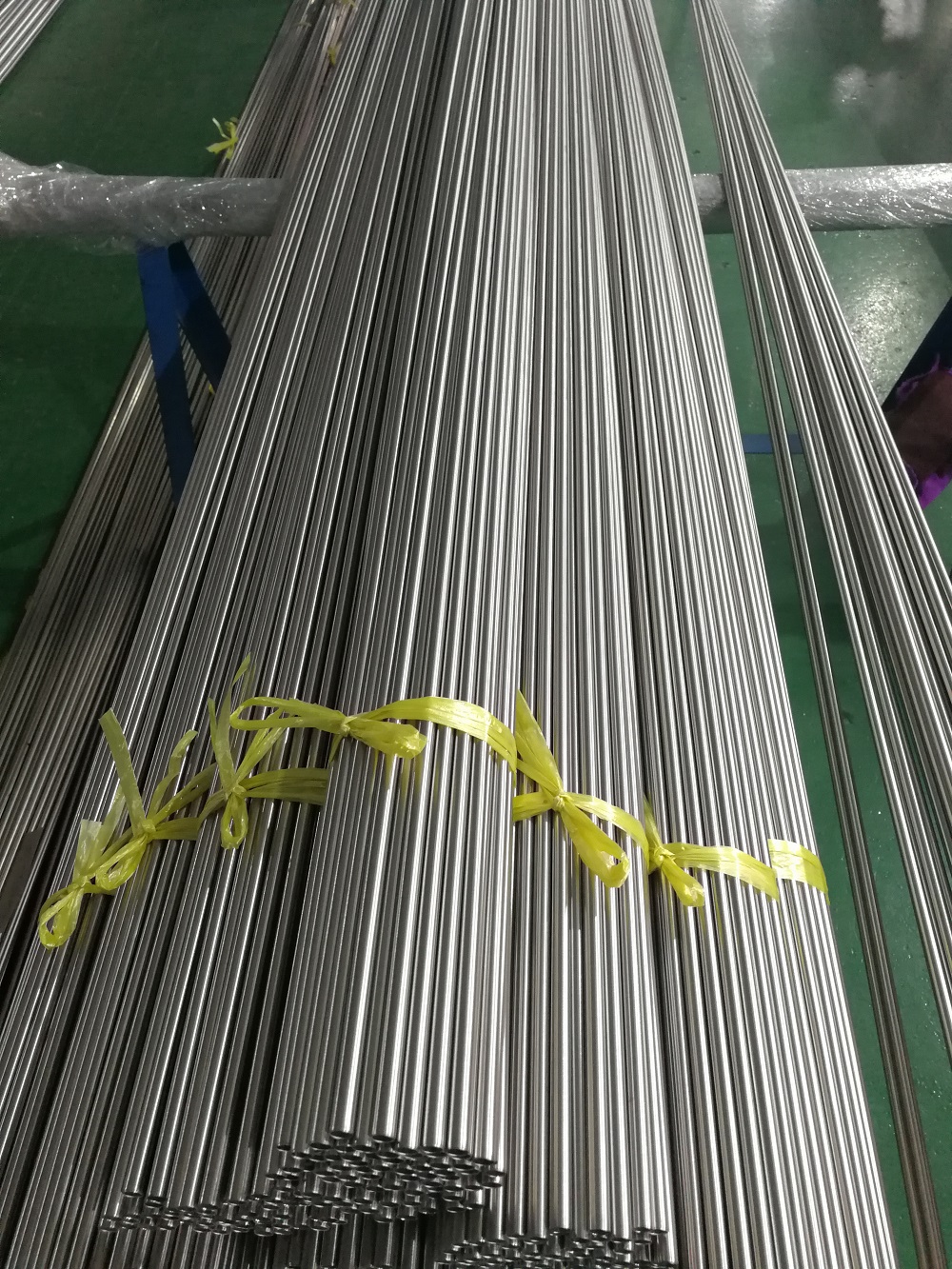
Incoloy 825 Tube Supply Scope
This page is for buyers searching for Incoloy 825 tube, Alloy 825 tube, UNS N08825 tube, Incoloy 825 welded tube, Incoloy 825 seamless tube, Incoloy 825 tube for heating elements, Incoloy 825 heat exchanger tube and acid-resistant nickel alloy tubing.
Also specified as UNS N08825 / 2.4858 in many industrial and chemical process tube projects.
Tube route should be confirmed according to pressure, wall thickness, specification and customer approval.
Reviewed for corrosive heater sheath tubes, acid-resistant heat exchangers and chemical process tubing.
Acid type, concentration, impurities, chloride level and fabrication process should be provided before quotation.
What Is Incoloy 825 Tube?
Incoloy 825 tube is a nickel-iron-chromium alloy tube with molybdenum and copper additions, commonly reviewed where corrosion resistance is required in acid-containing or corrosive process environments.
GAOFA TECH supplies Incoloy 825 welded and seamless tubes for heating element tubes, heat exchanger tubes, acid-resistant equipment, chemical process tubes, evaporators and corrosion-resistant process applications.
Incoloy 825 should be reviewed when common stainless steel, standard heating element alloys or lower-alloy materials may not provide enough corrosion resistance. However, it is not a universal solution for all acid or chloride environments.
Do Not Select Incoloy 825 by Grade Name Alone
- For heating elements, review medium, sheath temperature, watt density, bending and sealing requirements.
- For heat exchangers, review tube-side and shell-side media, pressure, temperature, fouling and cleaning.
- For acid service, review acid type, concentration, oxidizing or reducing condition, impurities and chloride level.
- For replacement projects, provide existing material, failure mode and expected service life.
- For tube form selection, confirm welded or seamless tube requirement before quotation.
Incoloy 825 Welded and Seamless Tube Specifications
Please provide exact tube form, size, standard, tolerance, quantity, application and inspection requirement before quotation. Final feasibility depends on grade, tube route, wall thickness, quantity and customer specification.
| Specification Item | GAOFA TECH Review Direction | Buyer Notes |
|---|---|---|
| Material | Incoloy 825 / Alloy 825 / UNS N08825 / 2.4858 | Confirm exact material wording required on quotation, contract, MTC and import documents. |
| Standards | ASTM B704, ASTM B423, ASTM B751 or customer specification by project review | Please confirm whether the order is for welded tube, seamless tube, heat exchanger tube, pipe or heater sheath tube. |
| Welded Tube Range | OD 6.0–88.9 mm; WT 0.3–2.0 mm by project review | Welded tube may be reviewed for suitable thin-wall heater sheath, heat exchanger and process tube applications. |
| Seamless Tube Range | OD 2.0–114 mm; WT 0.3–8.0 mm by project review | Seamless tube may be required by pressure, wall thickness, standard or customer specification. |
| Length | Standard 6000 mm; fixed length or cut length can be reviewed | Confirm length tolerance, end condition and packing requirement before quotation. |
| Heat Treatment | Inline bright annealing or heat treatment route according to tube form and specification | Delivery condition should match forming, bending, welding, assembly and customer standard. |
| Inspection | Hydrostatic, pneumatic, eddy current, ultrasonic, dimensional and visual inspection by requirement | Inspection scope affects production route, lead time, documentation and quotation. |
| Documents | MTC, inspection report, packing photos and other documents by order requirement | Confirm documentation requirements before production, especially for end-user or project orders. |
When Should Incoloy 825 Tube Be Reviewed?
This guide answers the main material selection questions buyers ask before choosing Incoloy 825 for heating elements, heat exchangers and chemical process equipment.
| Application / Condition | Should Incoloy 825 Be Reviewed? | Notes for Buyers |
|---|---|---|
| General electric heating element | Maybe. Incoloy 800 / 840 may be enough in many standard heating applications. | Review operating temperature, medium, corrosion risk and cost target before choosing Incoloy 825. |
| Heating element exposed to corrosive liquid | Yes, Incoloy 825 may be reviewed. | Provide liquid chemistry, temperature, watt density, immersion condition, bending requirement and heater construction. |
| Acid tank heater or pickling equipment | Yes, especially selected sulfuric or phosphoric acid conditions. | Confirm acid type, concentration, temperature, impurities, chloride level and existing failure history. |
| Ordinary clean water heating | Not always necessary. | Incoloy 840, Incoloy 800, conventional stainless steel or ESHR-03 for selected water-contact heater projects may be reviewed against the actual chemistry, service conditions and purchasing specification. |
| Chemical heat exchanger or evaporator | Yes, if corrosion risk exceeds stainless steel limits. | Compare with 904L, 2205, 2507, titanium, Inconel 625 or Hastelloy by actual service condition. |
| Severe mixed acid or strong chloride environment | Maybe not enough; Hastelloy C276 or C22 may need review. | Material selection depends on full chemistry, temperature, chloride contamination, oxidizing / reducing condition and corrosion target. |
| Seawater or high chloride cooling | Incoloy 825 can be considered, but Inconel 625, titanium or Hastelloy may also be reviewed. | Review chloride level, crevice risk, temperature, flow velocity, fouling and tube-side / shell-side media. |
Why Incoloy 825 Is Reviewed for Heating Element Tubes
Incoloy 825 tube can be reviewed as a heating element sheath tube when the heater is exposed to corrosive liquids, acidic solutions or process media where common stainless steel or standard heating element alloys may not be suitable.
For standard water heating or common industrial heating, Incoloy 800 Tube, Incoloy 840 Tube, stainless steel or ESHR-03 may be evaluated for selected water-contact heater projects depending on their specifications. ESHR-03 (formerly described as 310S-Mo) is not a general substitute for 825 in acidic or aggressive chemical media; compare corrosion data for the actual fluid.
If the heater sheath material is not yet fixed, compare Alloy 825 with 304, 321, 310S, Incoloy 800 and Incoloy 840 in our Heating Element Sheath Material Selection Guide.
For Heater Projects, Please Provide
- Heating medium: water, oil, chemical solution, acid, alkali or process liquid
- Operating temperature, maximum temperature and watt density
- Tube OD, wall thickness, sheath length and bending radius
- Heater construction, sealing method and terminal design if available
- Existing sheath material and failure mode if this is a replacement
- Inspection requirement such as ET, pneumatic test, hydrostatic test or cleanliness control
Why Incoloy 825 Is Reviewed for Heat Exchangers and Chemical Equipment
Incoloy 825 tubes are reviewed for heat exchangers, evaporators, acid service equipment and chemical process tubes when the working medium contains sulfuric acid, phosphoric acid, acidic condensate or other corrosive process media.
Final suitability depends on acid type, concentration, temperature, pressure, impurities, chloride level, flow condition, fouling, welding, cleaning method and customer specification.
For Heat Exchanger Projects, Please Provide
- Tube-side and shell-side media
- Temperature, pressure, flow rate and heat transfer requirement
- Acid concentration, chloride level, pH, impurities and corrosion history
- Tube OD, wall thickness, length, tube sheet connection and tolerance
- Welded or seamless tube requirement
- Cleaning method, fouling condition and inspection requirement
Incoloy 825 vs Incoloy 800 / 840, Inconel 625 and Hastelloy C276 / C22
Buyers often compare Incoloy 825 with other nickel alloy and stainless / titanium directions. This comparison helps clarify when 825 is useful and when another alloy may need review.
| Material | Typical Review Direction | When It May Be Enough or Not Enough |
|---|---|---|
| Incoloy 800 Tube | Heating elements, high-temperature equipment and oxidation service review. | May be enough for many heating element applications where acid corrosion is not the main concern. |
| Incoloy 840 Tube | Heating element sheath tubes, water heating, appliance heating and tubular heater applications. | May be enough for many water heating applications. If acidic or corrosive liquid exposure is important, Incoloy 825 may be reviewed. |
| ESHR-03 Tube | Project-specific Mo-modified stainless steel direction for water-contact heater sheaths. | Review actual chloride and detergent chemistry, weld condition and complete-heater qualification. It is not a general replacement for Alloy 825 in acid service. |
| Incoloy 825 Tube | Acid-resistant heating elements, chemical heat exchangers and corrosive process tubes. | Useful when corrosion resistance is a key requirement, but not always sufficient for severe mixed acid or aggressive chloride conditions. |
| Inconel 625 Tube | Chloride service, seawater, high-temperature corrosive service and demanding heat exchanger review. | Consider when chloride, seawater, higher temperature or strength requirements exceed the intended 825 review range. |
| Hastelloy C276 Tube / Hastelloy C22 Tube | Severe mixed acid, oxidizing chloride media, aggressive chemical corrosion and localized corrosion review. | Consider when Incoloy 825 or Inconel 625 may not match the corrosion condition, especially in mixed acid or severe chloride-bearing media. |
| 904L / 2205 / 2507 / Titanium | Alternative stainless, duplex, super duplex or titanium material directions for selected heat exchanger services. | Compare by chloride level, temperature, acid chemistry, welding, cost, pressure and end-user material specification. |
Welded vs Seamless Incoloy 825 Tube
Welded and seamless Alloy 825 tubes are not automatically interchangeable. The correct tube form depends on pressure, wall thickness, specification, corrosion condition, fabrication and customer approval.
| Selection Factor | Incoloy 825 Welded Tube | Incoloy 825 Seamless Tube |
|---|---|---|
| Typical Review Direction | Thin-wall heater sheath tubes, heat exchanger tubes and process tubing where welded tube is accepted. | Applications requiring seamless tube by specification, pressure, wall thickness or customer approval. |
| Size Review | OD 6.0–88.9 mm; WT 0.3–2.0 mm by project review. | OD 2.0–114 mm; WT 0.3–8.0 mm by project review. |
| Inspection Focus | Weld seam condition, dimensional inspection, ET, pneumatic or hydrostatic test by requirement. | Dimensional inspection, UT, ET, hydrostatic or other inspection according to standard. |
| Buyer Decision | Confirm whether welded Alloy 825 tube is accepted by the end user. | Confirm why seamless tube is required and provide full standard and inspection scope. |
Applications of Incoloy 825 Tubes
Incoloy 825 tubes are reviewed where corrosion resistance, acid service or process media compatibility is required together with heating, heat transfer or equipment fabrication needs.
Heating Element Sheath Tubes
Reviewed for corrosive liquid heaters, acid tank heaters and process heating equipment where common sheath materials may fail.
Heat Exchangers
Reviewed for acid-resistant heat exchanger tubes, evaporators and process coolers according to medium and temperature.
Acid Service Equipment
Reviewed for selected sulfuric acid, phosphoric acid, acid condensate and corrosive process media conditions.
Pickling Equipment
Reviewed for pickling lines, acid tanks and related heating or process tube applications according to chemistry.
Evaporators
Reviewed for phosphoric acid evaporators and corrosive evaporator equipment by project condition.
Pollution-Control Equipment
Reviewed for corrosive gas condensate, scrubber and process equipment where Alloy 825 is specified or considered.
Oil and Gas Process Tubing
Can be reviewed for selected process tube applications according to standard, corrosion condition and end-user requirement.
Replacement Tube Projects
Replacement projects should provide existing tube material, failure mode, medium, pressure, temperature and expected service life.
Chemical Process Tubes
Reviewed for corrosive process equipment according to medium, concentration, impurities, pressure and fabrication requirement.
Quality Control for Incoloy 825 Tubes
Incoloy 825 tube inspection should focus on material traceability, OD and wall thickness, tube form, weld condition when applicable, surface condition, tube integrity, cleanliness and packing protection.
| Inspection Item | Purpose | Buyer Notes |
|---|---|---|
| Material Verification | Confirm Alloy 825 / UNS N08825, heat number, chemical composition and traceability. | MTC, PMI and material documents can be reviewed according to order requirement. |
| Dimensional Inspection | Check OD, wall thickness, length, straightness and tolerance. | Important for heater sheath, heat exchanger tube assembly, replacement and pressure review. |
| Weld / Seam Review | Review weld condition for welded Alloy 825 tube. | Welded tube acceptance should be confirmed by standard and customer specification. |
| NDT Review | Review eddy current, ultrasonic, pneumatic, hydrostatic or other inspection requirement. | Testing method should be confirmed before quotation and production. |
| Surface and Cleanliness | Review surface condition, tube ends, internal cleanliness and dryness when required. | Important for heater sheath tubes, chemical process tubes and heat exchanger assembly. |
| Packing Review | Protect tube surface, tube ends and shipment condition. | Wrapping, wooden cases, end protection and packing photos can be discussed before shipment. |
View Tube Inspection and Quality Control Details
Review GAOFA TECH’s tube inspection and quality control examples, including PMI, dimensional inspection, eddy current testing, pneumatic testing, ultrasonic testing and packing review.
Information Needed for an Incoloy 825 Tube Quotation
A complete RFQ helps confirm whether Incoloy 825 is suitable and whether welded or seamless tube should be quoted.
For heating element or heat exchanger projects, the most important data is not only OD and wall thickness. Medium chemistry, temperature, pressure and fabrication method should also be provided.
Best RFQ practice: If you are considering Incoloy 825 because of corrosion, acid service, stainless steel failure, heater sheath failure or heat exchanger replacement, please provide the existing material, failure mode and target improvement.
- Material: Incoloy 825 / Alloy 825 / UNS N08825 / 2.4858
- Tube form: welded tube or seamless tube
- Standard: ASTM B704, ASTM B423, ASTM B751 or customer specification
- OD, wall thickness, length, tolerance and quantity
- Application: heating element, acid tank heater, heat exchanger, evaporator, pickling equipment or chemical process tube
- Working medium: acid type, concentration, pH, chloride level, impurities and oxidizing / reducing condition
- Operating temperature, maximum temperature, pressure and flow condition
- For heating elements: watt density, sheath temperature, bending radius, sealing and heater design
- For heat exchangers: tube-side / shell-side media, tube sheet connection, fouling and cleaning method
- Existing material, failure mode and expected service life if this is a replacement project
- Inspection requirement: dimensional, visual, PMI, ET, UT, pneumatic, hydrostatic or other tests
- Packing requirement, destination, Incoterms and expected delivery schedule
Send Your Incoloy 825 Tube Requirement
Please send tube form, standard, OD, wall thickness, length, quantity, application, working medium, temperature, pressure, corrosion condition, heating element or heat exchanger design details, inspection requirement and packing information. GAOFA TECH will review the Alloy 825 tube quotation according to your specification.
Incoloy 825 Tube FAQ
What is Incoloy 825 tube used for?
Incoloy 825 tube is reviewed for heating element sheath tubes, acid tank heaters, heat exchangers, evaporators, pickling equipment, chemical process tubing, pollution-control equipment and acid-resistant process equipment.
When do I need Incoloy 825 instead of Incoloy 800 or 840?
Incoloy 800 or 840 may be enough for many standard heating element or water heating applications. Incoloy 825 should be reviewed when corrosive liquids, acidic solutions, sulfuric acid, phosphoric acid, acid condensate or chemical process media make corrosion resistance more important.
When should Incoloy 800 or 840 be enough?
Incoloy 800 or 840 may be enough when the application is mainly heating element sheath service, water heating, appliance heating or high-temperature heating where severe acid corrosion is not the main concern. Water chemistry, temperature and heater design should still be reviewed.
When should Inconel 625 be considered instead of Incoloy 825?
Inconel 625 should be considered when chloride service, seawater, higher temperature corrosive service or higher strength requirements become more important. The choice depends on chloride level, temperature, pressure, crevice risk, corrosion mechanism and equipment design.
When should Hastelloy C276 or C22 be considered?
Hastelloy C276 or C22 should be considered when mixed acid, oxidizing chloride media, severe chemical corrosion, pitting, crevice corrosion or stress corrosion cracking risk may exceed the intended Incoloy 825 review range.
Can Incoloy 825 tube be used for heating elements?
Yes. Incoloy 825 tube can be reviewed as a heating element sheath tube when the heater is exposed to corrosive liquids or acidic process media. Please provide medium, temperature, watt density, tube size, heater construction and inspection requirements.
Can Incoloy 825 tube be used for heat exchangers?
Yes. Incoloy 825 tubes can be reviewed for heat exchangers, evaporators and chemical process equipment where acid resistance or corrosion resistance is required. Final selection depends on tube-side and shell-side media, temperature, pressure, fouling and cleaning conditions.
Does GAOFA TECH supply welded and seamless Incoloy 825 tubes?
GAOFA TECH can review both welded and seamless Incoloy 825 tube directions according to ASTM B704, ASTM B423, ASTM B751 or customer specification. Tube route should be confirmed according to pressure, wall thickness, standard and customer approval.
What information is needed for a heating element project?
Please provide medium, temperature, watt density, sheath temperature, OD, wall thickness, length, bending radius, heater construction, sealing method, quantity and inspection requirements.
What information is needed for a heat exchanger project?
Please provide tube-side and shell-side media, acid type, concentration, pH, chloride level, temperature, pressure, flow condition, tube OD, wall thickness, length, tube sheet connection, cleaning method and inspection requirements.