
Coolant Chemistry
Clarify coolant type, inhibitor package, chloride level, pH and any cleaning chemistry that may affect material selection.
304 / 304L / 316L Stainless Tube, Pipe, Headers & Manifold Supply by Specification
GAOFA TECH supplies stainless steel tube and pipe for CDU internal piping, supply / return headers, manifolds and fabricated liquid-cooling assemblies. Welded, seamless and larger-diameter pipe routes are reviewed according to size, pressure, fabrication and project specification.
Reference application range: OD 12–630 mm, WT 1–10 mm. This is a project reference range rather than a universal range for every manufacturing route.
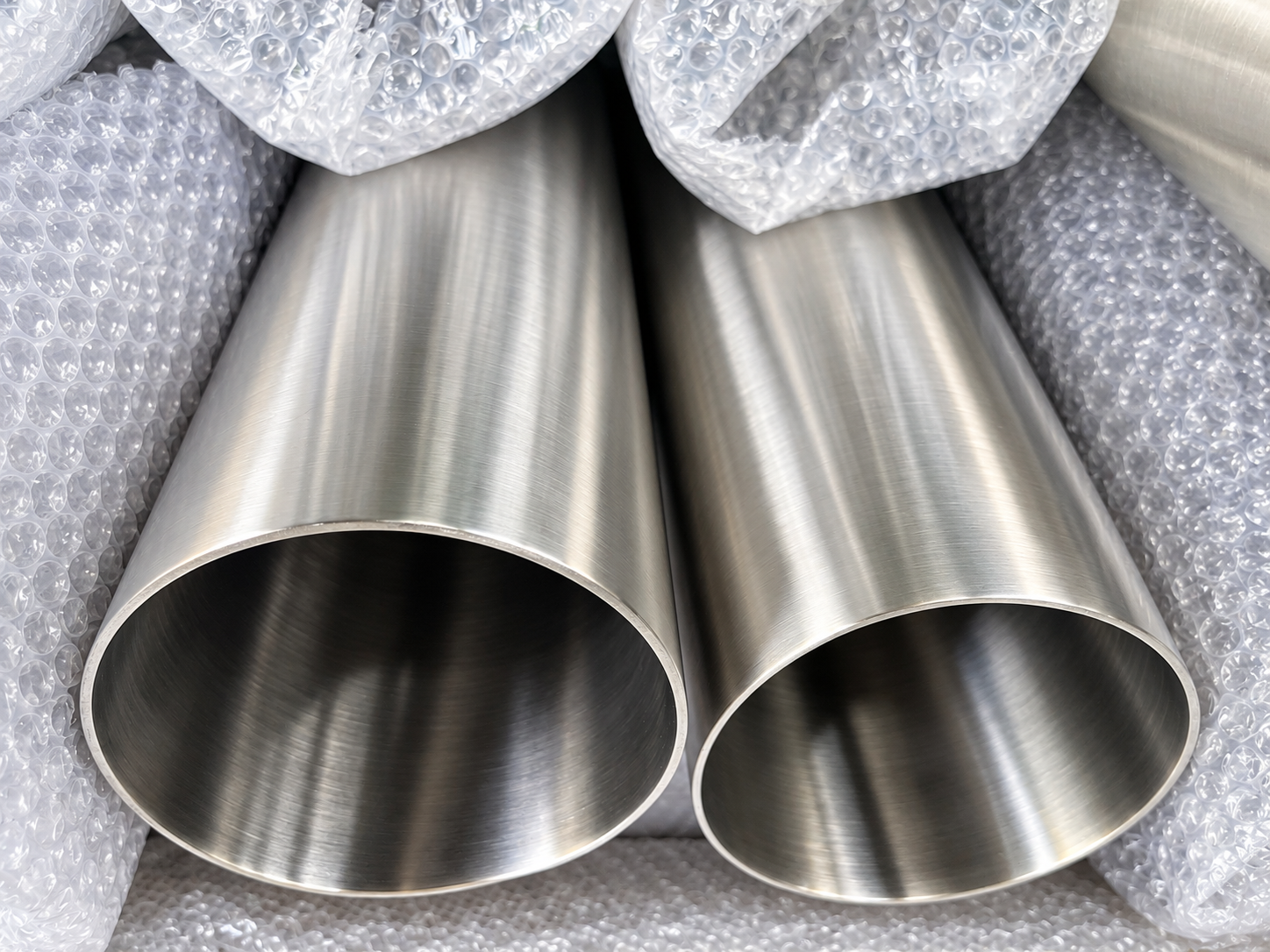
304, 304L and 316L are common review directions, but final material and route depend on the actual coolant circuit and project specification.
For CDU internal piping, headers and manifolds, stainless steel tube or pipe may be selected according to coolant chemistry, inhibitor package, chloride level, temperature, pressure, connection design, cleanliness requirements and downstream fabrication. Welded, seamless or larger-diameter pipe routes can all be appropriate when the applicable design and project requirements permit them.
For the broader stainless material family, see Stainless Steel Tubes. If the grade is still under review, compare 304L vs 316L Stainless Steel for CDU & AI Liquid Cooling Piping. Where more aggressive water chemistry or corrosion conditions require another material direction, see Titanium Tubes for Data Center Cooling.
The purchasing scope can range from straight tube for bending and branch welding to larger pipe sections used in headers or manifolds. Final availability depends on grade, dimensions, route, standard and drawing.
Many CDU architectures separate facility-side heat rejection from a controlled technology cooling loop. Tube requirements can therefore differ according to which circuit the piping serves.
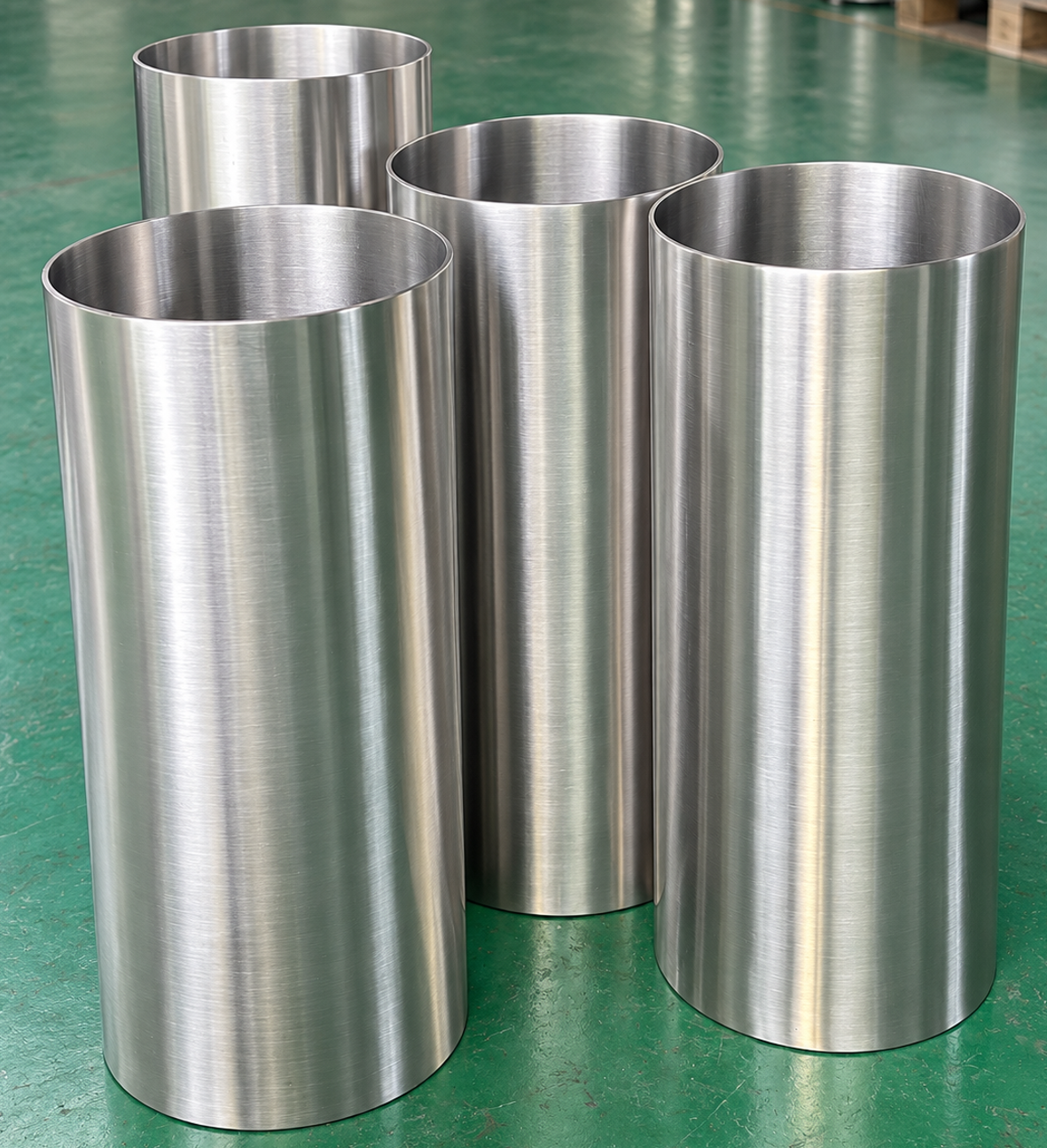
CDU manufacturers may buy straight material that will later be cut, bent, welded into branches, joined to flanges or assembled into repeated header geometry. Quotation review therefore needs more than nominal OD and wall thickness.
Manufacturing-route details are available on Stainless Steel Welded Tube and Stainless Steel Seamless Tube.
These points help align the incoming tube with the final liquid-cooling assembly instead of treating the order as a generic stainless pipe purchase.
Clarify coolant type, inhibitor package, chloride level, pH and any cleaning chemistry that may affect material selection.
Provide design / operating pressure and temperature rather than relying on a generic tube pressure assumption.
State whether the material will be cut, bent, branch-welded, flanged, machined or assembled into repeated headers.
Define incoming ID cleanliness, drying and end protection where fine passages, filters or quick-connect circuits are sensitive to debris.
Clarify whether pickling, passivation or another surface-control step applies to incoming material or to the completed welded assembly.
Material certification, heat-number traceability, dimensional inspection and test scope should follow the applicable route, standard, size and project requirement.
The correct answer is not “316L for every CDU.” Many projects already have an approved BOM or drawing. Where material is still open, selection should be tied to coolant chemistry, corrosion conditions, fabrication and specification.
May be reviewed in controlled cooling environments where the project chemistry and corrosion requirements are suitable.
Often reviewed where welding and the approved equipment specification call for a low-carbon 18-8 stainless grade.
May be specified where the project requires 316L or where additional corrosion margin is needed under the defined chemistry.
Other stainless grades can be reviewed when the drawing, corrosion condition or customer-approved material list requires them.
For liquid-cooling systems with filters, valves, quick connects and fine cold-plate passages, contamination control becomes a practical manufacturing issue. Incoming tube condition is only one part of the final system cleanliness process.
The incoming tube can be specified for internal cleanliness, dryness and end protection where required. After cutting, bending and welding, the equipment manufacturer still controls fabrication debris, weld heat tint, final cleaning, flushing, drying and finished-system leak / pressure checks.
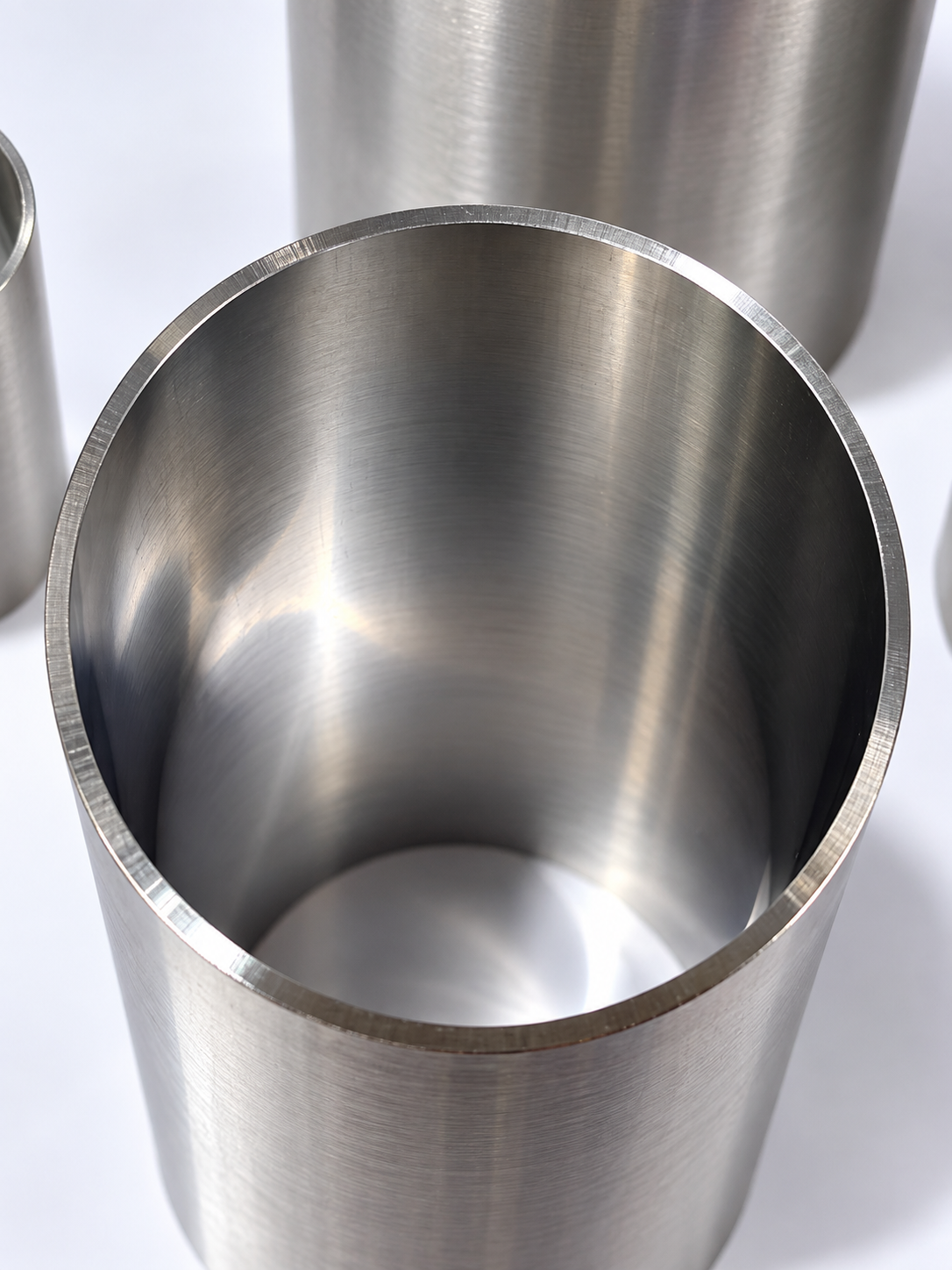
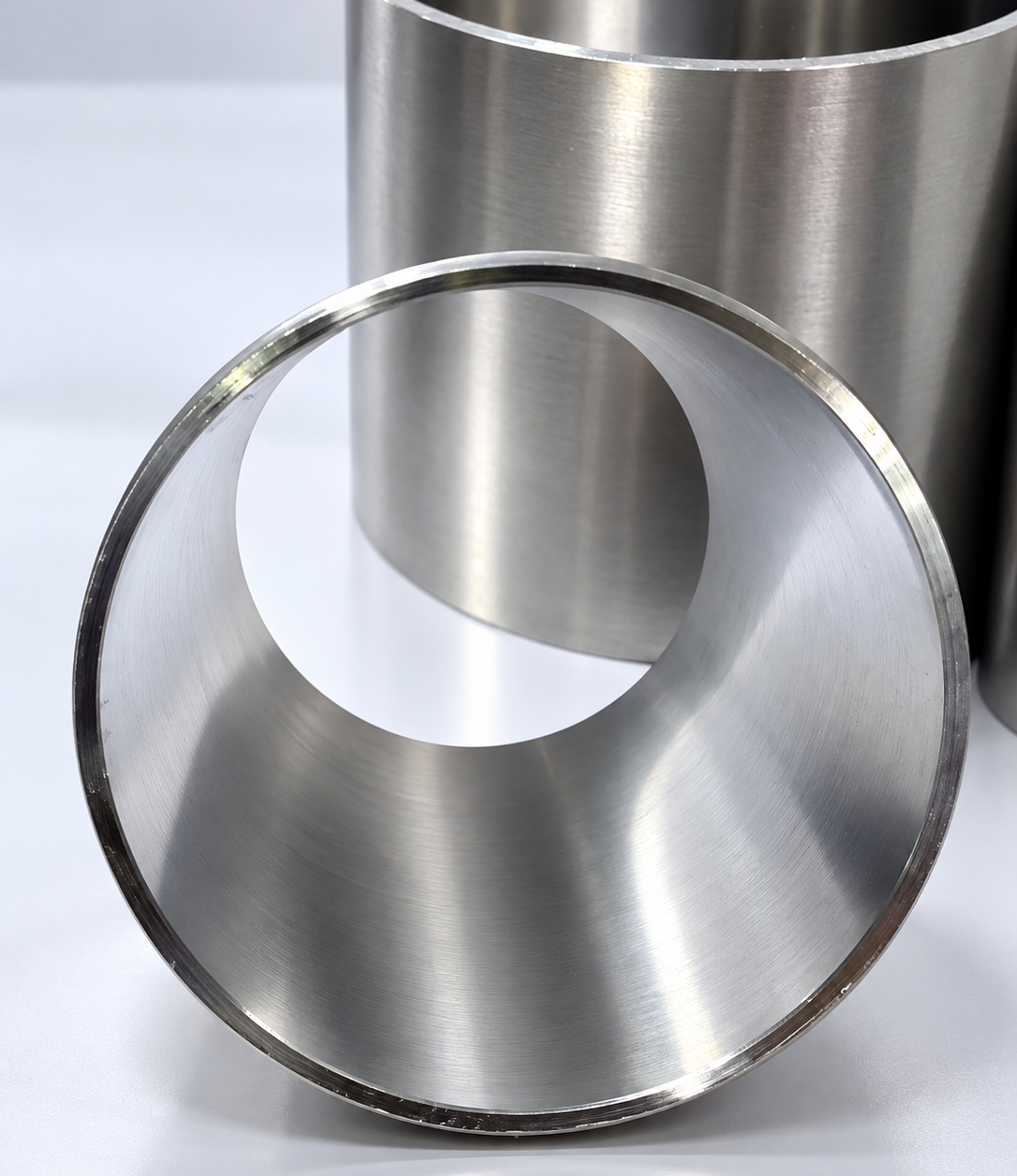
These downstream application photographs illustrate the type of geometry that incoming tube or pipe may need to support. They should not be read as a claim that GAOFA TECH manufactures the complete CDU assembly.
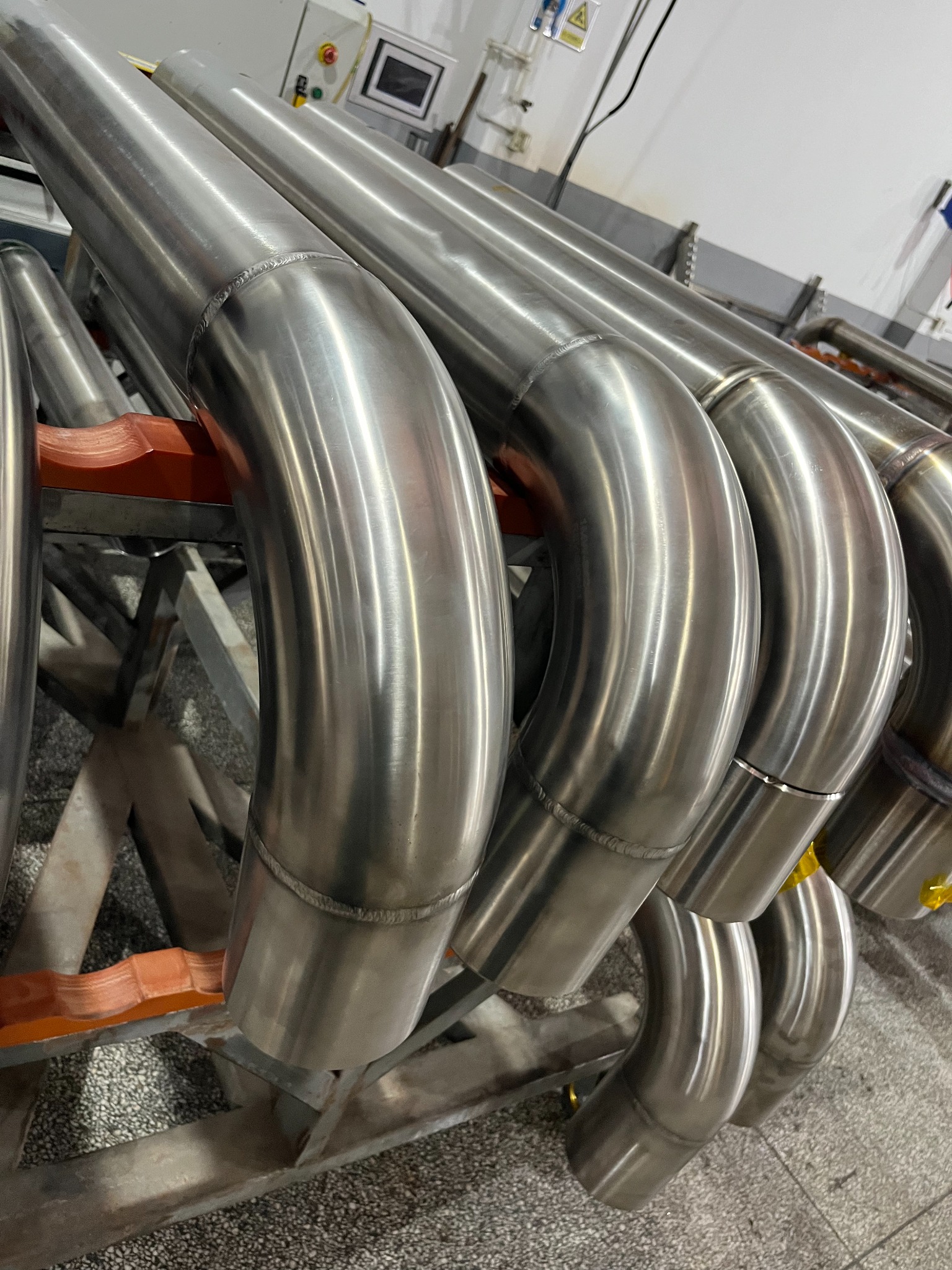
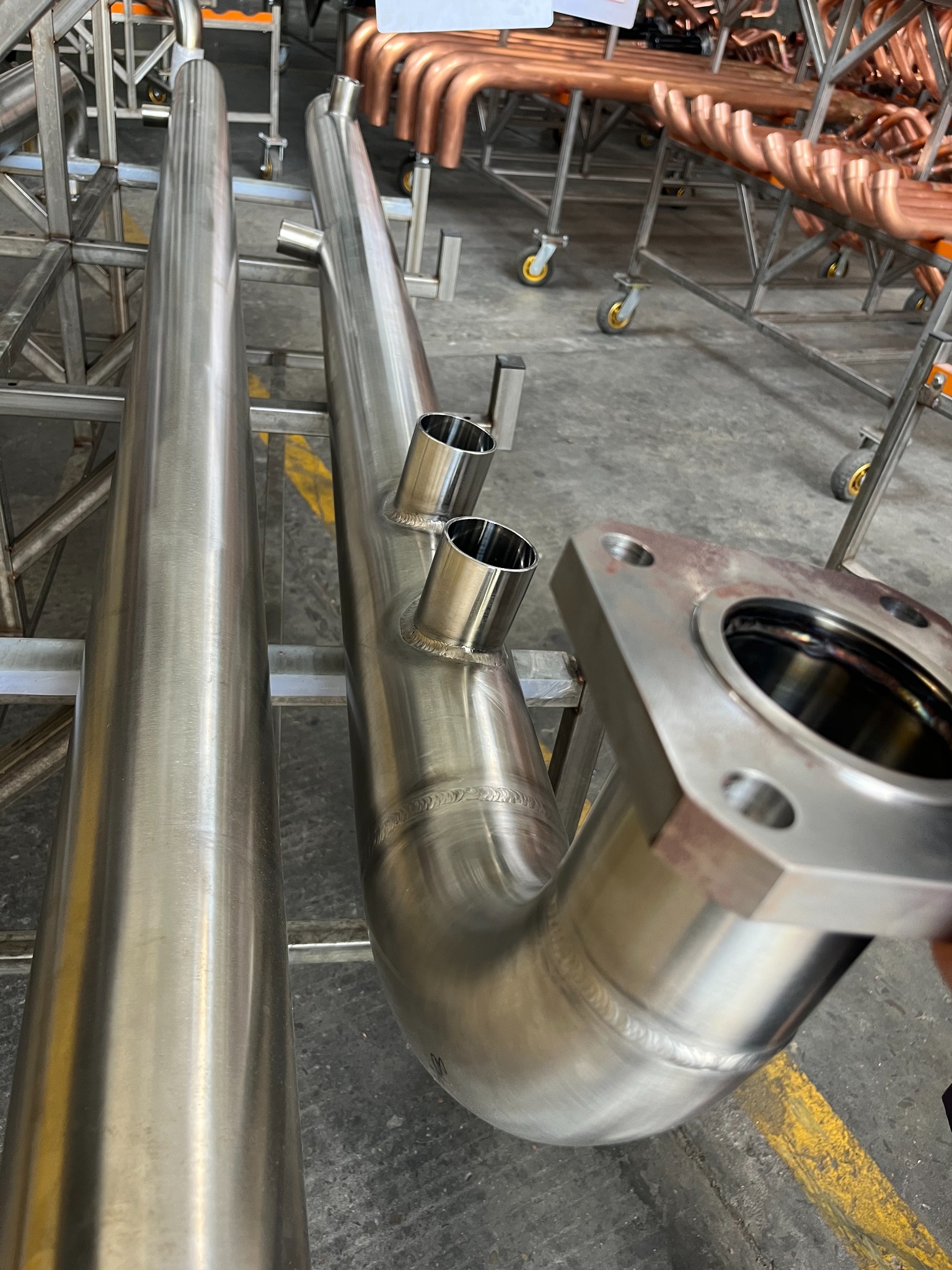
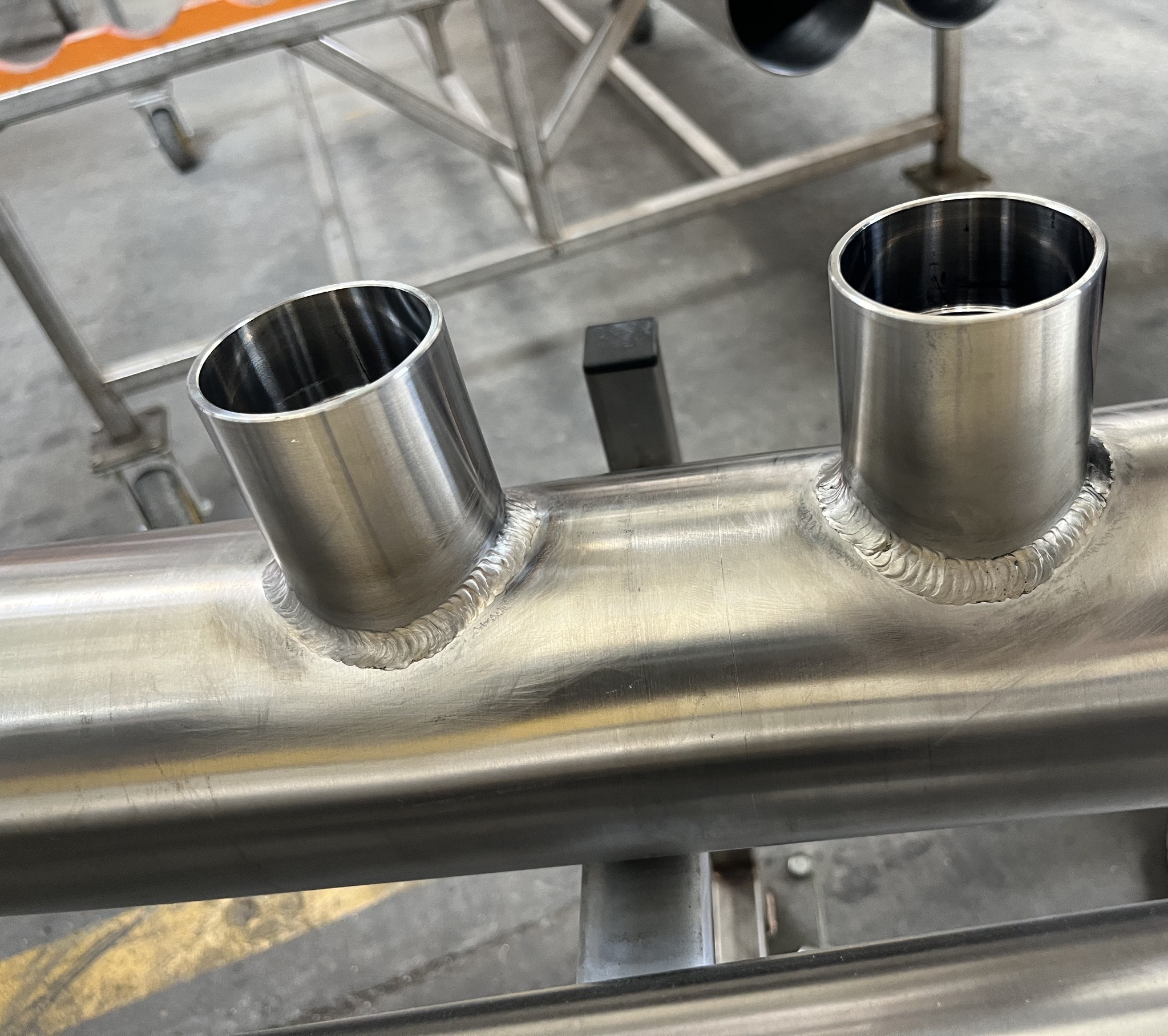
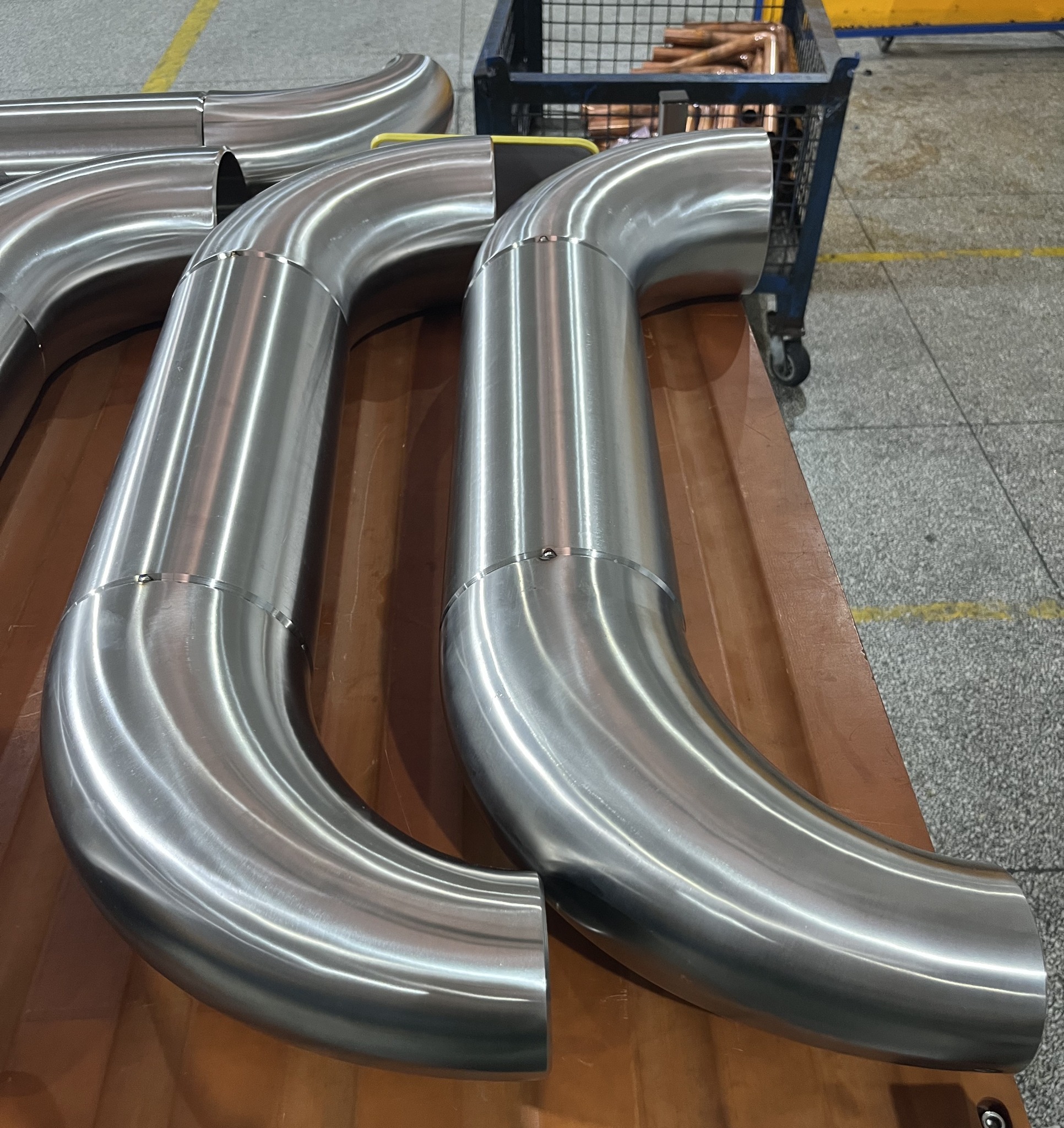
A complete drawing is useful for fabricated geometry, but it is not required to start a straight tube / pipe quotation. Size, material, quantity and application are enough for the first review.
Material Grade:
Tube / Pipe Route:
OD × Wall:
Length:
Quantity:
Application: CDU / Header / Manifold / Other
Coolant / Working Medium:
Operating Temperature:
Design Pressure:
Standard / Drawing:
Surface / Cleanliness Requirement:
End Protection:
Inspection / Documentation:
Destination:
Commercial Terms:
These pages support material selection, manufacturing-route review and alternative material decisions around CDU and data-center cooling systems.
Concise answers to the questions engineers and purchasing teams commonly ask when evaluating stainless steel piping for CDU and data-center liquid cooling.
304, 304L and 316L are common review directions, but the final grade should follow coolant chemistry, corrosion conditions, fabrication, pressure, other wetted materials and the approved project specification. Other stainless grades can also be reviewed where required.
No. 316L is not universally required. 304 or 304L may be acceptable in selected controlled loops, while 316L may be specified where the project requires that grade or where the defined chemistry calls for additional corrosion margin.
Yes, where the applicable design standard, pressure requirement, size, weld quality, inspection scope and customer specification permit welded construction. Seamless tube can also be supplied where specified.
Smaller straight sections may be purchased as tube for cutting, bending and branch welding. Larger diameters may be better treated as pipe or fabricated piping. Headers and manifolds describe the distribution function and may combine multiple tube / pipe sizes and branch geometries.
Cleanliness can be important because filters, valves, quick connects and fine cold-plate passages may be sensitive to debris. Incoming tube cleanliness, dryness and end protection can be specified, while the equipment manufacturer remains responsible for contamination introduced during cutting, bending, welding, final cleaning, flushing and assembly.
Provide material grade, OD × wall, length, quantity, tube / pipe route if specified, application, coolant, design pressure / temperature, standard or drawing, cleanliness requirements and required inspection or documentation.
Send the material, OD × wall, length, quantity and application to start the review. If the project includes custom branches, headers or repeated piping geometry, add the drawing when available.