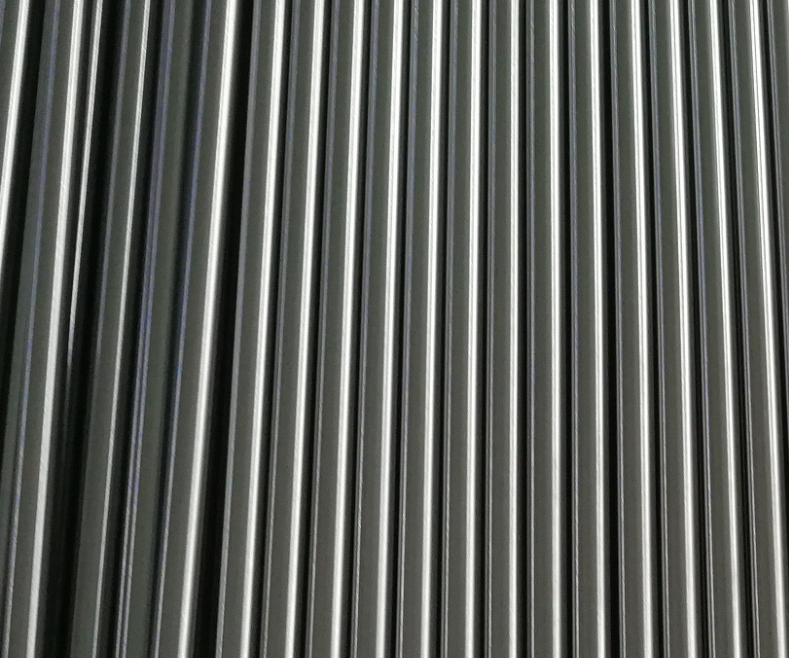
The practical difference is the side of the tube being enhanced. A low fin tube adds integral fins to the outside surface. An inner grooved tube changes the inside surface. Selection should therefore begin with the location of the controlling heat-transfer resistance-not with a general request for the tube that looks more “high performance.”
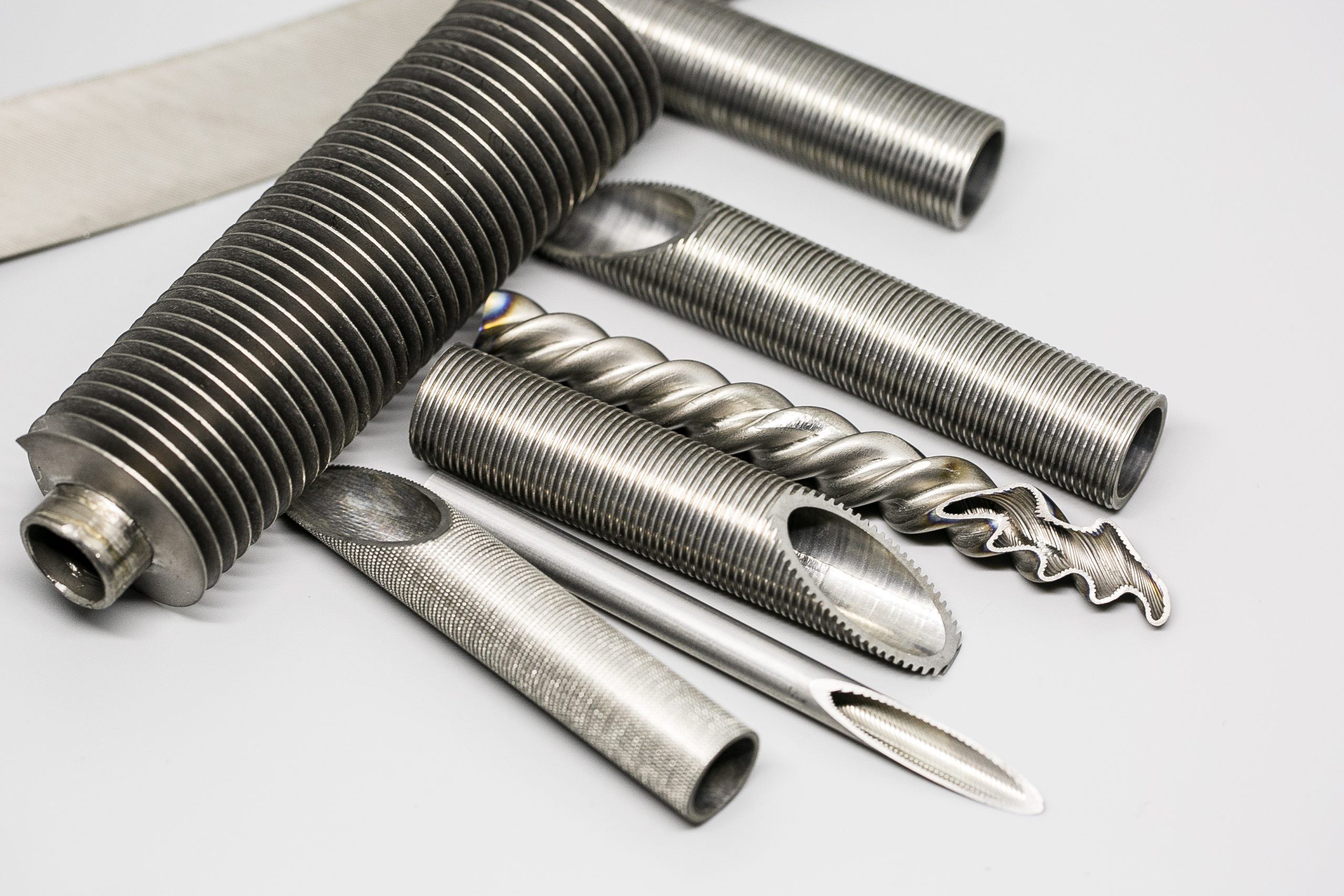
The Difference in One Comparison Table
| Selection Question | Low Fin Tube | Inner Grooved Tube |
|---|---|---|
| Where is the enhancement? | Outside the tube | Inside the tube |
| What is the main purpose? | Increase external heat-transfer area within a defined tube length. | Increase internal area and modify tube-side flow near the wall. |
| Which resistance does it target? | Outside-tube, shell-side or condensation-side resistance. | Tube-side or refrigerant-side convection resistance. |
| Where is pressure drop reviewed? | Mainly on the shell side, together with fin geometry, tube pitch, baffles and flow distribution. | Directly on the tube side, together with groove geometry, flow rate, length and number of passes. |
| What drawing controls the quotation? | OD over fins, root OD, fin height, pitch or FPI, finned length and plain ends. | OD, bottom wall, groove depth, groove or tooth angle, helix angle, pitch or groove count. |
| Typical first review | Selected shell-and-tube condensers, evaporators, oil coolers and external-area-limited equipment. | Selected chillers, refrigeration circuits, evaporators, condensers and tube-side-limited equipment. |
A Faster Three-Question Selection Rule
Which fluid is inside the tube and which fluid is outside?
This establishes which surface is in contact with the fluid side being reviewed.
Which side is limiting the required duty?
If the main limitation is inside, review inner grooves. If it is outside, review low fins. If fouling or another equipment component controls the duty, surface enhancement alone may not solve the problem.
Can the equipment accept the hydraulic and maintenance consequences?
Confirm allowable pressure drop, fouling tendency and cleaning method before replacing a smooth tube with either enhanced profile.
This rule is more useful than asking whether a low fin tube or an inner grooved tube has the higher heat-transfer coefficient in general. The answer changes with fluid allocation, flow regime, phase change, geometry and equipment design.
Why the Same Equipment May Use Either Tube
| Example | When Low Fin Is Reviewed | When Inner Grooved Is Reviewed |
|---|---|---|
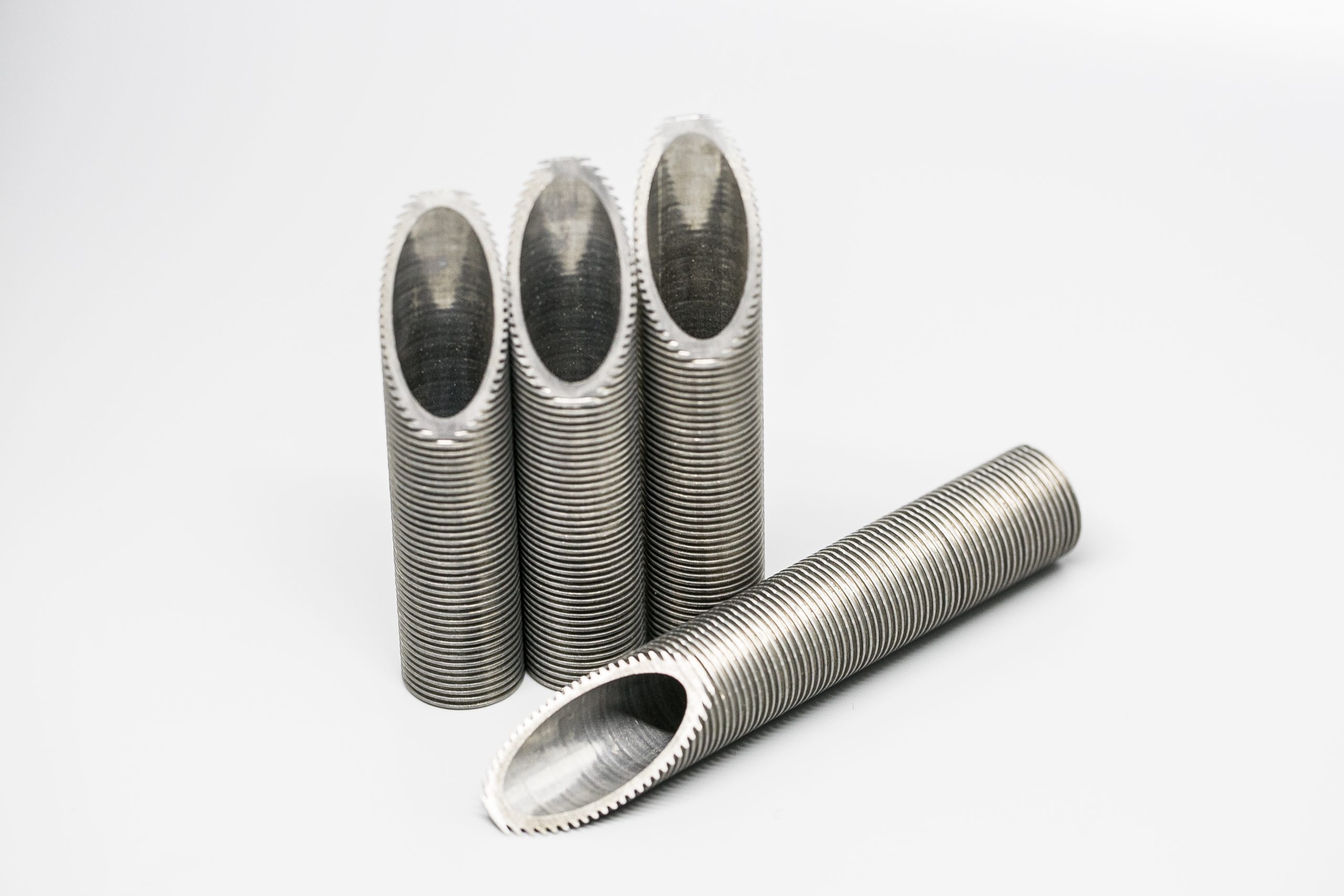
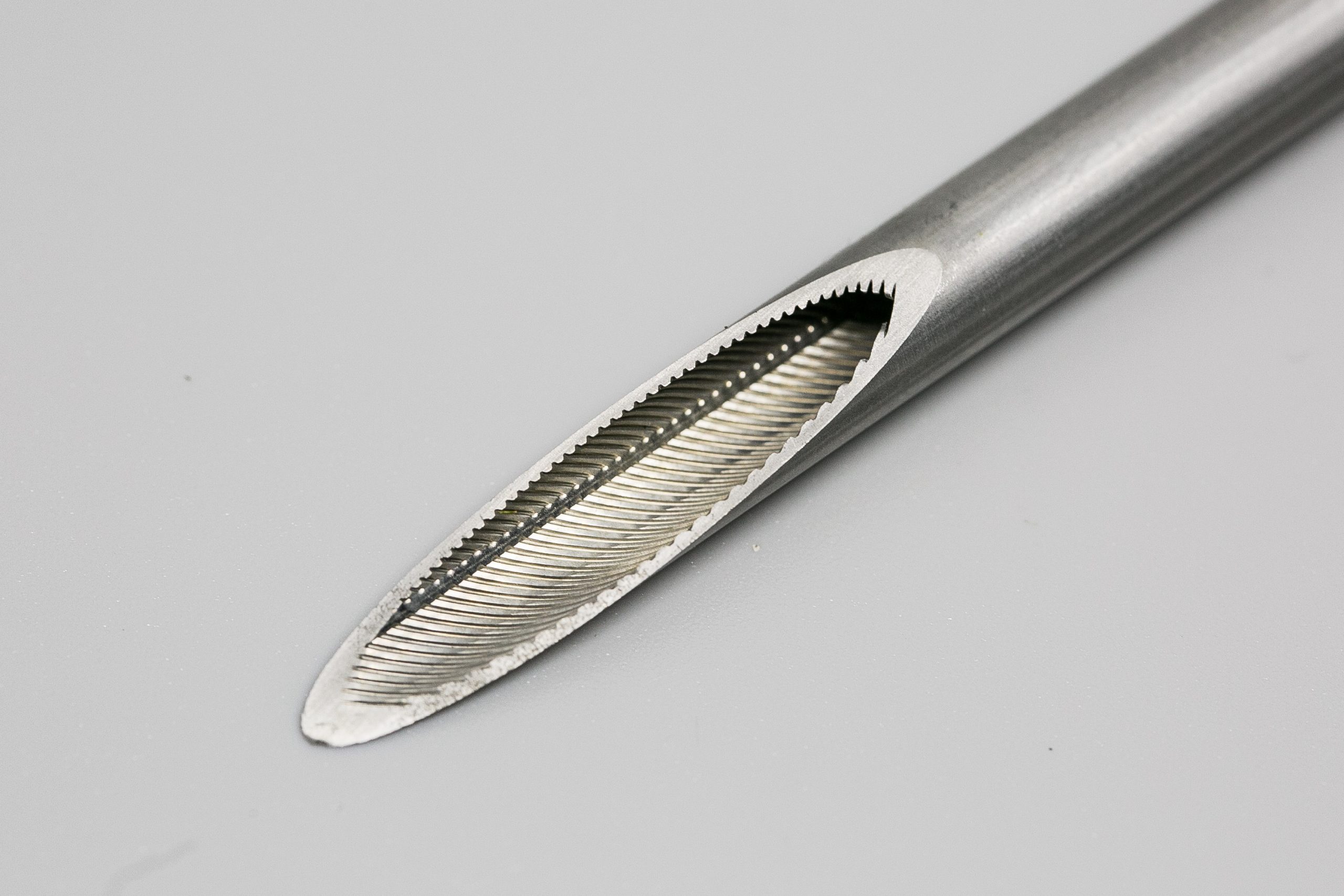
| Condenser | The important condensation or shell-side resistance is outside the tube. | The condensing or refrigerant flow is inside the tube and internal performance is the target. |
| Evaporator | The external fluid side needs more effective surface area. | Refrigerant evaporation or tube-side convection occurs inside the tube. |
| Replacement bundle | The original equipment already uses external enhancement or the redesign targets shell-side resistance. | The original tube has an internal profile or the redesign targets tube-side performance. |
For equipment-specific material and service-condition guidance, continue to the Condenser & Evaporator Tubes or Industrial Refrigeration Tubes application page. Those pages address equipment intent; this article addresses the choice between two enhancement positions.
Heat-Transfer Target vs Pressure Drop
Heat transfer and friction change together
Internal grooves may increase surface area and disturb the boundary layer, but they can also increase tube-side friction. Groove depth, helix angle, pitch, fluid properties, phase condition, velocity, tube length and number of passes all affect the result.
The correct target may be higher duty at the same footprint, the same duty with a different tube count, or improved evaporation or condensation performance. It should not be expressed only as “maximum groove depth.”
More outside area also changes shell-side flow
External fins increase outside area, but fin height and density also interact with tube pitch, baffles, flow distribution and fouling. Low fin tubes should therefore not be treated as having zero hydraulic impact simply because the inside passage remains comparatively smooth.
The useful target is the complete equipment duty and allowable shell-side pressure drop-not the largest possible number of fins.
Four Common Selection Mistakes
- Assuming one tube type is universally more efficient. Their enhancement positions are different, so they solve different thermal limitations.
- Selecting by the words “condenser” or “evaporator” alone. Fluid allocation and phase-change location must be known.
- Ignoring pressure drop and cleanability. A higher local heat-transfer coefficient does not automatically create a better operating system.
- Changing both material and geometry without recalculation. A copper-to-stainless-steel or copper-to-titanium project must also review wall thickness, corrosion, velocity, fouling, tube-sheet connection and equipment approval. See the Copper Tube Replacement Review.
Detailed material ranges, dimensions, manufacturing notes and inspection requirements are intentionally kept on the Enhanced Heat Transfer Tubes hub and the individual product pages. This keeps a comparison search separate from a product specification search.
What to Send for a Fast Quotation
If the material grade and tube type are already known, a first inquiry does not need a complete thermal design sheet. Send the basic specification, geometry drawing and quantity. GAOFA TECH can then confirm what additional information is actually required for the quotation.
Copyable Enhanced Tube RFQ Template
Click the button and paste the template directly into your email.
Material Grade:
Tube Type: Low Fin / Inner Grooved
Tube Form: Welded / Seamless (if specified)
Size: OD × Wall Thickness × Length
Fin or Groove Details: Drawing attached / Parameters
Quantity:
Application:
For low fin geometry details, continue to the Low Fin Tube page. For groove-profile and material directions, continue to the Inner Grooved Tube page. Buyers preparing a broader tube request can also use the Tube Inquiry Checklist.
Frequently Asked Questions
What is the main difference between a low fin tube and an inner grooved tube?
Which one transfers more heat?
Can a condenser use either tube type?
Do enhanced tubes always outperform smooth tubes?
What information is needed for an initial quotation?
Compare Your Tube Requirement
Send the material grade, tube type, OD, wall thickness, length, enhanced geometry drawing and quantity. If you are not sure whether the project needs low fin or inner grooved tubing, send the application and indicate which fluid flows inside and outside the tube.
Contact GAOFA TECH