
Industrial Refrigeration Tubes
Stainless Steel, Titanium, Nickel Alloy and Enhanced Tubes for Chillers, Brine Coolers, Ammonia Systems and Industrial Cooling Equipment
GAOFA TECH supplies industrial refrigeration tubes for chillers, brine coolers, condensers, evaporators, ammonia refrigeration equipment, seawater-cooled refrigeration units and process cooling systems. We support stainless steel tubes, titanium tubes, nickel alloy tubes and enhanced heat transfer tubes for project-specific tube selection.
Stainless steel and titanium tubes are increasingly reviewed as alternatives to copper tubes in selected refrigeration equipment. Final suitability depends on refrigerant, brine, cooling water, temperature, pressure, corrosion condition, heat transfer calculation, tube sheet design, fabrication process and customer specification.
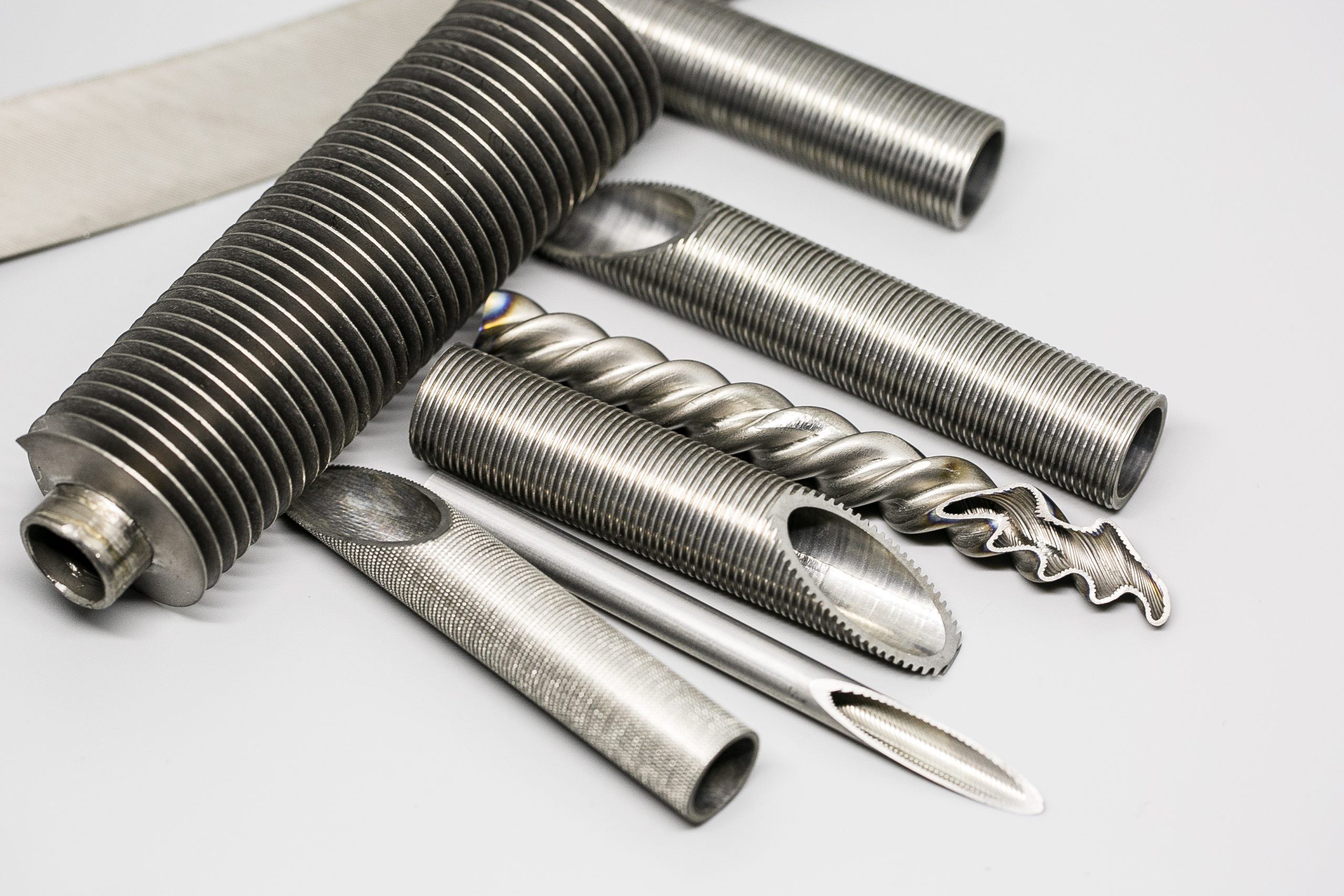
Tube Supply Scope for Industrial Refrigeration Equipment
This page focuses on industrial refrigeration equipment applications, not general heat exchanger tube selection. It is intended for manufacturers searching for industrial refrigeration tubes, tubes for chillers, brine cooler tubes, ammonia refrigeration tubes, stainless steel refrigeration tubes, titanium tubes for seawater-cooled refrigeration and enhanced tubes for compact refrigeration heat exchangers.
For chillers, brine coolers, ammonia systems, condensers, evaporators, oil coolers and process cooling units.
Tube materials can be reviewed by refrigerant, cooling water, brine, seawater, chloride level and corrosion condition.
Stainless steel and titanium tubes may be reviewed when copper cost, corrosion or ammonia compatibility becomes a concern.
Enhanced tubes may be reviewed when heat transfer area, pressure drop, cleaning and equipment size allow.
How This Page Differs from Heat Exchanger and Condenser / Evaporator Tube Pages
Industrial refrigeration tubes are often used inside heat exchangers, condensers and evaporators, but this page is written from the refrigeration equipment manufacturer’s perspective. It focuses on system-level conditions such as refrigerant, brine, low-temperature cooling, ammonia R717, seawater cooling, oil cooling, copper replacement review and process cooling service.
For broad tube material selection in heat exchangers, please see Heat Exchanger Tubes. For phase-change applications, condensation and evaporation service, please see Condenser & Evaporator Tubes.
GAOFA TECH can review welded tubes, seamless tubes, coiled tubes, low fin tubes, inner grooved tubes and smooth heat exchanger tubes according to customer drawings, working medium and inspection requirements.
Do Not Select Refrigeration Tubes by Tube Material Name Alone
Tube selection for industrial refrigeration equipment should be based on the working condition, not only on a material grade name. The same stainless steel or titanium tube may perform differently under clean water, chloride cooling water, seawater, NaCl brine, CaCl₂ brine, glycol, ammonia, acidic condensate or chemical process cooling conditions.
- For chillers, review cooling water, refrigerant side, pressure drop, tube expansion and cleaning method.
- For brine coolers, review brine type, concentration, temperature, pH, inhibitor condition and corrosion history.
- For ammonia systems, review whether tube materials are accepted by the equipment design and end-user specification.
- For copper replacement, review heat transfer calculation, wall thickness, tube pitch, tube sheet connection and overall equipment output.
Where Tubes Are Used in Industrial Refrigeration Systems
Industrial refrigeration equipment may require different tube materials and tube structures at different system locations. The table below supports early material review and quotation discussion, but final selection should follow project engineering and customer specification.
| Equipment / System | Tube Review Direction | Important Notes |
|---|---|---|
| Industrial chillers | Stainless steel tubes, copper replacement review and selected enhanced tube review | Review refrigerant, cooling water, chloride level, heat transfer requirement, tube expansion and cleaning method. |
| Shell and tube evaporators | Smooth tubes, inner grooved tubes, stainless steel tubes or titanium tubes | Review refrigerant-side evaporation, brine condition, oil film, pressure drop and internal cleanliness. |
| Industrial condensers | Stainless steel, titanium or low fin tubes | Review cooling water, seawater, fouling, tube sheet material, vibration and corrosion risk. |
| Brine coolers | 316L, duplex stainless steel, titanium or nickel alloy tubes by review | NaCl brine, CaCl₂ brine, glycol and inhibited brine can create different corrosion risks. |
| Ammonia R717 systems | Non-copper tube materials according to system design and applicable specification | Material selection should follow refrigeration equipment design, pressure requirements and end-user approval. |
| Oil coolers | Stainless steel smooth tubes or low fin tubes by viscosity and fouling condition | Review oil viscosity, fouling, cleaning access and whether external surface enhancement can be maintained. |
| Seawater-cooled refrigeration equipment | Titanium tubes or titanium low fin tubes by seawater condition and system design | Review tube sheet material, galvanic contact, suspended solids, flow velocity, crevice condition and cleaning method. |
| Chemical process cooling units | Stainless steel, titanium or nickel alloy tubes by medium, temperature and corrosion review | Full process medium data is required when acid, chloride, vapor condensation or aggressive chemicals are involved. |
Stainless Steel and Titanium Tubes as Alternatives to Copper Tubes
Copper tubes have been widely used in refrigeration and heat transfer equipment because of their thermal conductivity, mature fabrication routes and established supply chain. In recent years, some industrial refrigeration manufacturers have started reviewing stainless steel and titanium tubes when copper tube cost, corrosion risk, ammonia compatibility or service life becomes a concern.
GAOFA TECH can supply stainless steel and titanium tubes according to customer drawings and specifications for selected copper replacement review projects. This should be handled as an engineering review, not a direct material swap. For broader material-selection logic, see the Copper Tube Replacement Review; for the focused stainless-vs-copper engineering comparison, see Can Stainless Steel Tubes Replace Copper Tubes in Heat Exchangers?.
- Copper price pressure in large-volume refrigeration equipment
- Chloride-containing cooling water or brine corrosion concerns
- Seawater-cooled condenser or marine cooling applications
- Ammonia refrigeration systems where copper contact is not suitable
- Higher mechanical strength or longer service life expectation
- Equipment redesign from copper tube to stainless steel or titanium tube
Copper Replacement Is Not Only a Material Cost Decision
Stainless steel and titanium have different thermal conductivity, strength, modulus, expansion behavior, forming characteristics and tube-to-tubesheet requirements compared with copper. In many projects, tube wall thickness, tube pattern, heat transfer area, enhanced tube structure, pressure drop and cleaning condition should be reviewed before replacement.
When additional surface area or internal enhancement is required, low fin tubes or inner grooved tubes may be reviewed according to thermal calculation, fouling condition and assembly method.
Recommended RFQ information: current copper tube size, drawing, equipment type, refrigerant or cooling medium, tube sheet material, failure mode or reason for replacement, and target improvement. For selected HVAC evaporator or refrigeration designs where copper connection sections are retained, review Stainless Steel Tubes with Copper Ends.
Refrigerant, Brine and Cooling Water Conditions to Review
The working medium is one of the most important inputs for industrial refrigeration tube selection. A tube material that is practical for clean cooling water may not be suitable for chloride brine, seawater, ammonia service or corrosive process cooling.
| Condition | Why It Matters for Tube Selection | Tube Direction to Review |
|---|---|---|
| Ammonia R717 | Copper contact is generally avoided; material choice should follow refrigeration system design and applicable specification. | Stainless steel or other approved non-copper materials by project design. |
| HFC / HFO / Freon-based refrigerants | Tube structure, oil compatibility, pressure rating and cleanliness should be reviewed by refrigerant and equipment design. | Smooth tubes, stainless steel tubes and selected enhanced tubes by design. |
| Glycol-based cooling | Concentration, additives, temperature and corrosion inhibitor condition can affect corrosion behavior. | 304 / 316L stainless steel, duplex or other material by fluid data. |
| NaCl brine | Chloride concentration can strongly affect stainless steel pitting and crevice corrosion risk. | 316L, duplex, titanium or nickel alloy by concentration and temperature. |
| CaCl₂ brine | Corrosion risk should be reviewed carefully, especially at higher concentration, higher temperature or poor inhibitor control. | Project-specific review with stainless steel, titanium or nickel alloy directions. |
| Seawater cooling | Seawater creates chloride, fouling, suspended solids, crevice and galvanic corrosion concerns. | Titanium Gr2 / Gr12 tubes or titanium low fin tubes by design. |
| Cooling water with chlorides | 304 or 316L may not be sufficient in some chloride-rich conditions, especially with stagnant zones or high temperature. | 316L, 2205, 2507, titanium or other alloys by water analysis. |
| Cleaning chemicals | Chemical cleaning can change material risk, surface condition and enhanced tube suitability. | Material review according to cleaning chemical, concentration and procedure. |
| Fouling or scaling tendency | Enhanced tubes may not be suitable if cleaning is difficult or deposits block grooves / fins. | Smooth tubes may be preferred in high-fouling or difficult-cleaning service. |
| Low-temperature operation | Material toughness, thermal expansion, tube sheet connection and equipment design should be reviewed. | Material and tube form according to design temperature and customer specification. |
Stainless Steel, Titanium, Coiled and Enhanced Tubes for Industrial Refrigeration
GAOFA TECH supplies several tube material and structure directions for industrial refrigeration equipment. The following cards help buyers move from application review to product pages. Final material selection should follow customer specification, engineering calculation and operating condition.
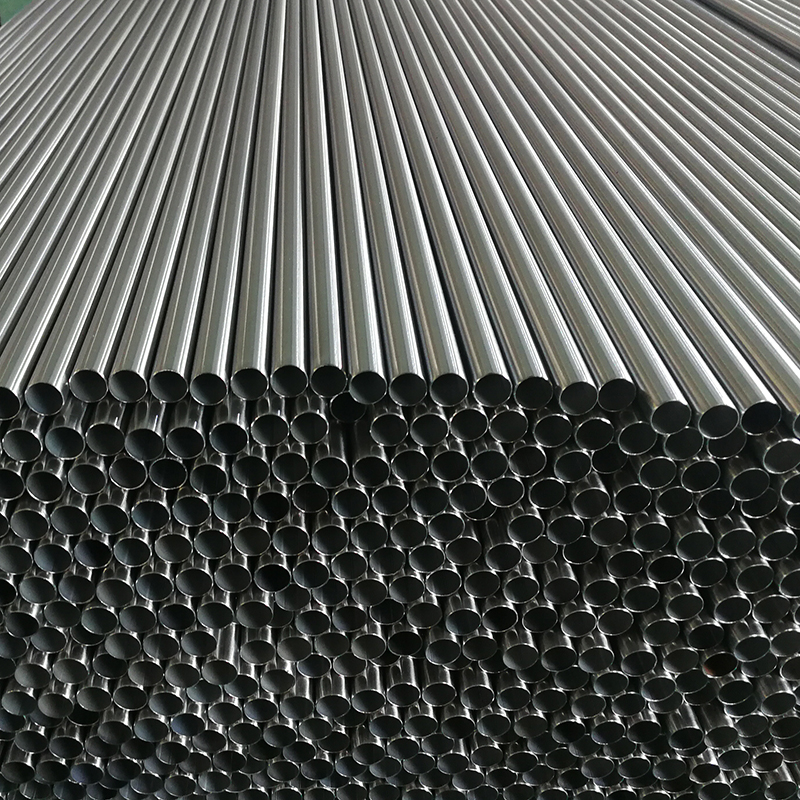
Stainless Steel Tubes
304, 316L, 321, duplex and other stainless steel directions may be reviewed for chillers, refrigeration heat exchangers and selected copper replacement projects.
View Stainless Steel Tubes →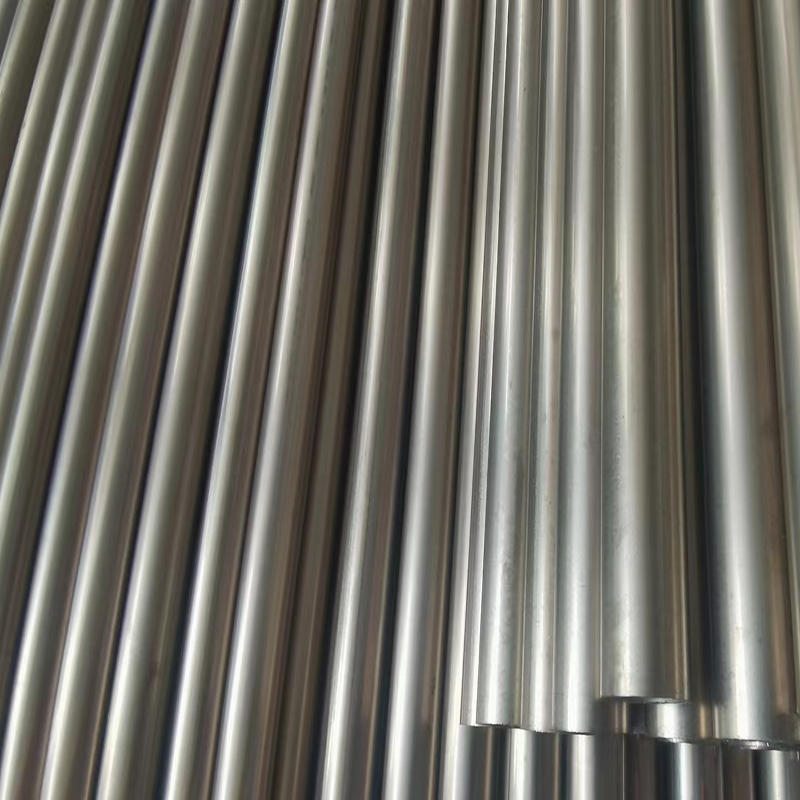
Titanium Tubes
Titanium Gr2 and Gr12 are commonly reviewed for seawater-cooled refrigeration equipment, marine cooling and chloride-rich cooling water service.
View Titanium Tubes →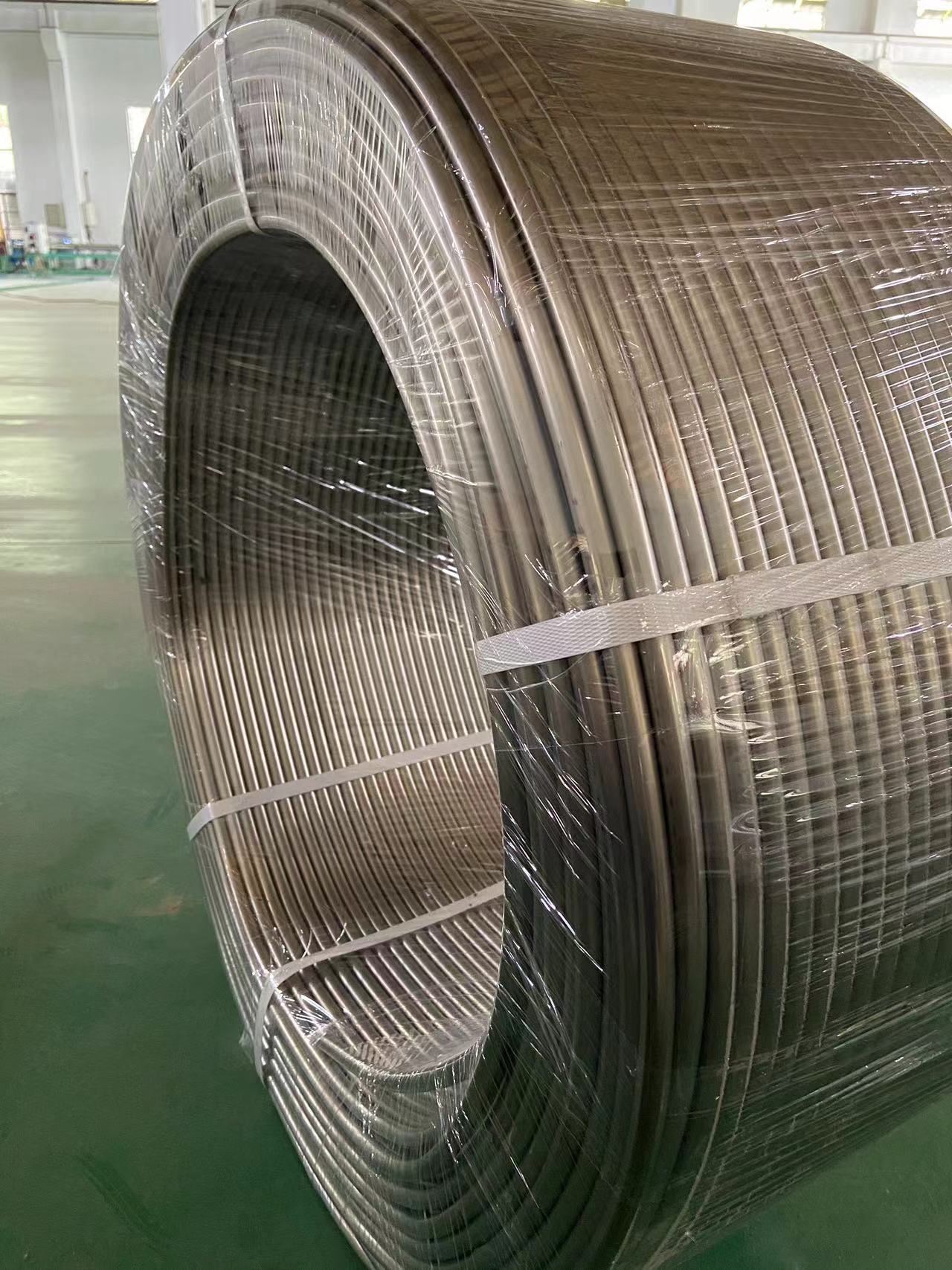
Coiled Tubes
Coiled tubes may be reviewed for selected compact cooling, refrigeration, heat transfer or equipment assembly applications according to drawing and bending requirement.
View Coiled Tube →
Enhanced Tubes
Low fin tubes and inner grooved tubes may be reviewed when heat transfer area, equipment size, pressure drop and cleaning conditions allow.
View Enhanced Tubes →| Tube Material / Structure | When to Review | Notes |
|---|---|---|
| 304 Stainless Steel Tubes | General refrigeration equipment, selected chillers and mild cooling water systems | Check chloride level, cleaning chemicals, operating temperature and corrosion allowance. |
| 316L Stainless Steel Tubes | Cooling water, selected brine coolers and corrosion-sensitive applications | Better corrosion resistance than 304, but not suitable for all chloride or brine conditions. |
| Duplex Stainless Steel Tubes | Higher chloride or stronger corrosion review conditions | Project-specific review required; not an automatic replacement for titanium. |
| Titanium Gr2 / Gr12 Tubes | Seawater-cooled condensers, marine refrigeration and chloride-rich cooling water | Review tube sheet material, galvanic contact, crevice conditions, fouling and fabrication method. |
| Incoloy / Inconel / Hastelloy Tubes | Chemical process cooling, acid condensate or highly corrosive conditions | Full medium data, temperature, pressure and corrosion history are required. |
| Low Fin Tubes | Condensers, oil coolers or applications requiring increased external surface area | Review fouling, cleaning method, fin geometry, tube wall after finning and heat transfer calculation. |
| Inner Grooved Tubes | Selected evaporators or refrigerant-side enhancement applications | Groove geometry, pressure drop, refrigerant compatibility and cleanliness should be reviewed. |
| Smooth Heat Exchanger Tubes | Standard shell and tube refrigeration equipment | Suitable for many conventional designs where enhanced tubes are not required. |
Industrial Refrigeration Tube Selection Matrix
This matrix is designed for early material discussion only. It should not replace project-specific corrosion review, thermal calculation, pressure design, equipment drawing or customer-approved specification.
| Refrigeration Condition | Tube Direction to Review | Engineering Notes |
|---|---|---|
| Clean water chiller | 304 or 316L stainless steel tubes | Check cooling water analysis, chloride level, scale and cleaning method. |
| Copper tube cost pressure | Stainless steel tube or titanium tube replacement review | Review thermal performance, wall thickness, tube pitch, tube expansion and equipment output. |
| Chloride-containing cooling water | 316L, 2205 / 2507 duplex stainless steel or titanium by water chemistry | 304 / 316L may not be enough in higher chloride, stagnant or high-temperature conditions. |
| Seawater condenser | Titanium Gr2 / Gr12 tubes or titanium low fin tubes | Review tube sheet material, galvanic contact, fouling, suspended solids and crevice design. |
| NaCl brine cooler | 316L, duplex, titanium or nickel alloy by brine concentration and temperature | Review inhibitor condition, oxygen, pH, temperature and previous corrosion history. |
| CaCl₂ brine cooler | Project-specific corrosion review; stainless steel, titanium or nickel alloy may be considered | Calcium chloride brine can be aggressive; full fluid data should be provided. |
| Ammonia R717 refrigeration | Non-copper materials according to equipment design and applicable standard | Material approval should follow system design, pressure requirement and end-user specification. |
| Compact condenser | Low fin tubes may be reviewed by thermal calculation | Review fouling, cleaning method, fin geometry, tube expansion and maintenance access. |
| DX evaporator | Inner grooved tubes may be reviewed by refrigerant and groove design | Review pressure drop, oil film, refrigerant distribution and groove geometry. |
| Oil cooler | Stainless steel smooth tube or low fin tube by viscosity and fouling condition | Review oil viscosity, fouling, cleaning method and temperature. |
| Chemical refrigeration / process cooling | Titanium or nickel alloy tubes by chemical medium | Full chemical composition, concentration, temperature, pressure and corrosion history are required. |
Enhanced Tubes for Industrial Refrigeration Equipment
Enhanced heat transfer tubes may help refrigeration equipment manufacturers improve heat transfer performance or reduce equipment size in selected applications. They should be selected by thermal calculation, pressure drop, fouling tendency, cleaning method and equipment assembly requirement, not by tube name alone.
Enhanced Heat Transfer Tubes
Enhanced tubes may be reviewed for compact condenser, evaporator, oil cooler or chiller designs when thermal performance requires review.
View Enhanced Tubes →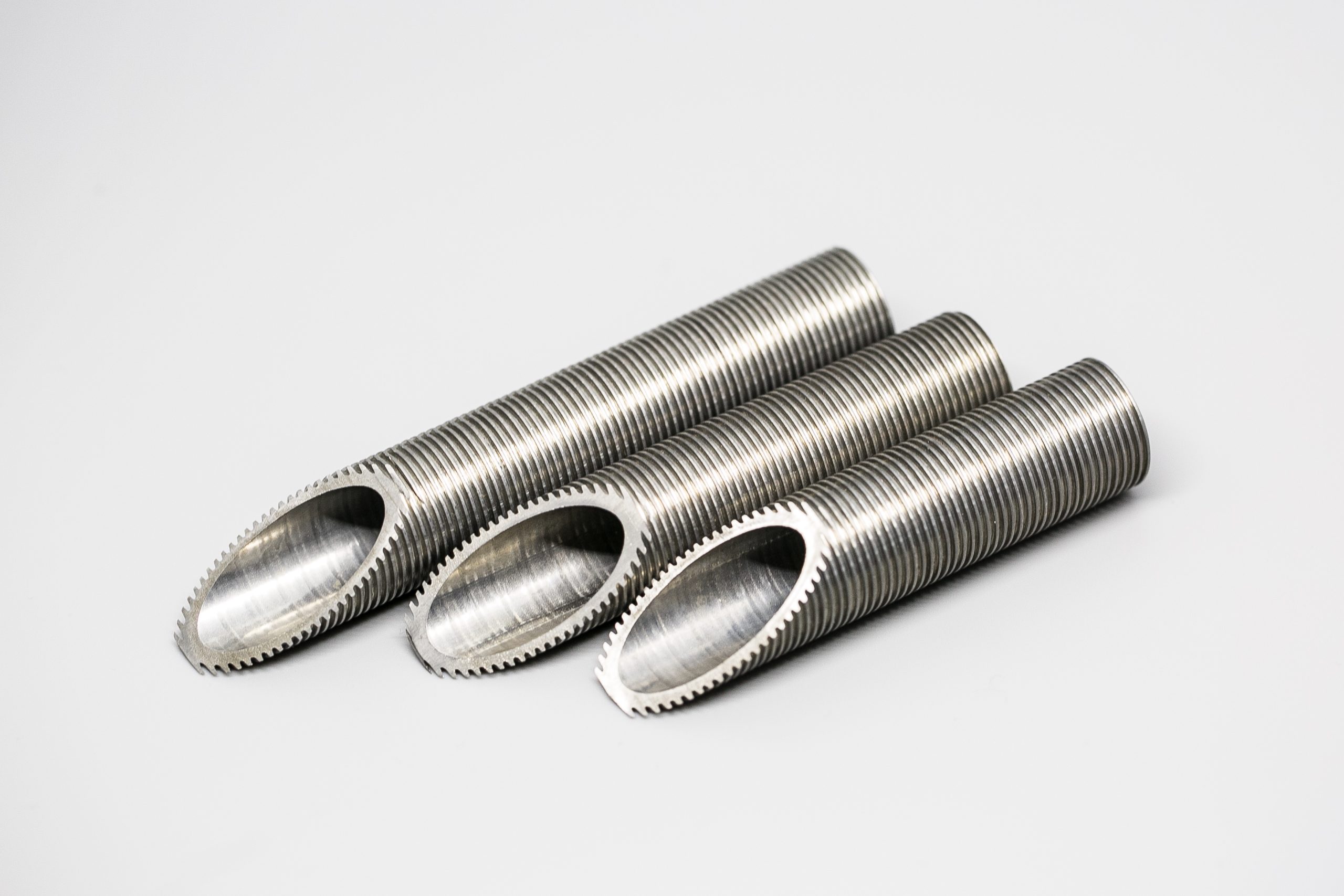
Low Fin Tubes
Low fin tubes are commonly reviewed for condensers, oil coolers and applications requiring increased external surface area.
View Low Fin Tube →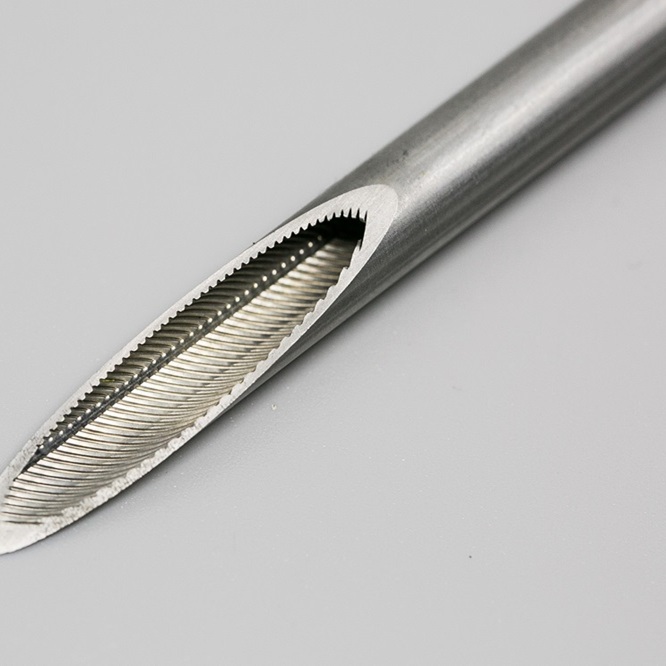
Inner Grooved Tubes
Inner grooved tubes may be reviewed for selected evaporators, DX systems and refrigerant-side heat transfer enhancement applications.
View Inner Grooved Tube →
Coiled Tubes
Coiled tubes may be reviewed for compact cooling assemblies, refrigeration equipment and heat transfer designs according to customer drawing.
View Coiled Tube →| Enhanced Tube Type | Application Review Direction | Important Review Points |
|---|---|---|
| Low Fin Tube | Condenser, oil cooler or external surface area enhancement applications | Review fin geometry, base wall thickness, fouling, cleaning, tube expansion and tube sheet connection. |
| Stainless Steel Low Fin Tube | Industrial cooling water and selected refrigeration heat exchanger applications | Review chloride level, fin geometry, corrosion risk and whether stainless steel is accepted for the medium. |
| Titanium Low Fin Tube | Seawater cooling, marine condensers and chloride-rich cooling water applications | Review galvanic contact, tube sheet material, crevice design, fouling and cleaning method. |
| Inner Grooved Tube | Selected evaporators, DX systems, chillers and refrigerant-side enhancement applications | Review refrigerant type, oil film, flow pattern, groove geometry, pressure drop and cleanliness. |
| Titanium Inner Grooved Tube | Special corrosion-resistant enhanced tube applications where titanium and internal grooves both need review | Review working medium, chloride level, groove geometry, tube wall, cleaning, pressure drop and equipment approval. |
Inspection, Cleanliness and Packing for Refrigeration Tubes
Industrial refrigeration tubes may require stable OD, wall thickness, straightness, surface condition, internal cleanliness, drying and tube end protection before assembly into heat exchangers or refrigeration equipment. Related inspection examples are summarized on the Quality Control page.
| Item | Purpose | Buyer Notes |
|---|---|---|
| Material Grade and MTC | Confirm heat number, chemical composition and mechanical properties. | Important for stainless steel, titanium, nickel alloy and Hastelloy tube procurement. |
| OD / WT / Length Inspection | Support tube expansion, tube sheet fitting, replacement tube matching and assembly. | Please confirm tolerance, cut length, straightness and plain end length if required. |
| Eddy Current / UT / Hydrostatic / Pneumatic Test | Review tube integrity according to applicable standard or order requirement. | Testing method and acceptance criteria should be agreed before production. |
| Surface and Internal Cleanliness | Support downstream assembly, refrigerant service, heat transfer performance and corrosion control. | Cleaning, drying, air blowing, sponge cleaning or end protection can be reviewed according to requirement. |
| Packing and Tube End Protection | Reduce tube damage, contamination and deformation during transport. | Bundle packing, wrapping, wooden case, tube end protection and packing photos can be discussed before shipment. |
Review Tube Inspection and Quality Control Details
GAOFA TECH can review dimensional inspection, visual inspection, PMI checking, eddy current testing, pneumatic testing, ultrasonic testing, internal cleanliness checking and packing review according to order requirements.
Information Needed for Industrial Refrigeration Tube Quotation
A complete RFQ helps confirm the suitable material, tube form, enhanced tube structure, inspection scope, packing method and quotation accuracy. Buyers can also use the Tube Inquiry Checklist before sending drawings or replacement details.
For industrial refrigeration projects, the working condition is as important as the tube size. Please provide refrigerant, brine, cooling water, seawater, ammonia, oil, cleaning method and existing failure information whenever available.
For copper replacement projects: please provide the current copper tube size, drawing, equipment type, working medium, tube sheet material, failure mode or reason for replacement and target improvement.
- Tube material or candidate materials: stainless steel, titanium, nickel alloy, duplex or existing material
- Tube form: welded, seamless, smooth, low fin, inner grooved, coiled, straight length or U-bent tube
- Tube OD, wall thickness, length, tolerance, plain end length and quantity
- Equipment type: chiller, condenser, evaporator, brine cooler, ammonia system, oil cooler or process cooling unit
- Refrigerant type, if relevant: ammonia R717, HFC, HFO, Freon-based refrigerant or other refrigerant
- Cooling medium: clean water, industrial water, seawater, glycol, NaCl brine, CaCl₂ brine or process liquid
- Temperature, design pressure, flow velocity, chloride level, pH, brine concentration and corrosion inhibitor condition
- Tube sheet material, tube fixing method, expansion, welding, bending, cutting or end forming requirement
- Whether low fin tube, inner grooved tube or other enhanced tube geometry is required
- Cleaning method, fouling condition, maintenance method and expected service condition
- Applicable standard, drawing, inspection requirement, MTC, testing record, packing photos or CBAM-related documents if required
- Destination, Incoterms, packing requirement and expected delivery schedule
Send Your Refrigeration Tube Requirement
Please send tube material, OD, wall thickness, length, quantity, equipment type, working medium, temperature, pressure, corrosion condition and inspection requirements. GAOFA TECH will review the suitable tube quotation according to your specification. You can also start from the Tube Inquiry Checklist.
Industrial Refrigeration Tubes FAQ
What tubes are used in industrial refrigeration equipment?
Industrial refrigeration equipment may use stainless steel tubes, titanium tubes, nickel alloy tubes, low fin tubes, inner grooved tubes, coiled tubes or smooth heat exchanger tubes. The final selection depends on refrigerant, cooling medium, temperature, pressure, corrosion condition, heat transfer target and equipment design.
Can stainless steel tubes replace copper tubes in refrigeration equipment?
Stainless steel tubes may be reviewed as an alternative to copper tubes in selected refrigeration equipment, especially when copper price, corrosion, ammonia compatibility or mechanical strength is a concern. However, stainless steel is not a direct replacement in every design. Heat transfer calculation, wall thickness, pressure drop, tube sheet design and fabrication process should be reviewed.
For the detailed stainless-vs-copper engineering logic, see Can Stainless Steel Tubes Replace Copper Tubes in Heat Exchangers?. For selected designs retaining copper connection sections, see Stainless Steel Tubes with Copper Ends.
Can titanium tubes replace copper tubes in seawater-cooled refrigeration equipment?
Titanium tubes are often reviewed for seawater-cooled condensers, marine cooling systems and chloride-rich cooling water applications. However, tube sheet material, galvanic contact, crevice condition, water velocity, fouling, suspended solids and system design should be checked before selection.
Which tube materials are suitable for brine coolers?
Brine cooler tube selection depends on brine type, concentration, temperature, pH value, oxygen content, inhibitor condition and corrosion history. 316L stainless steel, duplex stainless steel, titanium or nickel alloy tubes may be reviewed according to the actual brine condition.
What should be considered for ammonia R717 refrigeration systems?
For ammonia refrigeration systems, copper contact is generally avoided. Tube material should follow system design, applicable refrigeration standards, pressure requirements and customer specification. Stainless steel or other approved non-copper materials may be reviewed depending on equipment design.
When should low fin tubes be reviewed for refrigeration equipment?
Low fin tubes may be reviewed for condensers, oil coolers or heat exchangers where increased external surface area is useful. They should be selected according to heat transfer calculation, fouling risk, cleaning method, fin geometry, base wall thickness, tube expansion and mechanical requirements.
When should inner grooved tubes be used in refrigeration equipment?
Inner grooved tubes may be reviewed for selected evaporators, DX systems, chillers or refrigerant-side enhancement applications. Groove design should be reviewed according to refrigerant type, oil film condition, flow pattern, pressure drop, heat transfer target, cleanliness and assembly method.
Are smooth tubes still used in industrial refrigeration equipment?
Yes. Smooth tubes are still widely used in industrial refrigeration equipment, especially where cleaning, maintenance, fouling control, tube expansion, replacement matching or simple fabrication is more important than enhanced surface geometry. Enhanced tubes should be reviewed only when the thermal and maintenance conditions support their use.
How should chloride cooling water affect refrigeration tube material selection?
Chloride-containing cooling water can increase pitting and crevice corrosion risk for some stainless steel grades. The material direction may need to move from 304 or 316L to duplex stainless steel, titanium or other alloys depending on chloride level, temperature, flow condition, crevice design, cleaning chemicals and customer specification.
What information is needed for an industrial refrigeration tube quotation?
A useful quotation request should include tube material, OD, wall thickness, length, quantity, equipment type, refrigerant or cooling medium, standard or drawing, inspection requirement and destination. For copper replacement projects, the current copper tube size, drawing and replacement reason are also helpful.