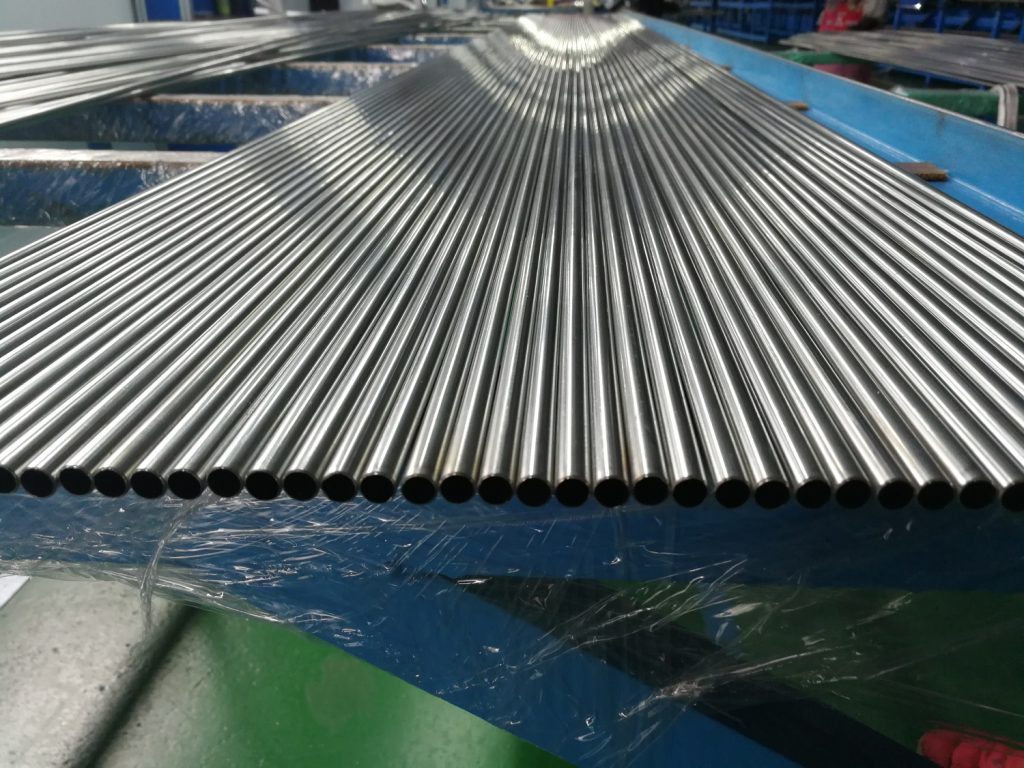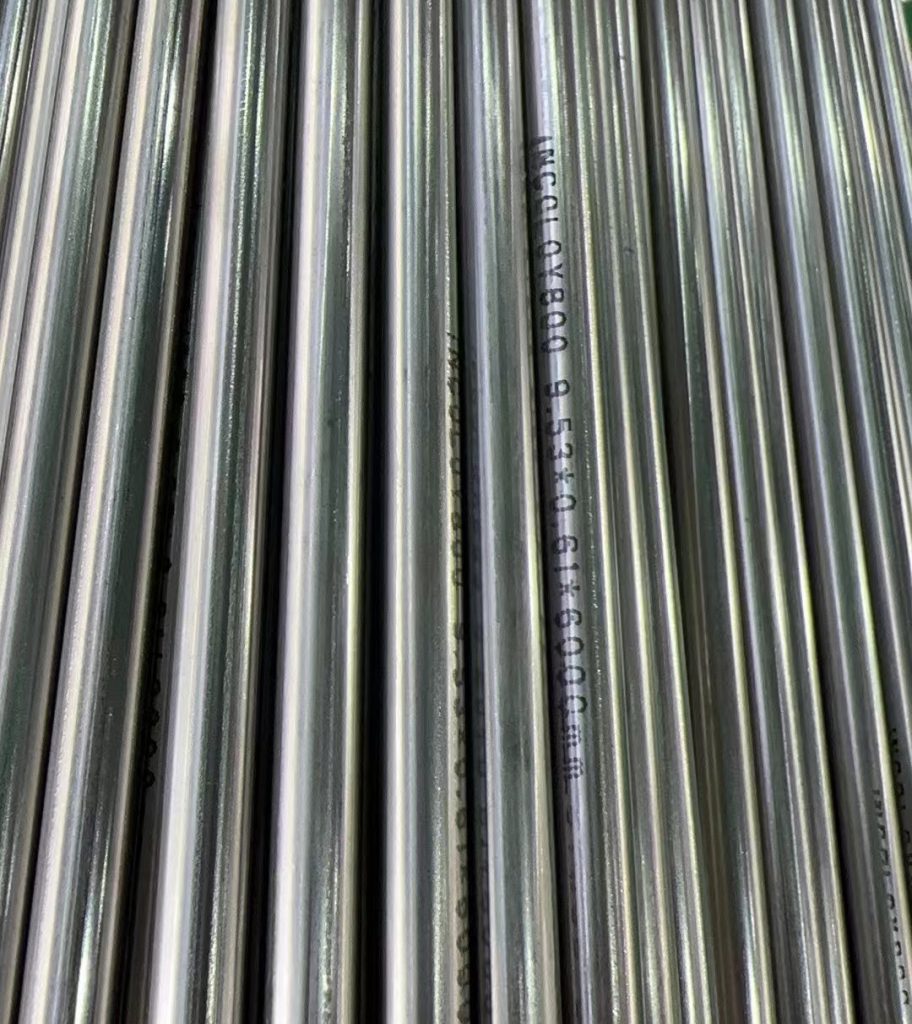
Heating element sheath tube cracking during swaging or reduction is usually not caused by one single factor. A crack develops when the tube has insufficient forming margin for the applied deformation, or when strain becomes concentrated in one area. Common contributors include unsuitable annealing condition, excessive hardness, insufficient ductility, weld-area inconsistency, an aggressive reduction per pass, too few passes, worn tooling, poor alignment, inadequate lubrication, and variation in OD, wall thickness, ovality or straightness.
Tube route alone does not explain the failure. A seamless tube is not automatically more suitable for reduction, and a welded tube is not automatically the cause of cracking. The useful diagnosis compares the finished tube condition with the actual heater construction and reduction process.
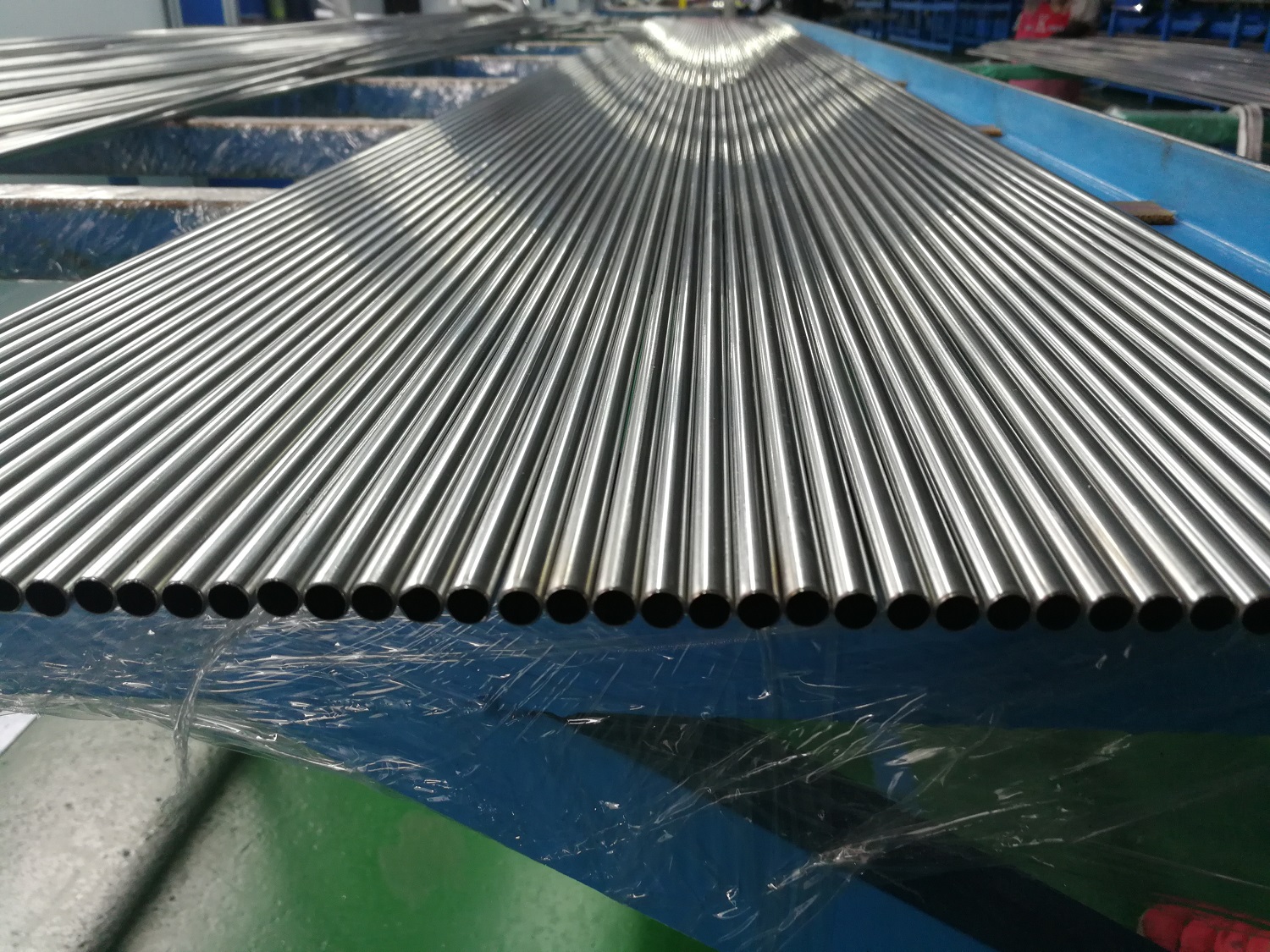
Sheath Tube Cracking Troubleshooting Table
| Possible Cause | What May Happen During Reduction | What to Check |
|---|---|---|
| Annealing condition | Limited forming margin or uneven response | Delivery condition, heat treatment record and finished-tube condition |
| Hardness | Early splitting or rapid work hardening | Hardness level, variation along the tube and comparison lot |
| Ductility | The sheath cannot accommodate local strain | Available mechanical properties and forming trial behavior |
| Weld-area consistency | Crack repeatedly starts near one longitudinal line | Weld condition, hardness variation, annealing and applicable NDT |
| Reduction per pass | Excessive local deformation in one operation | Starting OD, each intermediate OD and final OD |
| Number of passes | Too much deformation per pass or accumulated work hardening | Complete pass schedule and where cracking first appears |
| Tooling and alignment | Scoring, eccentric loading or localized thinning | Die wear, tool finish, concentricity and machine setup |
| Lubrication | High friction, surface pickup or uneven metal flow | Lubricant type, coverage, contamination and process consistency |
| OD and wall variation | Different sections receive different strain | OD, minimum and maximum WT, and position of the crack |
| Ovality and straightness | Unstable die entry or asymmetric deformation | Roundness, straightness, end condition and tube handling |
How the Main Causes Create a Crack
1. Annealing Condition
Annealing affects residual stress, hardness and the ability of the finished tube to deform. For welded tubes used in cartridge heater sheath production with significant swaging, reduction or forming, GAOFA TECH’s current technical position is that the finished tube should be supplied in fully annealed condition. This improves the starting condition for forming, but it does not guarantee crack-free production. Material grade, dimensions, weld-area condition and the customer’s reduction route still matter.
2. Hardness and Ductility
A harder tube may offer less margin before local strain becomes critical. Hardness is useful for process control, but it is not a complete measure of ductility. Compare hardness with available tensile properties, annealing history and actual forming results. Also check variation within a lot or around the circumference rather than relying on one reading.
3. Weld Quality and Weld-Area Consistency
If cracks repeatedly follow the weld area, investigate weld continuity, local geometry, final annealing, hardness variation and any agreed integrity testing. The crack location is evidence for investigation, not proof that the welded route itself is unsuitable. A weld area that responds differently from the parent material can concentrate strain during reduction.
4. Reduction Ratio and Number of Passes
There is no universal safe reduction ratio or fixed pass schedule. Acceptable deformation depends on material, starting OD, final OD, wall thickness, heater construction, equipment, tooling and the customer’s process. A large reduction in one pass can overload the sheath locally. Several passes can distribute deformation, but they can also accumulate work hardening. Record every intermediate diameter and identify the pass where damage begins.
5. Tooling, Alignment and Lubrication
Worn or rough tooling can score the surface and create a crack initiation point. Poor alignment can load one side more heavily, while insufficient or inconsistent lubrication increases friction and disturbs metal flow. Check tool condition, die entry, machine concentricity and lubricant application before assigning the problem to tube metallurgy.
6. OD, Wall Thickness, Ovality and Straightness
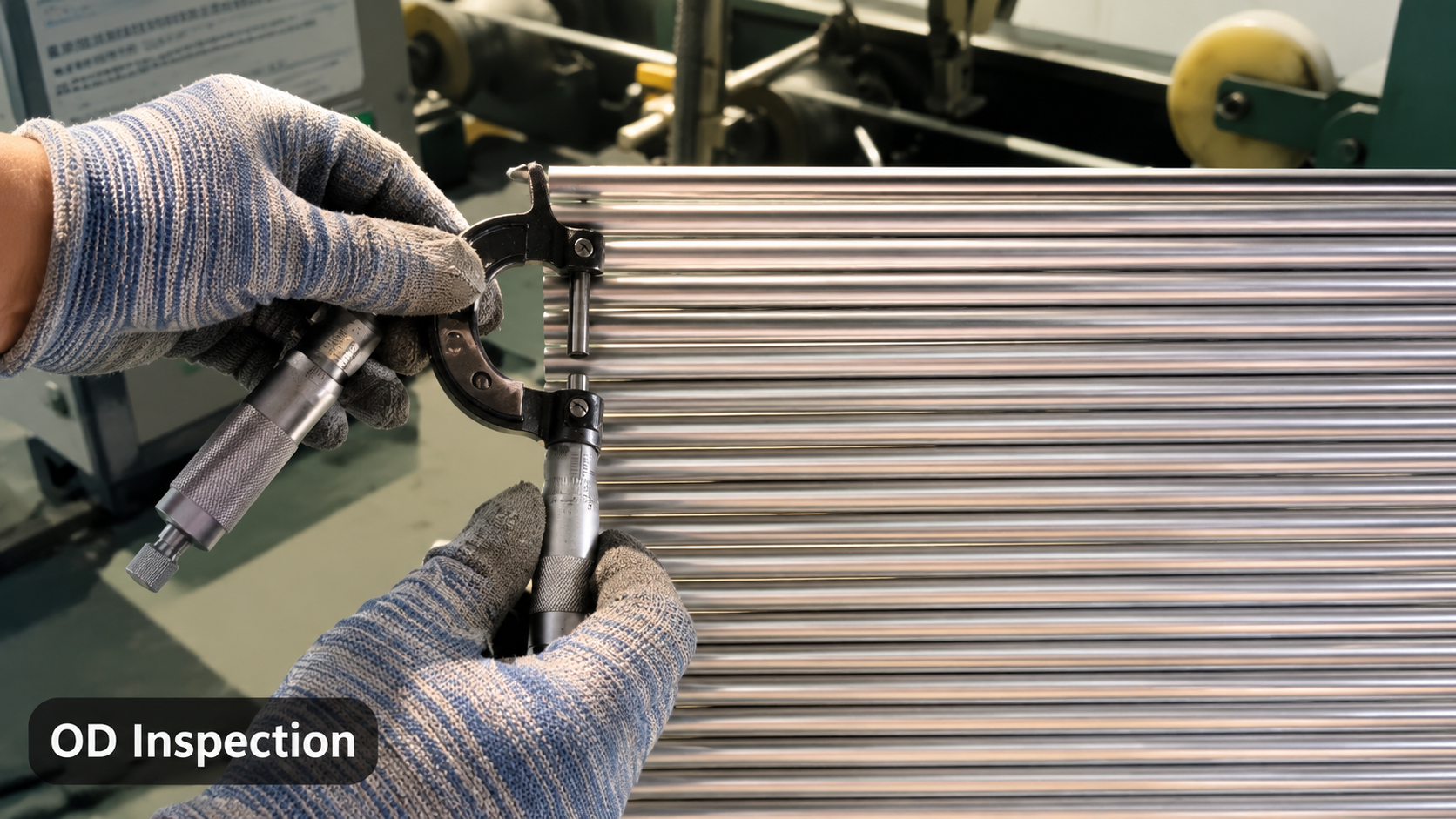
Small dimensional variations can become important when the heater is reduced through several stages. A locally thin wall, high ovality or poor straightness can change die contact and concentrate deformation. Measure the failed tube and an unprocessed sample at several positions. The relevant Quality Control page shows typical OD and wall thickness inspection examples.
Welded vs Seamless: Do Not Diagnose the Crack by Tube Route Alone
Welded tube cracking does not prove that welding is the root cause. Seamless tube can also crack because of unsuitable hardness, insufficient ductility, dimensional variation, surface damage or an aggressive reduction process. Conversely, a welded tube can be suitable for selected heater designs when the finished condition, weld consistency, dimensions and customer process are controlled and the specification permits it.
When a crack occurs near the weld area, check weld consistency, final annealing, hardness variation across the circumference, weld-area condition, applicable NDT or integrity testing, and the actual reduction schedule. For welded cartridge heater tubes that will undergo significant reduction, the finished tube should be fully annealed, while still requiring validation in the customer’s process.
Troubleshooting Checklist for Heater Manufacturers
Preserve samples from the failed lot and a previous successful lot where possible. Then record the process facts before changing several variables at once.
What Should Tube Buyers Specify Before Ordering?
Buyers should tell the tube supplier when significant swaging or diameter reduction is planned. This allows the quotation and technical review to address the finished-tube condition and dimensional controls, rather than treating the order as a general tube requirement. Use the Heating Element Sheath Material Selection guide only when the material grade is still undecided.
Copyable Sheath Tube RFQ
Material Grade:
Tube Form: Welded / Seamless
Size: OD x Wall Thickness x Length
Quantity:
Heater Type:
Starting Tube Size:
Approximate Final Heater OD (if relevant):
Annealing / Delivery Condition (if specified):
Special Hardness / Mechanical Requirement:
Dimensional Tolerance:
Internal Cleanliness Requirement:
Inspection Requirement:
Reduction / Swaging Requirement:
For the broader supply scope, see Heating Element Tubes. A drawing, previous successful specification or failed sample description can make the review more useful.
Frequently Asked Questions
Can a welded heating element tube be used for swaging?
Yes, in selected designs when welded tube is permitted. For cartridge heater sheath production with significant reduction, the finished welded tube should be fully annealed, and weld consistency, dimensions and actual forming behavior still require review.
Does seamless tube prevent cracking during reduction?
No. Seamless tube can crack if its material condition, hardness, dimensions, tooling or reduction schedule is unsuitable.
Can high hardness cause heater sheath tube cracking?
It can reduce forming margin and contribute to cracking, but hardness should be evaluated with ductility, annealing condition and the complete process.
Why does cracking appear only after several reduction passes?
Work hardening and local strain can accumulate. Tool wear, changing lubrication or a dimensional weak point may also become critical only at a later diameter.
What should be checked first after sheath tube cracking occurs?
Record the crack location and the pass where it appeared, then compare tube condition, dimensions, tooling, alignment, lubrication and the full reduction schedule with a successful lot.
Discuss a Sheath Tube Reduction Requirement
Send GAOFA TECH the material, tube form, starting size, final heater diameter, annealing requirement, quantity and known reduction process. If cracking has occurred, also include the crack location and the pass where it first appeared.
Request a Tube Review